Concrete protection for a world-class wastewater tunnel
Tekst AGRU KunststofftechnikFotografie AGRU Kunststofftechnik en Watercare
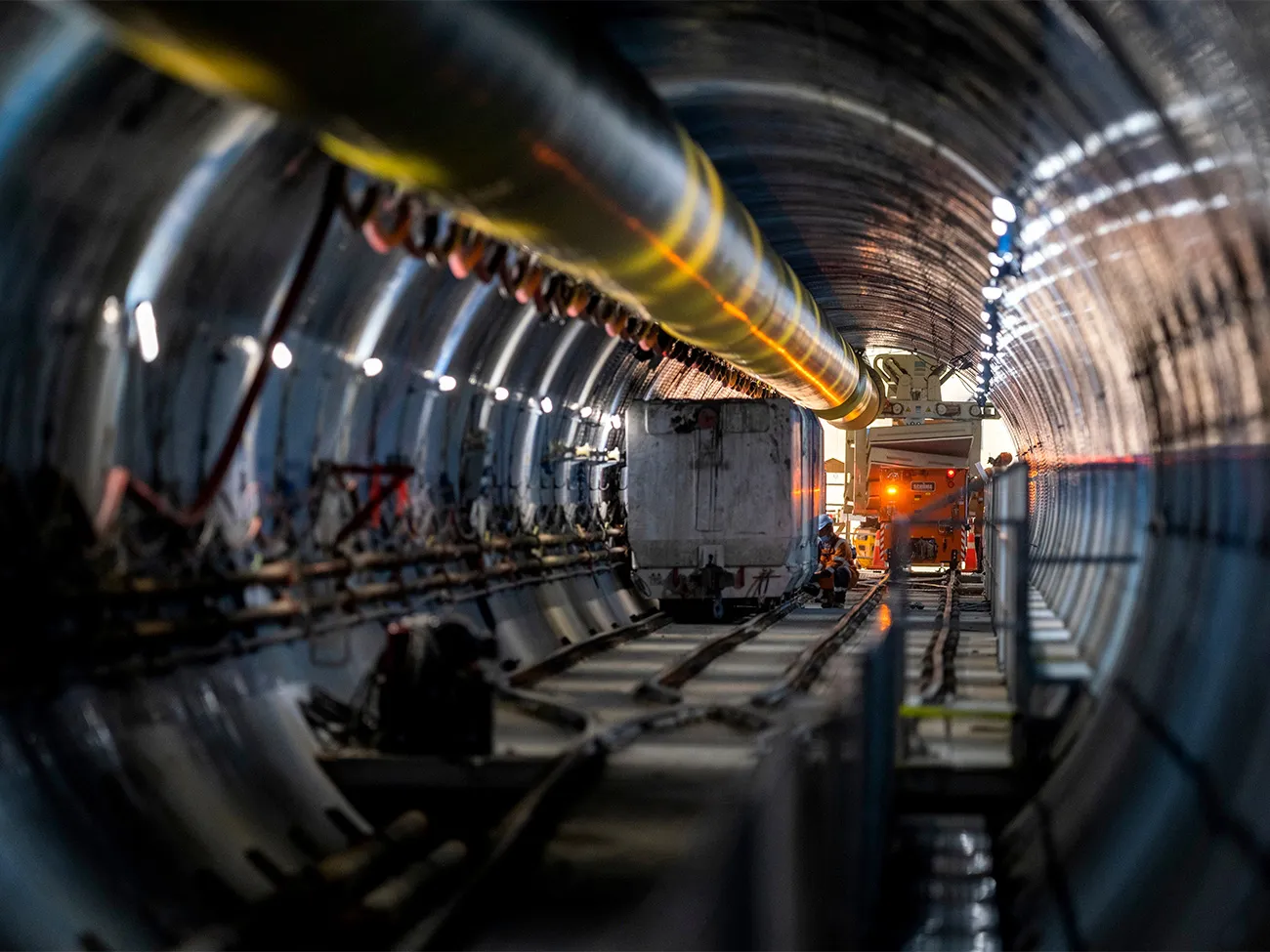
The Auckland Central Interceptor is the largest wastewater project in New Zealand’s history. This vast wastewater tunnel will transport wastewater from the west of the city to the Māngere wastewater treatment plant in the east. Commissioned by Watercare Services Ltd, the new wastewater tunnel will cost approximately NZD 1.2 billion and is due for completion in 2026. AGRU Kunststofftechnik is supplying concrete protection panels for a polyethylene lining system designed to protect the wastewater tunnel from concrete corrosion over the long term.
The Central Interceptor Tunnel has a diameter of 4.5 metres and is 14.7 kilometres long, running from Grey Lynn beneath central Auckland and Manukau Harbour to Māngere. The tunnel will be between 15 and 110 metres below ground. Together with two smaller link tunnels, the main tunnel will collect wastewater from the existing network and transport it to the Māngere wastewater treatment plant. To ensure maximum durability for this multi-billion-dollar infrastructure project, Watercare Services Ltd is having the wastewater tunnel lined with AGRU concrete protection panels.
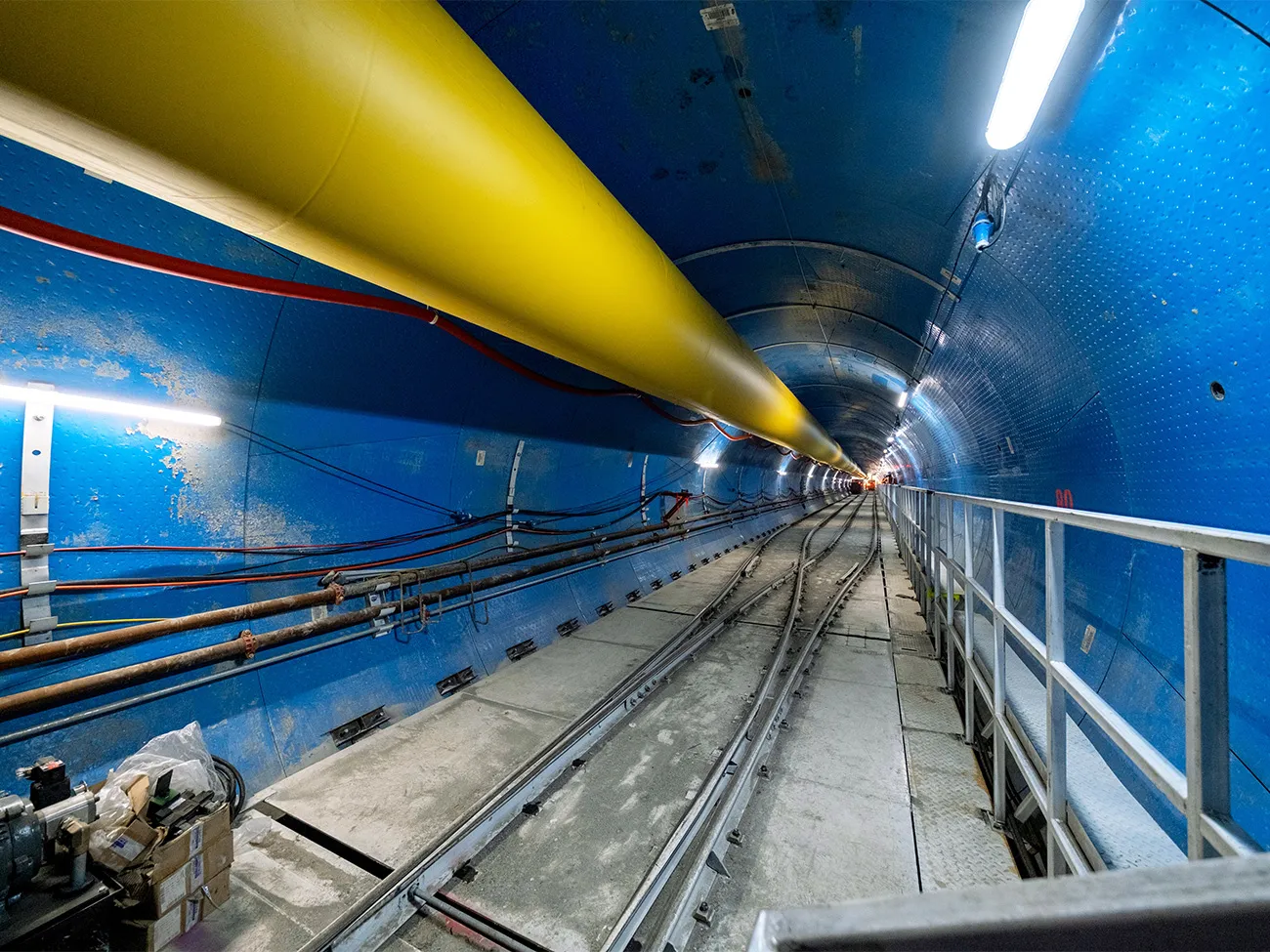
HDPE lining protects against concrete corrosion
The high-quality high-density polyethylene lining effectively prevents concrete corrosion and wear. Thanks to their 13 mm-long anchor bolts, AGRU Ultra Grip concrete protection panels offer extremely high pull-out resistance. The thermoplastic lining protects the concrete from corrosion caused by gases generated by the wastewater in the tunnel. This helps maximise the service life of the tunnel structure. To make sewer inspections and damage detection easier, the tunnel has been divided into four sections, each in a different colour. AGRU is supplying Ultra Grip concrete protection panels in a 3 mm thickness. The access shafts are lined in green, while the sewer tunnel is lined in yellow, pink, blue and grey, with the joints sealed by extrusion welding.
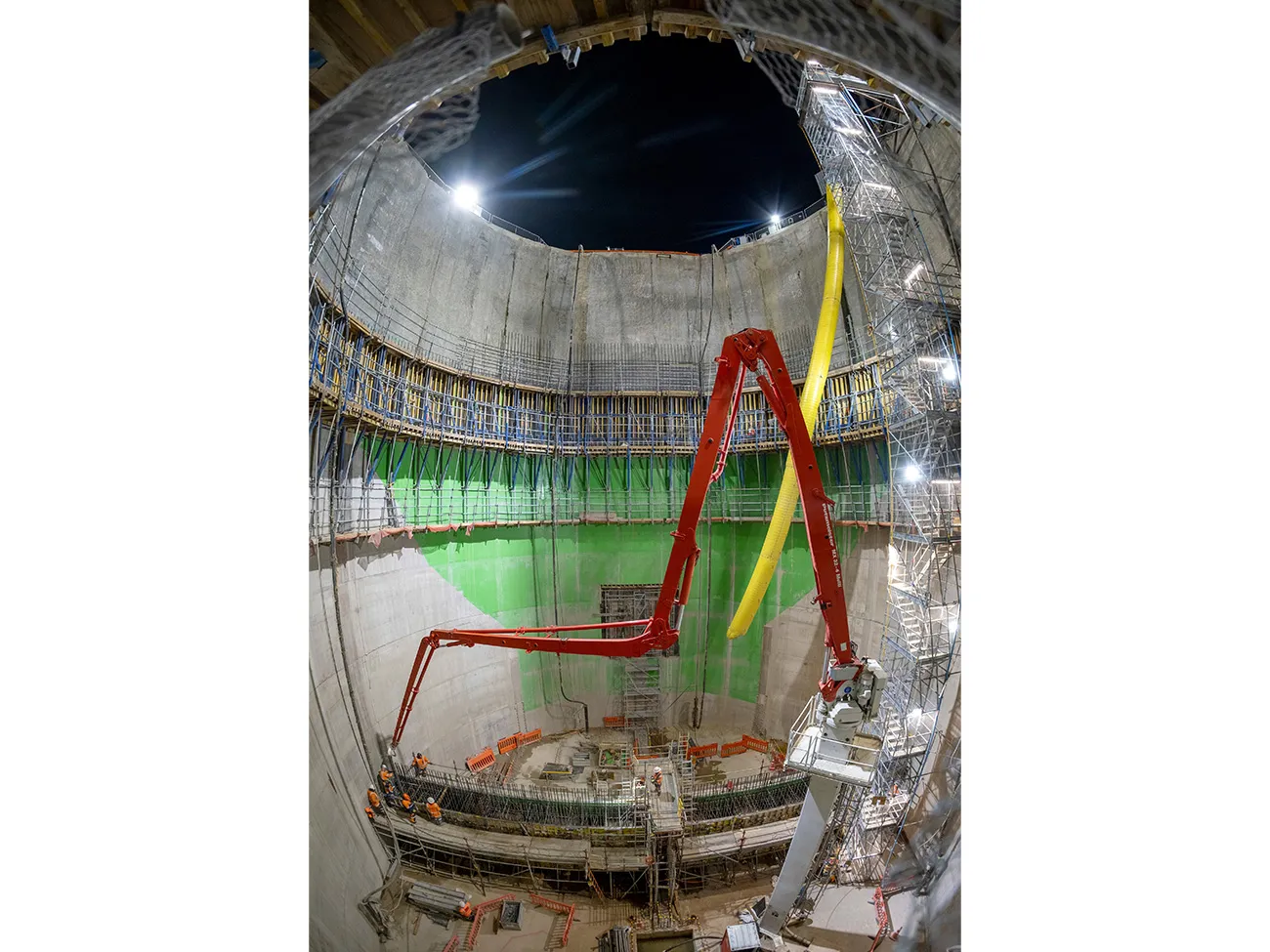
The project is intended not only to accommodate population growth in the city of 1.7 million and the resulting increase in wastewater. In older parts of central Auckland, sewage and stormwater flow through a combined sewer system. During heavy rainfall, stormwater can cause these pipes to overflow. Currently, during heavy rainfall, stormwater contaminated with faecal matter is discharged into Waitematā Harbour. The new wastewater tunnel is expected to significantly reduce these overflows.
The construction contract was signed in March 2019 with the Ghella Abergeldie Joint Venture. A 200-metre-long Herrenknecht tunnel boring machine will also be used. The completed wastewater tunnel will have a gradient of 1:1000, allowing wastewater to flow to Māngere. A total of sixteen access shafts, up to 65 metres deep, will be built for maintenance and operation. Inspection and overflow structures, as well as air treatment plants, will also be constructed as part of the project for future operation.
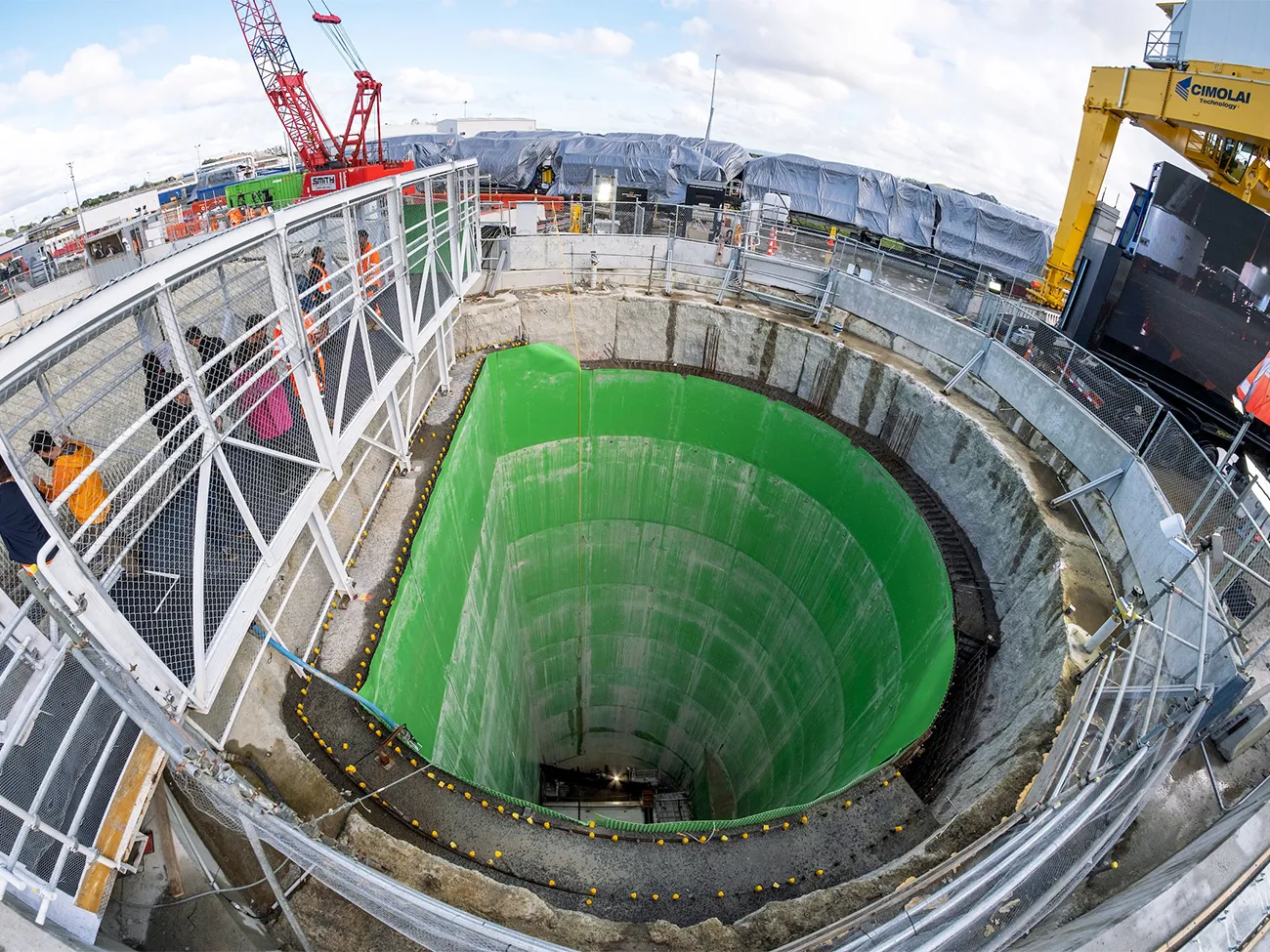
In preparation for the project, AGRU Kunststofftechnik GmbH and Agru New Zealand Ltd provided technical support for installing the lining in the shafts and tunnel. Agru New Zealand Ltd provided on-site assistance and training for the extrusion welding staff. AGRU Kunststofftechnik GmbH and Agru New Zealand Ltd coordinated the supply of approximately 210,000 m² of lining for the project and continue to do so.
Vraag over dit verhaal? Stel je vraag
Wie eraan werkte
Auckland Central Interceptor in Auckland
- levert betonbeschermingsplatenAGRU Kunststofftechnik
Blijf dit volgen
Bij een nieuw verhaal krijg je een e-mail. Geen account nodig.
- ProjectAuckland Central Interceptor
- OnderwerpSustainability & circularity
- BedrijfAGRU Kunststofftechnik