Platform on concrete and steel in construction
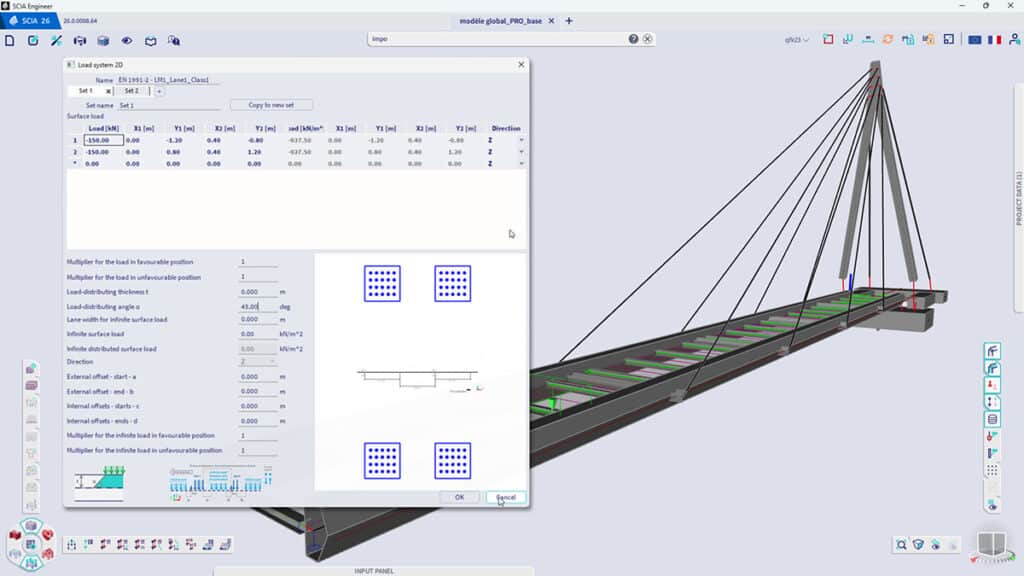
Structural design is always about judgment: deciding what is important, what is determinative and what can be reasonably simplified. What has changed is not so much what engineers should consider, but more how that work should be done.
Effects such as moving loads, human-induced vibration, torsion and warping, prestressing, and phased building behavior have long been part of structural design. In practice, however, they are often addressed with separate tools, specialized checks or parallel calculations that are outside the core analysis model.
SCIA Engineer 2026 reflects a shift toward consolidation. Rather than treating these behaviors as separate problems, the latest version of SCIA brings them together in a more cohesive way in a single analytical environment. This allows engineers to model real-world structural behavior where it matters most, while keeping workflows practical, transparent and under professional control.
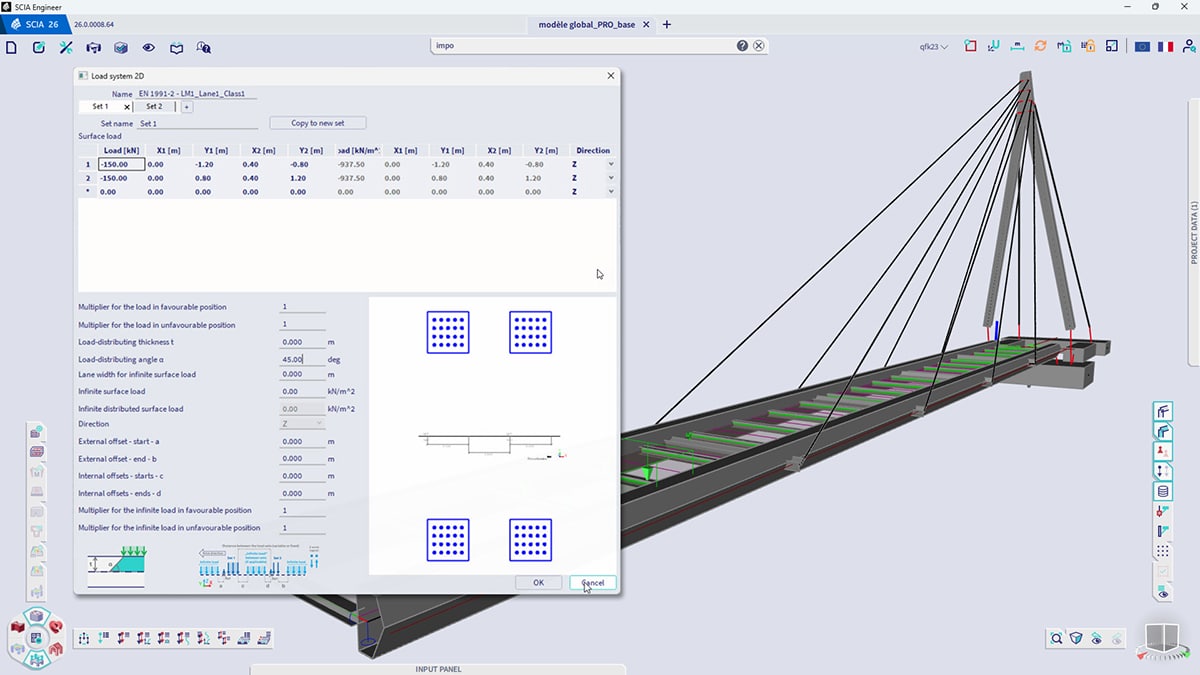
Structures subject to moving load systems - traffic, cranes or crowds - can generate a large number of potential load positions. Traditionally, engineers have solved this by simplifying limits, performing separate influence line checks, or assuming conservative assumptions outside the main analysis model.
The challenge lies not in technical understanding, but in integration. When determining load cases are identified in parallel tools or spreadsheets, the link to the global structural model becomes more difficult to verify and explain.
SCIA Engineer 2026 solves this by integrating load information directly into the core analysis workflow. Instead of manually testing numerous positions, the software automatically identifies critical scenarios using influence lines and surfaces before performing the full calculation. Engineers can focus on the cases that truly determine behavior without sacrificing analysis or post-processing.
The same principle applies to wind loads. Support for ASCE 7-22 extends automated wind generation beyond the Eurocodes, allowing pressure coefficients and surface loads to be assessed and applied within the same analytical environment.
Usability checks have long occupied an awkward position within structural design. While issues such as vibration and occupant comfort are well understood, they are often assessed late in the process or through separate calculations, when the geometry, spans and mass are already largely fixed. When issues arise at that stage, design flexibility is limited.
SCIA Engineer 2026 integrates footstep and vibration assessment into the main analysis workflow, allowing engineers to evaluate dynamic response as well as strength and stiffness from the outset. For buildings with large open spaces, lightweight or composite floors and pedestrian bridges, the software allows the acceleration, velocity and response factors due to human activity to be calculated using the same structural model already in development.
The value lies not so much in the calculation itself, but in its timing and context. By assessing comfort criteria early on, engineers can make informed adjustments to layout, spans or structural depth before problems arise in the design. Rather than treating vibration as a specialized check at the margin, SCIA Engineer 2026 supports a more integrated approach - one that balances safety, comfort and serviceability within a single analytical environment.
The result is not only efficiency, but also continuity - a single model that clearly links assumptions, actions and structural response.
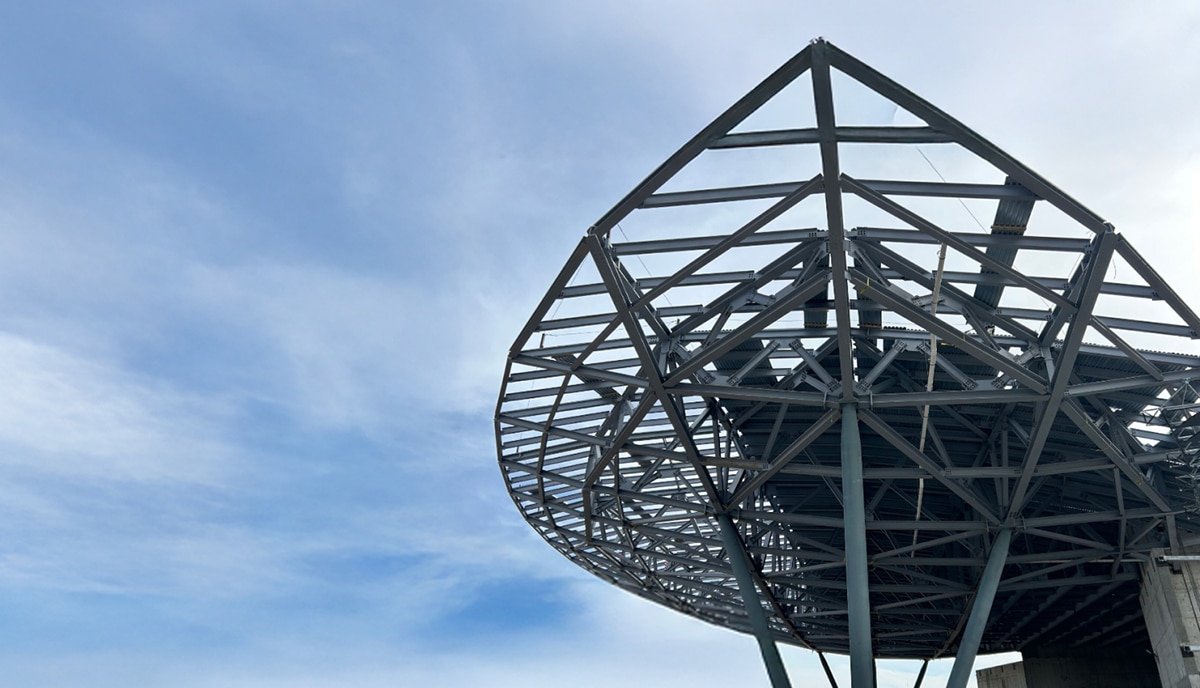
Many modern structures go beyond the assumptions of traditional beam theory. Thin-walled sections, open sections and architecturally driven geometries can produce torsional and curvature (camber) effects that are difficult to accurately represent without significantly increasing model complexity. In practice, engineers often had to choose between simplified beam models and more detailed scale-based approaches, each of which had distinct advantages and disadvantages.
SCIA Engineer 2026 introduces beam elements that account for warping behavior, allowing these effects to be captured within a familiar beam-based framework. This allows more accurate prediction of stresses and deformations for elements where torsion plays a determining role, without the need to change the modeling strategy.
By extending rather than replacing established workflows, the software provides engineers with greater analytical accuracy where it is really needed. Torsional behavior can be assessed with greater confidence, while the overall model remains manageable, transparent and consistent with daily design practice.
Many structural behaviors are determined not by the final state of a structure, but by how it is built. Phased construction, prestressing and temporary states can all affect stresses and deflections, but these effects are often addressed with various workarounds or simplifications.
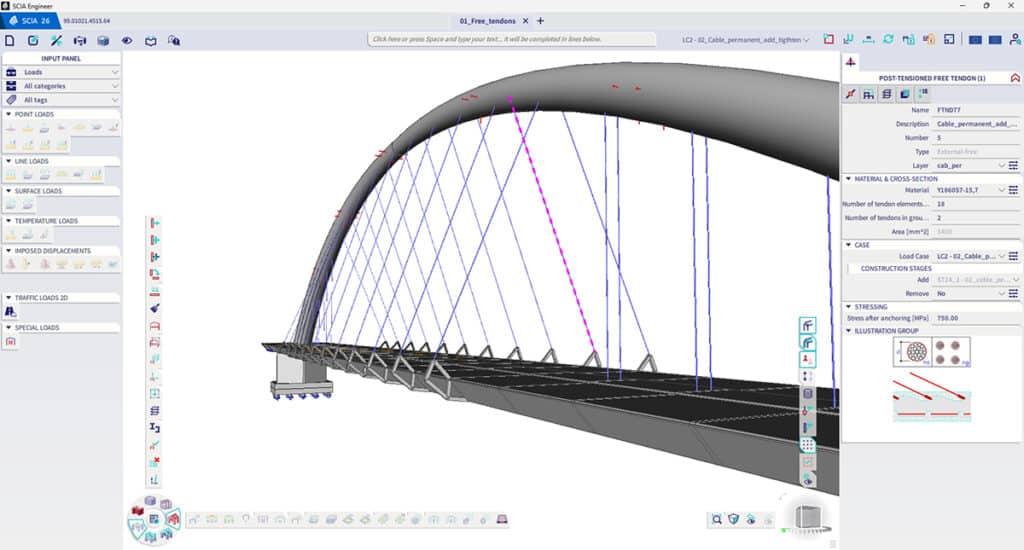
SCIA Engineer 2026 brings these considerations into the same analytical environment used for global design. External cables can be modeled in three dimensions, with support for phased construction processes such as installation, tensioning and grouting. Time-dependent effects, including prestress losses, can be assessed in context and visualized directly in the model.
By analyzing construction phases and prestressing behavior along with permanent and variable loads, engineers gain a clearer understanding of how the structure evolves over time. This reduces reliance on stand-alone calculations and supports design decisions that reflect actual construction sequences, rather than idealized end states.
Changes in design standards require preparation. Constructors need time to become familiar with the new rules, understand how they affect design outcomes, and build confidence in applying them long before they formally take effect. In practice, this often means a transition period during which both the existing and revised codes are valid.
SCIA Engineer 2026 supports this process by already providing support for second-generation Eurocode steel design, including EN 1993-1-1 and EN 1993-1-3. Crucially, this is delivered without introducing a parallel workflow. Engineers can switch between generations of standards within the same project, compare results and understand the impact of revised rules using real project models and familiar workflows. In this way, engineers are better prepared to apply the new code with confidence and consistency when it goes into effect.
SCIA Engineer 2026 reflects a broader shift in architectural practice. The challenge today is not identifying complex behaviors, but managing them coherently - without fragmenting analysis across disconnected tools or overcomplicating daily workflows.
Learn more about SCIA 2026.
Request a personal demonstration of SCIA 2026 today!
Neem dan rechtstreeks contact op met ALLPLAN GmbH.
 Contact opnemen
Maximize your productivity in precast planning ALLPLAN offers powerful tools for the special requirements of the precast industry. ALLPLAN enables you to easily design walls, floors and structural precast elements such as stairs or columns very efficiently and accurately. You can switch between 2D and 3D working methods at will, because the plans and the [...]
Bekijk Bedrijfsprofiel