Platform on concrete and steel in construction
How specialty became structure
At the end of 2025, we celebrated Liemar's 40th anniversary. A milestone of which we are naturally proud and which we will not let pass by quietly. Therefore, in the coming months we will look back on the growth and development of our fine company in a series of articles. In this second article, we look at the second decade, in which Liemar laid the foundation for success.
In the previous article, we saw how Liemar found its direction in steel construction. The choice had been made: not a broad software supplier, but a specialist in a project-based sector. The second decade was all about working it out. How do you translate a conviction into a system that provides daily support? How do you ensure that specialism does not remain a promise, but becomes a workable reality?
Years eleven through twenty was the period in which Liemar built a strong foundation. With new people, clear choices and an increasingly close relationship with the practice.
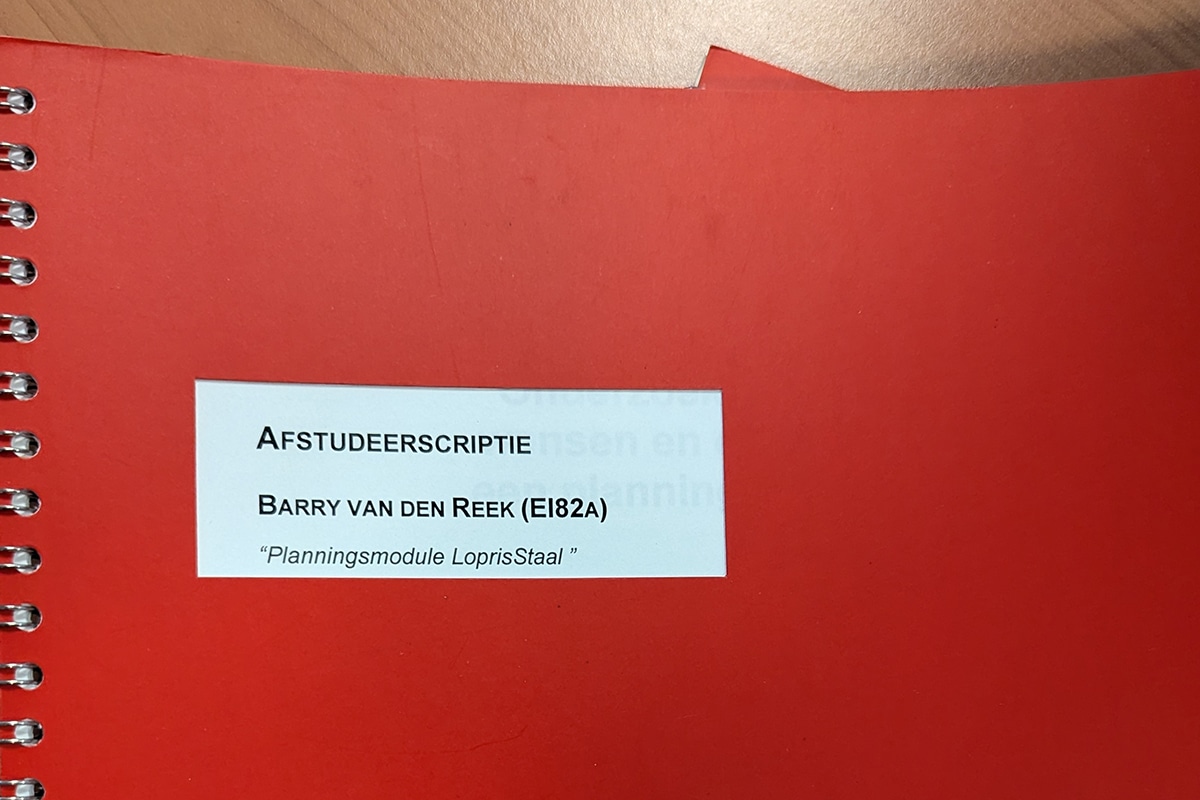
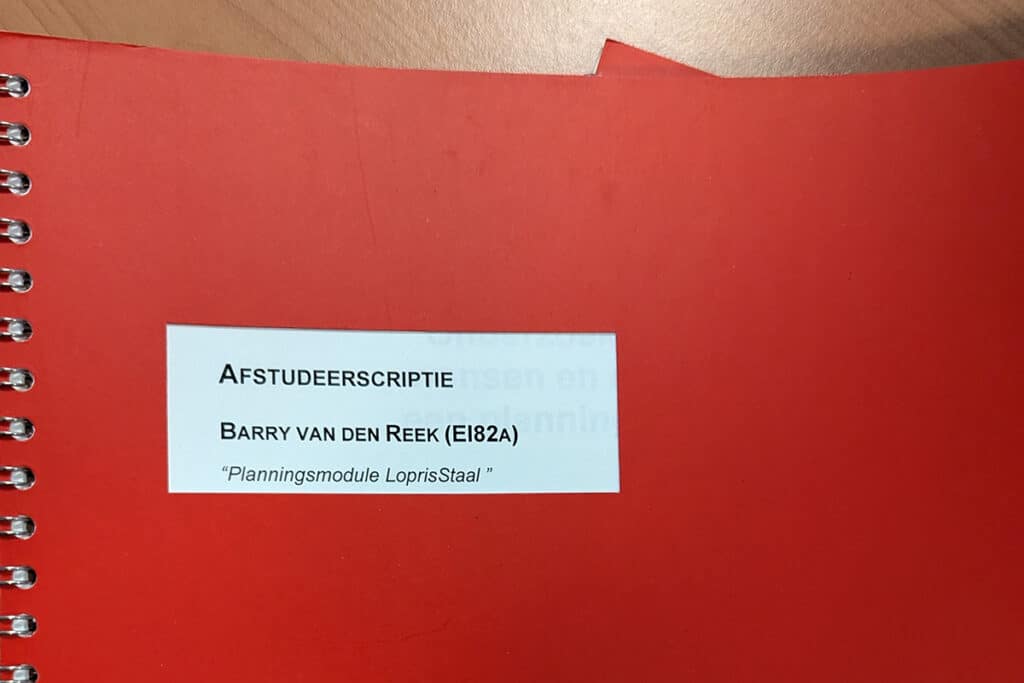
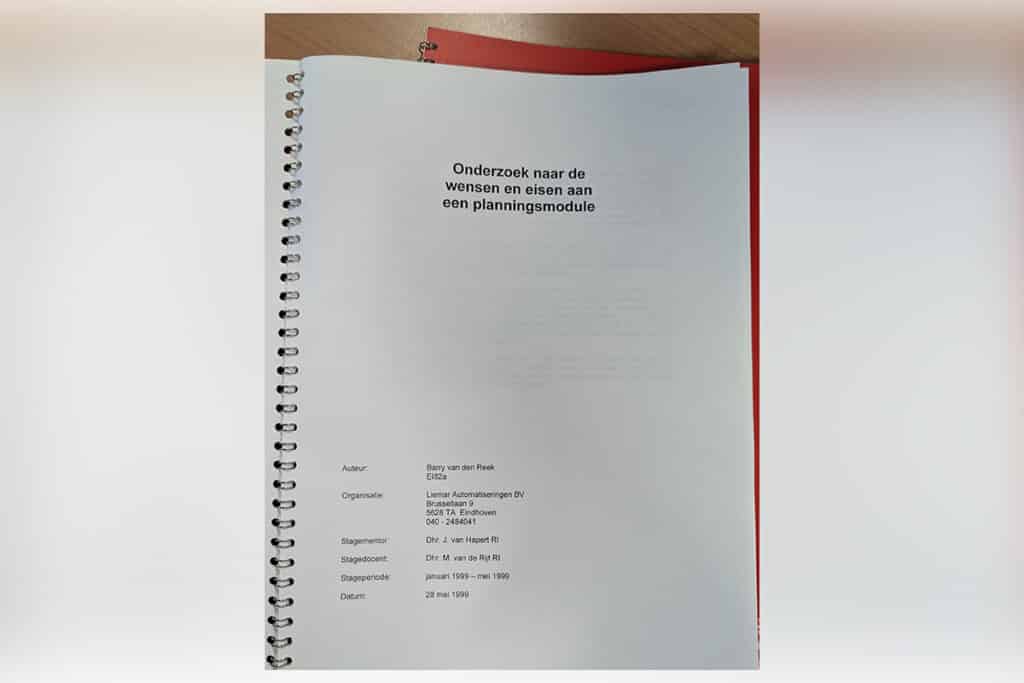
In the second decade, Barry van den Reek started at Liemar. It started with a graduate internship in 1999. Who could have thought that it would result in a career of (so far) 27 years? And how important his vision would become for the company?
Barry's graduation project revolved around planning. A subject that determines daily dynamics in steel construction companies. Because anyone who works with projects, varying capacities and tight deadlines knows how quickly overview can disappear.
Barry chose not just to analyze, but mostly to listen. He visited steel fabricators across the country with one question: how do you plan? From those conversations the first planning module emerged. Not a theoretical model, but a translation of what was actually needed in practice. That module still forms a stable basis under the current system.
Although the choice was made in the first decade to become a specialist in the project-based sector, Liemar was still working on solutions for several industries during these years. But each time it turned out the same: the connection was never complete. The system worked, but did not fully touch the core of the process.
Jan van Hapert had a study of the steel construction market conducted by TU/e. They examined the size of the market, what software was already available and where the needs lay. The report showed what Jan already suspected: the steel construction industry was an opportunity for Liemar. There was no comprehensive industry solution yet. A package that supported steel builders from calculation and quotation, through execution on the shop floor to invoicing. Liemar took the decision to invest in in-house software development.
Focusing exclusively on steel construction created a better match with users. Not only technically, but also in terms of content. The package began to reflect the dynamics of the industry.
During this period, Liemar welcomed new steel construction companies that are still customers today. They experienced the first versions, grew with the system and continued to invest in further professionalization. That long-term partnership is perhaps the most tangible confirmation of the course chosen then.
In the second decade, it became clear that grip in steel construction is not only in registration, but especially in structure. Projects consist of numerous sub-activities. If everything requires attention at the same time, unrest is created. By breaking down activities, organizing them logically and handling them consistently, you can regain peace of mind in the execution.
Planning thus became more than a functionality. It became a way of working. Not by excluding flexibility, but by enabling it within clear frameworks. In that development, another important insight emerged: change requires more than just software, it requires behavioral change. Working with Liemar therefore means that steel fabricators have to be willing to look at their own process differently.
In the years that followed, the system was developed further and further based on practical experience. Every steel fabricator works just a little differently, every organization has its own emphases. Still, not every wish was automatically translated into new functionality. A recurring question was: why do you do it this way?
If a wish was shared more widely and fitted in with Liemar's vision of project-based work, it was included in the development. Existing modules were also examined critically on a regular basis. Could something be cleaned up? How do we keep the package clear?
During this period, dashboards and overviews also took on a more important role. One example is the project cost dashboard: a screen that combines project costs, overhead and hours. This is not the simplest screen in the package, but those who can read it have insight. And insight is still the basis of grip.
In the following article, we look back at Liemar's third decade, a memorable Steel Construction Day and the very first Liemar beer.
Neem dan rechtstreeks contact op met Liemar Software BV.
 Contact opnemen
Since its founding in 1985, Liemar has offered business and ERP solutions for project-based companies in steel and metal construction. Our mission is to optimize your company and processes as a partner and to create more insight together. This leads to more peace and efficiency, both for the entrepreneur and employees. With the 'New Return [...]
Bekijk Bedrijfsprofiel