Platform on concrete and steel in construction
I've been catching myself doing this for years: I look forward to something and when the time comes, I think: was that it? In third grade, I watched the eighth-grade final musical with admiration. Cool boys and girls, confident on stage. I wanted to be there too. When it was finally my turn, it turned out to be less grand and compelling. The preparation was amateurish, the stage was held together with duct tape, and the applause lasted only a moment, after which the hall emptied and the magic disappeared. Was that it (or: what was that)?
Since then, that pattern has stubbornly repeated itself. After graduating from HTS Civil Engineering, I entered the world of railways with a clear idea of how things should be done. The harsh reality? Makeshift project preparation, Excel as a lifeline, and deadlines that expire before they even make it onto paper. Two constant factors: my surprise at how we organize things and the fact that I had imagined it differently.
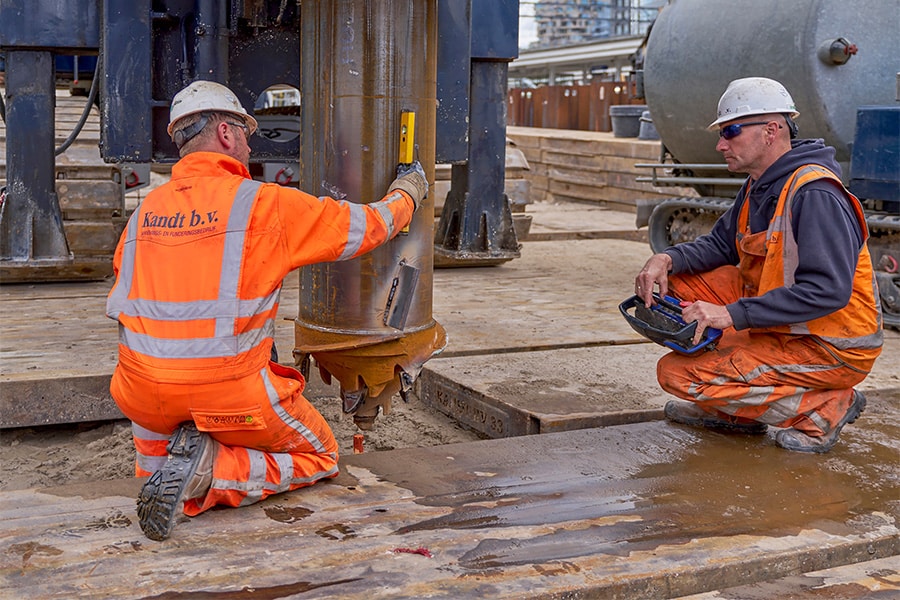
What has actually changed since grade 3? Not much. We wear our helmets and safety shoes properly, know each other's qualities, and have a meeting culture that even the Romans would envy. The Netherlands is quite organized when it comes to construction, as long as you don't look too closely. But physics remains the ultimate boss. Concrete and steel don't care about policy documents or boardroom discussions. They don't listen to directors, but to gravity, tension, and pressure. To get them into place, you still need big machines and skilled workers: men and—fortunately—increasingly women who don't shy away from bad weather, tight schedules, or yet another logical adjustment because it's possible.
Meanwhile, we pretend we have everything under control. We simulate, model, and talk about AI as if it were a religion. The software can do everything—except decide what is right. Projects must be completed yesterday, budgets are on a diet, and mistakes are repeated with military discipline. We are accelerating, but it doesn't feel like we are moving forward. Perhaps we should be more honest about that. Not everything can be automated. You can't render a bridge, and load-bearing capacity is more than just a parameter in a model. The next breakthrough in construction is not a new app, but something much more fundamental: (learning to) understand each other.
So: speak up if you don't understand something. Raise the alarm if something feels wrong. Be honest, even if it's uncomfortable. Especially then. The biggest failure costs are not in the concrete, but in our behavior. Perhaps that's the lesson: we don't need to build faster, but to support what we build better. With more attention than urgency and more craftsmanship than dashboards.
Back to construction: concrete and steel don't lie. They do what they can, as long as we treat them well. They require time, attention, and precision. These are things that cannot be rushed, no matter how many algorithms we throw at them. Maybe it's all not that big of a deal. And maybe that's exactly the point. Concrete and steel are strong enough. Now it's up to us.