Platform on concrete and steel in construction
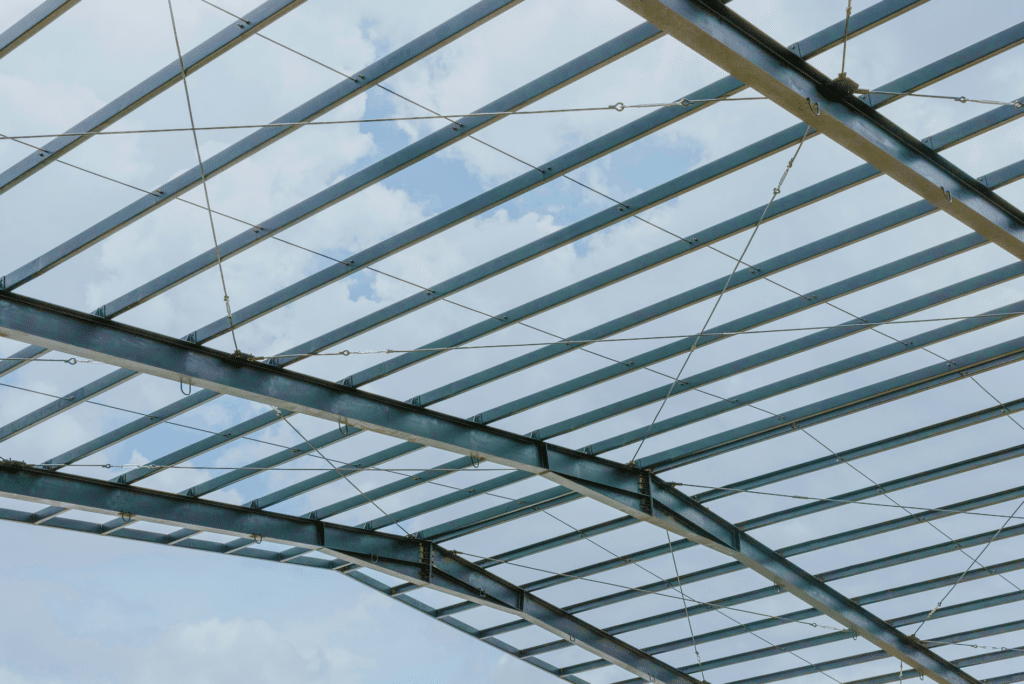
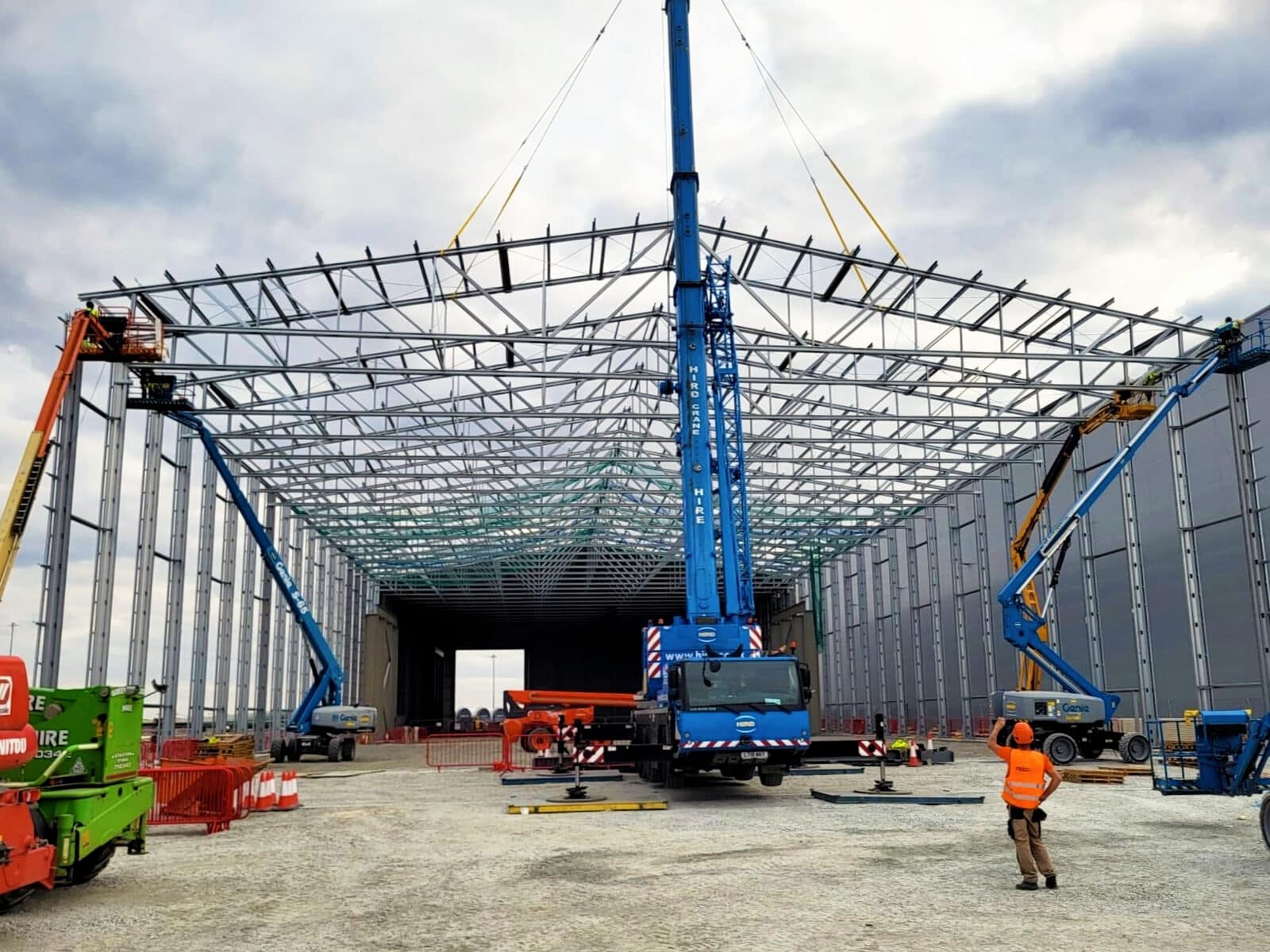
Steel construction, by definition, is project-based. No serial production, but unique constructions with specific requirements, varying material prices and tight schedules. Calculation, engineering, work preparation, production and assembly are inextricably linked. A small change in the design phase can have major consequences for purchasing, machining times or assembly planning. It is precisely in this interdependence that the complexity lies. And that is precisely where the difference between overview and fragmentation arises.
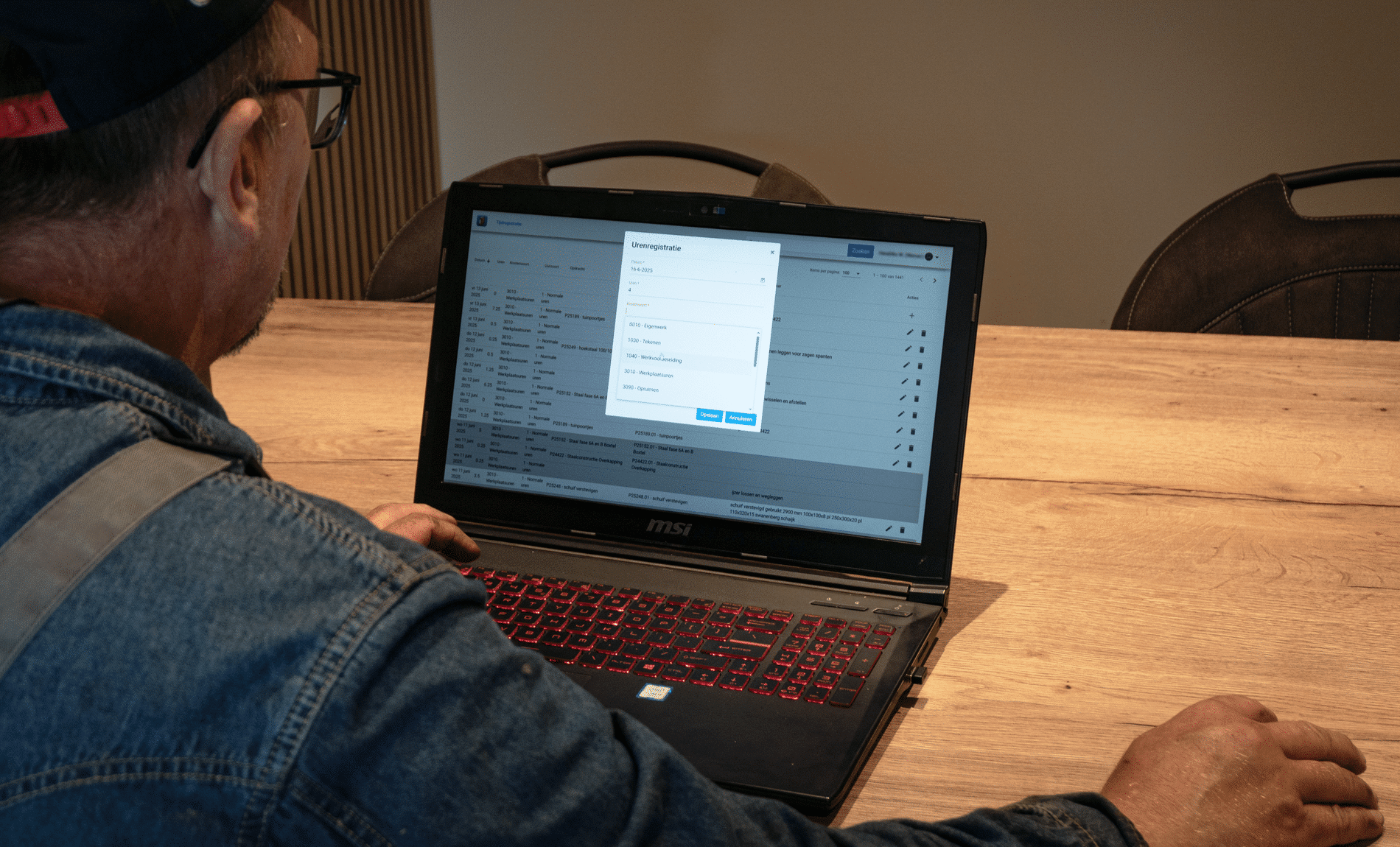
In many steel construction companies, processes have grown historically. Calculations are built up in spreadsheets, work preparation works with separate files, production records hours in a separate system, and project monitoring is done after the fact. The information is present, but not always connected. This makes it difficult to get answers to essential questions during the project such as:
- What is the current cost of this project?
- How do the actual hours compare to the budget?
- What impact does a change have on materials and scheduling?
- Where do anomalies arise in margin?
Grip on steel construction projects occurs when this information is not separate, but comes together in one integrated ERP system.
An integrated ERP system in steel construction means that all core processes operate within one environment and use the same data. Information is recorded once and then reused in the following process steps. The calculation is the starting point. Material types, operations, hourly rates and markups are structured. Once a project becomes an order, this estimate immediately forms the basis for work preparation, purchasing and planning. There is no transfer via separate files or manual re-entry.
When changes occur during execution, which in steel construction is the rule rather than the exception, they remain traceable within the same system. More and less work is linked to the project and directly affects the current cost overview. This creates a central data flow from quotation to subsequent calculation. Thereby, the system is not a collection of separate modules that must be purchased separately, but one coherent environment in which all core processes are linked by default.
In steel construction, estimation directly affects production. The chosen profiles, plate thicknesses, connections and operations determine not only the cost price, but also the workload of the workshop. When calculation and work preparation work within the same ERP system, this relationship becomes transparent. Work preparation builds on the principles from the calculation and material requirements can be automatically translated into purchasing proposals. Operations match the available capacity. This prevents differences between what is budgeted and what is actually produced.
Time tracking also plays a crucial role in this. Linking actual hours per project and operation back to the system provides insight into deviations. Are certain operations structurally more time-consuming than budgeted? Then the calculation method can be adjusted accordingly. In this way, post calculation does not become an administrative closure, but a management tool.
In steel construction, margins are determined not only when the quote is issued, but throughout the project. Material prices fluctuate. Deliveries may delay. Design changes require adjustments. Without up-to-date insight into costs and progress, it is difficult to make timely adjustments.
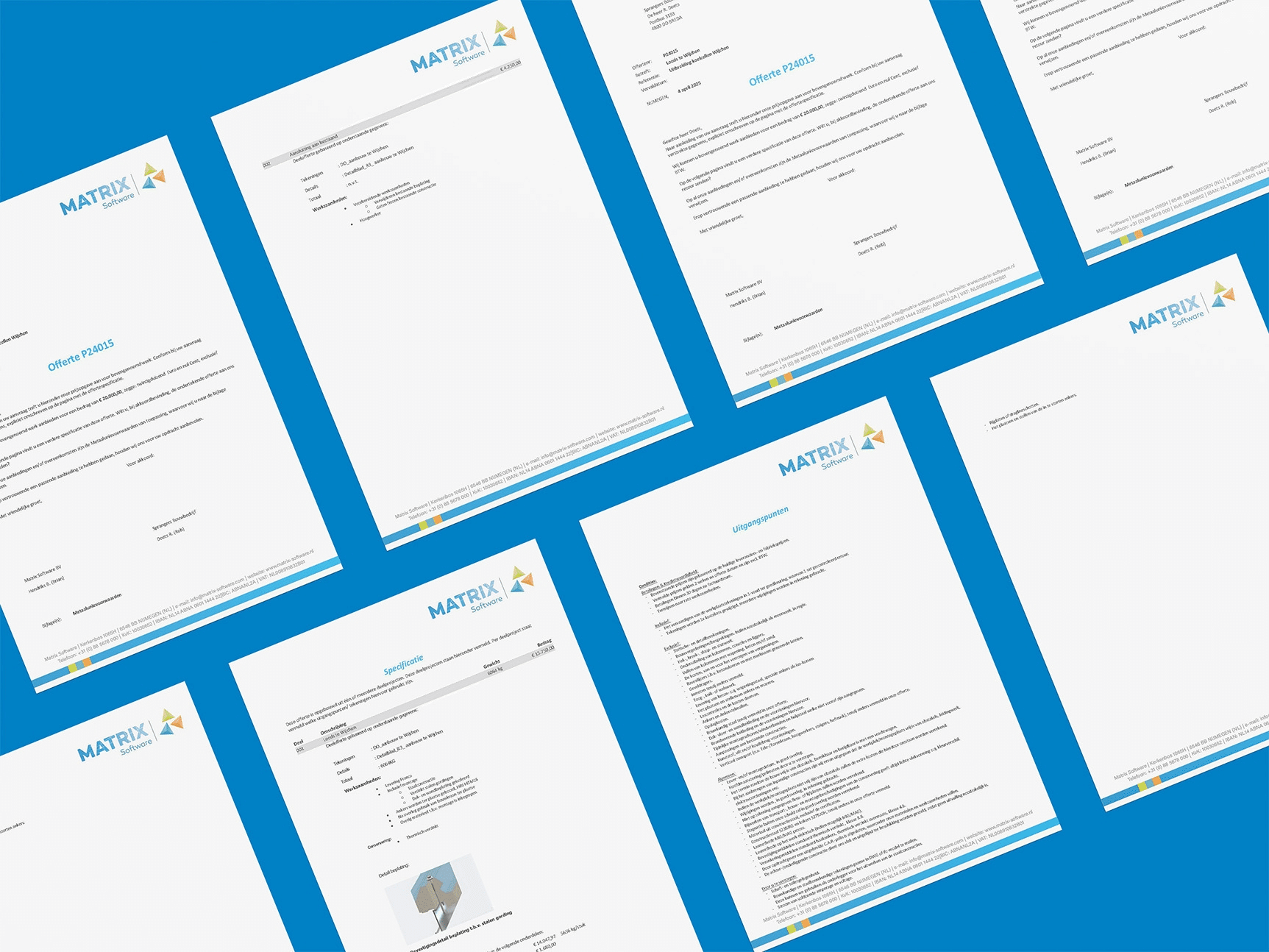
An integrated ERP system provides project monitoring based on current data. Budgeted costs, actual costs and remaining commitments are put side by side. This provides a realistic picture of the expected final margin, not only in retrospect but during the project. Thanks to extensive analysis capabilities, deviations can not only be identified but also explained in terms of content. This makes adjustments concrete and well-founded. For project leaders and management this means:
- insight into progress and costs per project;
- substantiation of decisions around changes;
- better control of more and less work;
- timely identification of discrepancies.
Grip thus becomes concrete and measurable.
An important advantage of one central project environment is that departments no longer have to rely on separate transfers. Calculation, work preparation, purchasing and production work with the same source of information. This ensures:
- less double entry;
- fewer differences in interpretation;
- better internal communication;
- higher reliability of project data.
For steel construction companies that are growing or undertaking multiple projects in parallel, this is becoming increasingly important. As the organization becomes more complex, the need for structure and transparency increases. An integrated ERP system supports that scalability without adding weight to the organization.
The real added value of integration lies in the predictability it provides. Structural insight into deviations between budget and realization creates a learning organization. Calculations become more realistic, hourly rates are better substantiated, processing standards are tightened and project risks are better assessed. This translates directly into more reliable quotations and more stable margins. In a market where competition is fierce and price pressure remains, it is precisely this predictability that makes the difference.
The implementation of an integrated ERP system is therefore not a purely technical step, but an organizational choice. It requires unambiguous working methods, clear definition of starting points and discipline in data use. A successful implementation also requires guidance from specialists who understand steel construction practice and can translate processes into a workable system design. When that basis is in order, a solid foundation is created under each subsequent phase of the project. Technology then supports not only the administration, but the entire operation.
Grip on steel construction projects is not created by working harder, but by connecting information logically. When calculation, work preparation, production and project monitoring work together within one integrated ERP system, overview is created instead of fragmentation. Project information remains consistent, deviations become visible, and decisions can be made based on current data. For steel construction companies, this means more control over projects, better substantiation of quotations and, above all, more certainty about the final margin. This is not an IT issue, but a strategic choice for structural control of the project process.
Neem dan rechtstreeks contact op met Matrix Software.
 Contact opnemen
Matrix Software is an independent Dutch software house specializing in construction automation. We provide software and services to structural engineers, concrete plants, steel builders and frame manufacturers. With 43 employees we develop, sell, deliver and support our automation solutions. We do this from offices in Nijmegen and Winterswijk and Vilnius (Lithuania). Since 1983, we have focused on specialized business [...]
Bekijk Bedrijfsprofiel