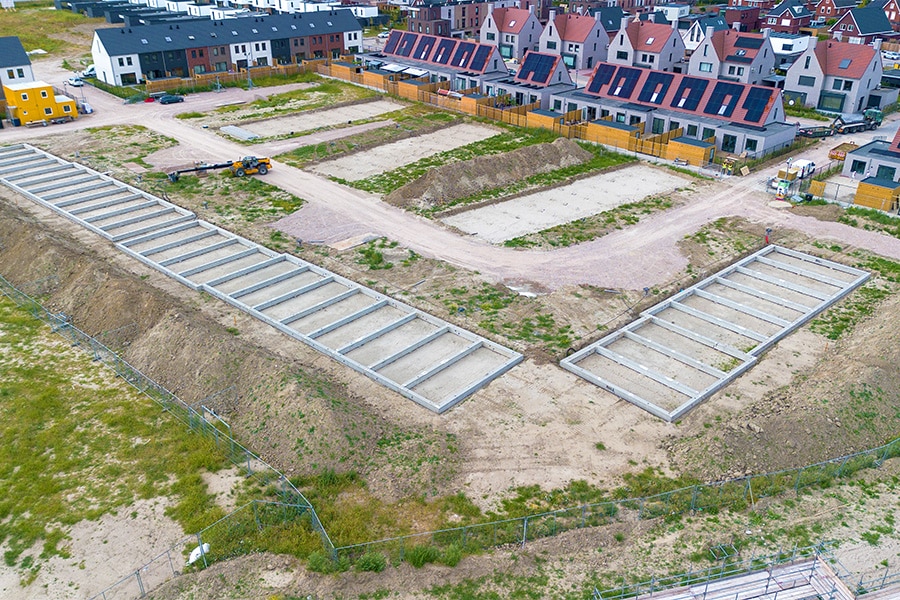
Platform on concrete and steel in construction
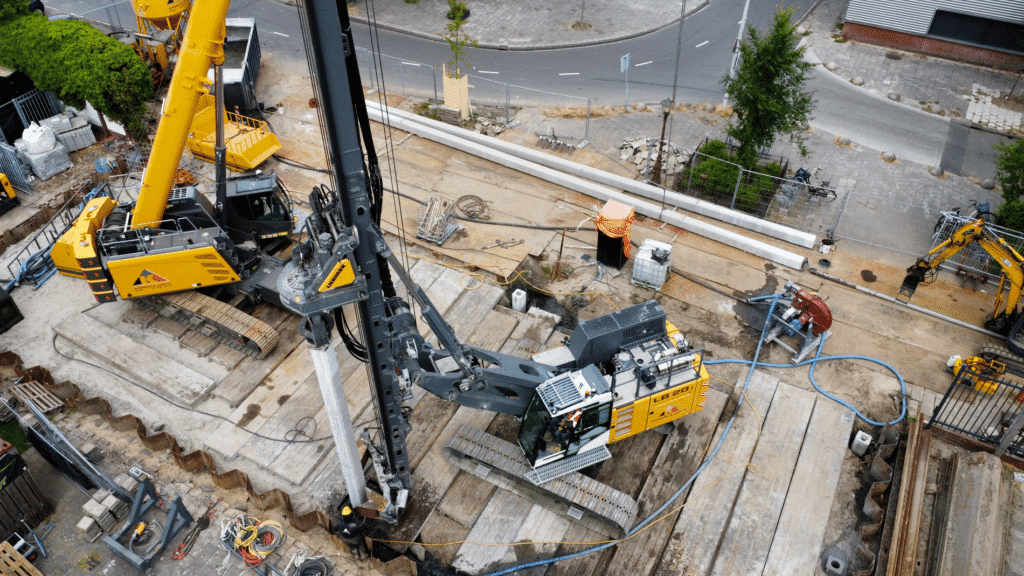
Pile driving is still associated with the rhythmic thud of pile-driving equipment on a construction site. But in cramped inner cities or near vibration-sensitive nature, that noise is increasingly undesirable, to say the least, or not allowed. Heibedrijf M. Kool from Wilnis saw the problem years ago and developed the HPS®-pile: a hollow prestressed pile that is screwed into the ground. “It is the rock-solid quality of precast prestressed concrete, but without the inconvenience,” states director Martin Kool.
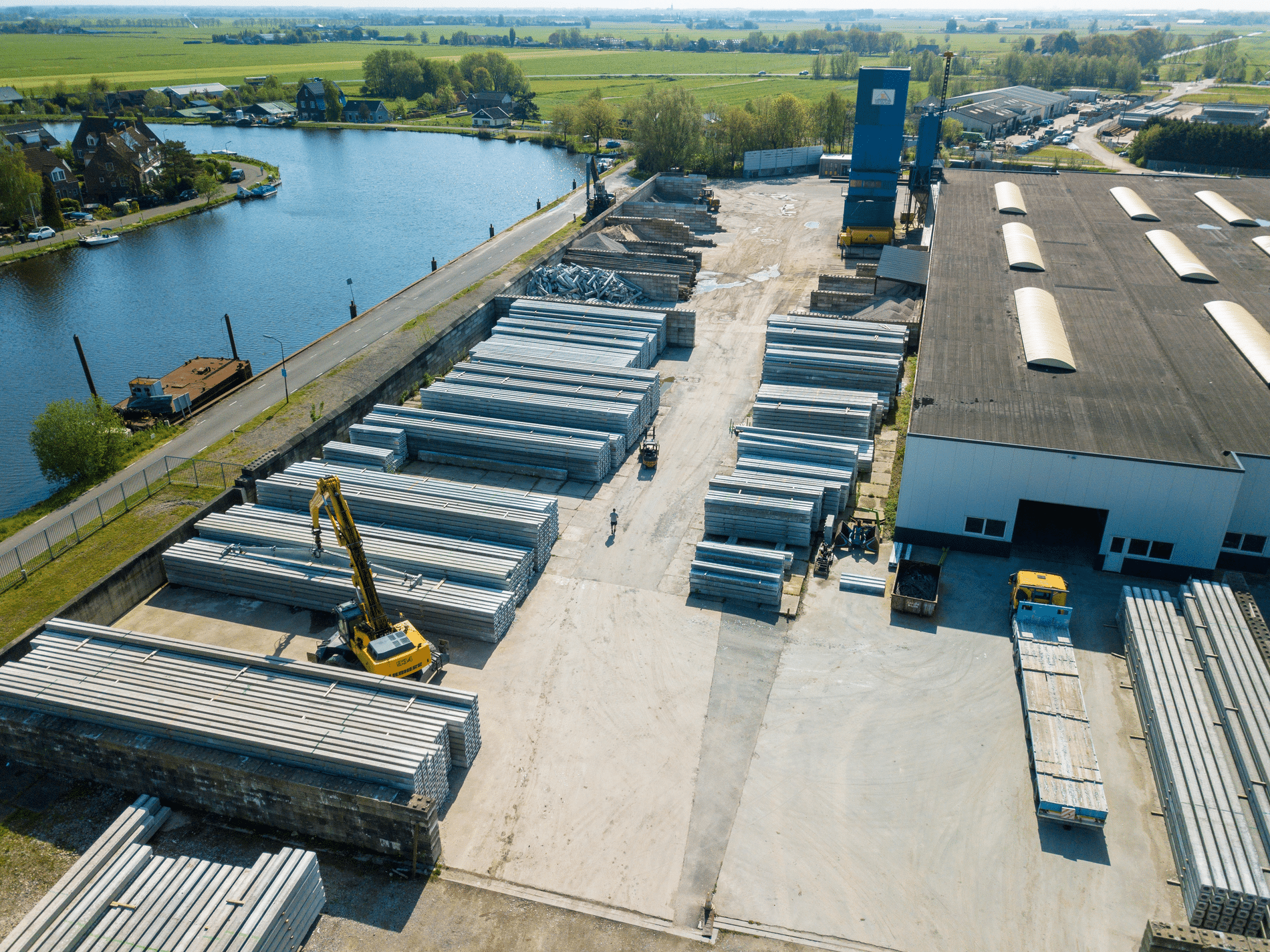
In the Dutch polder, the subsurface is often a challenge. Soft peat layers and high groundwater levels make piles formed in the ground vulnerable to leaching, while traditional pile driving in built-up areas simply causes too much inconvenience. Martin Kool, who took over from his father in 2007, decided that things had to be done differently. The solution appeared to lie in a hybrid form: the security of a factory-controlled precast pile, combined with vibration-free screw technology.
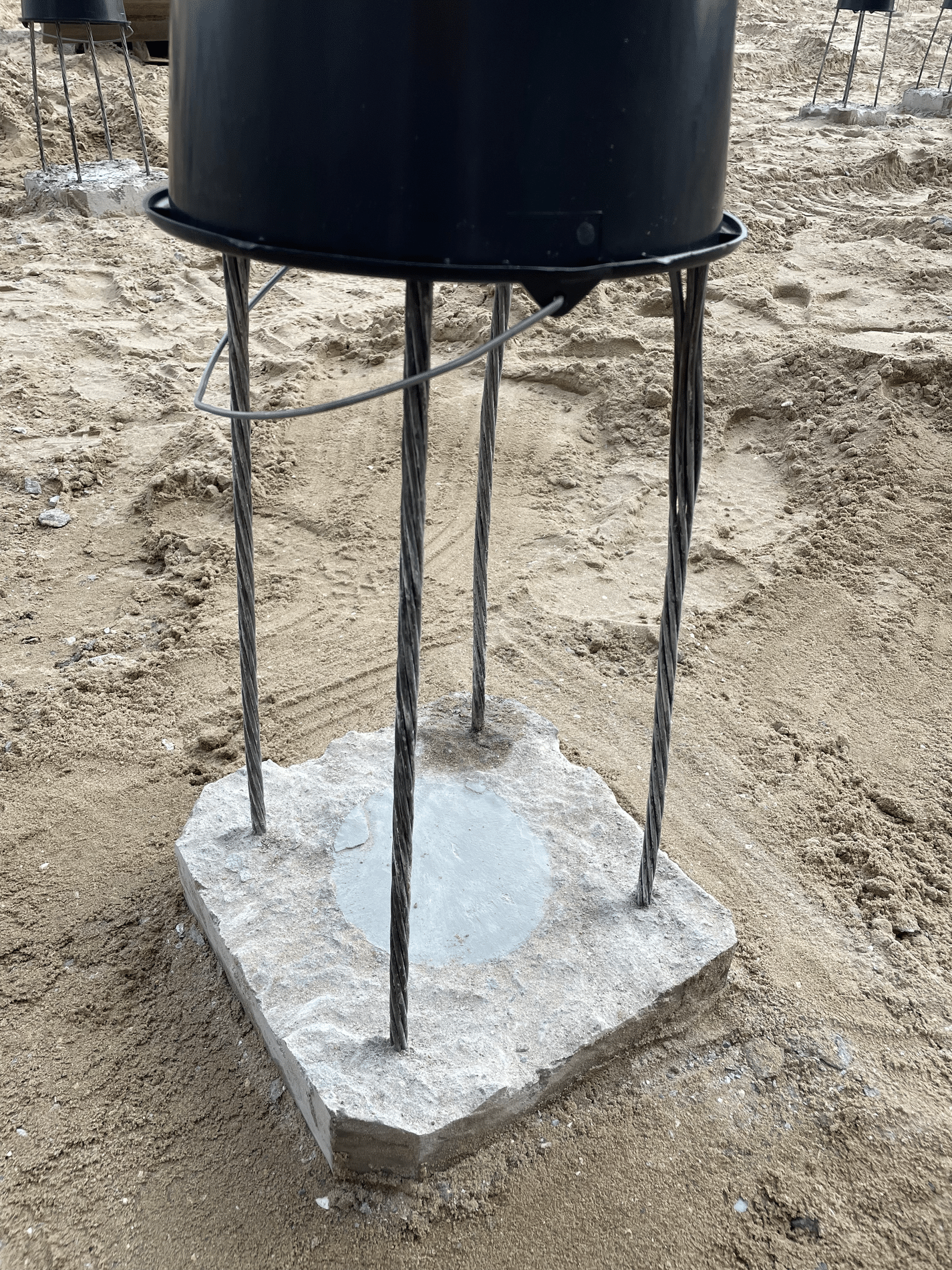
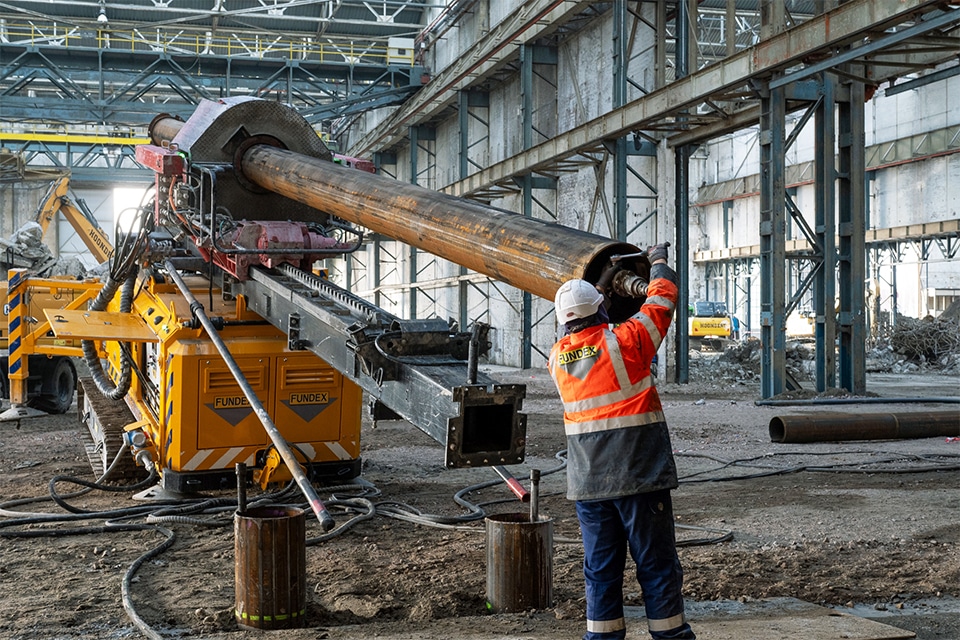
Most striking about the HPS pile is that it is hollow. This is not an accident or just a saving on concrete; the hollow is the linchpin in the installation process. During drilling, a steel drive shaft is inserted through the pile that directly drives the drill head at the bottom. As a result, the concrete shaft itself is hardly stressed during the screw-in process. “With this, you get vibration-free and low-noise pile foundations without compromising on the quality you can get with conventional in-ground piles,” Kool explains. “Because the pile is square and rotates, it creates space that is immediately filled with an injection mixture of grout. This ensures an optimal connection to the surrounding soil and a guaranteed load-bearing capacity. Since last year, the system has been NCS7201_2025 NEN certified.”
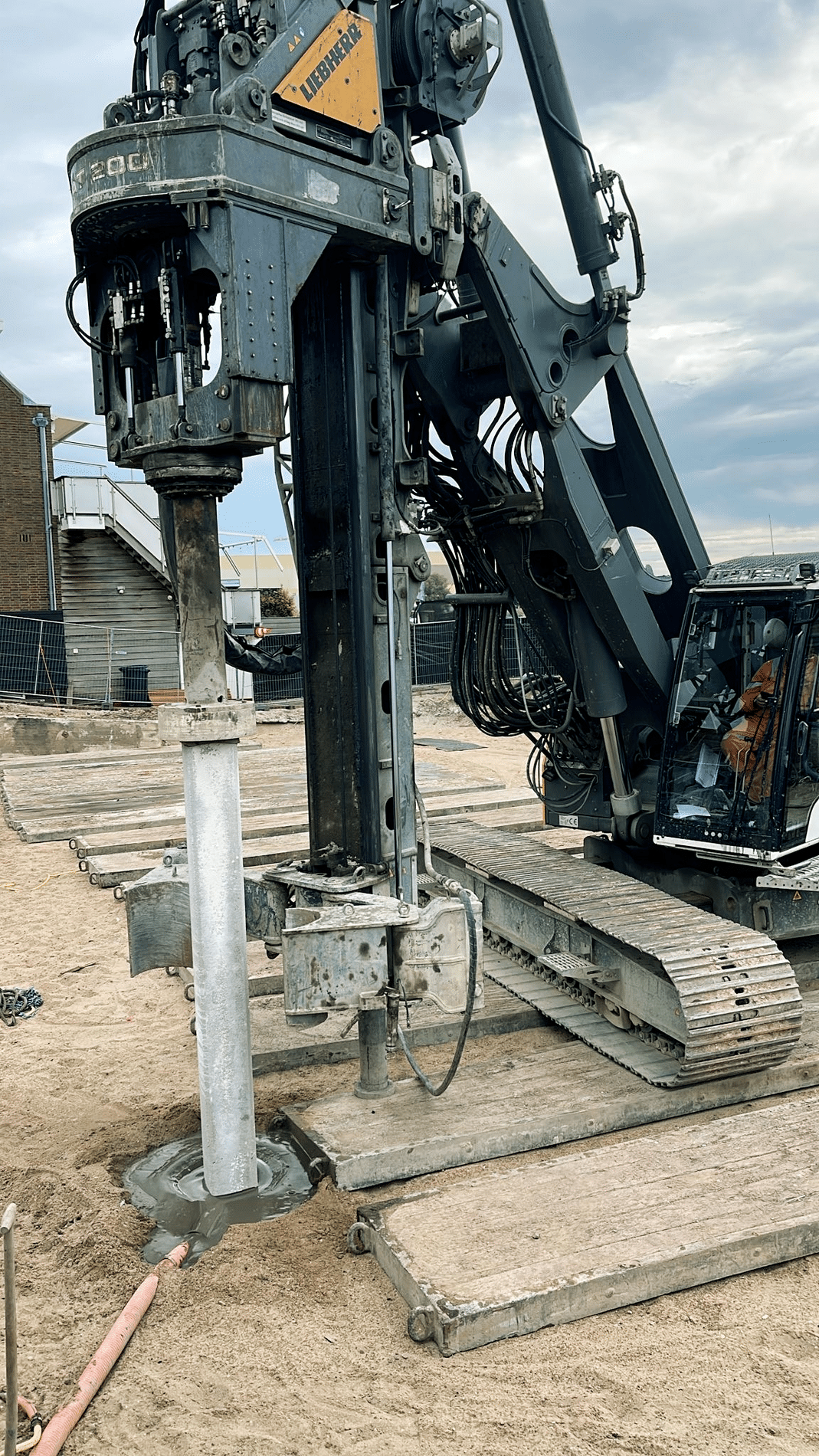
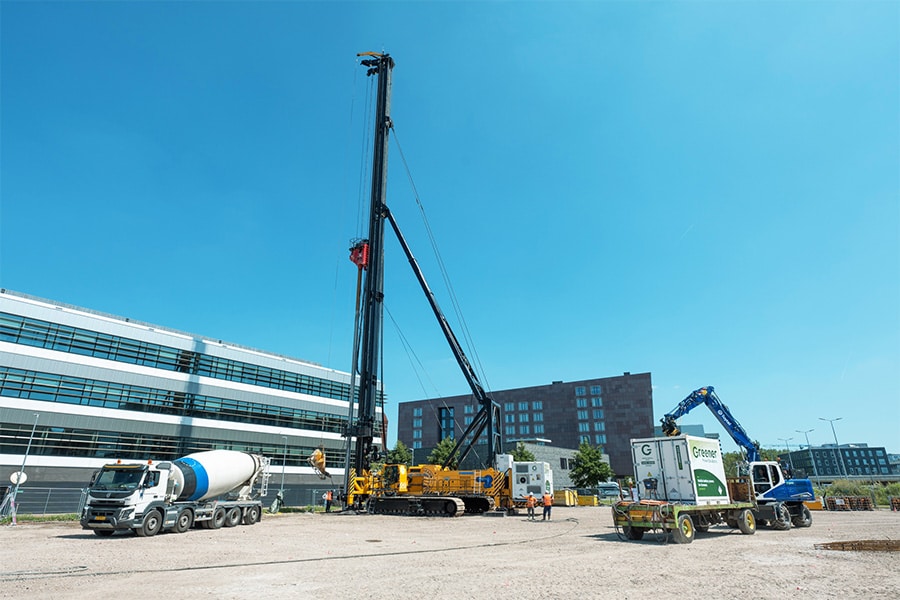
The market has now embraced the innovation. This is evident from the various projects where the ‘silent pile’ is being deployed. Last summer in Amsterdam, between the densely built Pieter de Hoochstraat and Hobbemakade, two hundred piles over 22 meters long were driven vibration-free into the ground for a new lyceum. A logistical and technical jigsaw puzzle that would have been unthinkable with traditional equipment. But the nitrogen issue also plays into the hands of the system. During the construction of a sludge-processing plant in Ede, right next to the Veluwe, the method was combined with electric equipment. Kool: “This enabled us to move the contractor forward close to the Veluwe nature with little noise, no vibration and within emission standards.”
In addition to reducing environmental nuisance, the hollow screw pile scores high on the sustainability ladder. The hollow shape simply means less concrete is used, which directly reduces the carbon footprint. In addition, the piles are lighter, so more pieces fit on one truck. “Count your winnings,” Kool says soberly. The technology, which is now used by several licensees, proves that innovation in the foundation world does not always have to come from the computer, but often arises by looking closely at practice. With the HPS pile, the foundation market has a new trump card in its hands that helps the construction industry to go into the ground certified even in the most difficult locations.