Platform on concrete and steel in construction
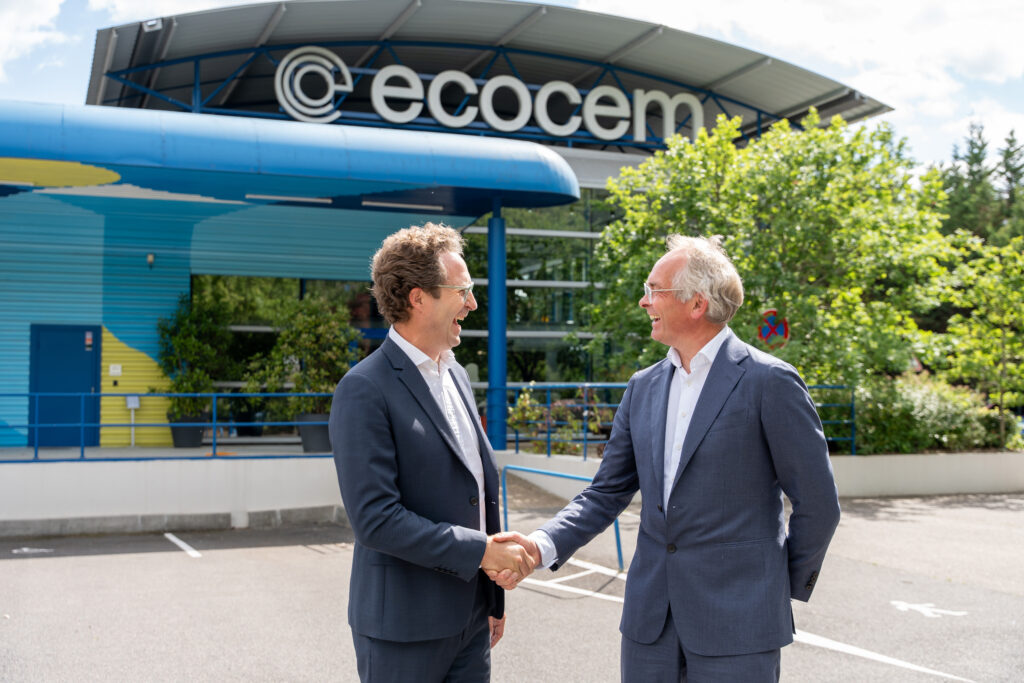
Ecocem has signed a Memorandum of Understanding (MoU) with Tata Steel IJmuiden to strengthen cooperation on the development and potential use of next-generation steel slag in low-carbon cement, mortar and concrete across Europe.
Building on an existing collaboration, in addition to the further development of Electric Arc Furnace (EAF) slug, the use of Basic Oxygen Furnace (BOF) slug explore as a new Supplementary Cementitious Material (SCM).
This agreement marks an important step in our efforts to reduce emissions from cement production by using low-carbon, circular materials instead of clinker, the most carbon-intensive ingredient in cement.
The collaboration aims to unlock new technical, commercial and regulatory avenues to bring these next-generation cementitious materials to market. If successful, it will:
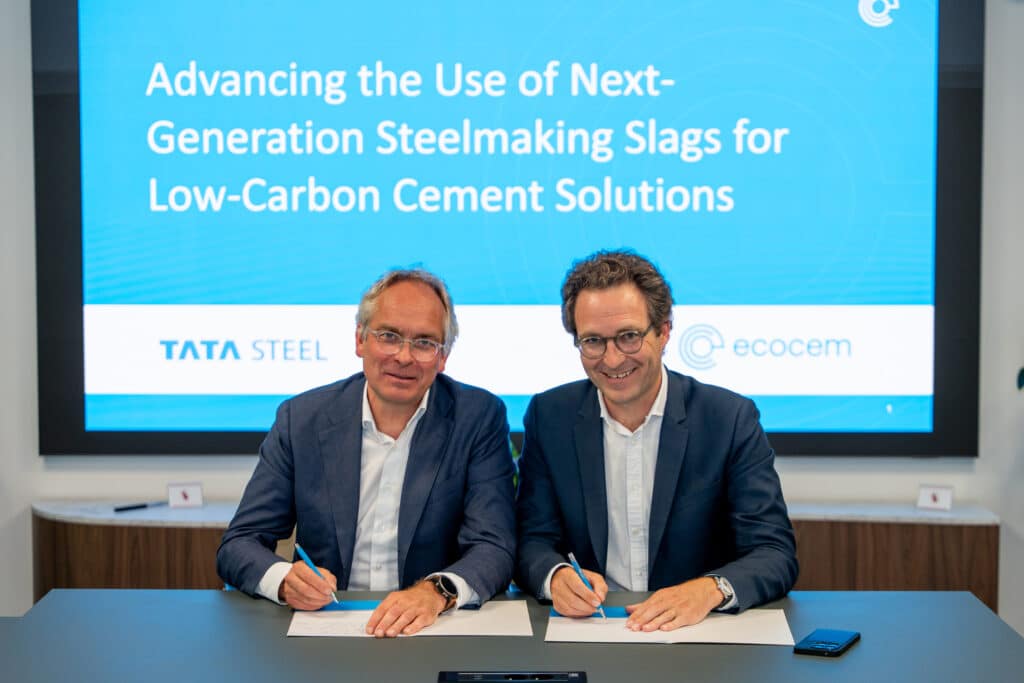
Pieter Roelofsen, director of Strategy, M&A and Collaborations at Tata Steel Netherlands, said:
“This Memorandum of Understanding reflects a shared ambition to support the transition to more sustainable building materials. By exploring innovative applications of steel slag, a prerequisite for the successful implementation of our Green Steel Project, we aim to contribute to circular value chains while supporting the decarbonization of both the steel and cement industries.”
Olivier Guise, executive director of Strategy, Technology and Business Development at Ecocem, added:
“This type of collaboration has the potential to be transformative for the global cement industry. Together, we are exploring how two underused by-products from steel production can become next-generation alternative cement materials that help reduce emissions while creating value from materials that would otherwise go unused. This is exactly the kind of cross-sector innovation needed to accelerate the transition to a circular, low-carbon economy and reshape the future of sustainable construction.”
This partnership strengthens Ecocem's role at the forefront of cement decarbonization and highlights the importance of collaboration across sectors in scaling up low-carbon solutions.
By continuing to innovate with alternative cementitious materials, we are expanding the range of technologies and solutions to support the transition to a more sustainable built environment.