Platform on concrete and steel in construction
New West makes scale leap
On Johan Greivestraat and Piet Mondriaanstraat in Amsterdam New West, a post-war residential area is undergoing a radical transformation. Four outdated porch apartments with a total of 112 social housing units will make way for up to 265 new-build homes. In doing so, housing corporation Lieven de Key is focusing on densification, differentiation and preservation of social cohesion - although that combination remains complex in practice.
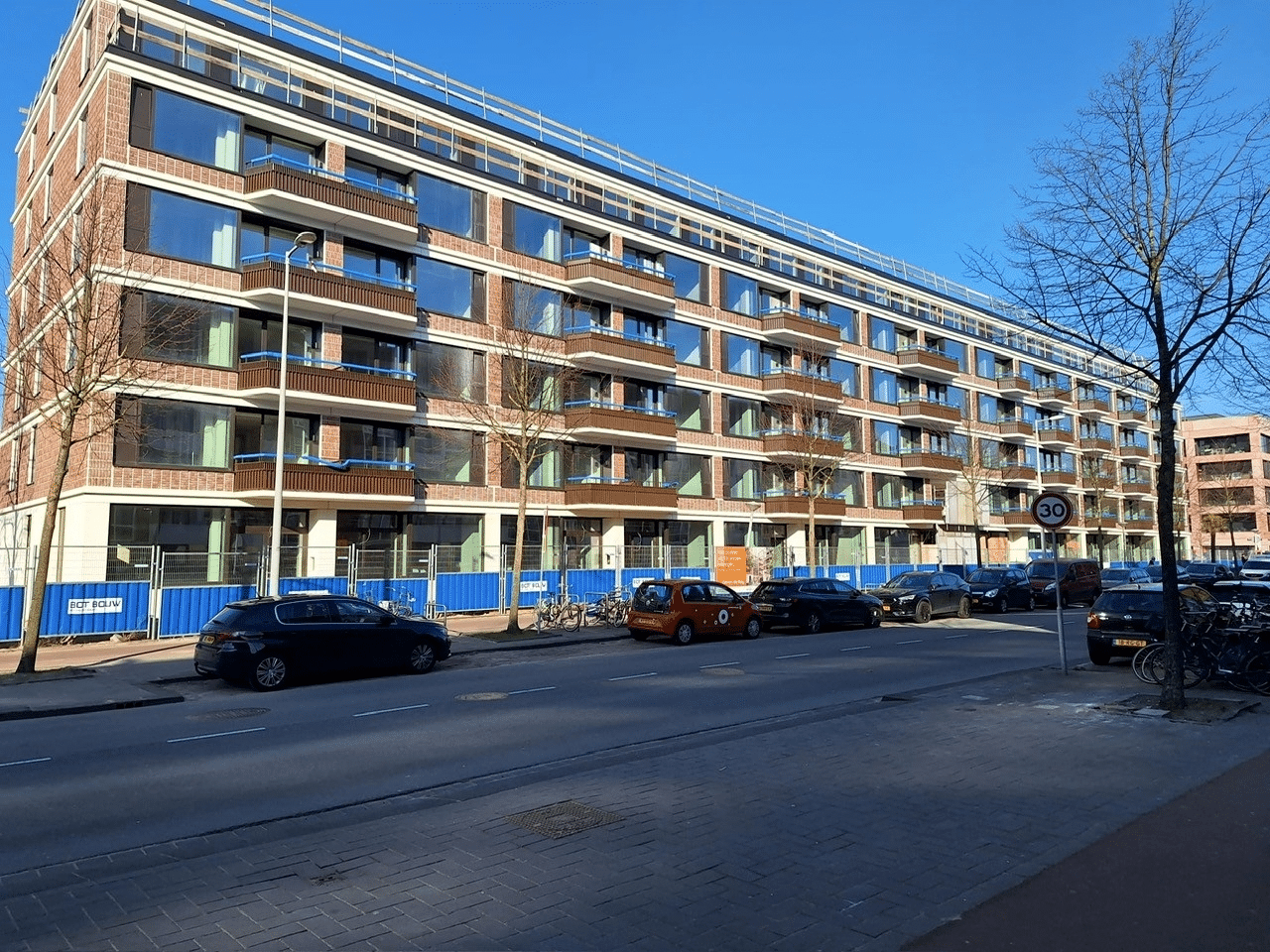
The redevelopment is divided into two phases. The first phase will include a residential building with 135 social housing units and approximately 750 m² of commercial space, designed by Arons and Gelauff Architects. The building will have a courtyard garden and is aimed at diverse target groups, from families to young people and smaller households. The second phase will be followed by two residential towers with up to 130 homes in the mid-rent and non-rented segments. Developer VORM will also realise a day nursery and an underground parking garage here. Completion of the social housing building is planned for summer 2026; the Conrad project behind it is expected to follow at the end of 2027.
The jump from 112 to 265 housing units marks a clear densification move. At the same time, this represents a fundamental change to the original urban design, with higher volumes and more intensive use of space.
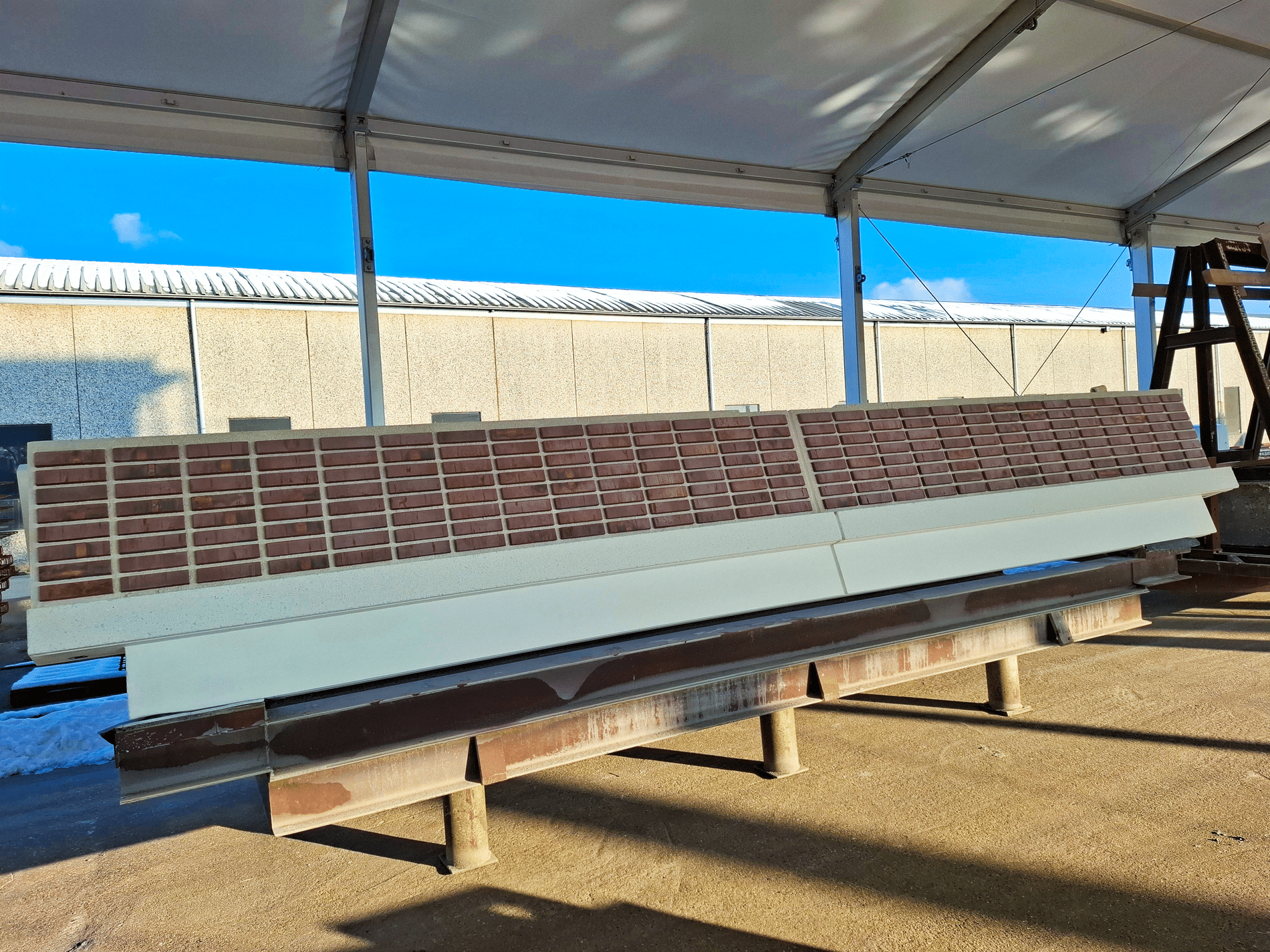
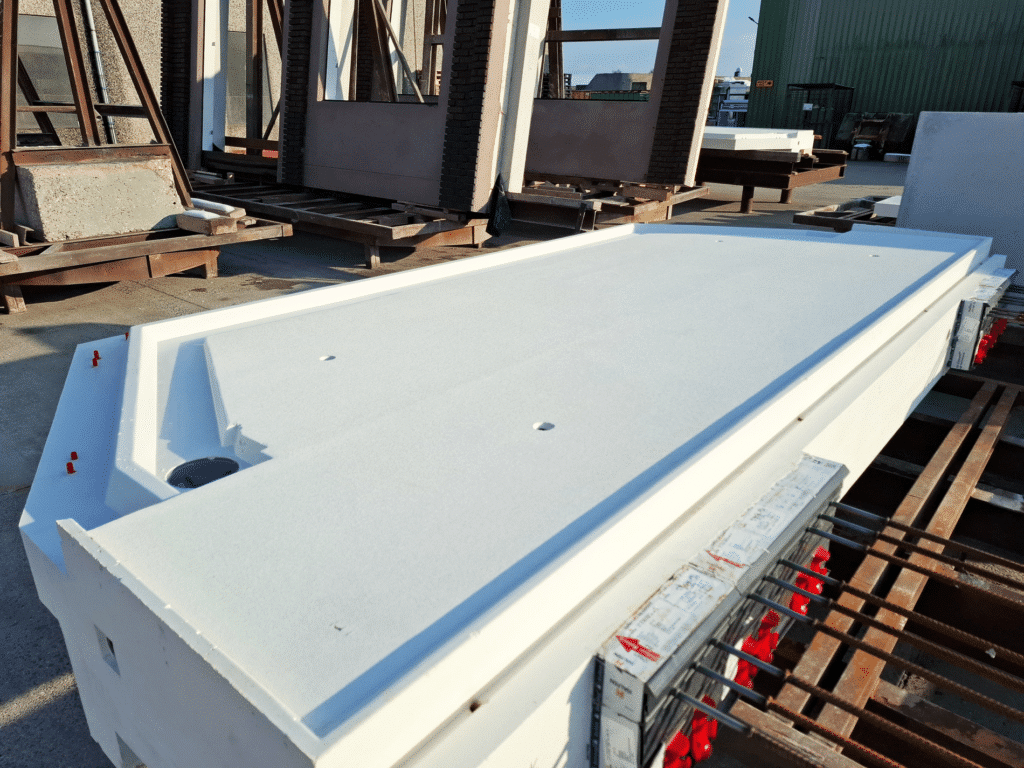
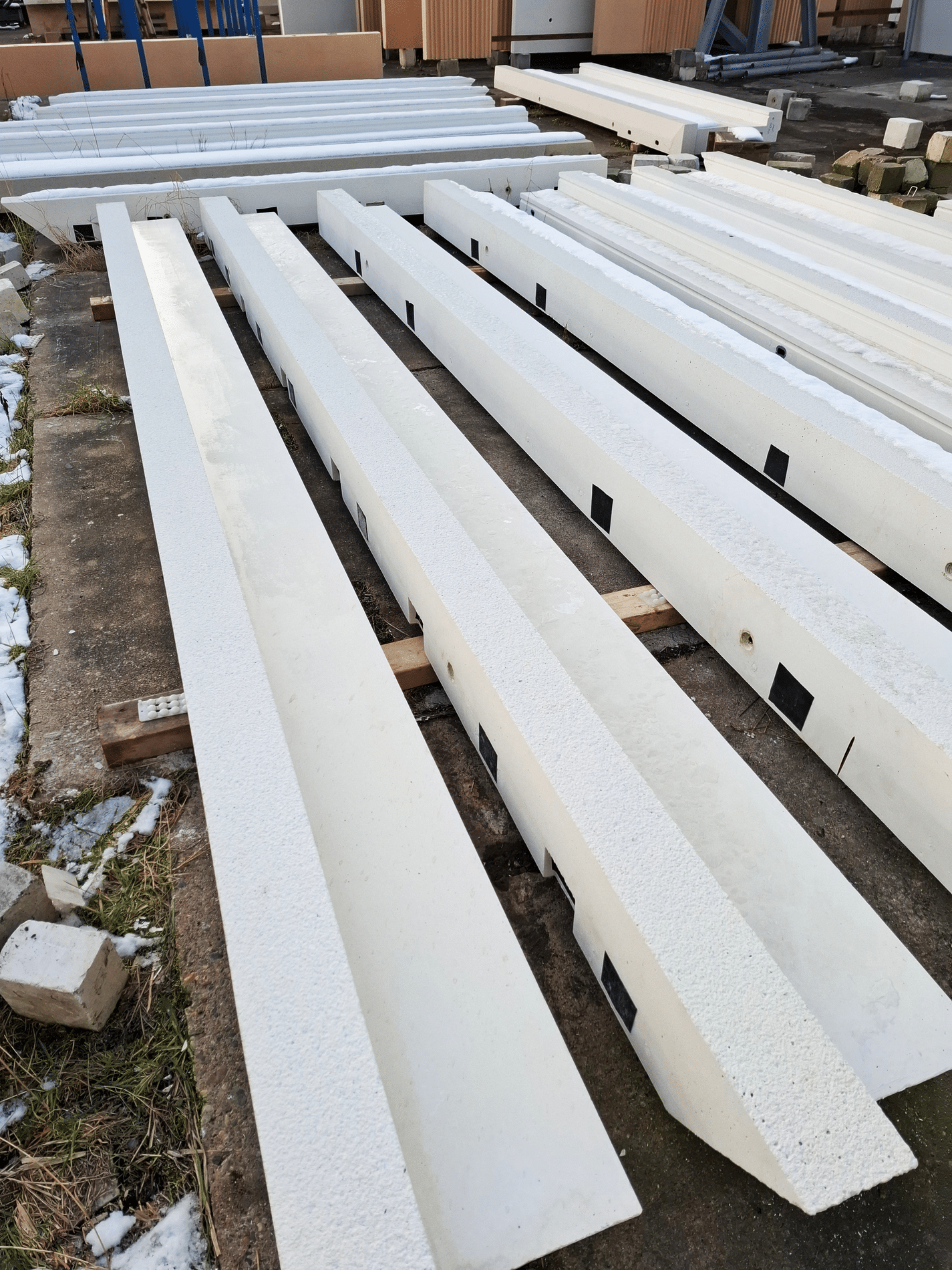
Precast concrete plays a central role in the execution. Hibex supplied all façade elements and balconies for the project, executed in a combination of white blasted concrete and white concrete elements with stone strips. For the white concrete, white cement from Aalborg White was used, contributing to a light, consistent facade appearance. In this regard, white concrete has not only aesthetic value, but also functional benefits: it provides an illuminated and more socially safe façade and reflects sunlight, reducing heating. It also retains its light appearance even under changing weather conditions.
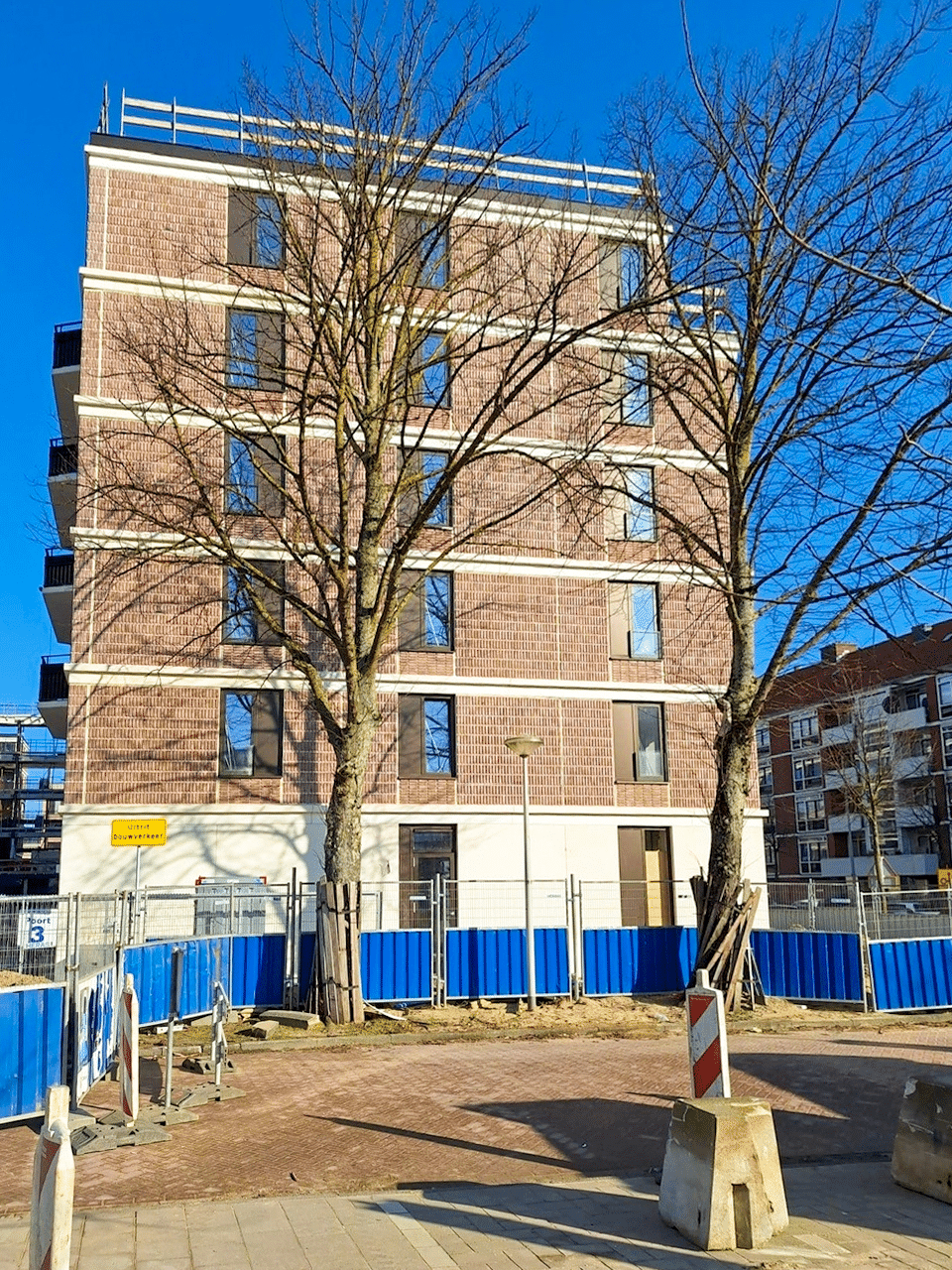
The precast approach supports efficient construction logistics and high repetition rates. At the same time, the application of stone strips to concrete remains a topic of discussion within the industry, particularly when it comes to detailing, aging and long-term maintenance.
Of the original residents, 58 households may return to the new building. This return option is important for support, but also means that a substantial portion of the residents must be housed elsewhere. In doing so, the project touches on a broader tension in urban renewal: how to combine physical improvement with social continuity.
The redesign of the public space should accompany the densification. There will be more greenery, better connections for slow traffic and an expansion of the Spoorpark. These are necessary interventions to maintain the quality of life. However, the question is whether these measures are sufficient to compensate for the higher density. Densification not only requires more housing, but also structural investments in outdoor space, facilities and management.
According to Lieven de Key, the plan was created in close cooperation with the municipality and residents. That fits within the current practice of area development, in which participation and coordination are essential. Yet this project especially shows how difficult the balance is. Densification, program merging and industrialization of construction offer clear advantages, but also bring new issues. Technical, urban planning and social. The redevelopment on Johan Greivestraat is thus exemplary of the direction in which Dutch cities are moving. Whether this approach will also lead to robust and inclusive residential environments in the long term will only be seen when the area is actually in use.