Platform on concrete and steel in construction
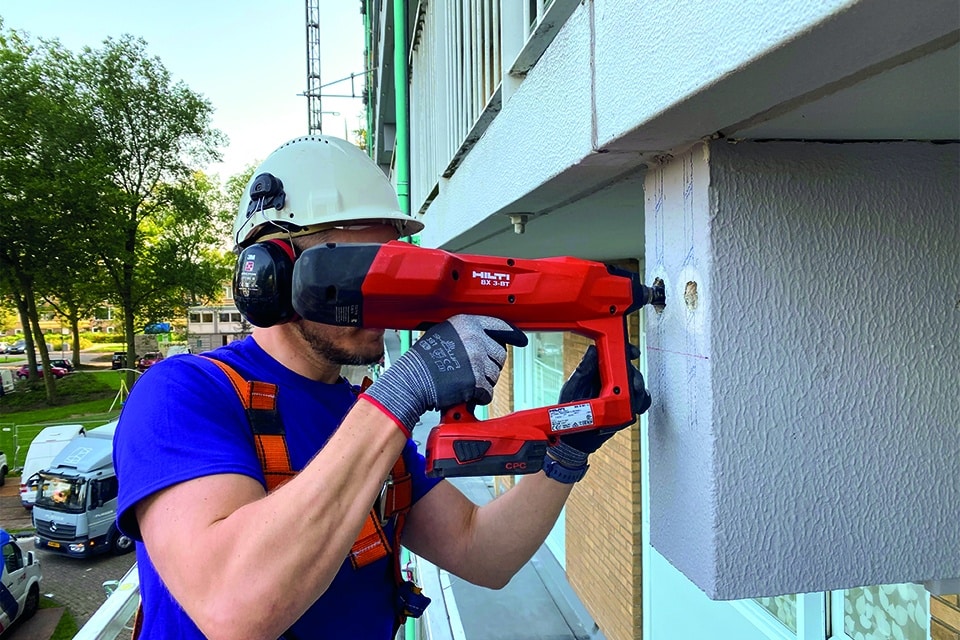
The concrete industry is good at repairs, but less skilled at proactive management. That’s according to Anthony van den Hondel, director of Cathodic Protection Supplies. In his view, maintenance of concrete structures too often lags behind the damage. Cathodic protection (CP) can play a key role in this, provided it is properly understood and strategically deployed.
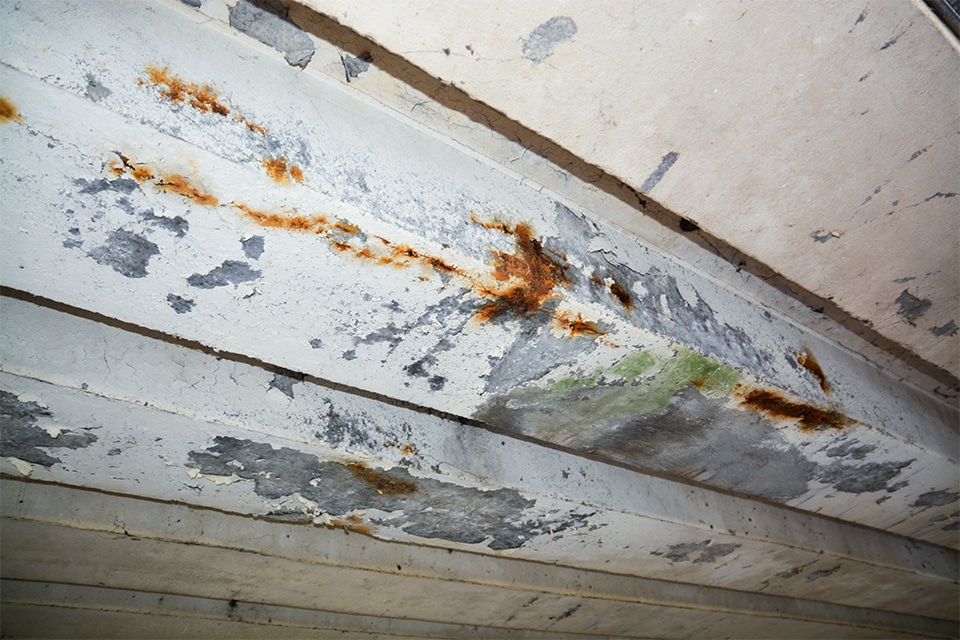
Concrete maintenance is often taken for granted. And that approach is where things often go wrong. “You can’t ‘just’ maintain concrete,” Van den Hondel begins. “Yet I still see a lot of routine: following fixed schedules from the long-term maintenance plan or only taking action once damage becomes visible. Both approaches are risky, because reinforcement corrosion starts invisibly. By the time it’s visible on the outside, it’s usually already too late. At the same time, action is sometimes taken too early, simply because the plan says so. That costs money without being technically necessary.”

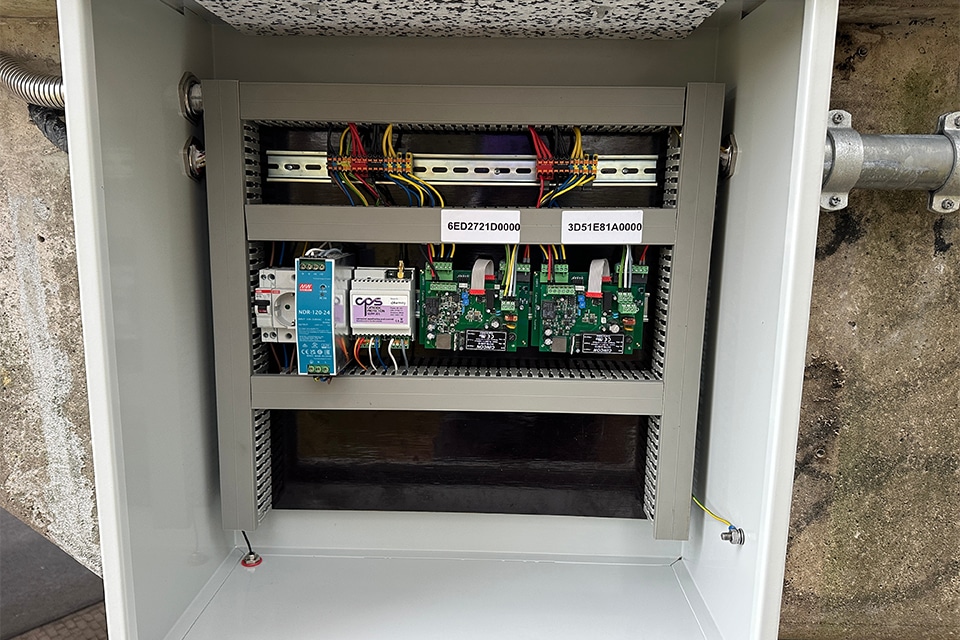
So timing is everything when it comes to concrete maintenance. “That’s why I advocate condition-based maintenance,” says Van den Hondel. “In practical terms, that means measuring and investigating first, and only then making a decision. Concrete lends itself perfectly to this approach. You can determine the condition of a structure fairly accurately and, based on that, compare scenarios: what happens if I do nothing now? Or if I implement different measures? Then you’re not just talking about technology, but also about disruption for users, feasibility, and costs over the lifespan. KB can play a role in this. It is not a solution for everything and certainly not a standard measure, but it is one of the few techniques that actually stops the corrosion process. That makes it interesting from an asset management perspective. So the question should not be what KB costs, but what it does to the total maintenance burden over the coming decades.”
Van den Hondel identifies a number of persistent misconceptions in the practice of concrete maintenance. “The first is that asset management and maintenance are viewed as separate entities. Asset management without maintenance is nothing more than empty words on paper. Maintenance without asset management is pointless. Thinking in terms of extending service life means weighing measures against risk reduction, remaining service life, disruption, feasibility, and Total Cost of Ownership. Anyone serious about extending service life must weigh measures against risk reduction and their long-term impact. KB often fits well into this approach, precisely because it stops the most significant damage process.”
Another fallacy is the belief in a single, one-size-fits-all solution. “Without a diagnosis, you can’t determine a good strategy. Sometimes a measure is too heavy-handed, sometimes too light. Completely locking down a bridge isn’t necessarily the right move either. It’s about what’s needed. Failing to weigh different scenarios is actually a missed opportunity. That brings me to the third misconception: viewing monitoring as a weakness or a ‘hassle.’ KB is an active system, so yes, you have to measure. But that is precisely its strength. It is pretty much the only technique that allows you to objectively demonstrate what is happening and how it develops over time. That data turns the structure into a source of information and helps make maintenance plannable.”
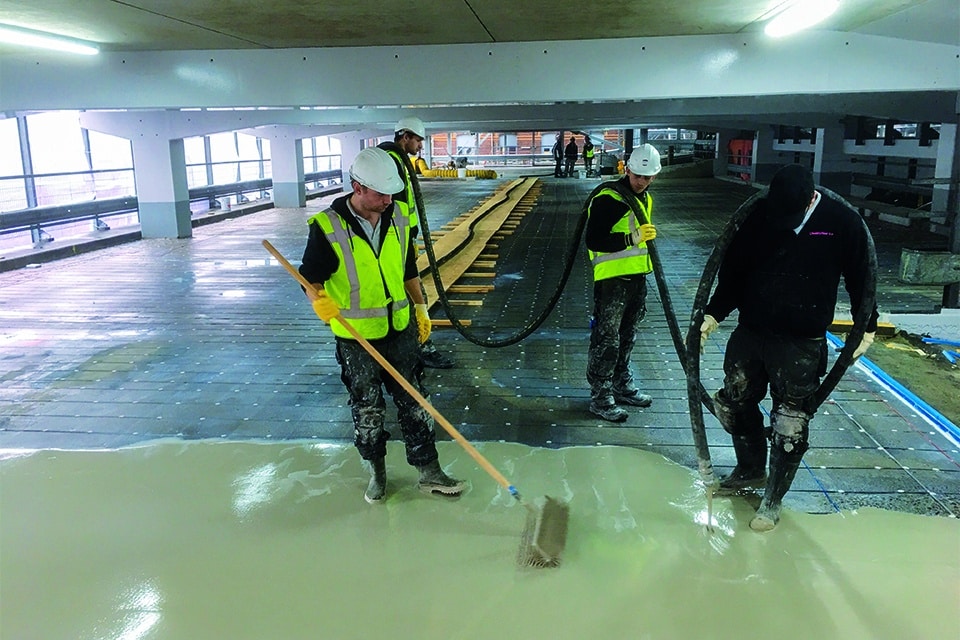
This immediately leads him to fallacy number four. Van den Hondel: “Many facility managers prefer to wait until the next scheduled maintenance window, but fixed long-term maintenance plans are often too broad. This leads to situations where a structure is supposed to be closed for four weeks but ends up being closed for fourteen. That’s not bad luck, but the result of insufficient prior knowledge. Maintenance then becomes something that happens to you, when in fact you can actively manage it.” But an even bigger misconception is number five: translating uncertainty into inaction, while corrosion continues unabated in the meantime. “Uncertainty should actually lead to further investigation or temporary control measures. Doing nothing is rarely neutral; it almost always makes the eventual intervention more expensive.”
“The concrete industry needs to adopt a different way of thinking,” Van den Hondel concludes. “Repair less of what breaks, and take more control over what you do and when you do it. Smart maintenance starts with diagnosis and proper timing. And that’s where KB can be a very valuable tool, provided you use it strategically, not just as a routine.”