Platform on concrete and steel in construction
The Dutch stock of bridges, viaducts, parking garages, and buildings is aging. Replacement is often expensive, material-intensive, and disruptive. Concrete preservation offers an alternative approach: identifying the causes of damage early on, performing targeted repairs, and then protecting the structure. This requires a systematic approach, from inspection and diagnosis to implementation and monitoring.
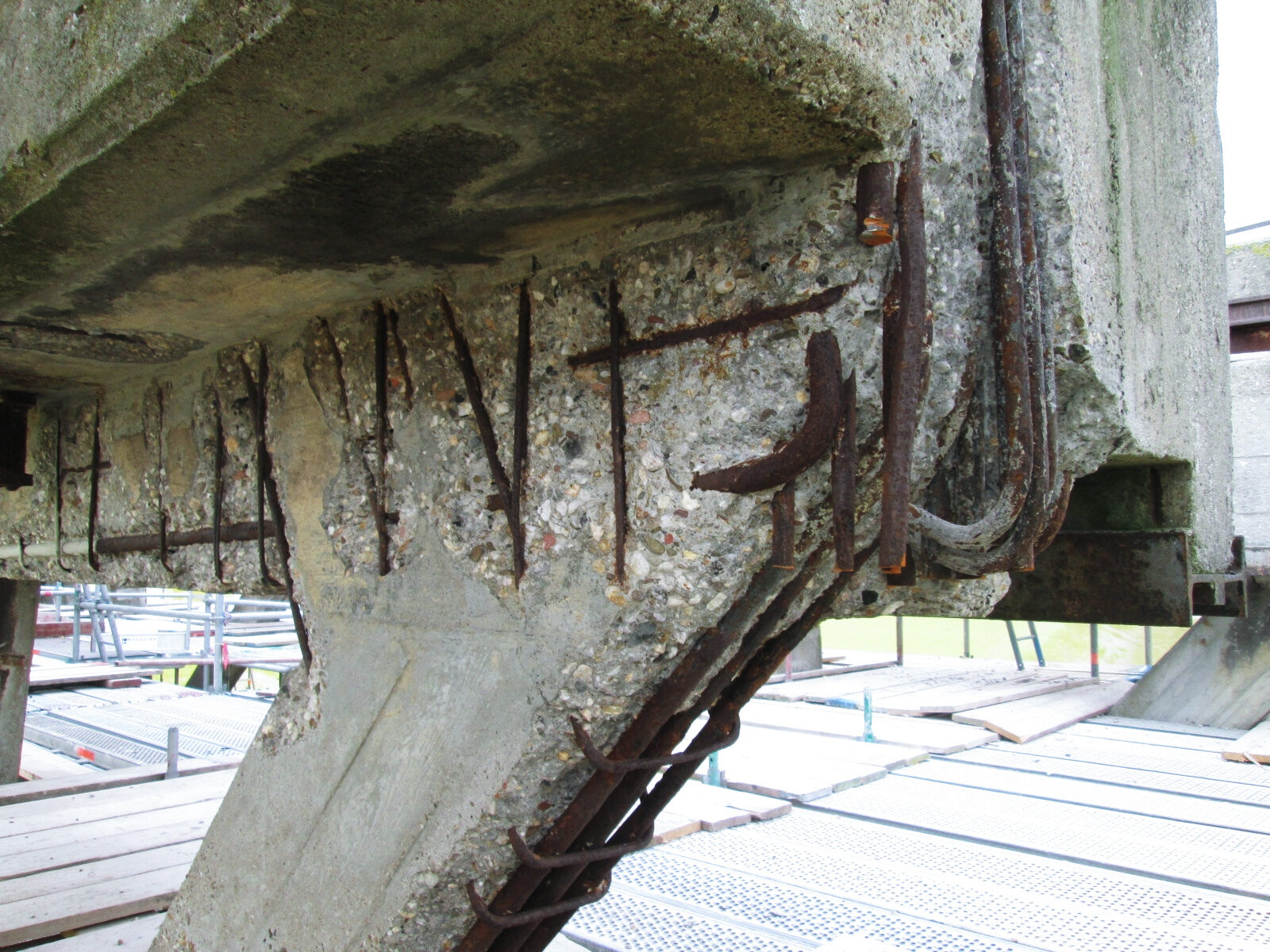
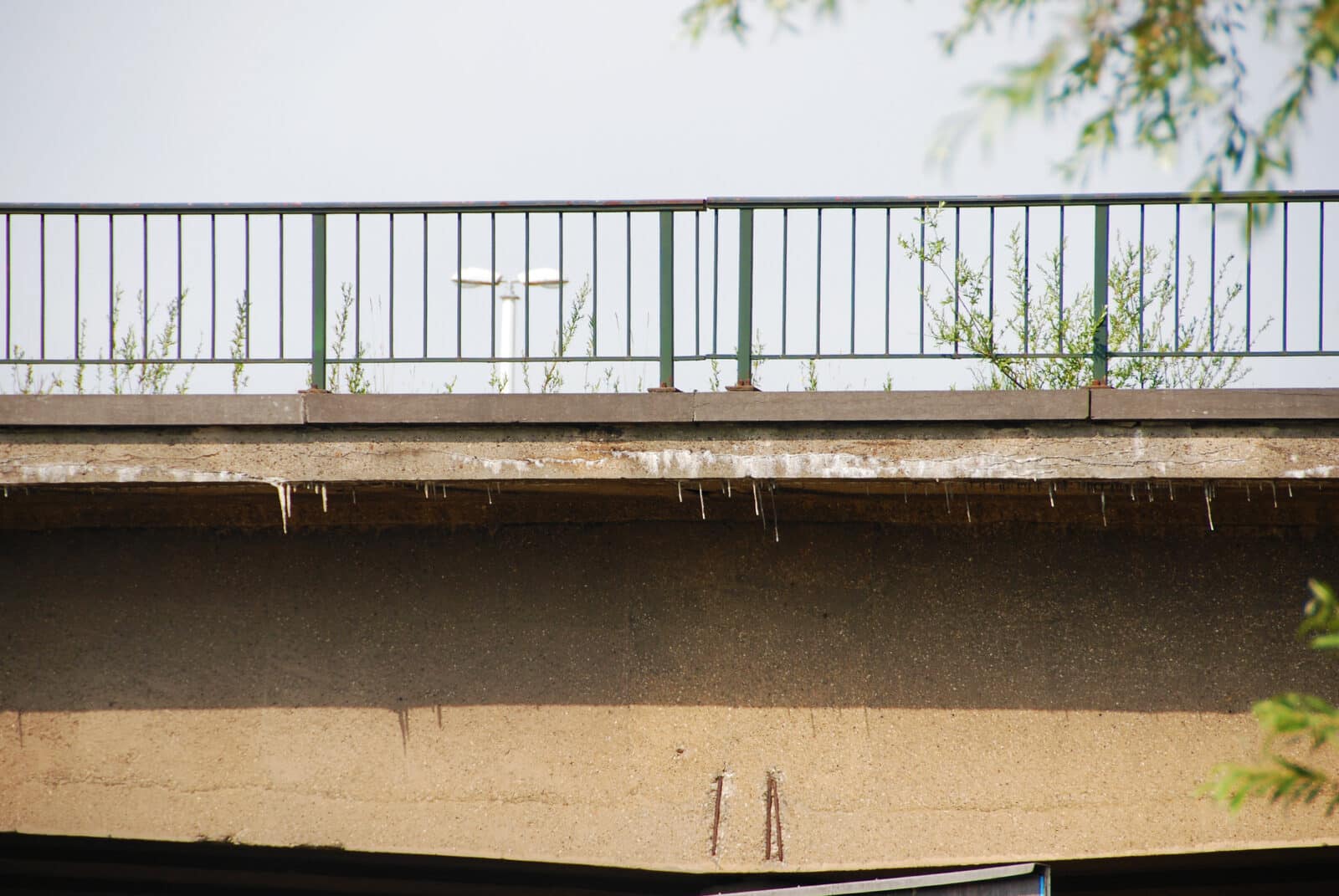
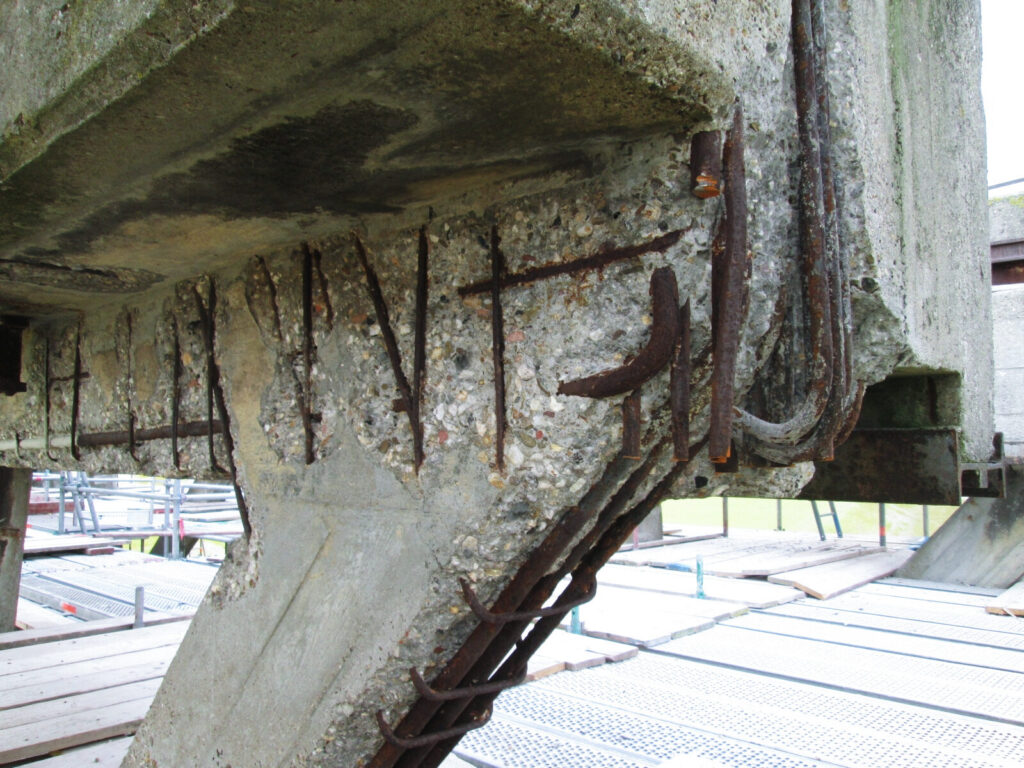
Cracks, leaks, signs of rust, and spalling are rarely the whole story. They can indicate moisture, chlorides, carbonation, freeze-thaw cycles, chemical corrosion, or movement within the structure. Anyone who merely repairs the visible defect runs the risk of the damage recurring. Responsible maintenance therefore begins with an investigation into the load, concrete cover, condition of the reinforcement, and function of the structure.
During carbonation, carbon dioxide from the air reacts with the cement paste, causing the alkalinity to decrease. If the carbonation front reaches the reinforcing bars, the protection of the steel may be lost. Chlorides, such as those found in de-icing salt or a marine environment, can also cause corrosion. The expanding rust then leads to cracks and spalling.
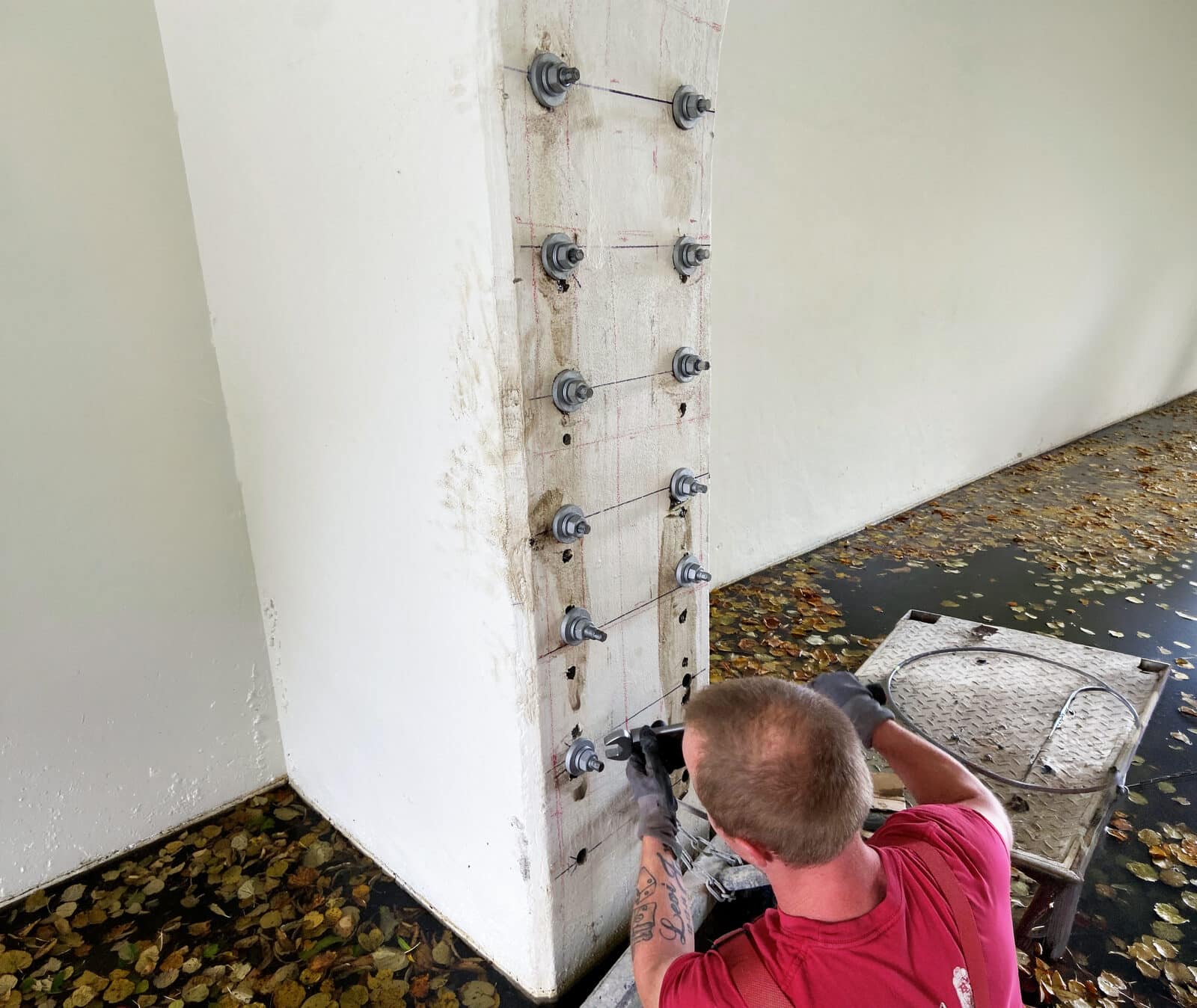
A visual inspection does not always provide sufficient certainty. Depending on the structure, measurements of concrete cover, carbonation depth, chloride concentration, and moisture content are necessary, supplemented by bond tests or an investigation of hollow areas. It is also important to determine whether a crack is still moving. The results, the desired remaining service life, and the consequences of failure collectively determine the choice between localized repair, surface protection, cathodic protection, or a combination thereof.
The Concrete Maintenance Platform emphasizes that management must begin with a long-term strategy, not with a crisis. Periodic inspections reveal signs of deterioration before the damage becomes significant. Managers then weigh technical service life, safety, disruption, and total costs against one another. The cheapest intervention on day one is not always the most cost-effective over the remaining service life.
The intended use helps determine the solution. A parking garage is subjected to different stresses than a building facade, a walkway, or a viaduct. Sometimes a water-repellent impregnation or coating is sufficient; other times, concrete repair, crack repair, joint sealing, or waterproofing are required first. Work sections, accessibility, drying times, and weather conditions must all be factored into the schedule. Phasing the work can maintain availability but requires extra attention to connections and edges.
EN 1504 provides a framework for protection and repair. Part 2 covers, among other things, surface protection against the penetration of water, carbon dioxide, and chlorides, while Part 3 sets requirements for repair mortars. The standard does not replace a diagnosis: the method and materials must be appropriate for the damage mechanism, the substrate, and the future load.
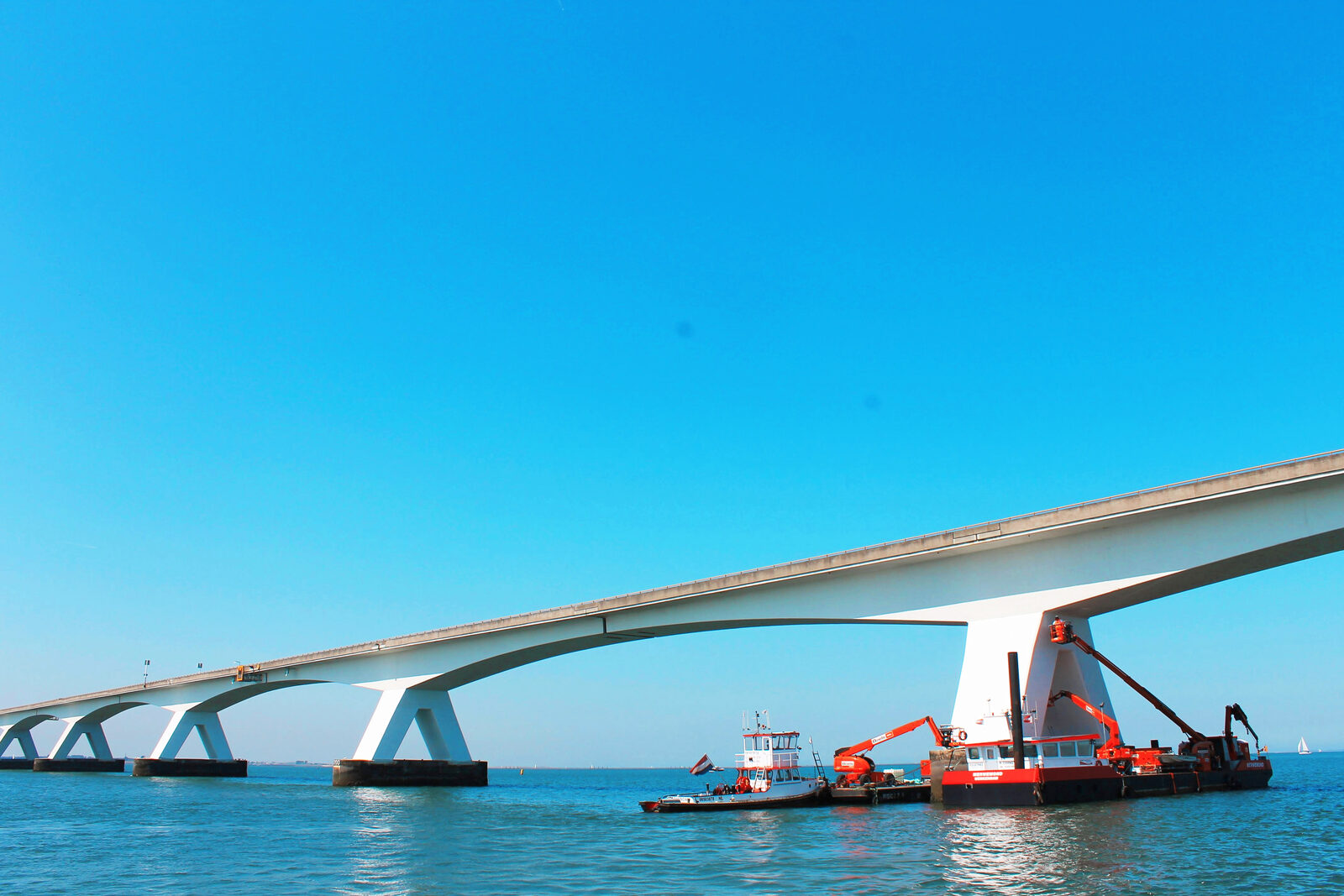
The client, manager, consultant, applicator, contractor, and supplier need a clear and unambiguous scope of work, feasible specifications, and clear acceptance criteria. Substrate preparation, environmental conditions, coating thickness, and detailing all contribute to the final result. Contamination or residual corrosion products can compromise adhesion. Test areas, quality controls, and practical inspection recommendations ensure that performance can be verified even after completion. Be sure to document product data, batch numbers, and weather conditions. Through periodic monitoring, the facility manager can assess whether the system continues to function properly and adjust the maintenance plan as needed.
The market offers a wide range of solutions. Triflex highlights crack-bridging systems; Remmers and DAW focus on preventive protection against moisture and chlorides. Vandex provides cement-based systems for waterproofing, repair, and joint sealing, while Grouttech emphasizes a comprehensive approach. Sika combines preservation with concrete technology for both new and existing structures, waterproof construction systems, and corrosion protection, while Cugla incorporates future reuse into its maintenance strategies. MC-Bouwchemie highlights graffiti-resistant finishes that can minimize damage caused by cleaning.
For building managers, a performance-based specification is more effective than a brand-specific requirement alone. Consider factors such as penetration resistance, water vapor permeability, crack bridging, slip resistance, and maintainability. For example, a highly impermeable system may not be suitable for a damp structure. Compatibility with existing repairs and finishes must be assessed in advance. There is no one-size-fits-all solution.
Extending the service life can reduce the demand for raw materials, demolition transportation, and waste. However, the actual environmental benefit depends on the remaining service life, the scope of the intervention, and the frequency of maintenance. Comparing scenarios is therefore more meaningful than assuming that preservation is always the most sustainable choice. This ensures that technical necessity, service life, and material use remain in balance with one another.