Platform on concrete and steel in construction
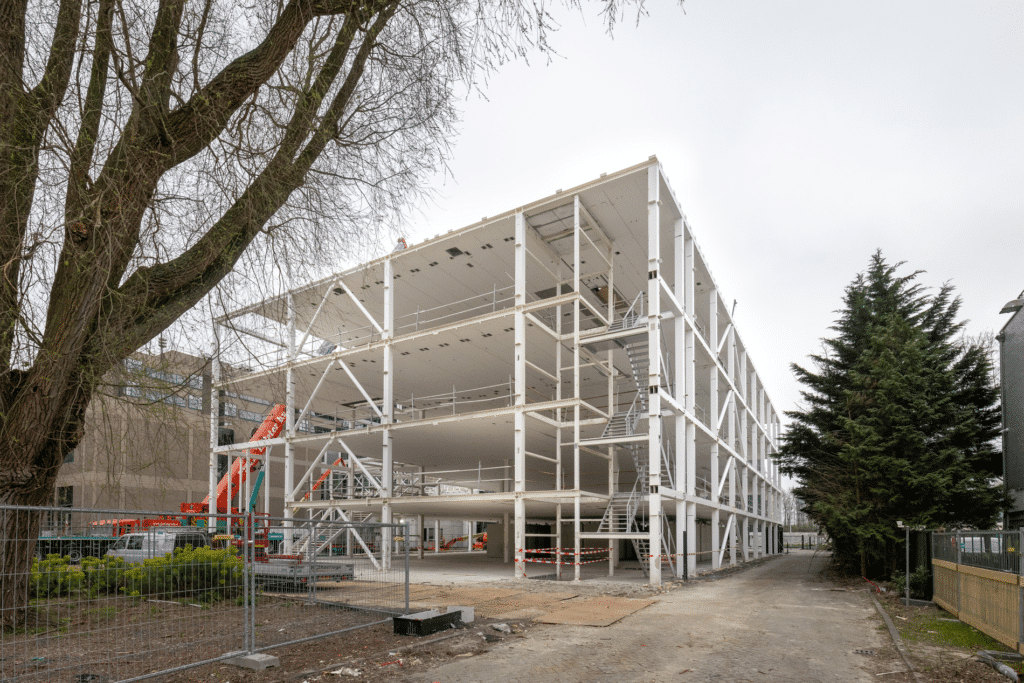
The new Techbank on Enschede's university campus fulfills a sustainable promise. The building was designed completely detachable ten years ago as a temporary home for the Amsterdam District Court, with the intention of dismantling it after six years and rebuilding it elsewhere. In its second life - after a period in storage - it is a knowledge lab. Developer DPCP was taking a risk at the time, but the importance of driving the circular economy outweighed it.
Due to the massive new construction of the Amsterdam District Court, the capital needed a temporary court building in 2016. The client, the Rijksvastgoedbedrijf, requested minimizing waste and maximizing residual value in addition to appropriate élan. Development combination DPCP (Du Prie and cepezedprojects) saw it as an opportunity to prove that it could be done: a business case for a representative building destined for reuse.
Calculating with residual value is a prerequisite for a circular economy. DPCP therefore incorporated it into its pricing, even though at the start of the project there was no buyer for the individual components. The belief that one would be found, in addition to idealism, was fueled by the beautiful design by cepezed, a Delft architecture firm that has been experimenting with high-quality prefabricated architecture for more than fifty years.
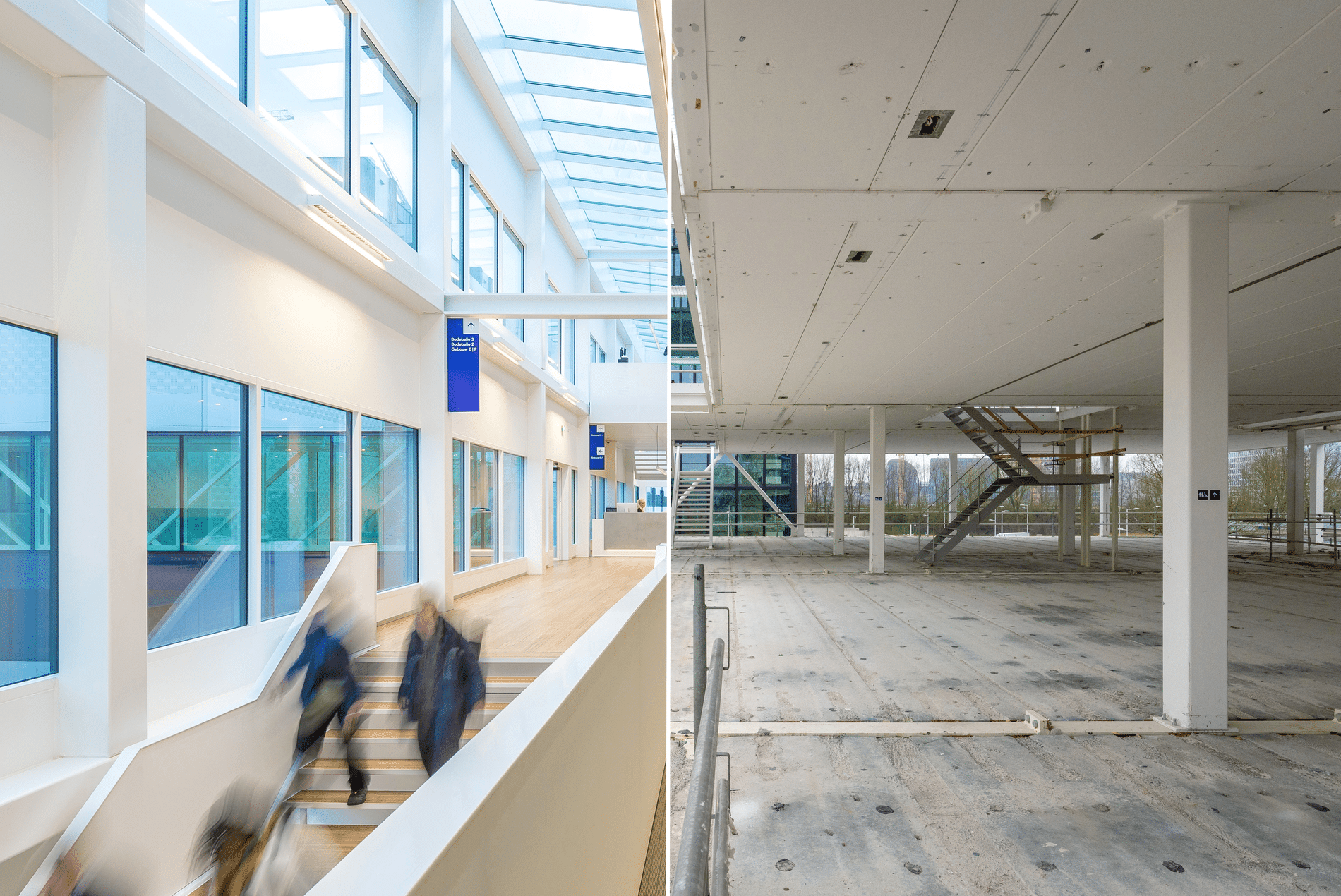
Transparent glass facades, a white-coated, steel support structure and wide staircases gave the temporary Rechtbank Amsterdam cachet, although the necessary nuts and bolts simply remained visible. In 2017, it won Amsterdam's architecture award the Gouden AAP. Walking through the building, the jury said they were ‘embraced by a sense of tranquility. They adequately summarized the innovative architectural principle as ’the building is flexible in time, place and function.
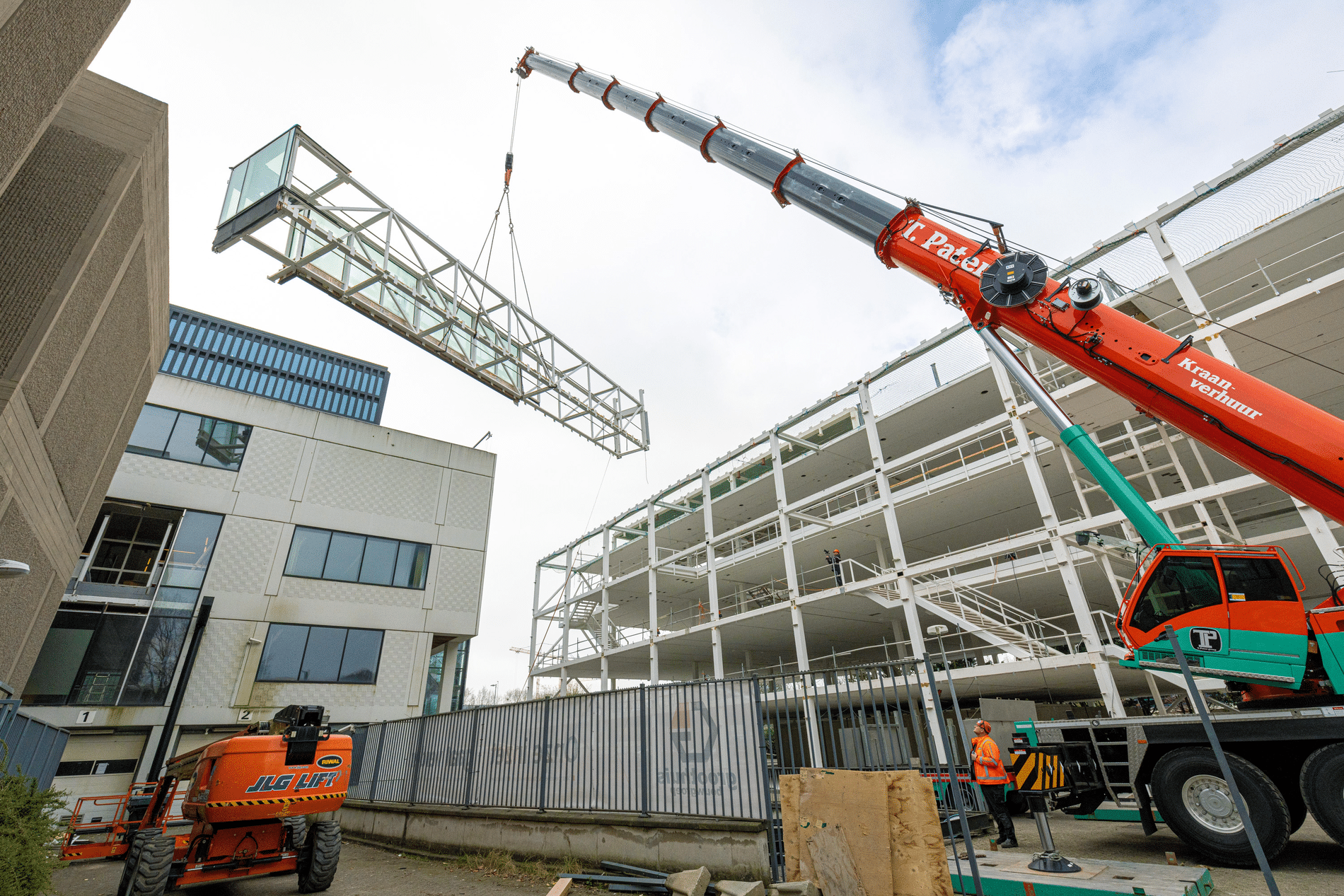
The client, the National Property Administration, was also enthusiastic: in 2021, ‘the unscrewing of the first nut’ was celebrated extensively. The four-story building was then carefully taken apart. A new owner had meanwhile been found, and after a period in storage, the building was given a second life as a knowledge lab. This gave Kennispark Twente a sustainable first: CO2 emissions during the construction of the Techbank were minimal compared to new construction.
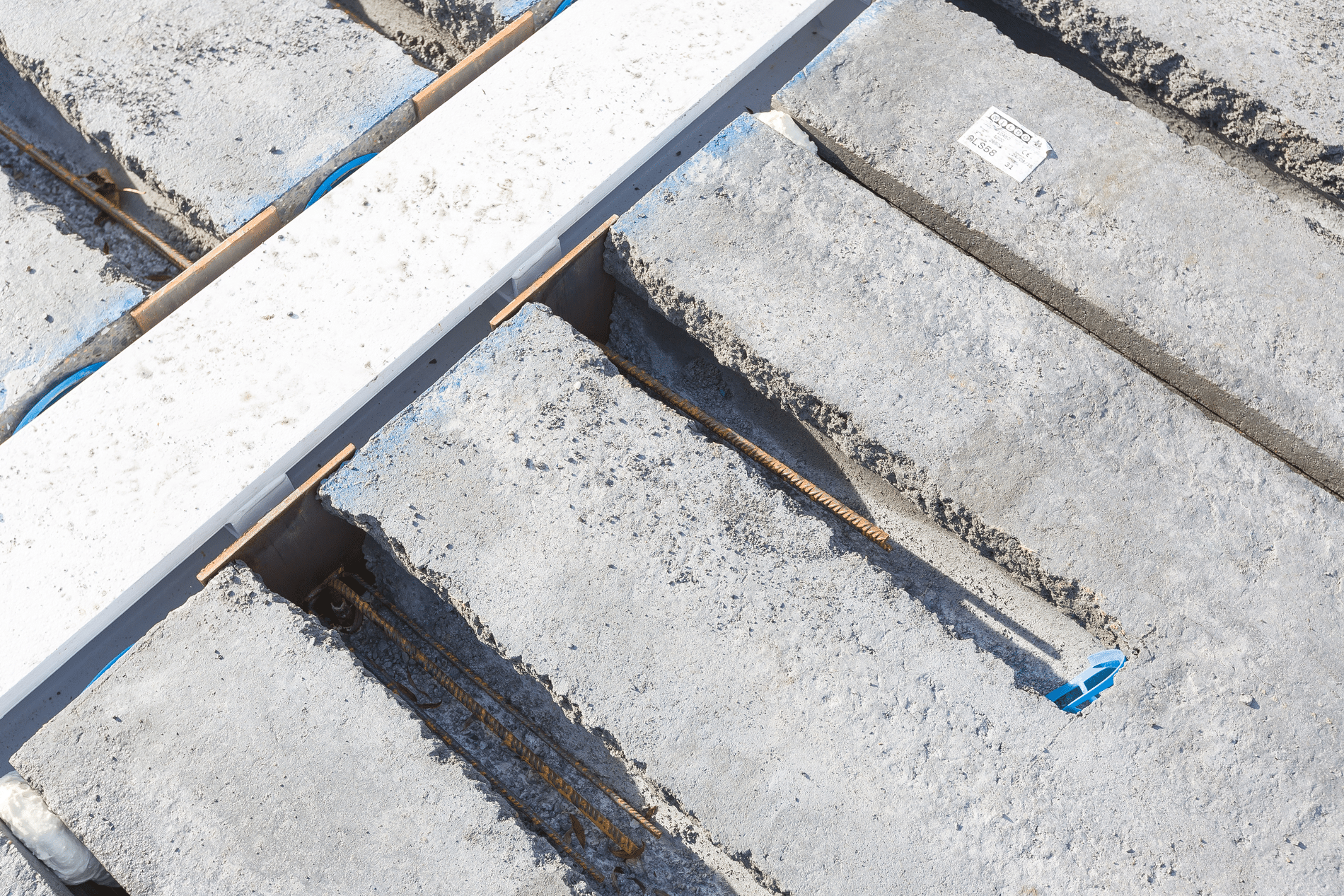
As much as 95 percent of the original materials were reused. The remaining five percent involved holding cells and a walkway. The specially developed, detachable hollow-core slabs proved to be excellent when remounted in Enschede. The layout of the floors was adapted to the new function, and because the orientation to the sun is different than in Amsterdam, the solar control glass was mounted on a different facade. Two possibilities already anticipated by the design.
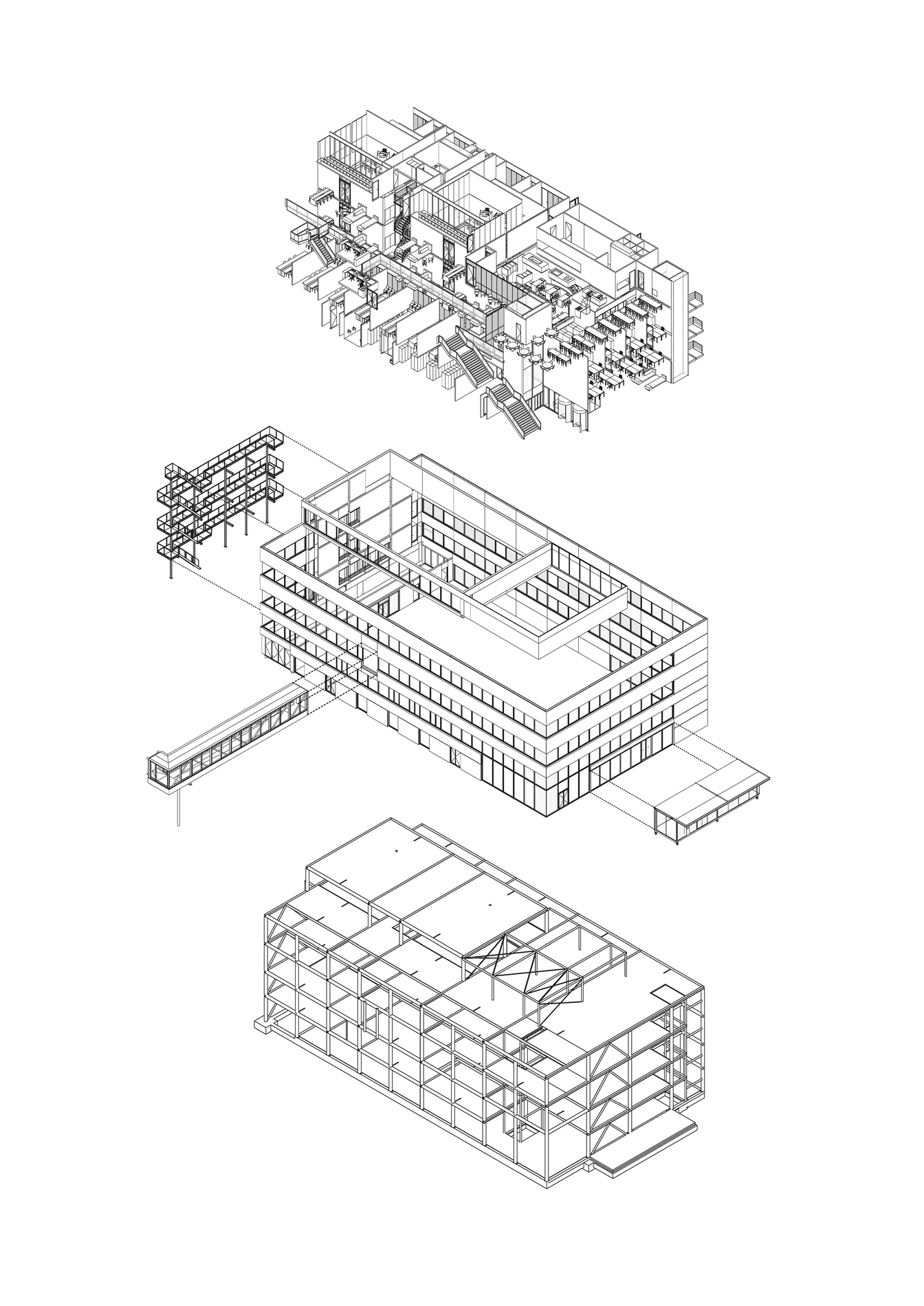
The development from Courthouse to Techbank required boldness from all parties involved, but proves to be a successful step toward a circular building economy. This time for a building with a public function and a company building, but also conceivable for residential construction. The knowledge that cepezed and DPCP gained with the temporary Rechtbank Amsterdam they now apply to other projects, including a temporary wing for the Sophia Children's Hospital in Rotterdam.