Platform on concrete and steel in construction
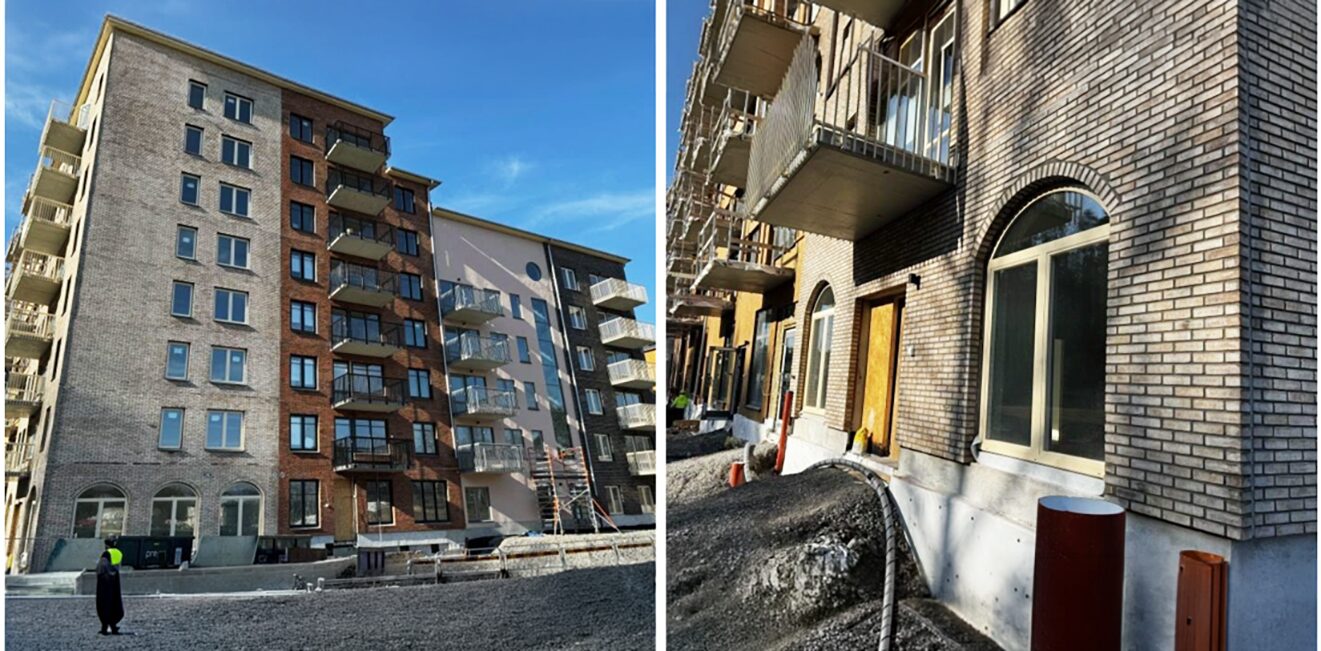
Sandwich panels and solid walls have become an integral part of modern prefabricated construction. They offer an efficient combination of structural performance, production efficiency, and faster on-site assembly. But while the elements themselves are constantly being refined, many manufacturers still face familiar challenges in the transition from design to production.
Most prefabricated projects involve a large number of stakeholders and activities. Design teams develop the geometry of the elements, engineers determine the reinforcement requirements, project managers coordinate delivery schedules, and production teams prepare forms and production plans. In many organizations, information is exchanged between these phases through a combination of drawings, spreadsheets, emails, and disparate software solutions. As projects progress, small inefficiencies accumulate. More time is spent coordinating information and less time on creating value.
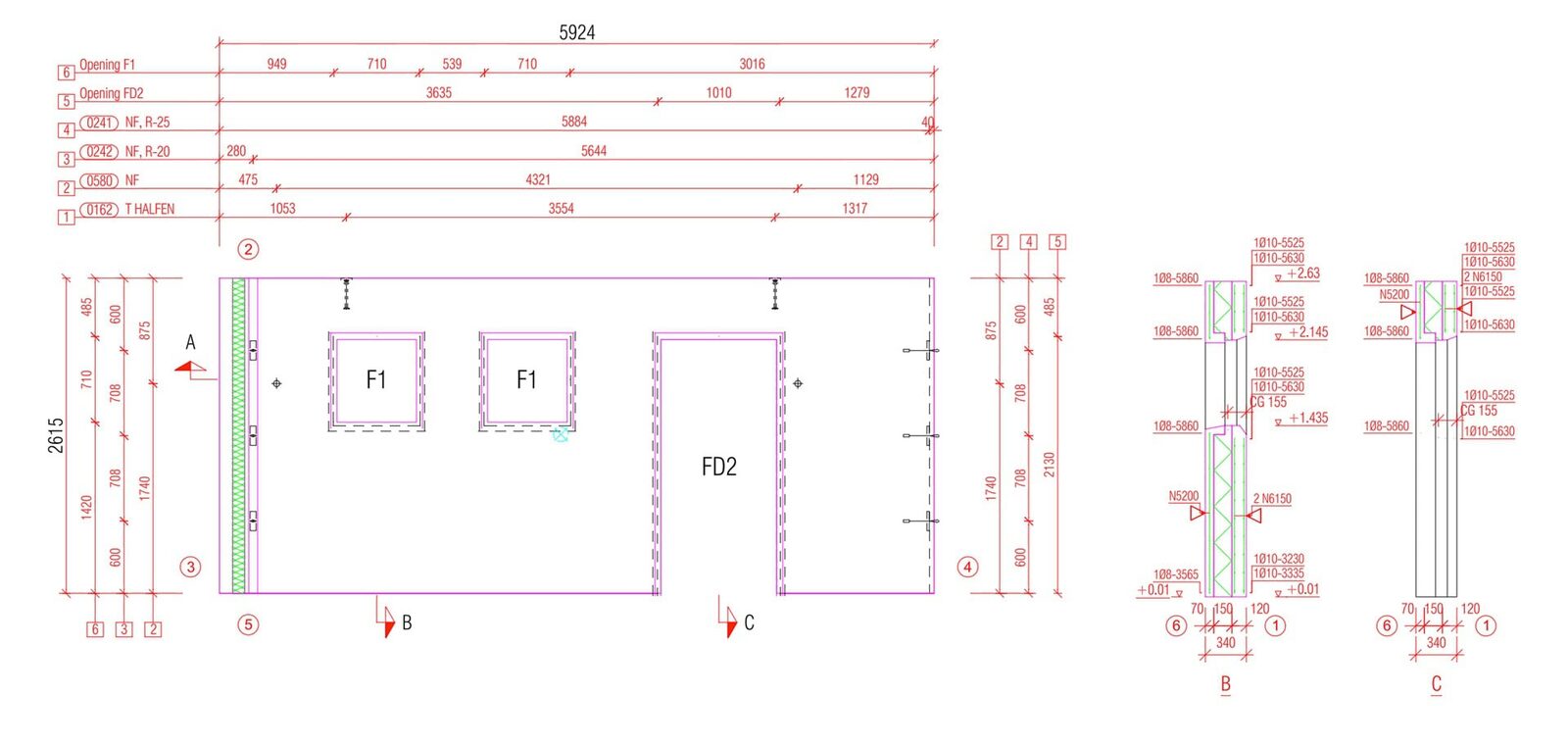
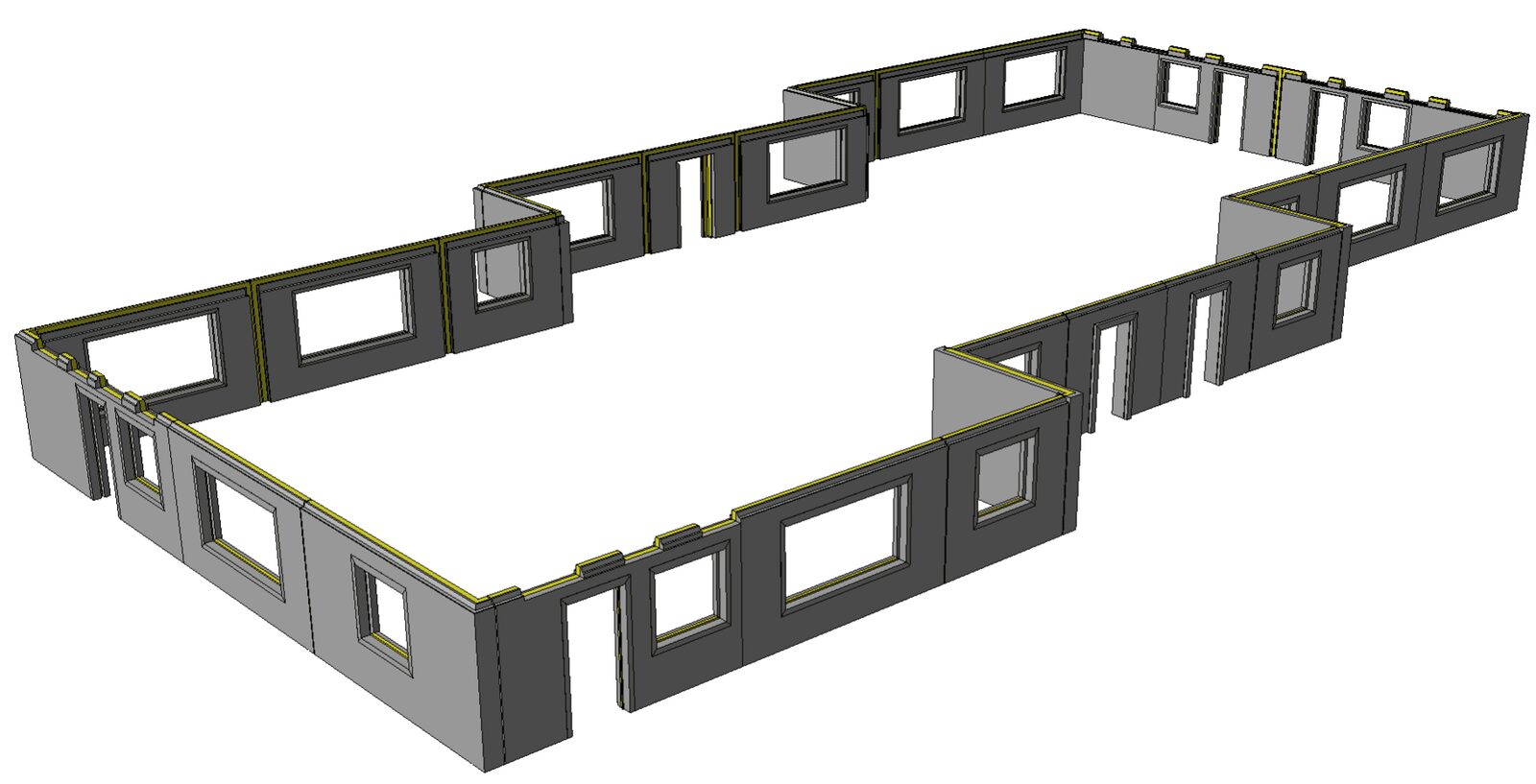
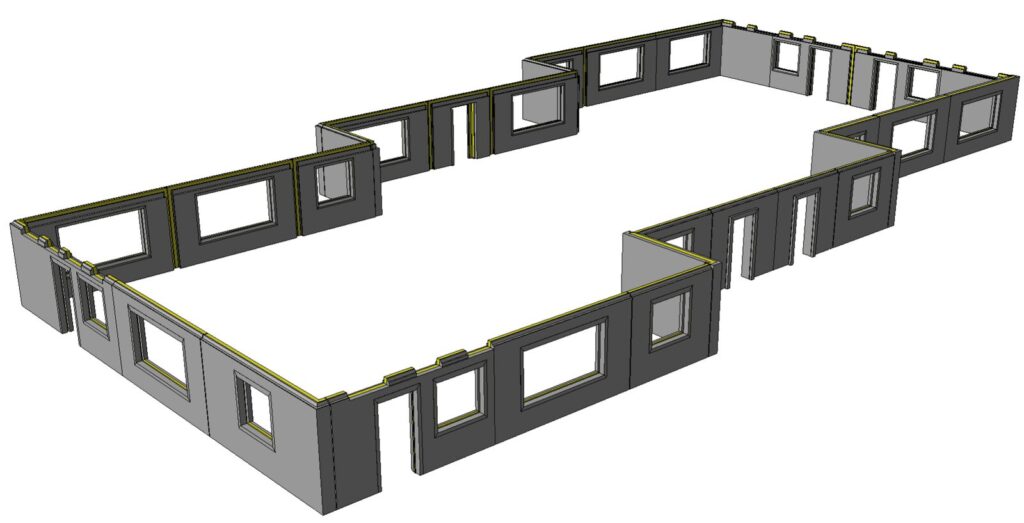
Sandwich walls and solid walls contain a significant amount of technical information. Openings, recesses, insulation layers, cast-in components, lifting anchors, reinforcement, connections, and manufacturing details must all be correctly documented and coordinated. A seemingly simple design change can affect multiple drawings, reports, and production documents. The challenge, therefore, does not lie in the complexity of the individual tasks. It is about maintaining consistency throughout the entire project as changes occur.
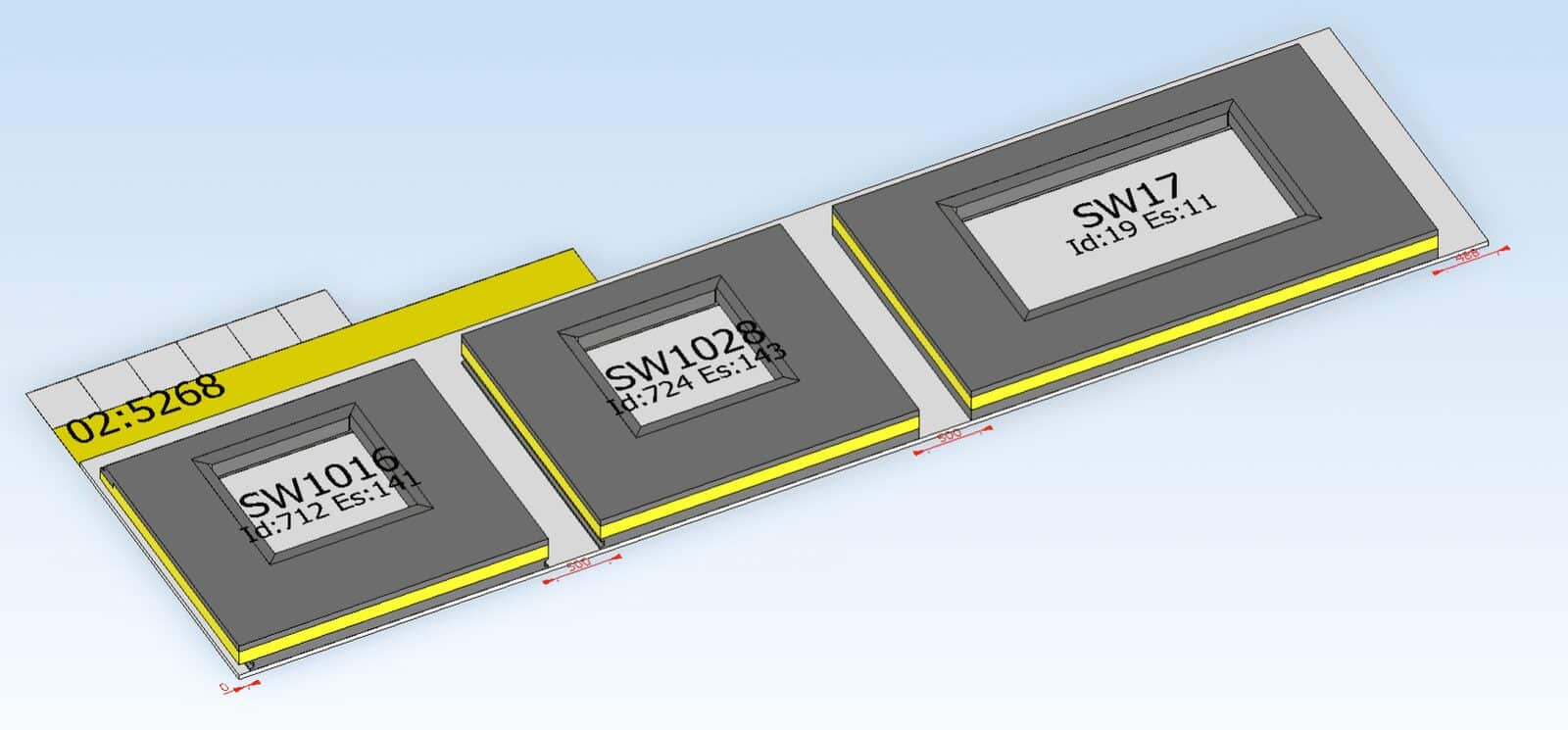
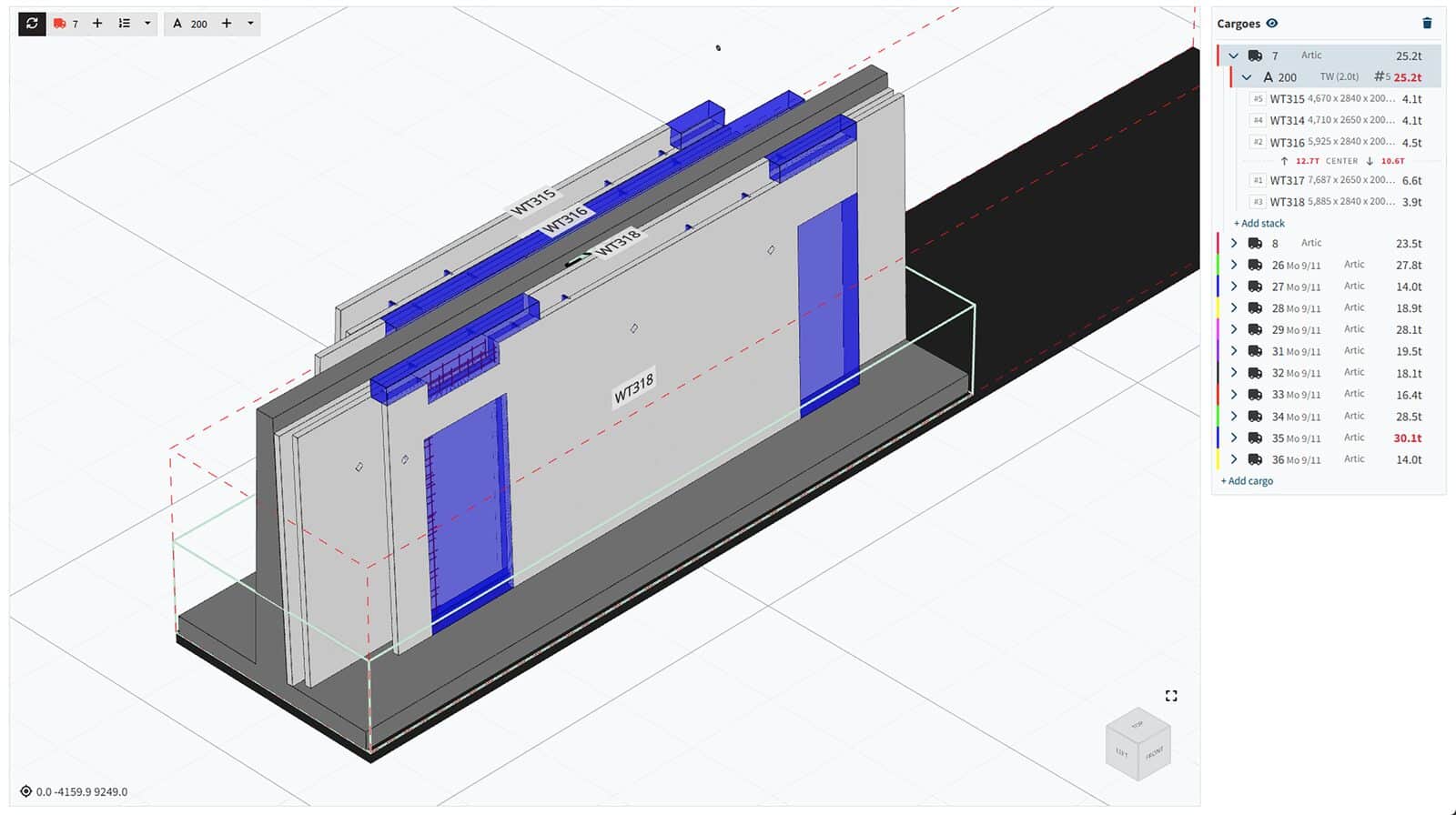
Digital workflows offer a way to address this challenge. IMPACT is StruSoft’s software platform for the design, production, and project management of prefabricated elements. It was developed specifically for the prefab industry and helps integrate engineering, detailing, production planning, and project information into a single, unified workflow. Thanks to specialized tools for sandwich walls and solid walls, designers can work directly in 3D, while drawings, reports, and production documentation remain synchronized throughout the project. Within a single modeling environment, engineers can coordinate openings, insulation layers, fill materials, lifting positions, formwork systems, lattice girders, standard reinforcement, and connection details, while maintaining consistency across all project deliverables. When changes are made to the model, the corresponding drawings and documentation are automatically updated, which helps maintain consistency throughout the project.
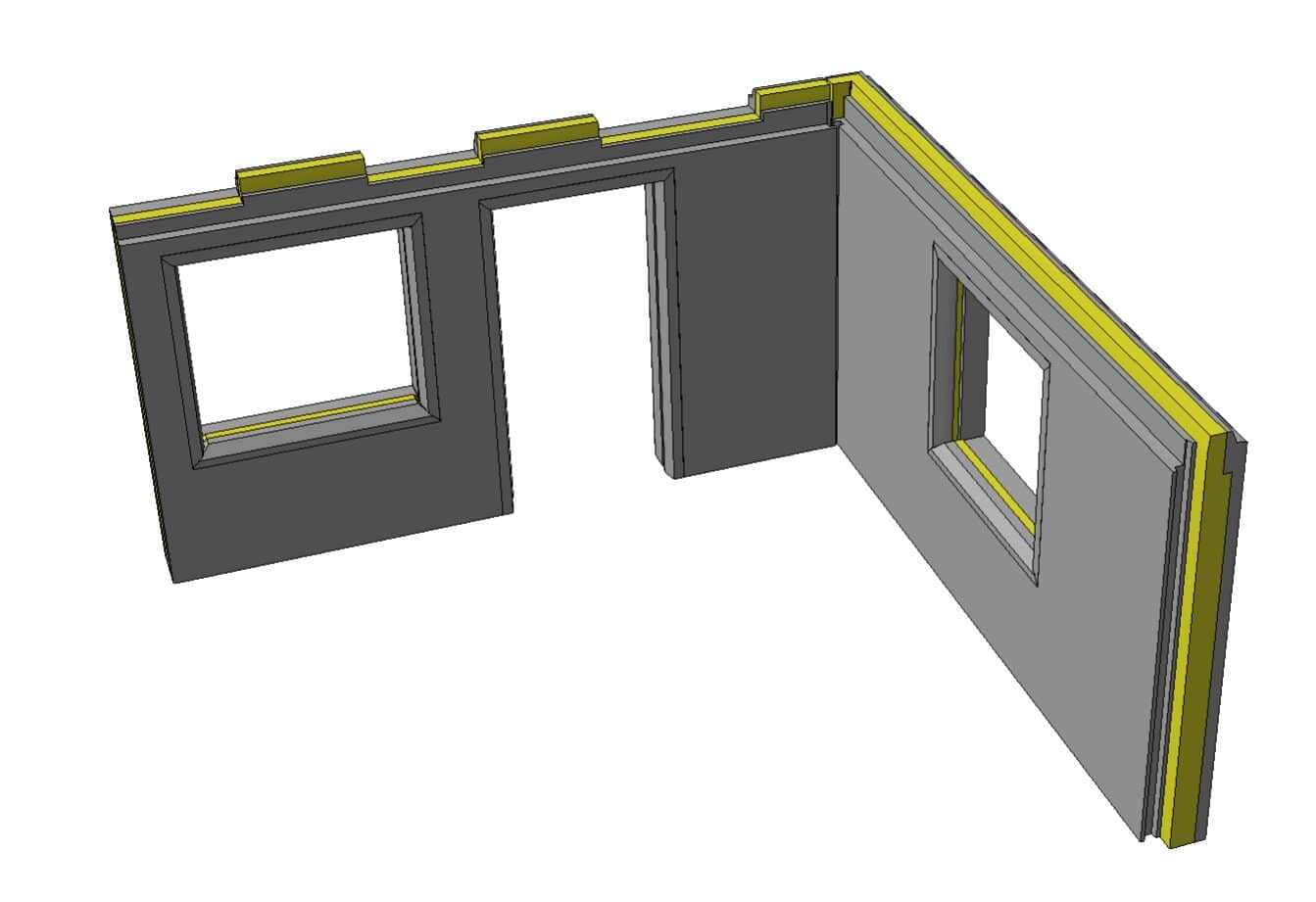
Automation has become an important tool for precast manufacturers seeking to improve both efficiency and quality. Tasks such as generating working drawings, positioning lifting systems, creating rebar templates, calculating centers of gravity, and preparing production documentation can be handled more efficiently through automation.
Automation helps ensure consistency across projects and reduces repetitive manual work, allowing engineering teams to focus on coordination, quality assurance, and technical decision-making.
The quality of production often depends on the quality of the information provided long before manufacturing begins. An integrated workflow helps establish a common project foundation. Designers, project managers, and production staff work from the same data source, reducing duplicate data entry and improving communication between teams. Drawings, reports, reinforcement information, and production details remain aligned throughout the entire project lifecycle. For manufacturers producing sandwich walls and solid walls, this leads to greater confidence in scheduling and a smoother transition from design to production.
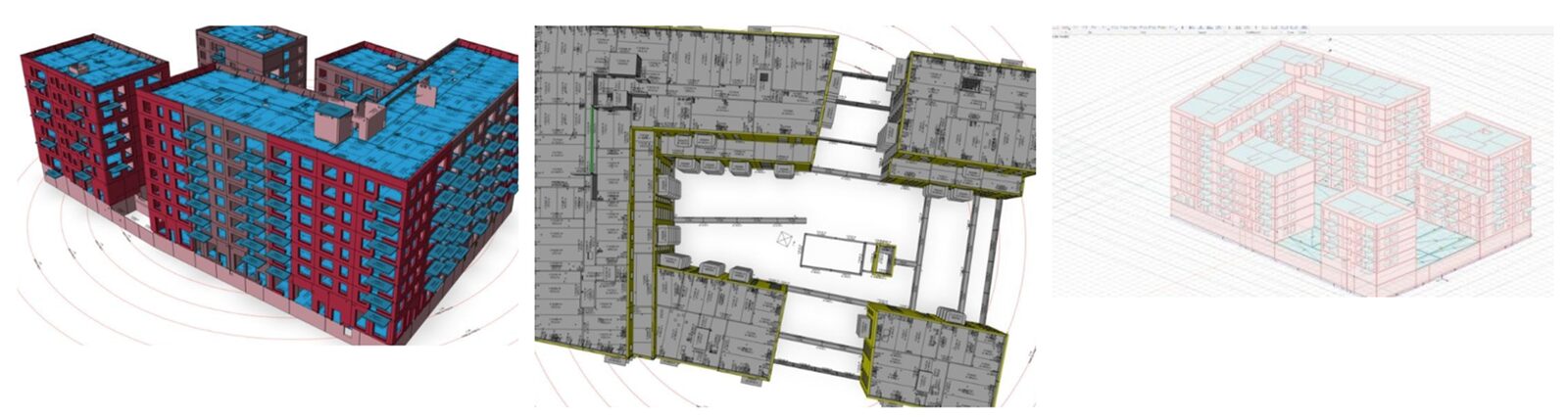
The composition of production teams is also changing. In the Netherlands, there are increasingly more employees with different language backgrounds, and not everyone is fully fluent in Dutch or English. This makes it especially important that production information is not only accurate but also quick and easy to understand. Visual information can play a key role here. With IMPACT Production, information about prefabricated elements is linked to the central 3D model, and drawings, reports, and element data can be made immediately available for production. As a result, explanations rely less on lengthy written instructions, and information can be visually supported with drawings, images, and element details. In this way, a digital workflow not only helps organize production but also ensures that the correct information is conveyed clearly to the shop floor.
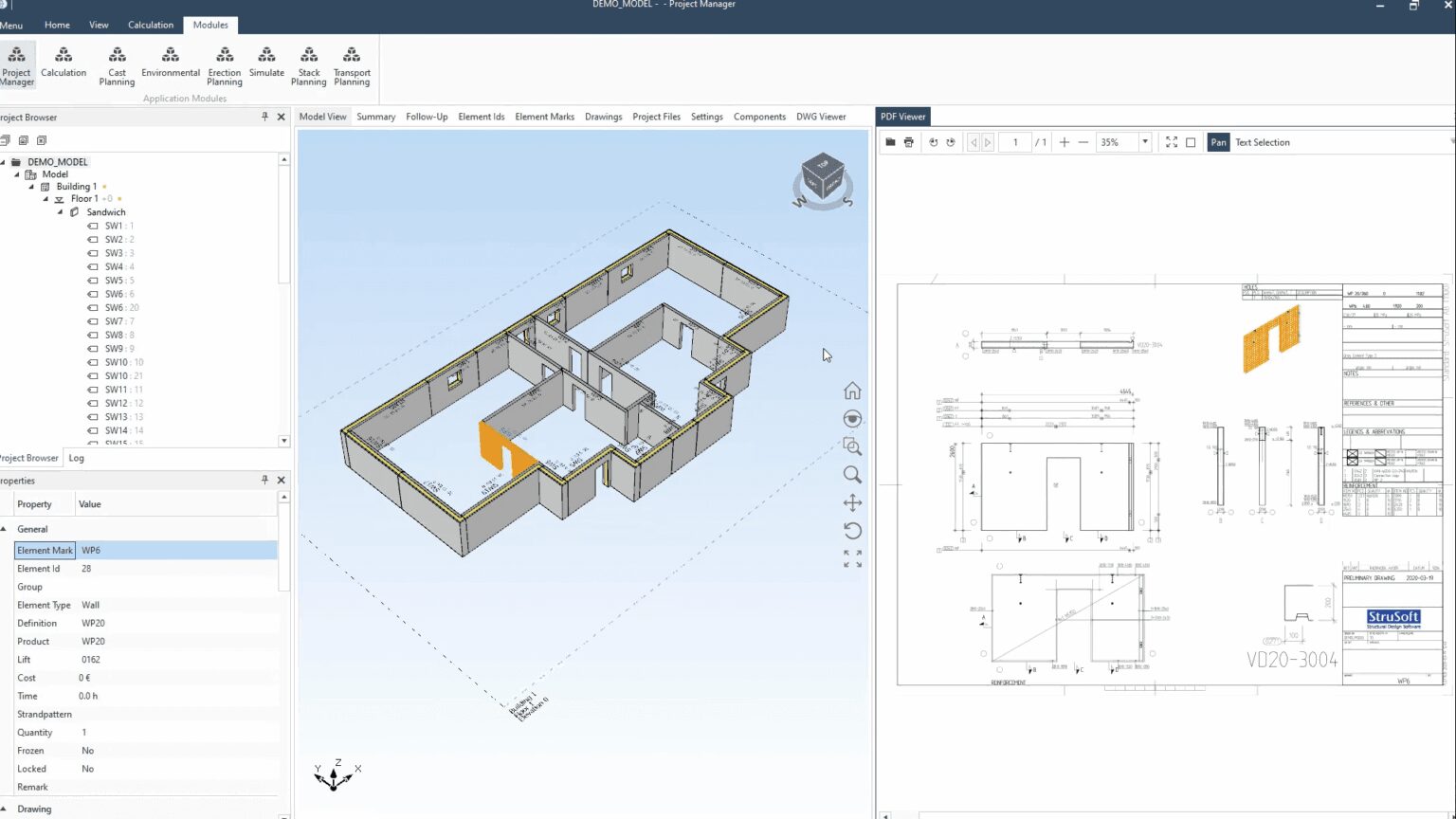
The prefab industry continues to evolve. Projects are becoming increasingly customized, customer expectations continue to rise, and delivery schedules are under pressure. Solutions such as IMPACT provide a foundation for linking design, detailing, and production within a single integrated workflow. This helps organizations create a more transparent workflow, maintain consistency, and support future growth. Reducing complexity isn’t about making projects simpler. It’s about giving teams the tools and information they need to manage complexity more effectively.
Neem dan rechtstreeks contact op met Matrix Software.
 Contact opnemen
Matrix Software is an independent Dutch software house specializing in construction automation. We provide software and services to structural engineers, concrete plants, steel builders and frame manufacturers. With 43 employees we develop, sell, deliver and support our automation solutions. We do this from offices in Nijmegen and Winterswijk and Vilnius (Lithuania). Since 1983, we have focused on specialized business [...]
Bekijk Bedrijfsprofiel