









Building where it once wasn’t possible
Text Roel van GilsImage Platform Staalframebouw
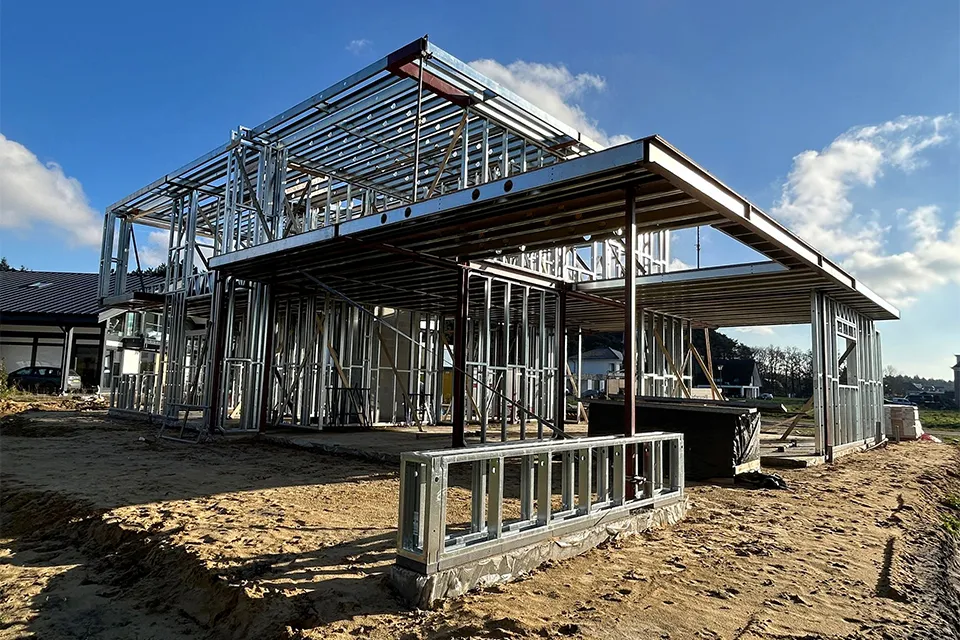
The way we build in the Netherlands is changing rapidly. Innovation, flexibility and smarter use of space are central to the search for future-proof solutions. Against this backdrop, steel frame construction is gaining ground fast. This lightweight and versatile building method makes it possible to build where it once wasn’t possible, and offers significant potential, particularly for adding extra storeys, but also in the commercial sector and luxury villa construction. Roy van Hoorn, chair of Platform Staalframebouw, shares his views.
“I was first introduced to steel frame construction in 2011,” says Van Hoorn, co-founder of BAAS architecten and an ‘ambassador’ for steel frame construction in the Netherlands. “In the higher-end private housing segment, where homes are becoming increasingly complex in terms of installations because of home automation, integrated speakers and smart climate control systems, the system literally creates space. Installations can be incorporated more easily and efficiently than with traditional building methods. In addition, long spans, cantilevers without visible supports and structures with minimal visible elements are easier and often more economical to achieve.”
Greater design freedom
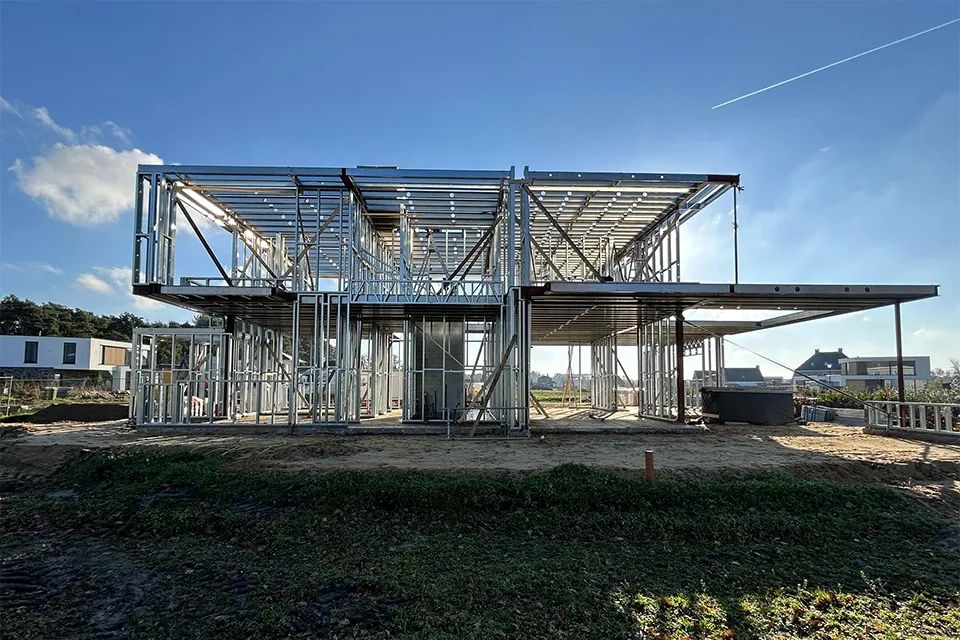
For architects, steel frame construction therefore offers greater design freedom without compromising on feasibility. Van Hoorn says the key condition is to keep everything in your own hands, from design through to engineering. “That is essential with steel frame construction. It is the only way to ensure that what is designed on paper is actually built that way on site.” In the commercial market, the main opportunities lie in adding storeys and serial construction. “This is where the lightweight nature of steel frame construction really comes into its own. Combined with hot-rolled steel, existing structures can be put to optimal use or cleverly relieved of load by means of a new load-bearing structure. This suddenly makes building on existing buildings feasible, without major interventions.”
Untapped potential
One of the greatest opportunities for steel frame construction lies on the roofs of existing buildings. “The Netherlands has a huge area of flat roofs that is still barely being used,” says Van Hoorn. “Steel frame construction makes it possible to add extra storeys. Unlike traditional building methods such as concrete, or even timber frame construction in some cases, which are often too heavy, steel frame construction offers a turning point: greater load-bearing capacity with less weight. This creates new development opportunities, particularly in urban areas where space is scarce.”
Misconceptions and acceptance
According to Van Hoorn, one persistent misconception is that steel frame construction is comparable to metal stud. “That is incorrect,” he stresses. “Although both systems use cold-formed steel, steel frame construction is load-bearing. It is a fully fledged structural system. Fortunately, we are seeing this stigma fade. Developers, structural engineers and suppliers are increasingly exploring the possibilities. Transparency and knowledge-sharing remain important. Platform Staalframebouw is actively contributing to this progress, including through events and knowledge-sharing sessions, such as the recent NETwerksessie at Eindhoven University of Technology on the possibilities of steel frame construction in the context of urban regeneration.”
Comfort and sustainability
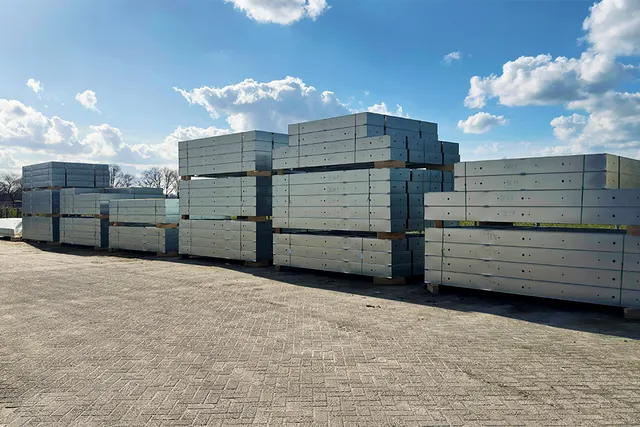
Van Hoorn assures us that steel frame construction is certainly on a par with traditional construction when it comes to comfort. “Its thermal performance is excellent. In some cases, stricter-than-usual sound reduction requirements need extra attention because of the lower mass, but this is fairly easy to achieve with simple, accessible solutions. Sustainability, finally, stems in part from the potential for prefabrication and the system’s demountable nature. Elements could be reused in some applications. In addition, prefabrication in 2D panels or even 3D building modules reduces construction waste and shortens the build time, which also has a positive impact on the national nitrogen issue.”
The future of steel frame construction in the Netherlands and Europe looks promising. “Just as timber pile foundations once opened up new areas for development, steel frame construction makes it possible to make better use of and extend existing buildings,” says Van Hoorn. “With the right partners, commitment and expertise on board, we really have a strong position.”
Have a business enquiry for C3 Staalframebouw? Get in touch
Companies in this story
Keep following this
Get an email when a new story is published. No account needed.
- ThemeBuilding in the existing city
- SubjectSteel
- CompanyC3 Staalframebouw