Platform on concrete and steel in construction
Concrete and steel can last surprisingly long, provided that maintenance doesn’t stop once the project is completed. Anthony van den Hondel increasingly views cathodic protection less as a purely technical measure and more as a driver of process-based asset management.
Anyone who talks to Van den Hondel about cathodic protection (CP) quickly moves beyond the technical aspects. As the owner of Cathodic Protection Supplies and Cathodic Protection Advice, he deals with it every day. As chair of the Concrete Maintenance Platform (BOP) and the CP Knowledge Center, his involvement goes even further. “Of course, it’s about concrete, rebar, electricity, measurement values, and systems that protect steel against corrosion. But it goes beyond that: structures last a hundred years, while organizations usually don’t.”
“Maintaining a facility like this isn’t a project with a clear beginning and end,” Van den Hondel emphasizes. “It’s a process that spans its entire lifespan.” That, he says, is precisely where things often go wrong. Project teams complete their work, people change jobs, files fade into the background, and after a few years, no one remembers why certain decisions were made. Van den Hondel is often one of the few who continues to monitor projects over time. “The structure will last a hundred years. So how do you keep track of who did what, when, and why? We have a nice word for that: the file. But in practice, it’s not always the living source of knowledge it’s supposed to be.”
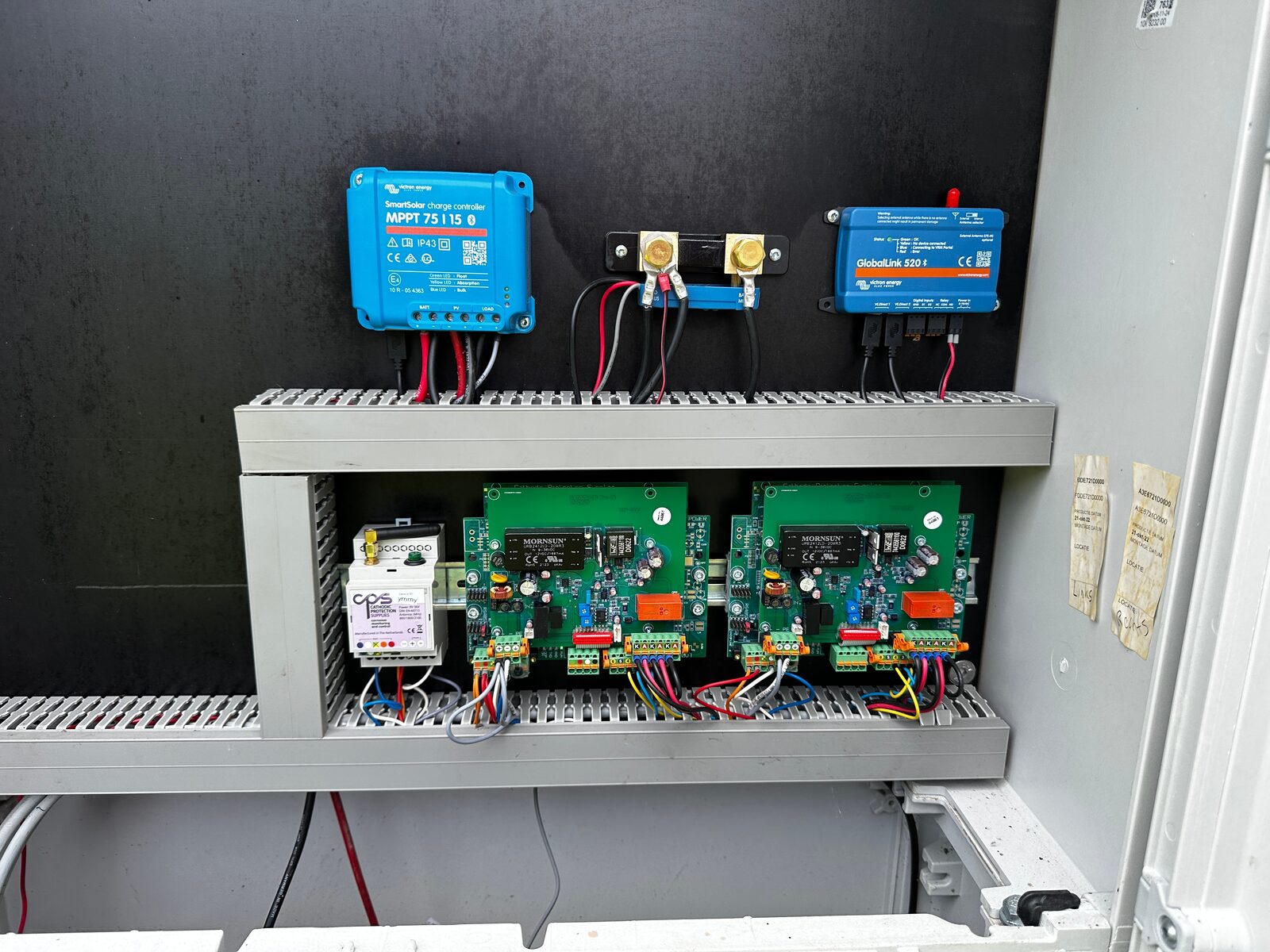
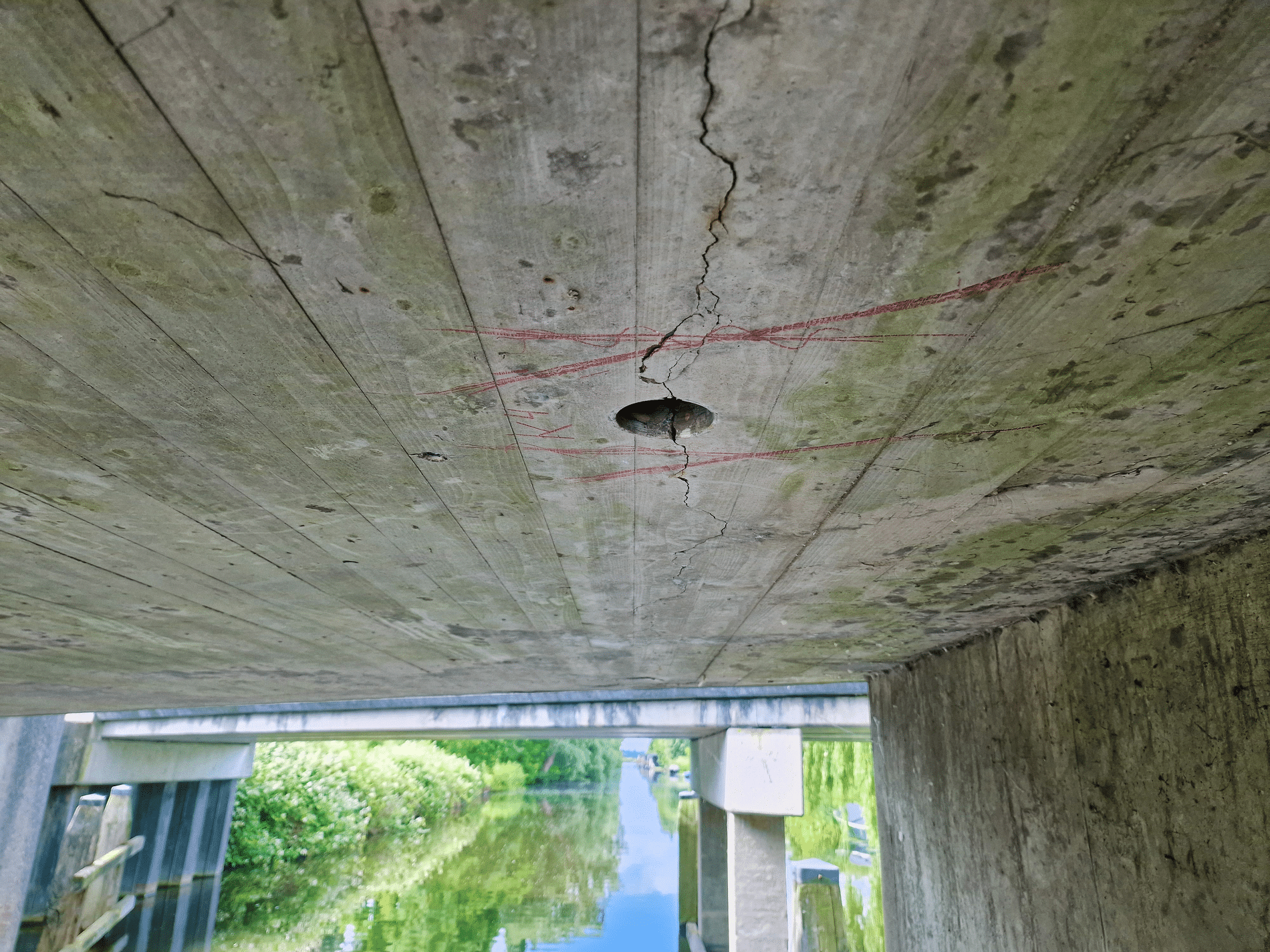
KB has made great strides in the Netherlands. The technology is now mature. A small electric current is used to influence the rebar in concrete in such a way that corrosion is slowed or stopped. Once the rebar has been repaired and protected, the effort required often decreases rapidly. “These systems don’t actually have such a heavy burden when it comes to maintaining the steel,” says Van den Hondel. “If you delve into the technology, you’ll see that the protection requirement drops dramatically within a year to about 25% of the initial value.” This doesn’t make KB management unnecessary—it actually makes it more visible. Systems generate data, measurements reveal trends, and anomalies are detected early. A leak, a locally deteriorated section of concrete, or a broken box: those who check regularly spot problems years before they become critical. “We then start to say: everything is still fine, but something is developing here,” says Van den Hondel. “Maybe something will actually happen in five years.” That’s exactly what makes this technology valuable: thinking ahead is cheaper, less stressful, and wiser than repairing things after the fact.
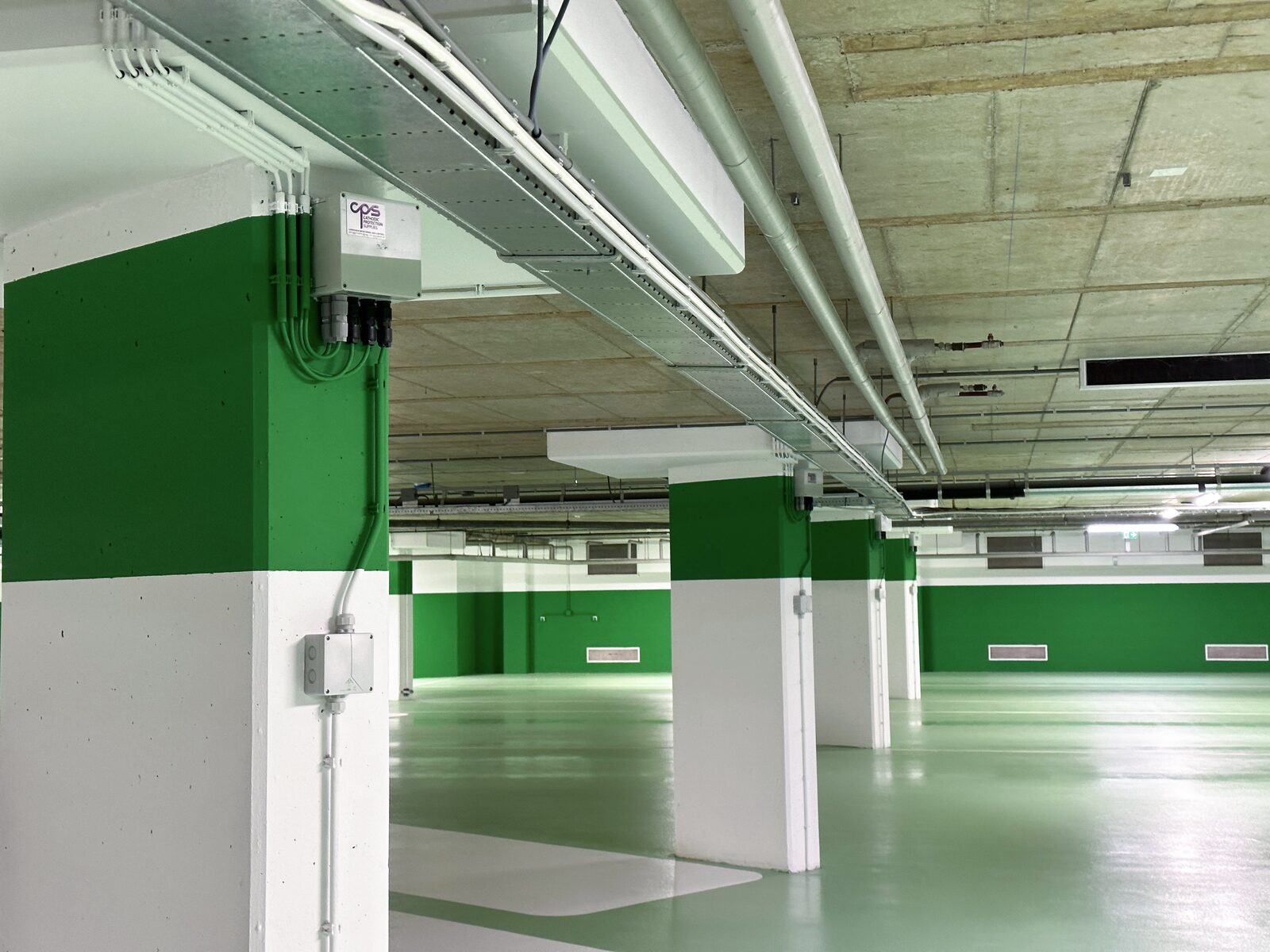
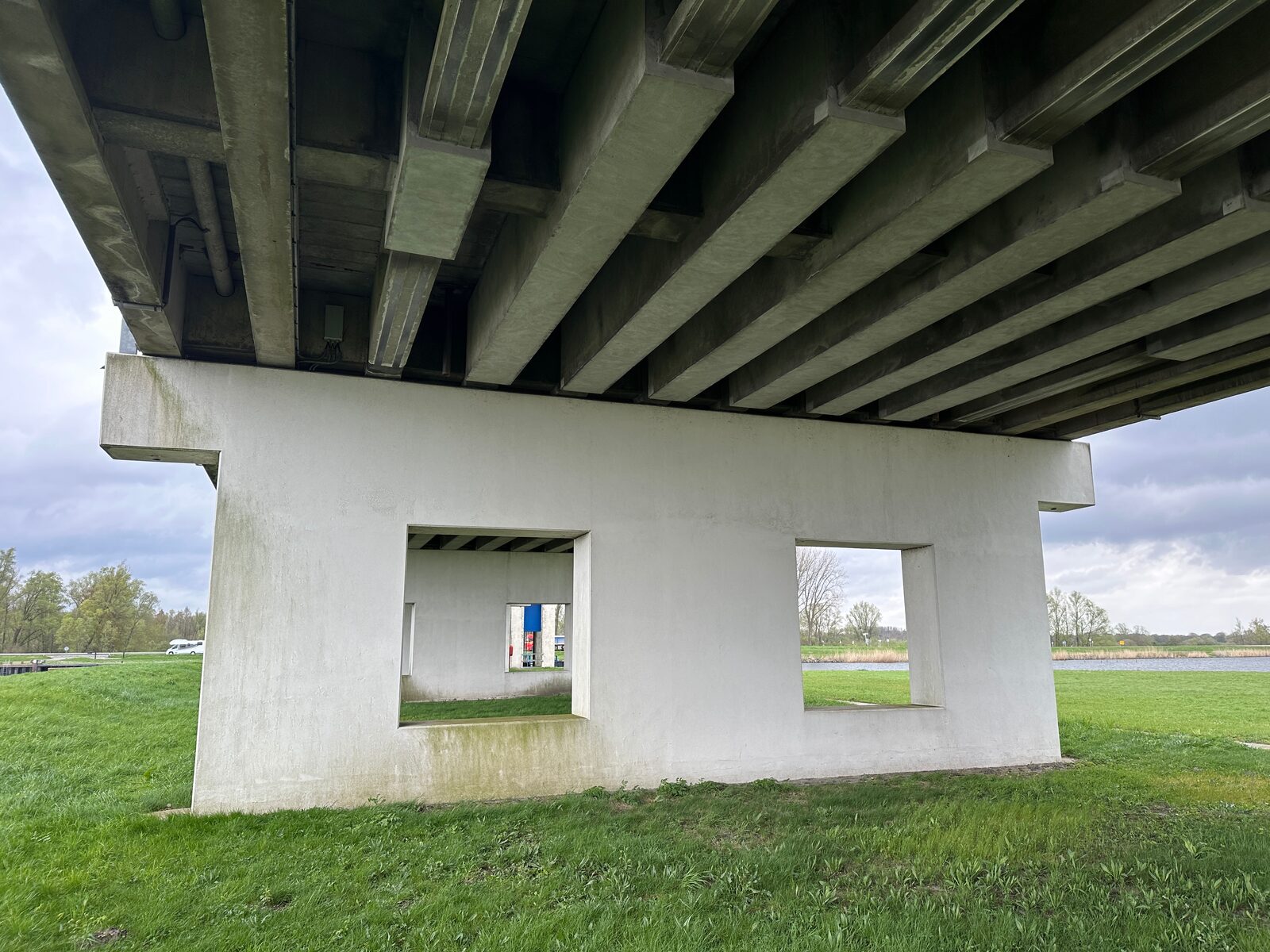
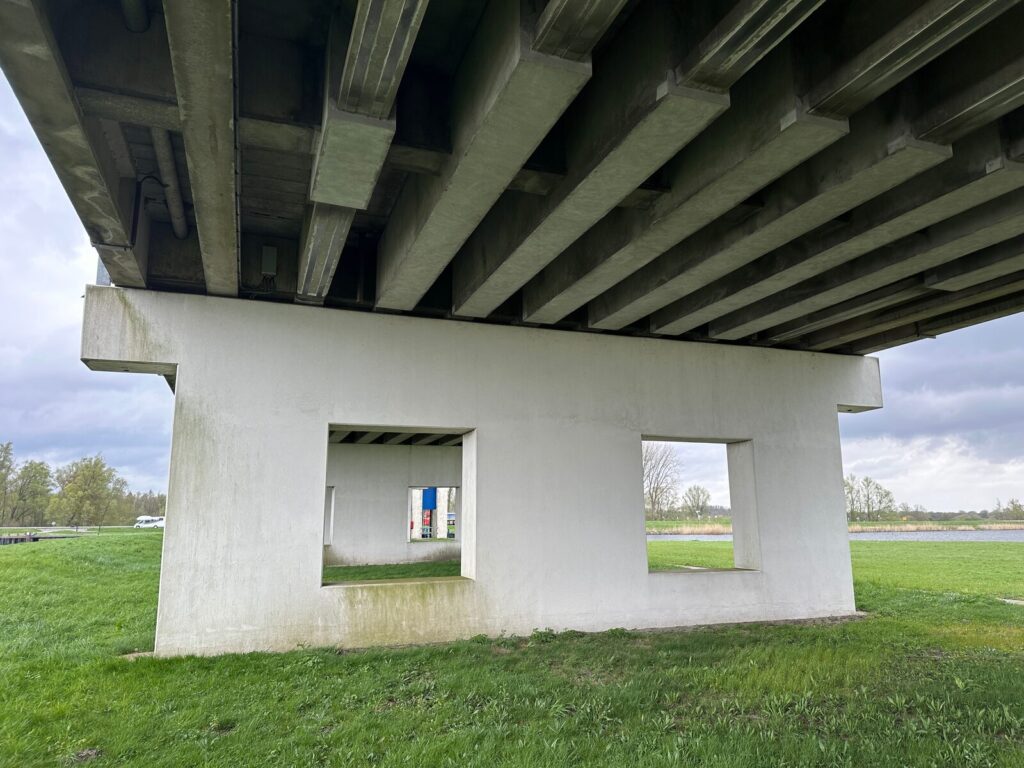
There is an important lesson to be learned here for concrete structures, bridges, parking garages, and civil engineering structures. On the electrical side, periodic inspections are a given. Equipment is subject to contracts, inspections, and maintenance schedules. With concrete, that reflex is less pronounced. Concrete seems quiet—until damage becomes visible and the situation becomes urgent. “As KB specialists, we frequently encounter the problem that concrete—its condition and protection needs—is not regularly inspected or considered,” Van den Hondel continues. “Once you do establish that process, managers realize: this is actually very different.”
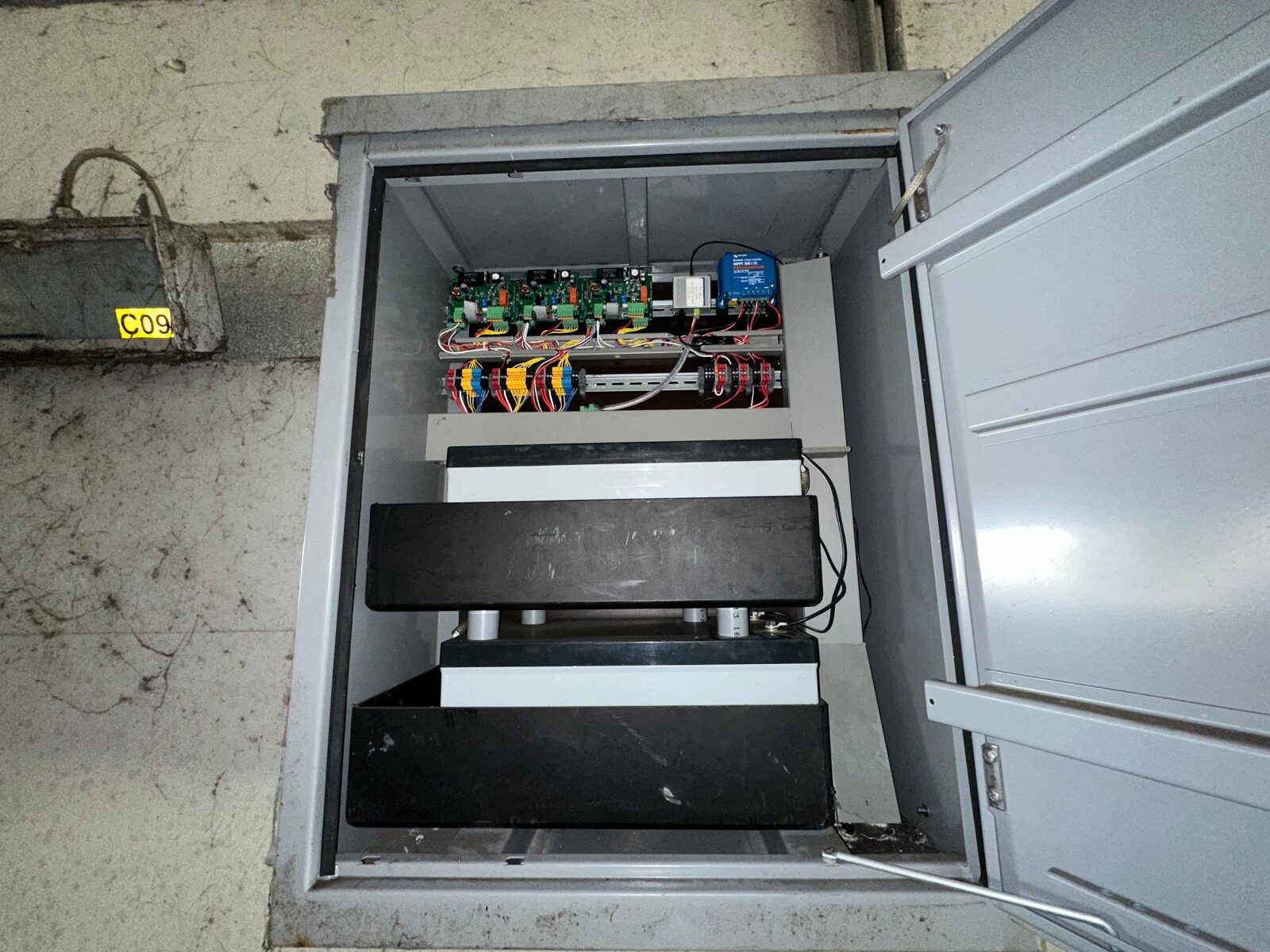
In that sense, KB is also a cultural issue. The technology demands continuity: measuring, comparing, recording, and passing on information. It’s about organizations that don’t just carry out projects, but organize responsibility. Van den Hondel: “It’s no longer the case that we only need to make a breakthrough in technology. The key lies in how we manage maintenance and operations.” That’s less spectacular than a new invention, but just as relevant. The lifespan of structures is determined not only by materials and design, but also by the memory of the managing organization. “Those who know what has been done in the past are better able to decide what will be needed in the future,” concludes Van den Hondel. “The problem is often not technical. It’s an organizational problem. KB keeps steel from rusting, but it also keeps managers on their toes. And perhaps that last point is the greatest benefit.”
During the Concrete Café on September 17, 2026, the discussion centered on a question that is also addressed in this article: when is protection sufficient, and when is repair necessary? Speakers and attendees discussed how inspection and diagnosis help facility managers choose the right course of action at the right time. This involves not only visible damage, but also its cause, the desired remaining service life, and the consequences of delay. The Concrete Maintenance Platform is incorporating the insights from the meeting into discussions with municipalities and provinces, among others, regarding the extended use of existing concrete structures.