Platform on concrete and steel in construction
The profound power of forensic damage investigation
When damage has major constructive and/or therefore financial or legal consequences, certainty is essential. Forensic damage analysis may then offer a solution. It is the most extensive and thorough form of damage analysis within the construction and engineering sector. With almost 40 years of experience, a unique team of multidisciplinary specialists and a proven methodical approach, Nebest is the expert in forensic damage investigation. Damage consultant Maarten Swinkels and product manager Maikel van Dooren update us on the importance of forensic damage investigation and common misunderstandings.
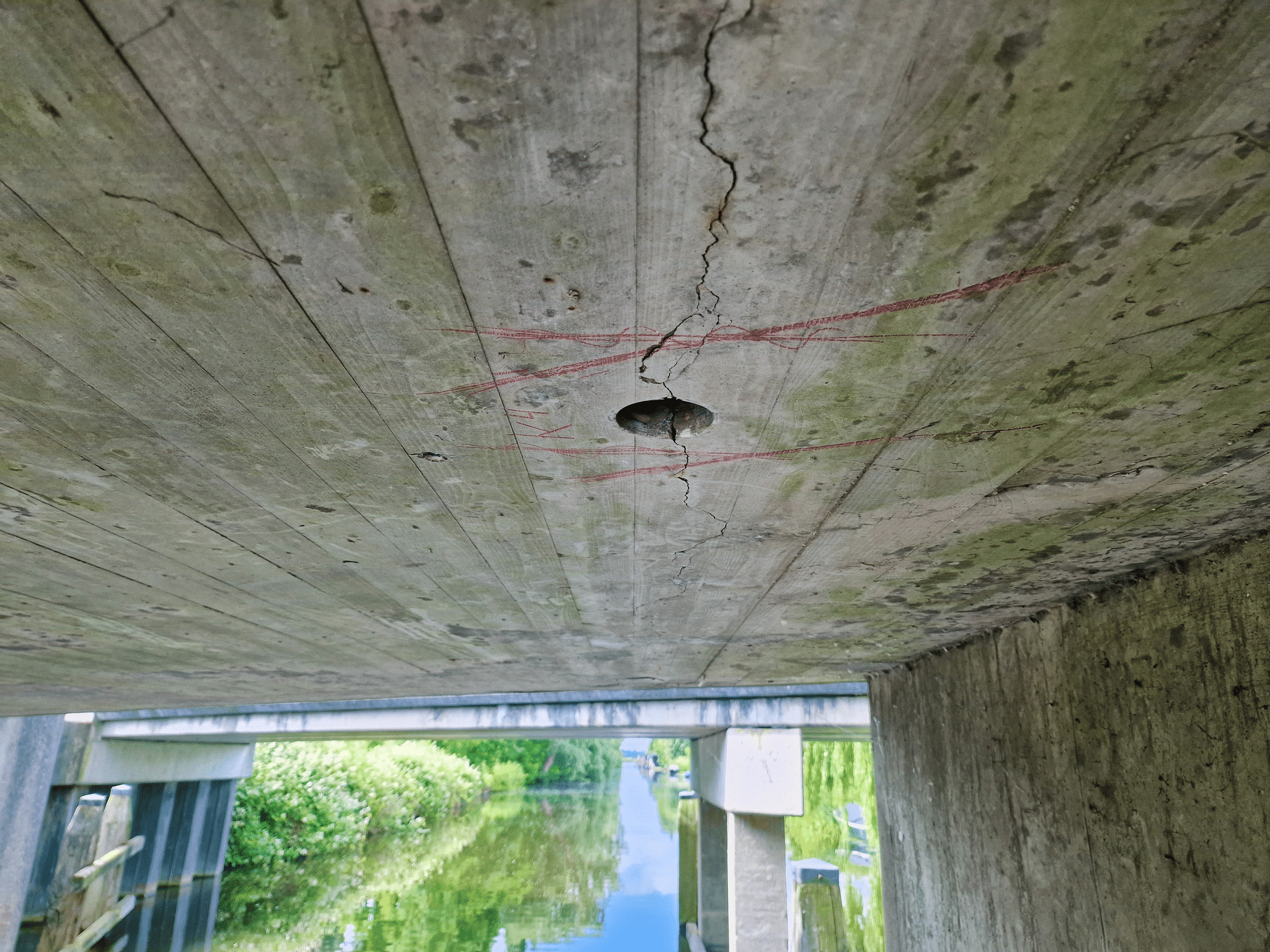
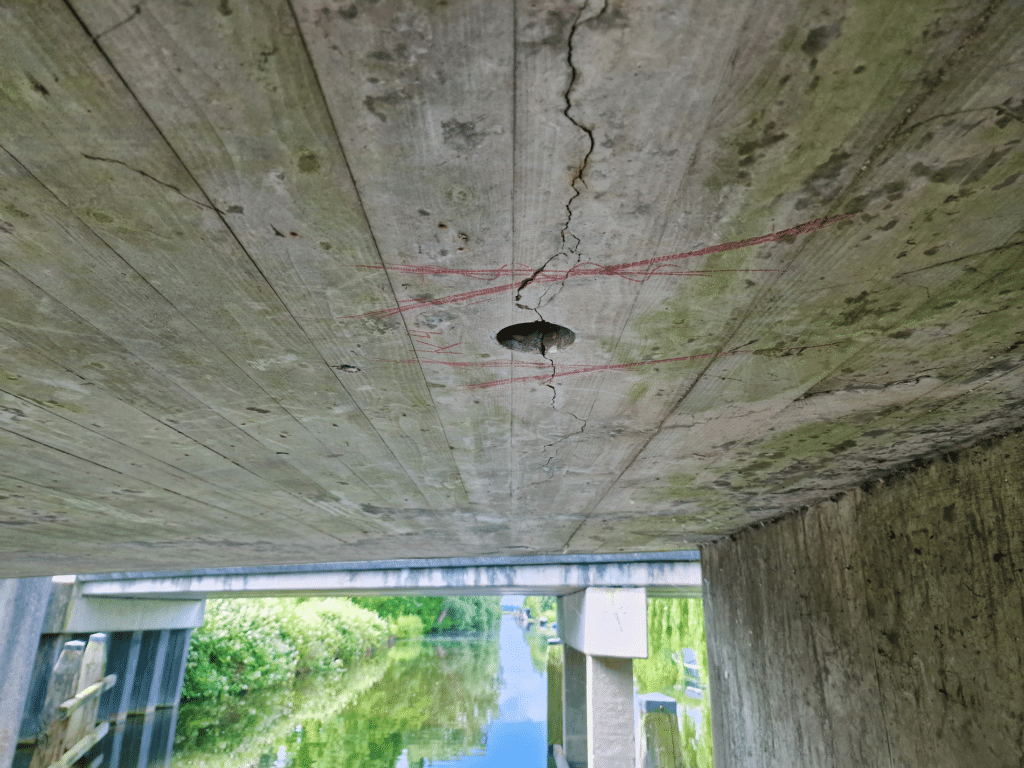
“In practice, the need for forensic damage investigation often arises after an initial exploration, such as a quick scan of damage or damage investigation,” Swinkels begins. “If this shows that the problem is complex or may have major consequences, it is scaled up. Sometimes that step is immediately obvious, for example in the case of serious incidents such as roof collapses, problems in parking garages or façade elements coming loose. But relatively minor defects, such as a crack in a tank silo at a refinery or in a balcony slab, can also be a cause. Precisely because the consequences are potentially large.”
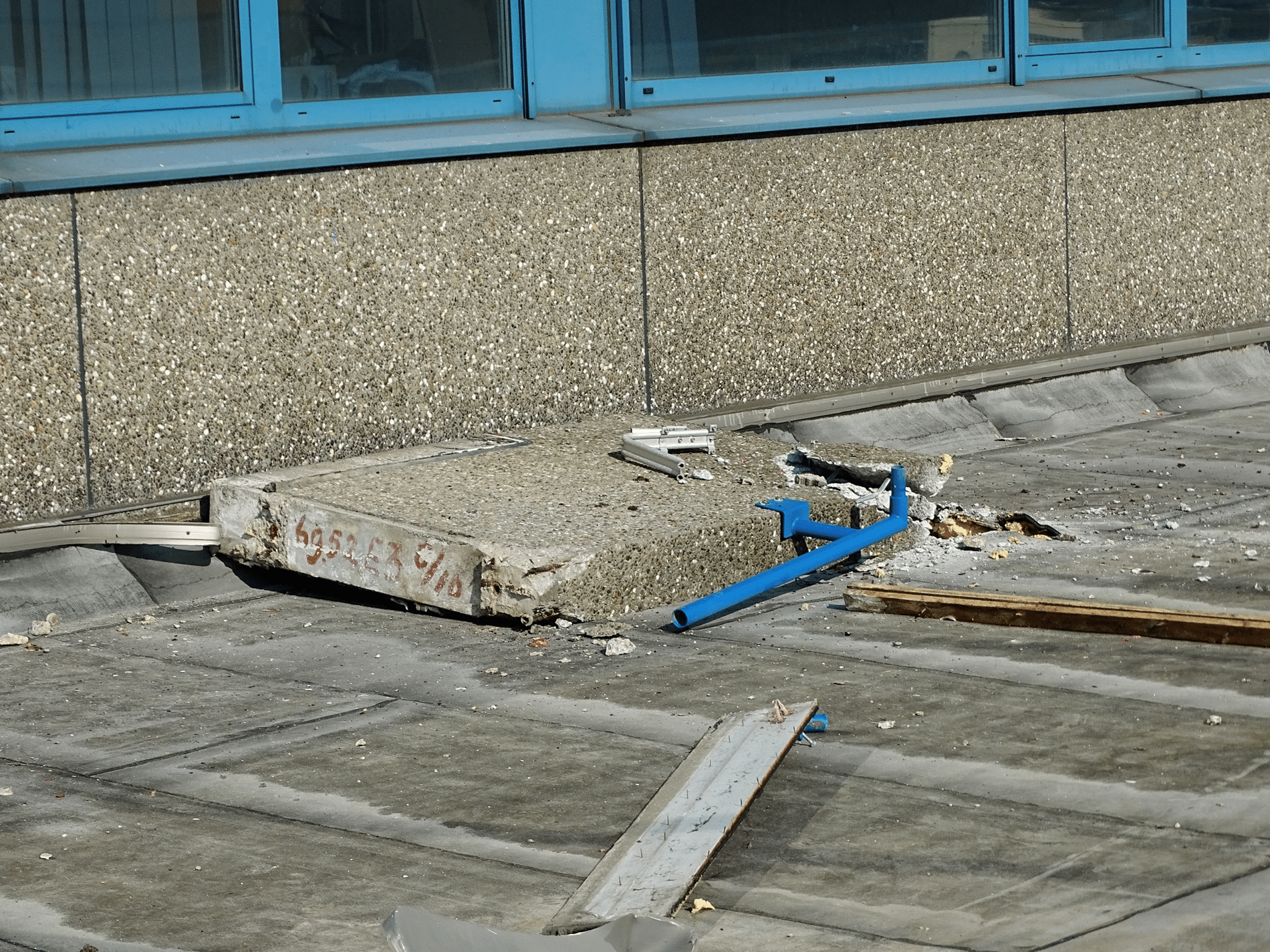
What distinguishes forensic damage investigation is its methodical and objective approach. “Work is done at Nebest according to a thorough and strict protocol, developed in-house. It is inspired by forensic investigation methods similar to those used by the police and involves building up an evidence base step by step,” Van Dooren explains. “That means formulating hypotheses, systematic testing, carefully recording evidence and actively trying to falsify alternative explanations.” Bias is explicitly avoided. Even causes that seem unlikely at first glance are examined to definitively rule them out.
A key feature is that forensic damage investigation is never done by one person. “It requires a multidisciplinary team of specialists, ranging from structural engineers and material scientists to experts in concrete, metal, stone, coatings, biological and microbiology,” Swinkels said. “Depending on the case, advanced techniques can also be used, such as 3D scanning, non-destructive testing, structural analysis and inspections with drones, both on land, underwater and from the air. It is precisely this broad deployment of knowledge and resources that makes it possible to approach a problem from all angles.”
With decades of experience in forensic damage investigation - even if it was not always explicitly called ‘forensic’ before - Nebest has built a strong reputation. The firm is regularly called in by other engineering firms and even the courts precisely because of its thoroughness and independence. “Our added value lies in the combination of in-depth expertise and a wide range of specialties under one roof, with the ability to scale up quickly when the situation calls for it. This eliminates noise between different parties and allows for efficient and consistent work.‘
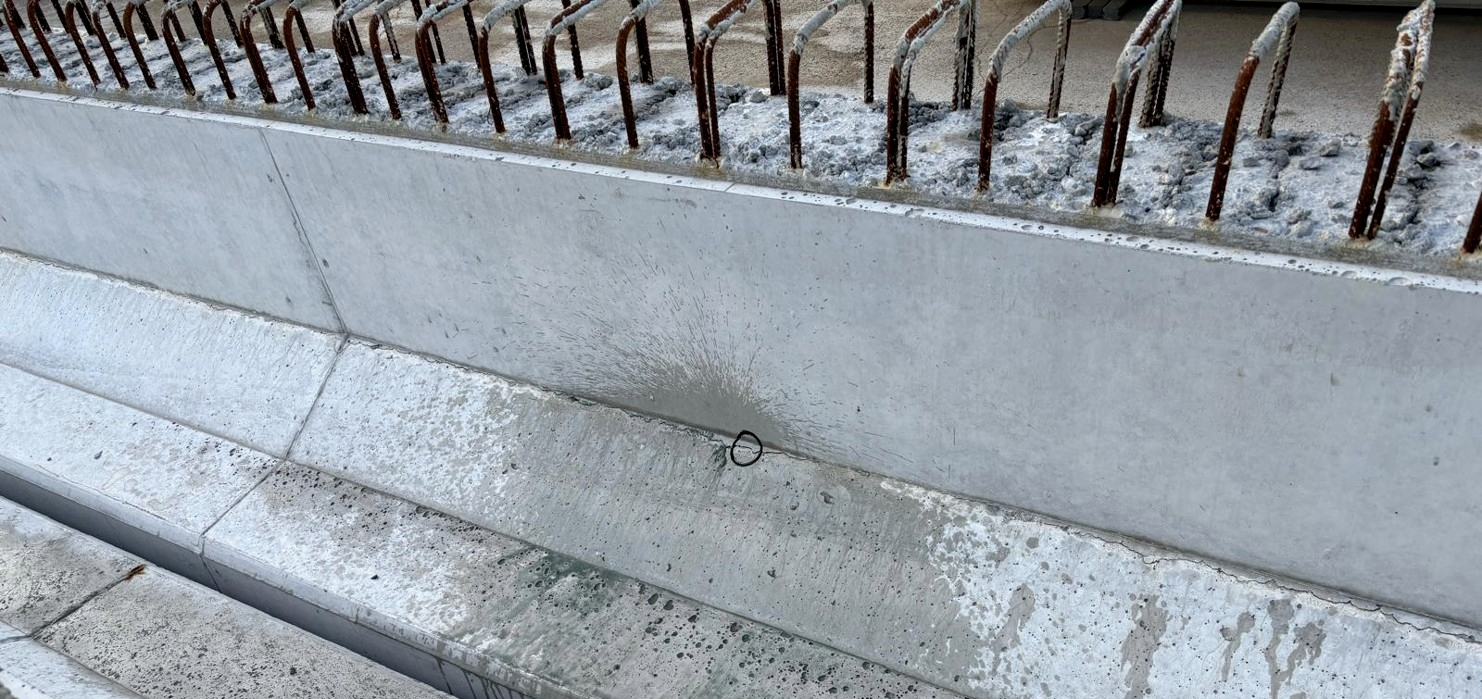
One misunderstanding about forensic injury investigations includes bias. “Sometimes people think they already know the cause before the investigation begins. In reality, it is essential to keep all possible causes open and test them systematically,” said Van Dooren. “A second misunderstanding is that the investigation would be aimed at assigning blame. That is explicitly not the case. The focus is purely on determining the technical cause; Nebest does not comment on legal consequences. Thirdly, it is sometimes thought that one expert is sufficient, while the power lies in a multidisciplinary team that critically questions each other.”
Forensic damage assessment is thus indispensable in situations where certainty is required. Whether for new structures, existing buildings or projects that are decades old, when the stakes are high, this approach provides the certainty and substantiation needed to make informed decisions.
Neem dan rechtstreeks contact op met Nebest BV.
 Contact opnemen
We are Nebest An independent engineering/ consulting firm, specializing in inspection, in-depth technical research and advice as well as project management in construction, infra, industrial and hydraulic engineering. Asset management is in our DNA and was embedded within the organization since its establishment in 1988 with Nebest's role in the creation of risk-based inspection and management. Anno [...]
Bekijk Bedrijfsprofiel