Platform on concrete and steel in construction
Concrete and steel present an interesting challenge. They are indispensable in the built environment, but their production requires a great deal of raw materials and energy. According to Siska Valcke, Senior Scientist Integrator for Building Materials at TNO, the solution therefore does not lie in simply replacing concrete or steel with a single alternative material. The greatest benefits are achieved when materials are used more intelligently and, above all, in combination with one another.
Valcke’s career at TNO began with microscopic research into concrete damage and damage mechanisms. His focus soon shifted to sustainability. Reducing cement content, developing new binders, reusing concrete rubble and powders, and reusing concrete at the component level: a lot is happening. But one important lesson became clear. “You can make concrete more sustainable on a per-kilogram basis, but if you then need much more reinforcement to make it structurally sound, you’re not necessarily more sustainable on balance,” she says emphatically.
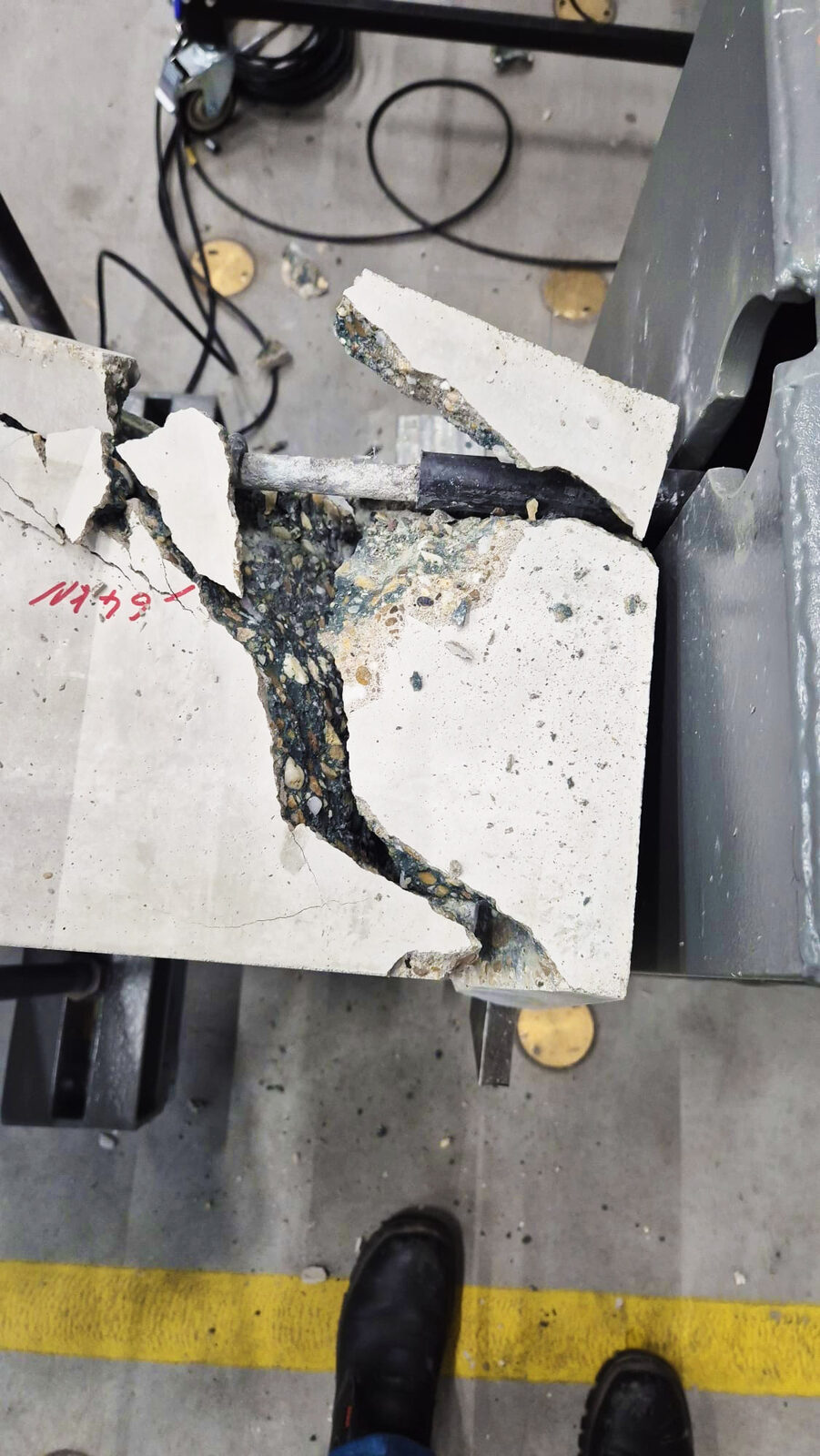
That is why, according to Valcke, the focus is shifting from materials to individual elements and then to the entire building. “Think of material-efficient hollow-core slabs, new types of concrete, and hollow foundation piles.” At the same time, there’s a growing focus on industrialized and demountable construction. That means not only using fewer materials, but also thinking ahead about how a building can be dismantled later and its components reused. This creates an interesting tension. Material reduction calls for using as little material as possible, while future reuse may actually require sufficient reserves. So the question is not only how much material a structure needs today, but also what value it will still have tomorrow.”
Another area of focus is legislation and regulations. “Current standards are largely based on tried-and-true materials and calculation methods. New, more sustainable concrete variants don’t always fit seamlessly into that framework,” Valcke knows from experience. Nevertheless, she believes the performance-based approach to regulations offers some flexibility. This is also where TNO comes in. “It’s up to us, as research institutions, to work with market stakeholders to make that flexibility practically applicable—for example, by conducting tests at a higher level using complete precast elements. Once you have more variations in material use and start reusing more, it makes sense to think more in terms of prefabrication. In a controlled factory environment, all of this is more manageable, and new combinations can ultimately be tested systematically.”
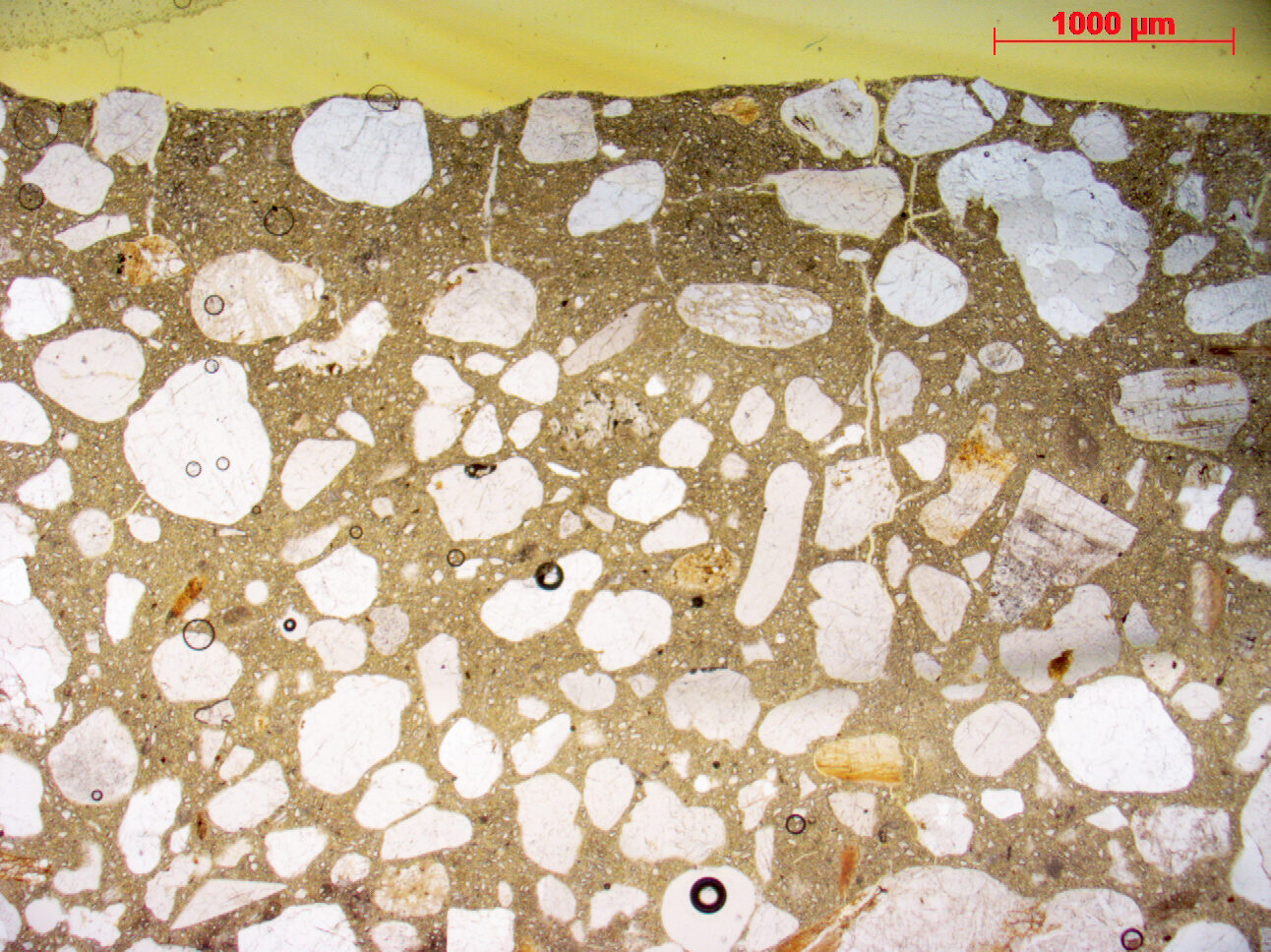
According to Valcke, the future lies in combining materials such as concrete, steel, and wood, using each material where it works best. “That does require more collaboration across disciplines. Engineers will no longer be able to think solely in terms of their own material, but will have to work together to address safety, circularity, fire, noise, and affordability,” she says. “You can already see this happening at TNO, where, for example, concrete and wood engineers sit down together. This also involves partners from the industry representing different ‘schools of thought.’ Especially to challenge each other to move beyond their own convictions.” Her most important message for clients, designers, and contractors is therefore: “Don’t close the door on the future. There are more and more innovations, especially now that raw materials are becoming scarcer. So don’t settle for a single miracle solution; instead, leave room to combine different innovations.”
According to Valcke, there will still be plenty of room for concrete and steel even twenty years from now. “We’ll just probably use them differently: with less cement, less material, and in combination with other materials. The focus isn’t on the material itself, but on the performance of the building as a whole.”