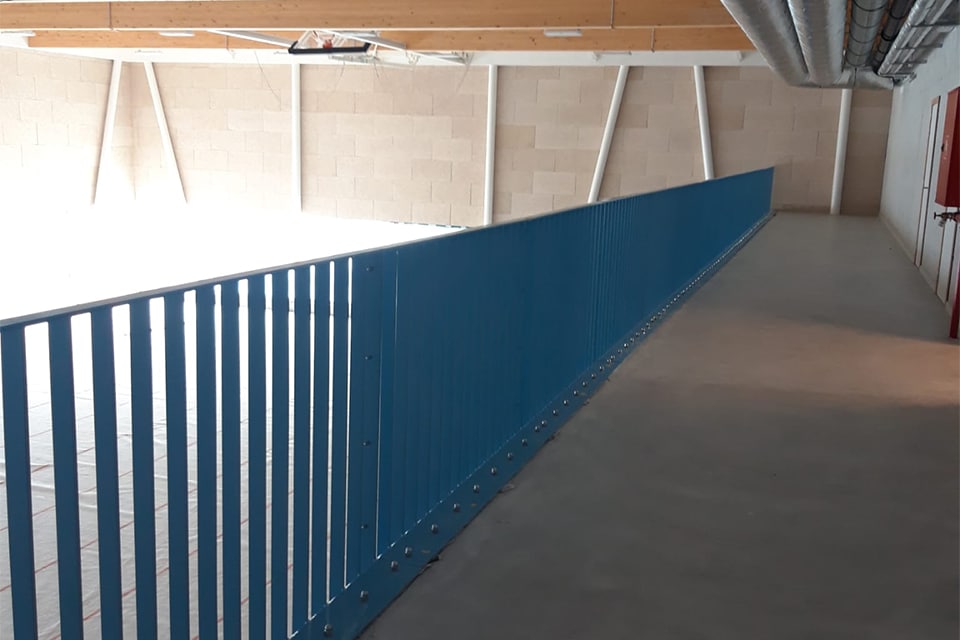
Platform on concrete and steel in construction
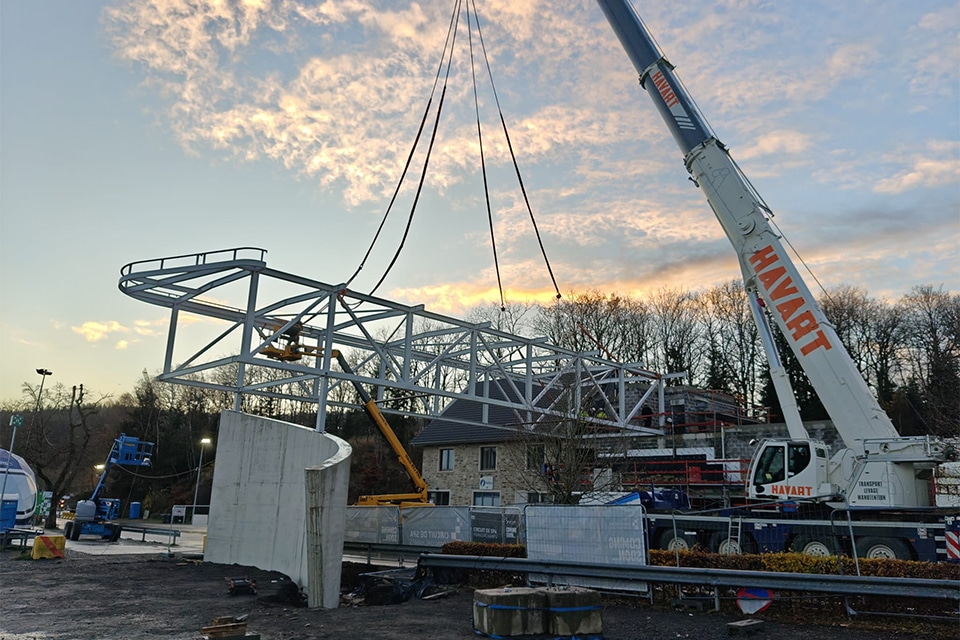
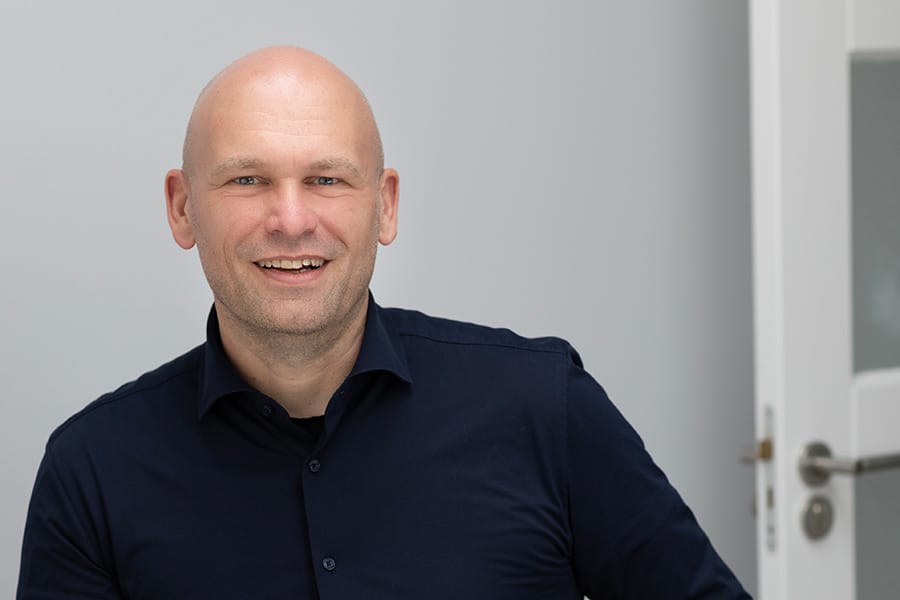
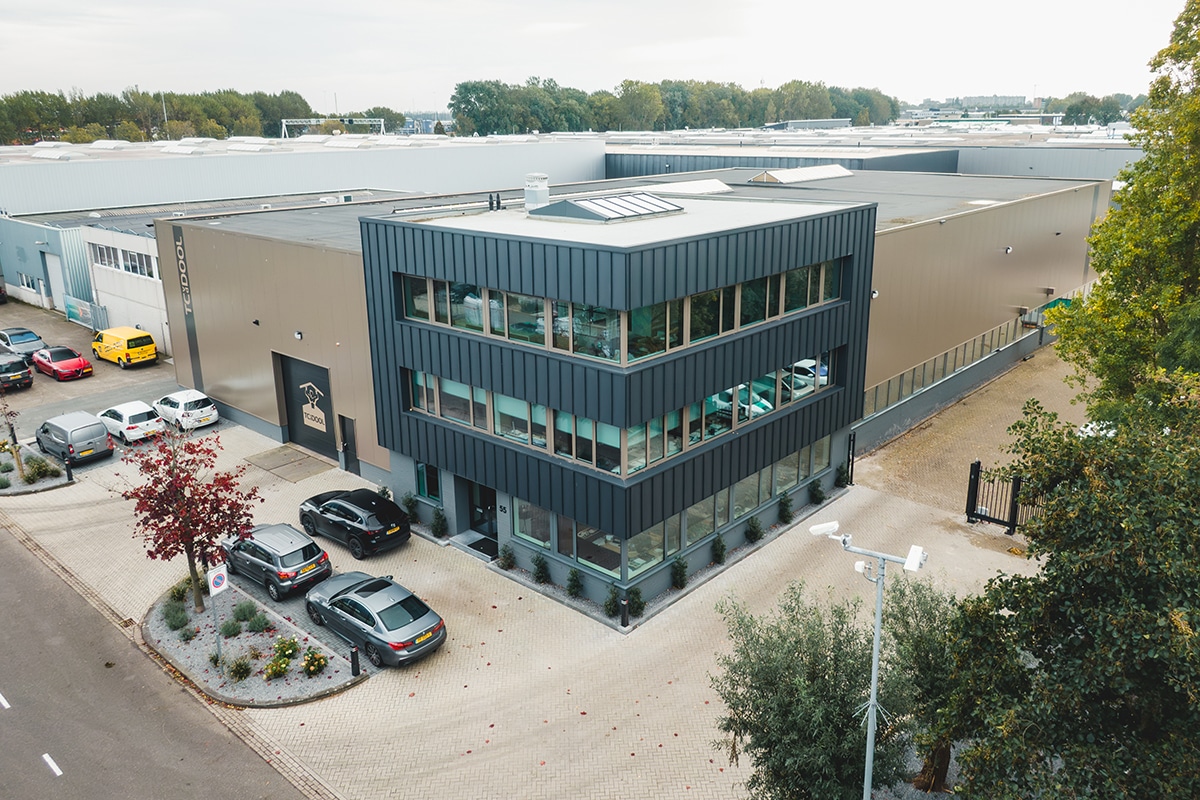
Cevo System, based in Tessenderlo, is a family-owned business with nearly forty years of experience in steel construction. Under the leadership of Donat Krafft, the company has chosen a course in which flexibility, manageable growth, and control over operations are more important than maximizing tonnage. In this regard, bocad and Liemar each play a clear role in their own way: as tools to work smarter, manage more effectively, and keep the organization agile.
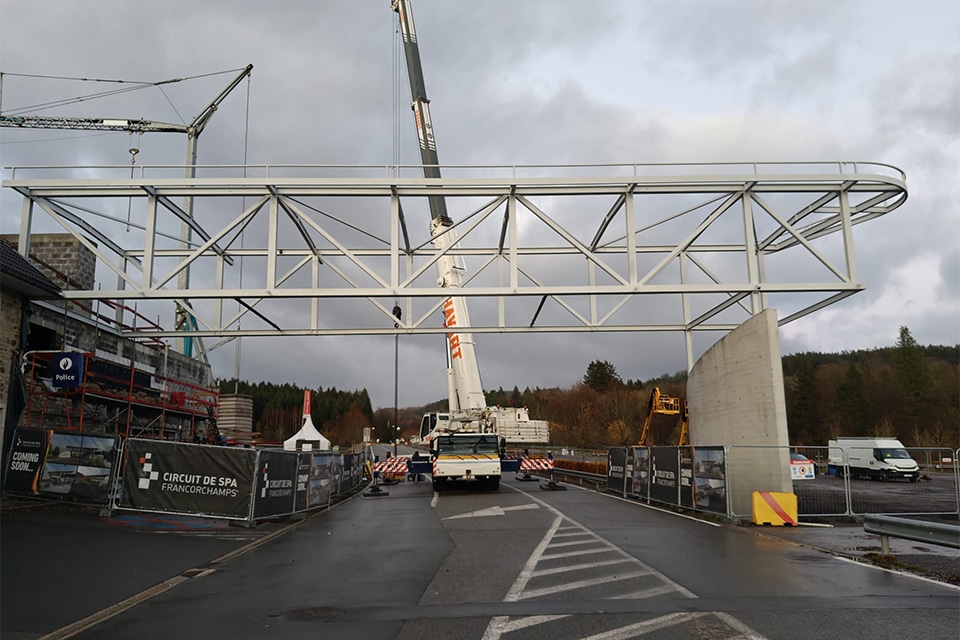
Cevo System specializes in the engineering, manufacturing, and installation of steel structures. In the past, the company also undertook turnkey projects, but it has deliberately shifted its focus. The company now focuses on steel, manufacturing, and assembly.
That decision depends on the company’s scale and ambition. Cevo System wants to grow sustainably, but not at the expense of flexibility or entrepreneurship. Donat puts it simply: ‘For me, the ideal situation is when we can serve our customers well and remain flexible. That’s more important than just looking at tonnage.’
Cevo System does not, therefore, pursue growth for growth’s sake, but instead favors projects that are a good fit for the organization, its people, and its workshop. The company selects projects that align with its facilities, lifting capacity, and in-house expertise.
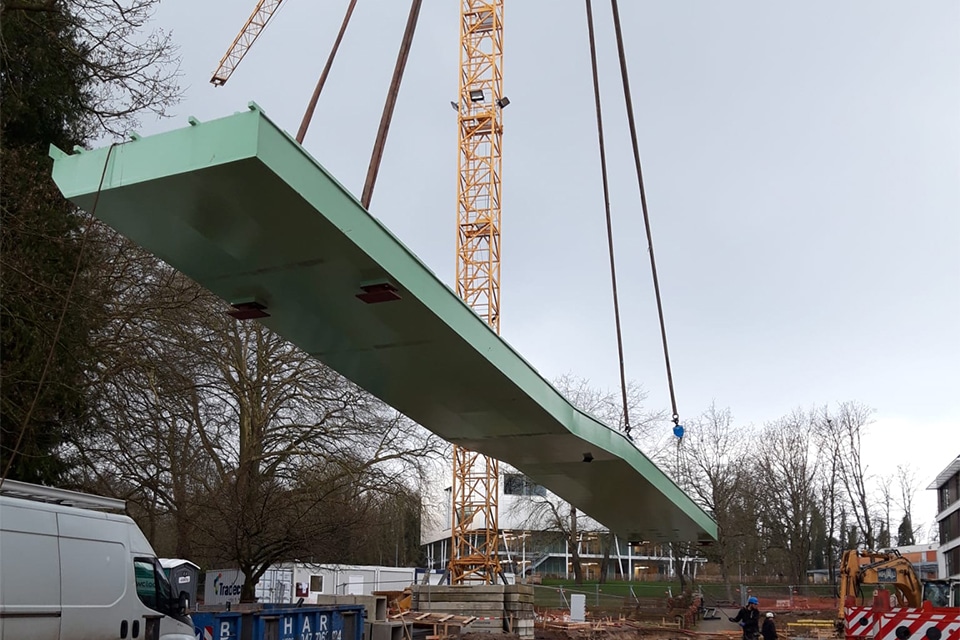
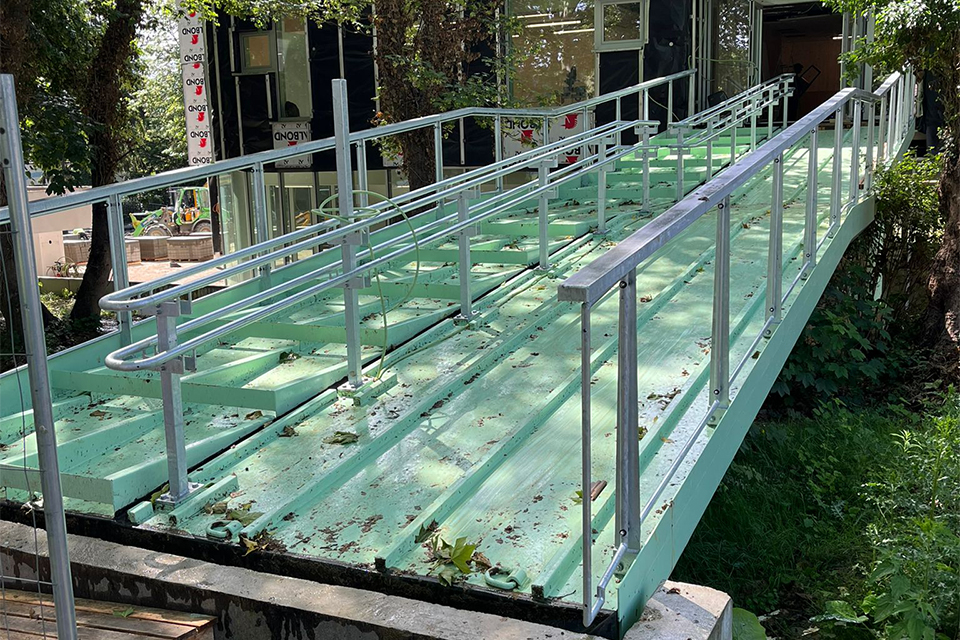
Although Cevo System is increasingly focusing on structural work, the company remains versatile. Steel structures are at the core of its business, but it also manufactures sheet metal parts, formwork for precast concrete, and specialized components for regular customers in industries such as the chemical and food sectors.
Donat sees this diversification as a strength: ‘Not being dependent on a single type of work or a single sector makes the company more resilient. So we’re willing to do a little bit of everything.’
Cevo System combines this broad scope with a compact organizational structure. In Tessenderlo, there is a small production team, an assembly team, and a lean administrative staff.
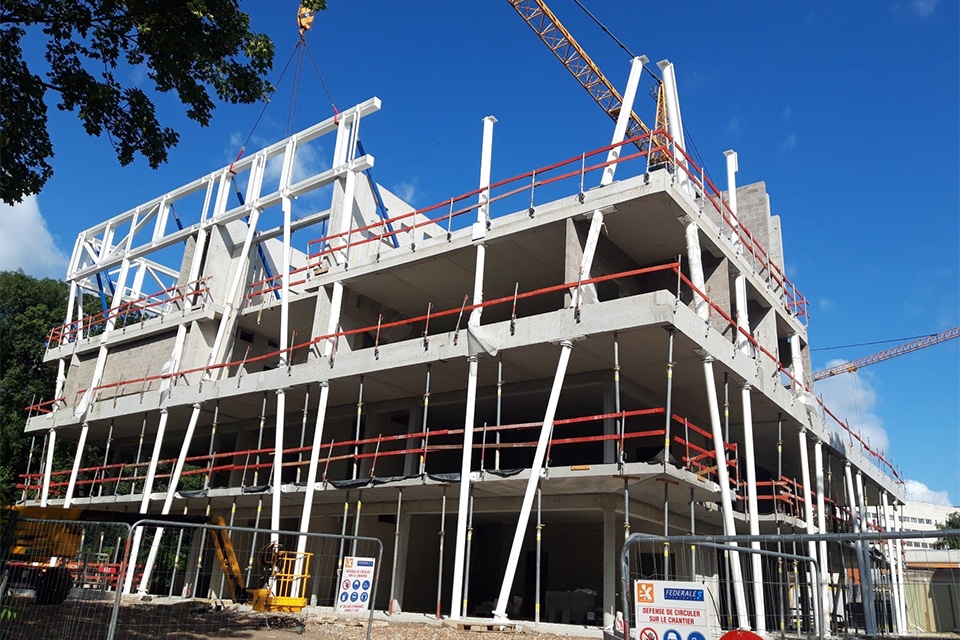
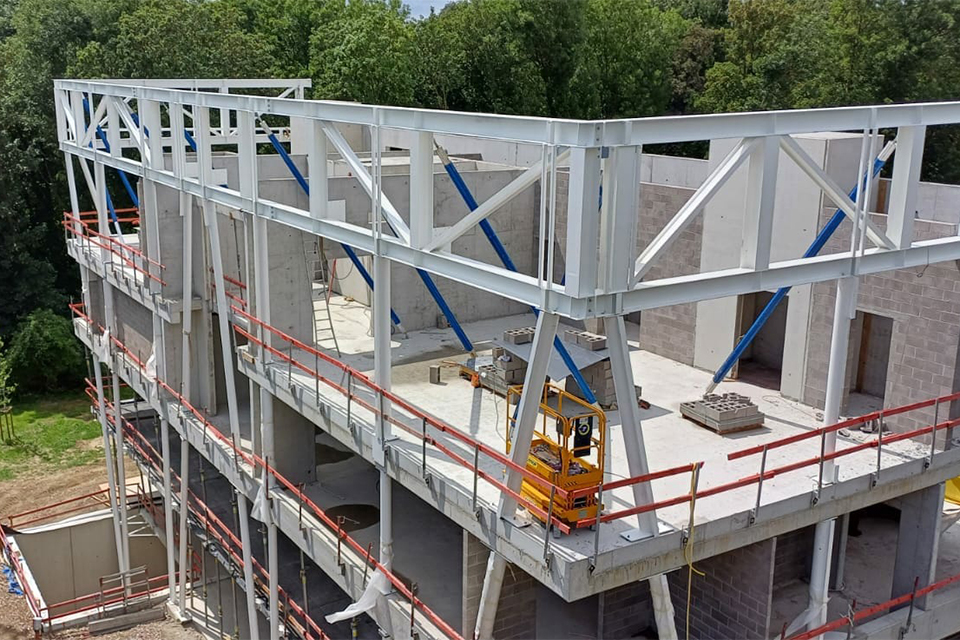
The path to our current way of working began years ago. Around the end of 2000, the need to go digital arose as manual drafting became outdated. Donat: ‘First, Advance Steel came into the picture, and later Parabuild as well. At one point, we were working with both systems side by side.’
Advance Steel had its merits, but in day-to-day practice, questions arose: How flexible is the software, how quickly can you adapt, and how well does it align with the way projects actually unfold? ‘At one point, we had a draftsman working with Parabuild, but that didn’t go as hoped. When he left, we had to decide again how we wanted to proceed.’
‘We were already using Liemar during that same period. I asked for a Bocad demo at the time, and based on that, we decided to move forward with Bocad. The choice came from the feeling that a software package should be able to better align with the way you work. Not a theoretical comparison, but simply a practical one: what’s a good fit, and what will help us move forward? I didn’t go with Tekla. What we’ve seen of it is good, but I felt that bocad was a better fit, especially in combination with Liemar.’
The transition wasn’t just a choice of software, but also a choice to ensure future-proofing. Cevo System was looking for a package that offered more capabilities and was better suited to the way the steel construction industry operates. Donat: ‘You can do a lot with Bocad. There are also many ways to solve a problem.’
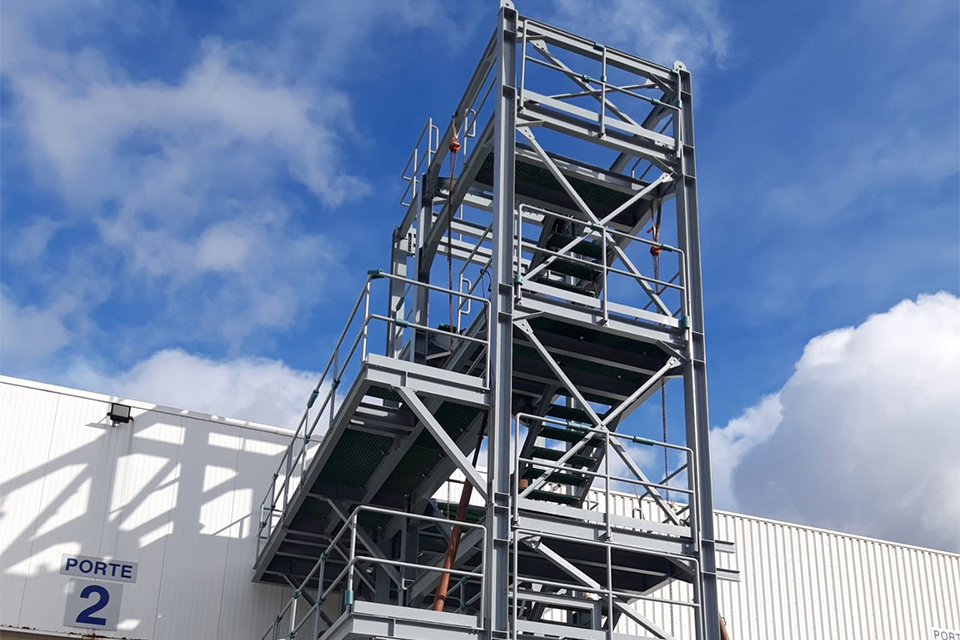
In doing so, he immediately gets to the heart of Bocad: powerful, versatile, and technically robust, but also a software package that requires knowledge and experience. Still, that more than makes up for the limitations of earlier systems. ‘I’m very satisfied with how it handles cutting overview drawings, cross-sections in a model, and floor plans. You can do much more with bocad than with Advance Steel.’
The fact that Bocad works better, offers more possibilities, and gives you more control over the final result is what makes the difference for Cevo System.
For Cevo System, the way support is organized is at least as important as the software itself. With other software packages, Donat encountered impersonal ticket systems and limited availability. The support provided by Liemar and bocad is a clear improvement.
Donat is impressed by both the speed and the practical knowledge. ‘It’s important that people in the support department also have experience in the steel industry. That’s the difference between just getting an answer and actually being helped. You don’t just need to know where to click; you also need to understand what’s happening on the shop floor.’
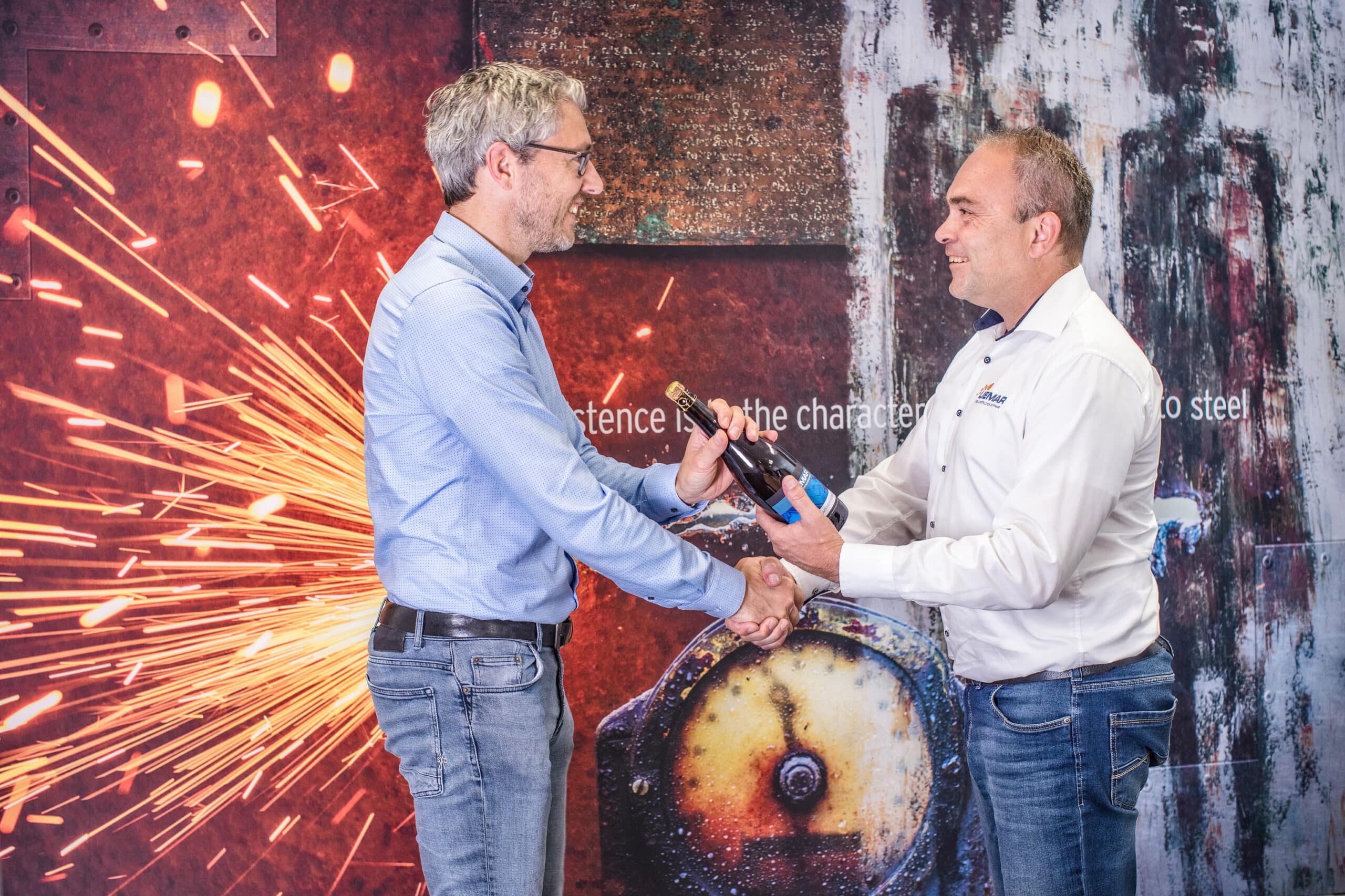
This aligns seamlessly with the role Liemar plays in this collaboration—not only as a software provider, but also as a partner that understands the processes and realities of steel construction companies. This offers particular advantages when combined with bocad. Minor adjustments, practical questions, and customization related to macros or data exchange no longer have to go through lengthy international channels but are addressed much more directly.
Bocad primarily handles technical drafting, while Liemar has become the backbone of day-to-day operations at Cevo System. It brings together quotes, cost estimates, post-project cost analysis, time tracking, project administration, inventory, and financial insights.
Donat sees a big difference compared to the previous software. ‘We have all the information in one package. Post-project costing, performance insights, and material consumption, in particular, used to be recurring problems. Now those aspects are much better managed.’ Cevo System also notices the difference every day when it comes to cost estimation. The standard profile library in Liemar saves a lot of manual work. It’s no longer necessary to look up or recalculate data over and over again.
Hours are tracked on the correct projects, projects are fully recorded, and therefore invoiced correctly. Inventory management also plays an important role in this. ‘If we enter the materials used correctly, we can quickly determine the inventory value at the end of the year.’ This provides control over inventory, interim financial insight, and clarity on whether projects are still on track and within budget.
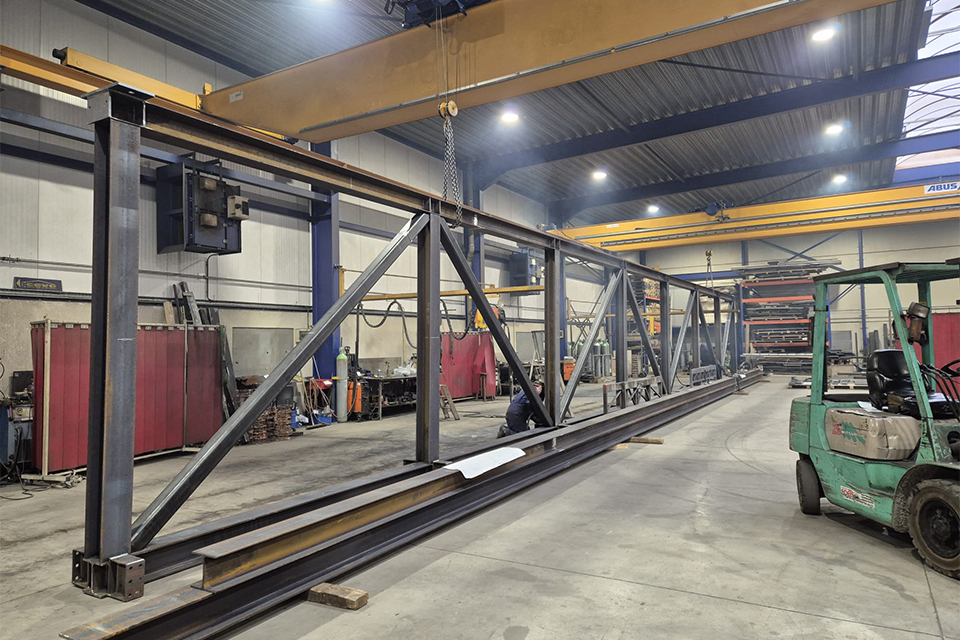
Staying on top of things is important, because at Cevo System, the schedule is constantly changing. Delivery dates shift, structural calculations come in late, and customers ask for things to be expedited. According to Donat, making adjustments is the rule rather than the exception. That’s why it’s important to have insight into hours worked, performance, and progress. Not just for analyzing results afterward, but especially for being able to steer the project as it unfolds. Can a delivery date be met? Should the customer be informed? Is there still room to take on additional work? For a lean organization, that insight is essential.
At the same time, Cevo System takes a realistic view of the industry’s future. Robotization and automation are on the rise, but according to Donat, investments must be commensurate with the company’s scale. Major technological advances are interesting, but only if they are profitable. Cevo System’s ambition is therefore to further strengthen a healthy, flexible organization.
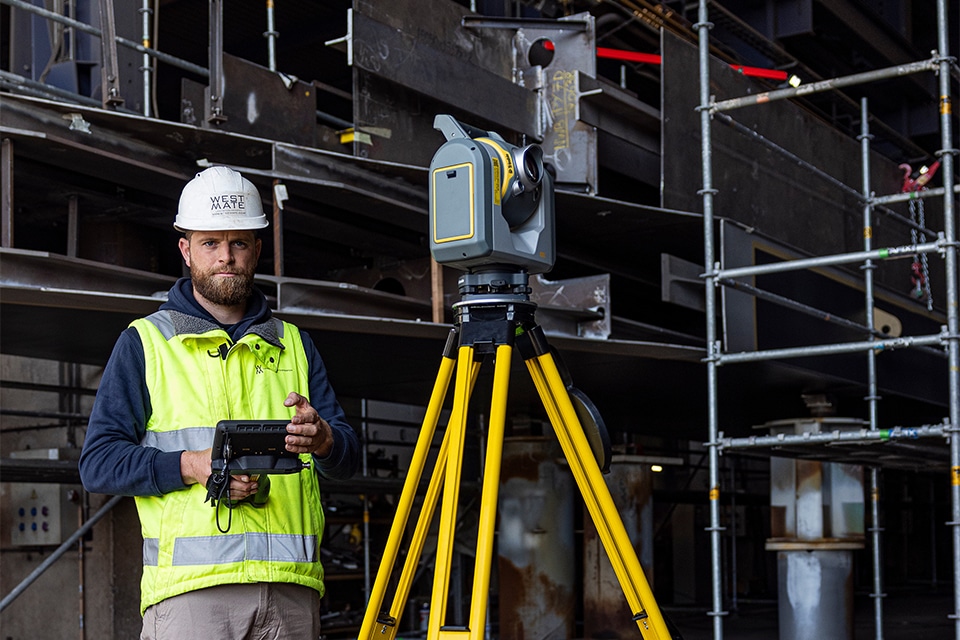
This may also involve further steps toward digitization, such as in engineering, work planning, or mobile access on the shop floor and at the construction site. The key consideration remains the same: what is appropriate right now, and what truly adds value?
Cevo System demonstrates that digitization in the steel construction industry isn’t just about large-scale systems or maximum automation. Rather, it’s about how software and support contribute to control, flexibility, and better decision-making in day-to-day operations.
For Cevo System, bocad and Liemar are not just standalone tools, but practical building blocks within a business model that is deliberately designed to prioritize clarity, efficiency, and craftsmanship. Or as Donat himself puts it: not aiming to be the biggest, but rather building an organization that serves customers well, controls costs, and is ready for the future.
Want to learn more about Cevo System? Visit the website!
Neem dan rechtstreeks contact op met Liemar Software BV.
 Contact opnemen
Since its founding in 1985, Liemar has offered business and ERP solutions for project-based companies in steel and metal construction. Our mission is to optimize your company and processes as a partner and to create more insight together. This leads to more peace and efficiency, both for the entrepreneur and employees. With the 'New Return [...]
Bekijk Bedrijfsprofiel