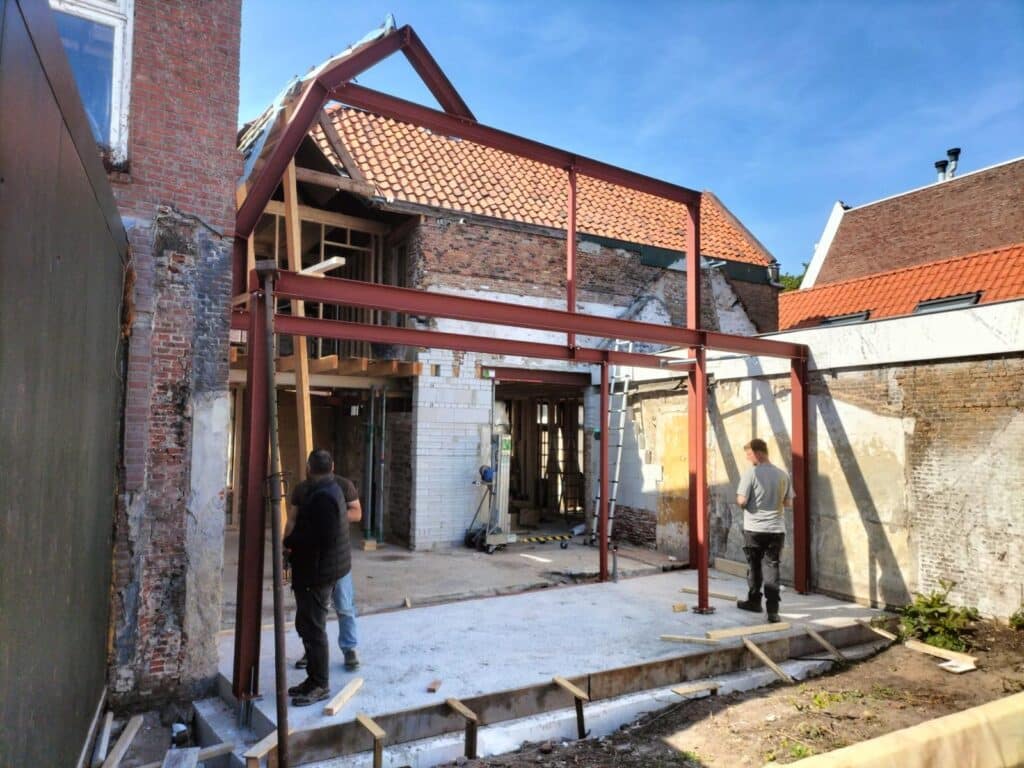
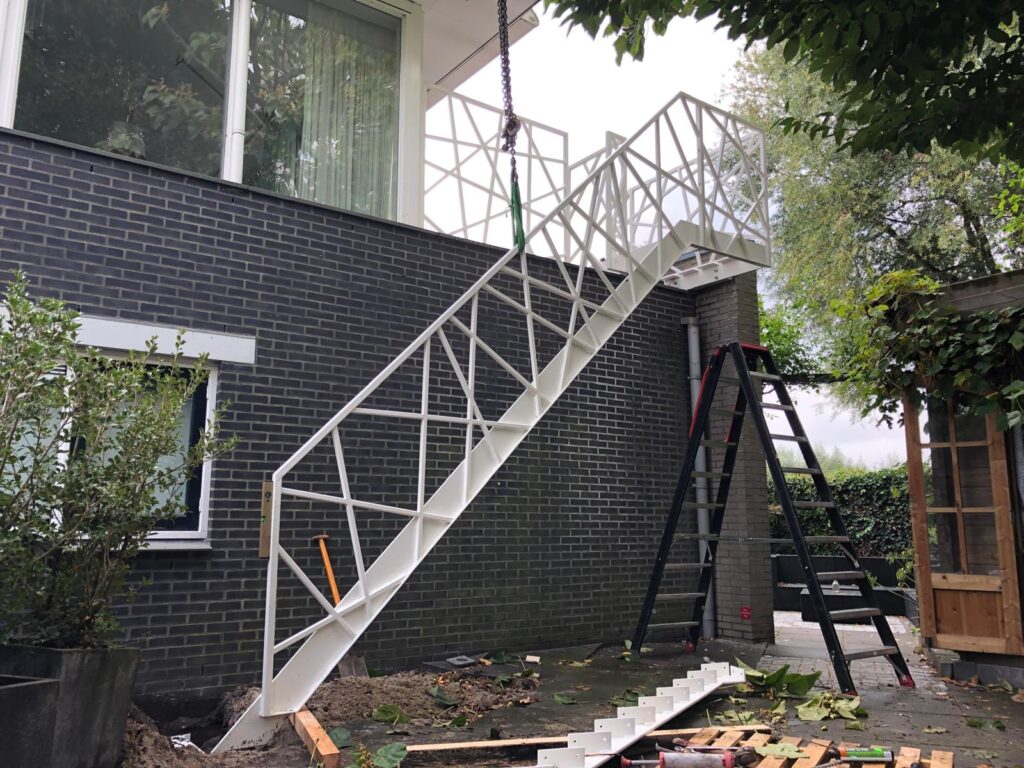
Platform on concrete and steel in construction
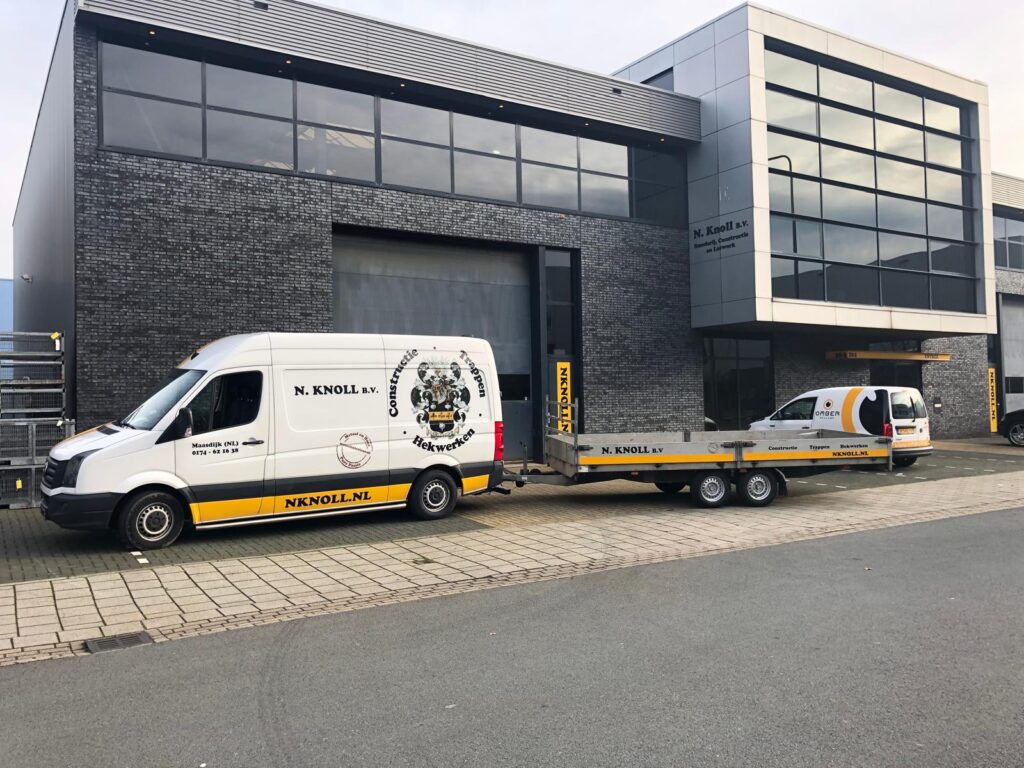
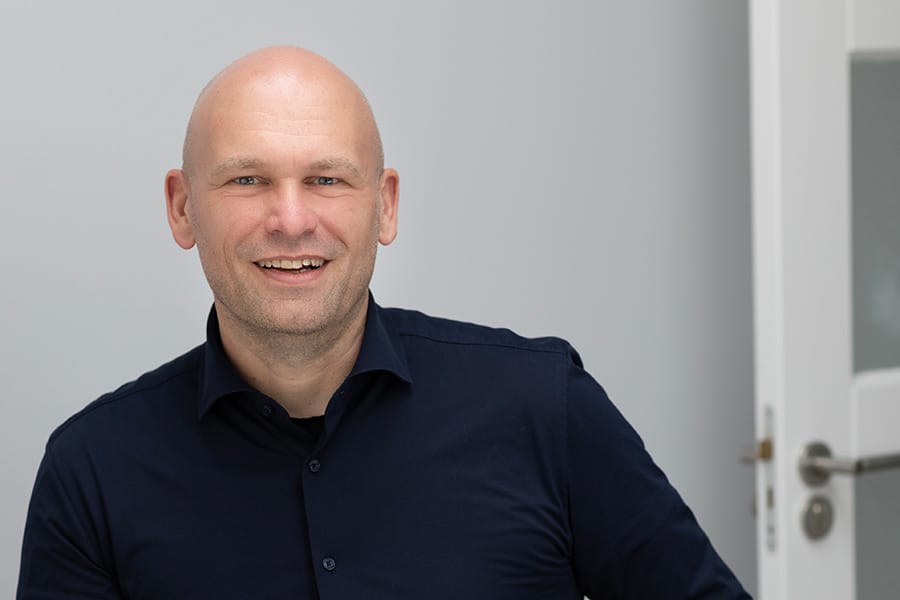
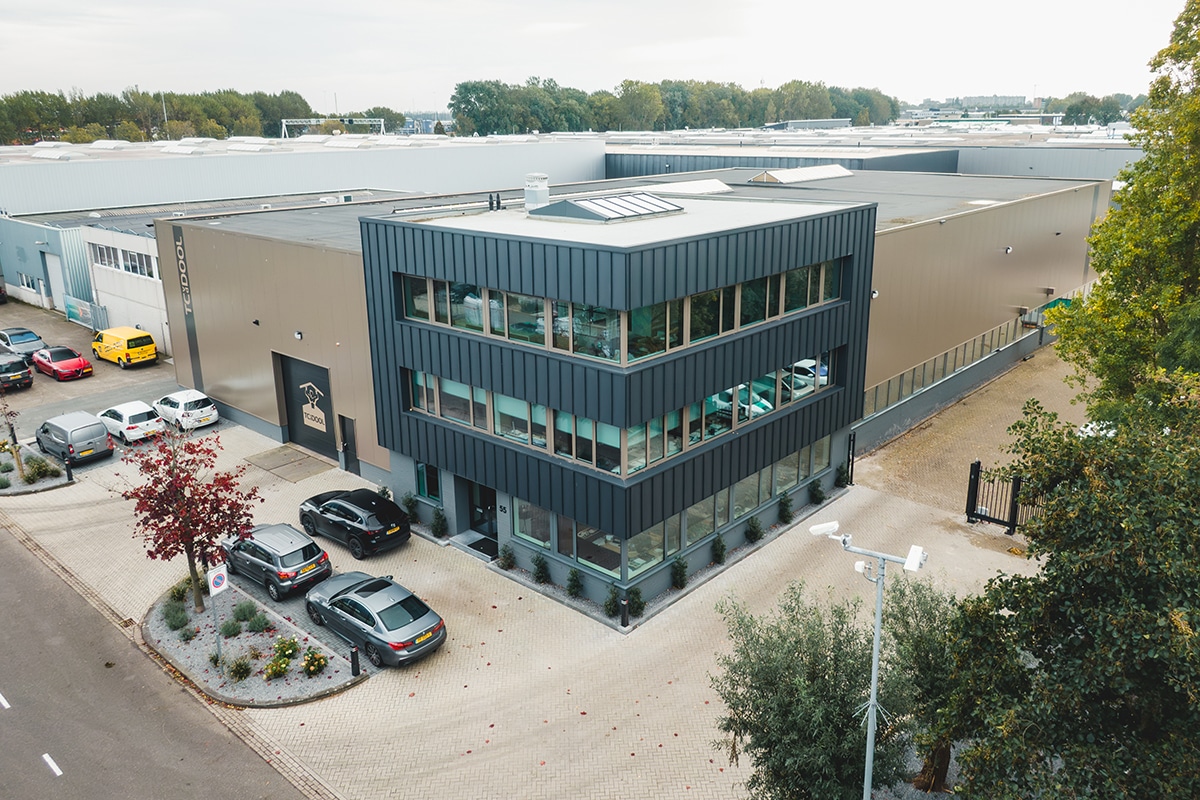
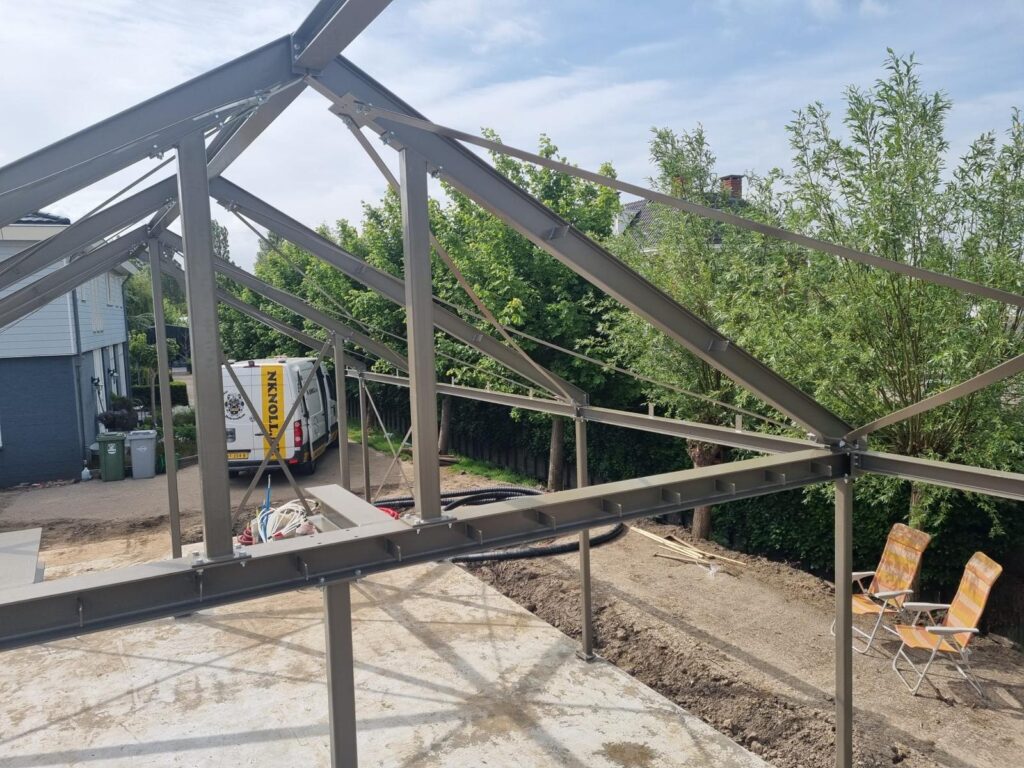
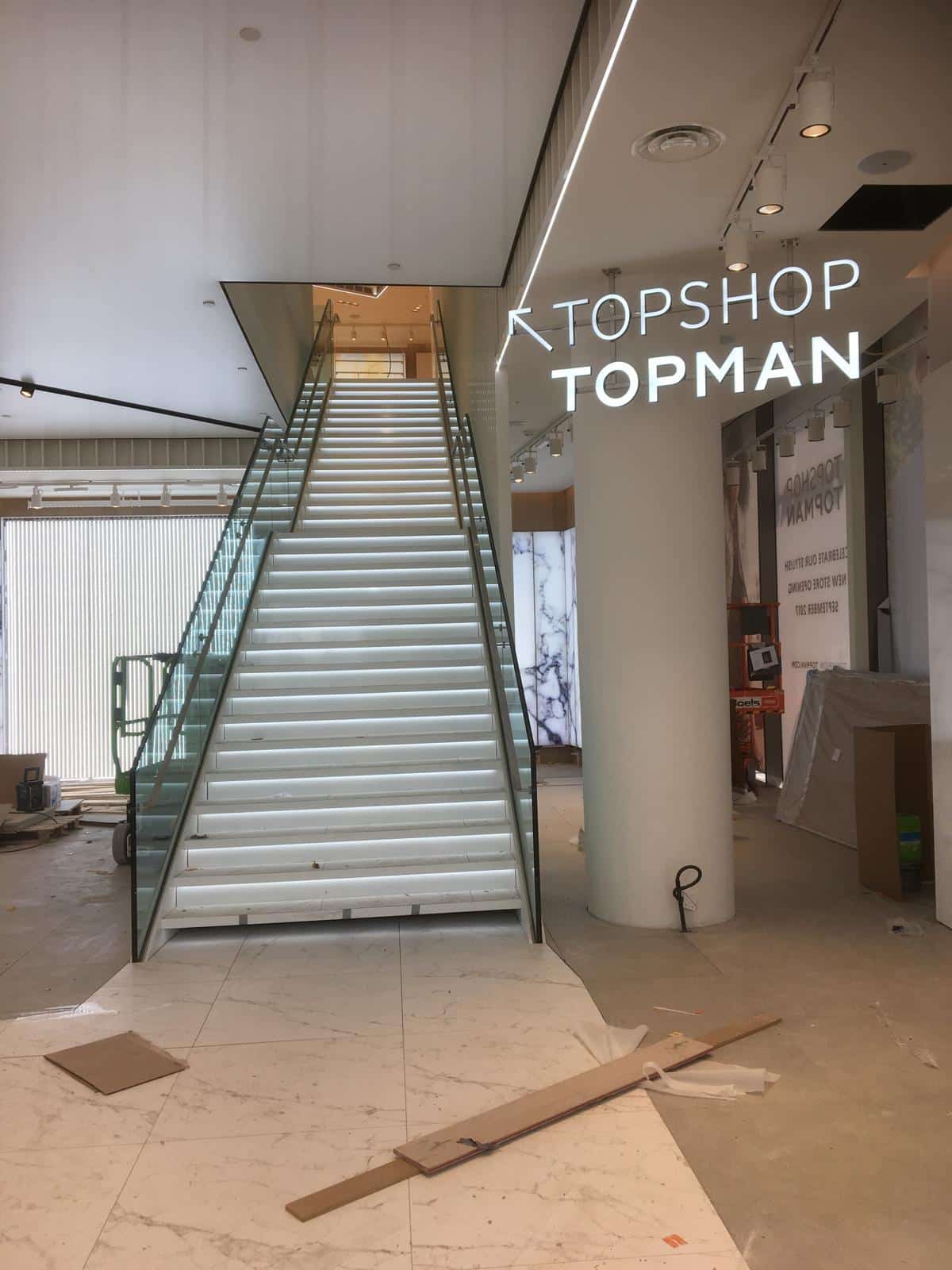
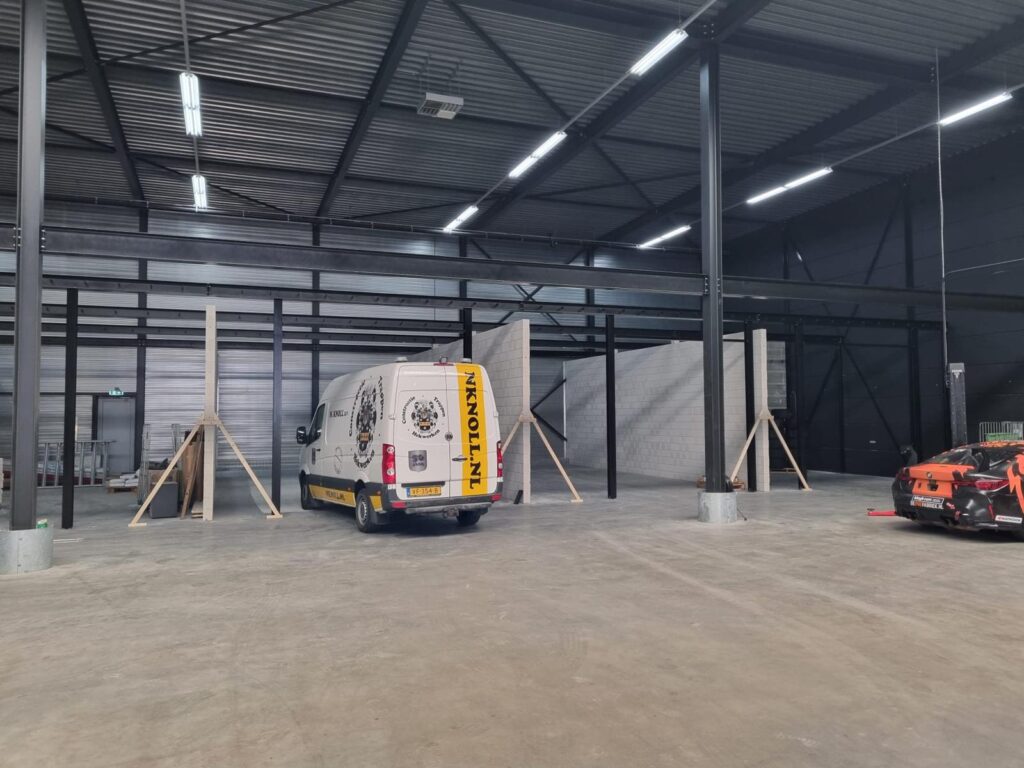
Since 1972, N. Knoll B.V. has been known for its expert craftsmanship in steel, including structures, staircases, and railings. It is a true Westland family business, now in its second generation. The company was founded by Nico, the father, and is now led by his youngest son, Barend.
With a team of eight people, the organization is small but powerful. Two colleagues work in the office; the rest are active in the workshop and on installation sites. They’re all-around craftsmen who know their work inside and out. Perhaps even more importantly: they’re people who stick around. The shortest tenures are about 15 years, and the longest is 38. Finding new people at the same level turns out to be quite a challenge. ‘We probably already have all the good people,’ says Barend.
Barend once joined the family business with the idea of being gradually brought up to speed and fully taking over around 2018. His father was supposed to gradually scale back his involvement over the years. Unfortunately, things turned out differently. ‘My father passed away in 2012. Then everything had to be pushed through at a rapid pace, with the crisis at the time still very much in the background. That was a real challenge.’
‘Aside from the personal loss and the short time I’d spent at the company, there was also an economic crisis. That puts a heavy burden on your shoulders. We faced a steep learning curve, partly because some customers tried to take advantage of the situation. Fortunately, the majority were loyal customers. It was an exceptionally difficult period, but we managed to get through it.’
The fact that it worked out wasn’t just due to Barend’s dedication and our loyal customers, but above all to an extremely loyal team. ‘Everyone who was here back then is still working here today. We’ve been through so much together. I don’t have employees—I have family members with whom I run a family business. Through thick and thin.’
The team’s loyalty was once again evident last year. ‘I was out of the picture for a while due to burnout. During that time, I also had to come to terms with the loss of my father. And when I see how everyone here stepped up… In a very short time, everyone took the reins in their own way and kept the company running. For me, there was another important lesson in that: control of the company doesn’t have to rest solely with me. It shouldn’t rest solely with me.’
Of course, it’s not unusual to want to be in control of your business. The only question is, how do you achieve that control? ‘For a long time, I thought: if I have to do it myself, it’ll turn out fine. If someone else does it, I’m not sure it’ll turn out right. As a result, you end up keeping all the control in your own hands. It wasn’t until I was forced to step away from the work that I learned to trust myself and the people around me again. Given my history of mistrust, that was really nerve-wracking, because you have to entrust your business to others, but the team made it clear to me that I could let go. Of course, that still holds true today.’
Three years ago, Barend decided to start working with Liemar. ‘I made sure to involve Ron right away. He works in the office, so he’s a key user of the software. He was enthusiastic from the start and, together with Barry from Liemar, took the lead.’
The results speak for themselves. ‘We’re currently using about 90% of the program. We want to get up to 100%, and Ron and Barry are handling that really well. I make sure to stay on top of it, because I think it’s important to know how things work. But Ron and Barry are in charge.’
‘The program is running just as it should. For most of its functions, we don’t need any help (anymore). There are some things you only do a few times a year—too infrequently to remember how to do them. But then Ron takes care of it with the folks at Liemar. It’s taken care of in no time.’
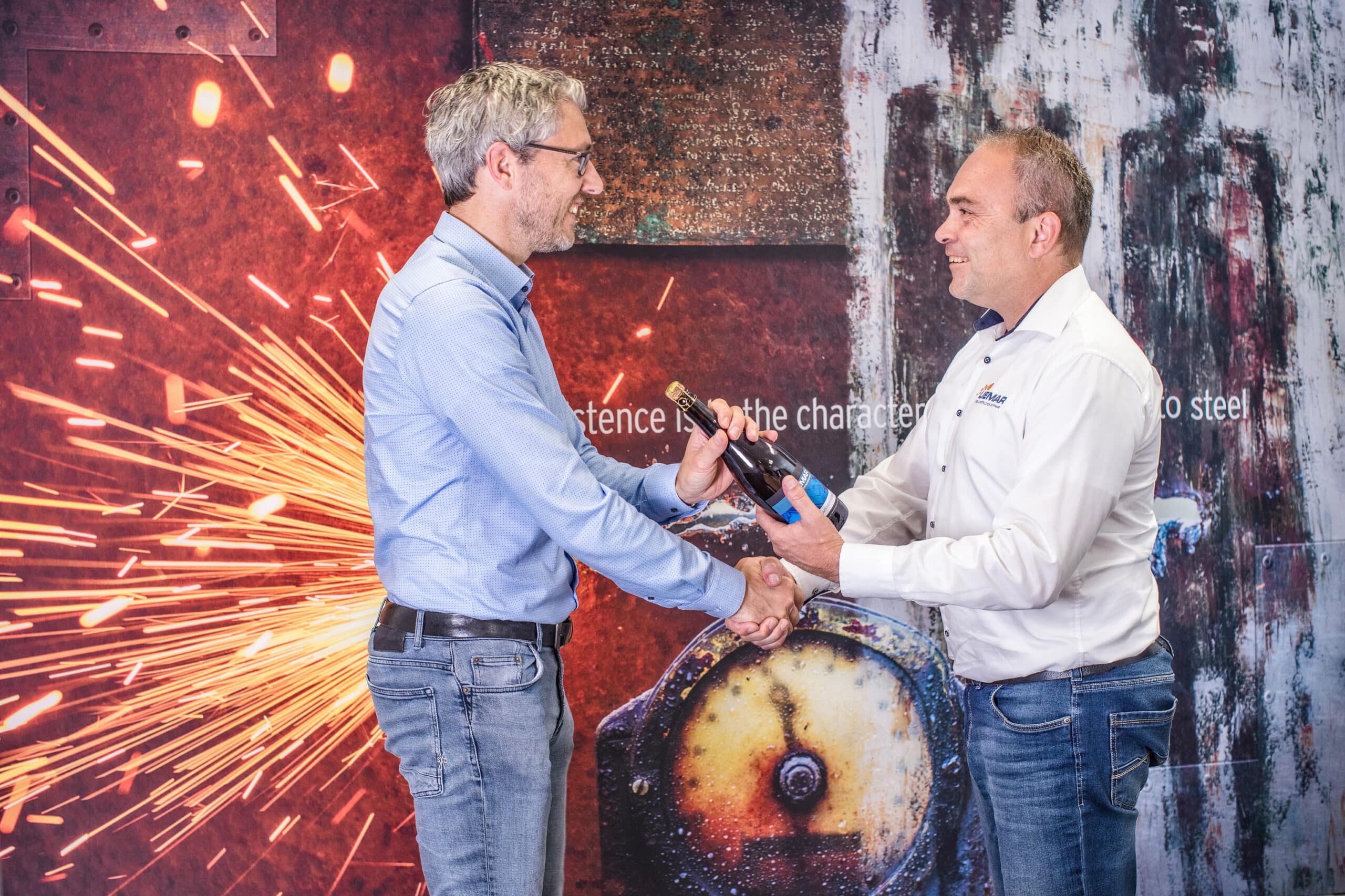
How did Barend actually come into contact with Liemar? ‘Well, like this: cheers! Jan van Hapert has been popping into the office every now and then for years, always with a bottle of Liemar beer under his arm. That led to some pleasant chats, but not yet to a partnership.’ A few years ago, Niels stepped in for Jan. ‘He showed up at exactly the right moment for me. I said, ’Tell me a little more.’ What should have been a five-minute visit turned into an in-depth conversation—complete with a demo—that lasted about two and a half hours.”
‘That was exactly when we wanted to go digital, and we saw that Liemar is clearly a leader in that area. We wanted a single, comprehensive program that could interface with the other systems we use in the company. All our information is now in one place; we can find and keep track of absolutely everything there. We operate entirely digitally and have adapted our processes accordingly. Guessing and making wild guesses are a thing of the past. We now know exactly how our projects are progressing and can steer them toward the desired outcome.’
‘Everything is clear right from the start of a project. That provides a lot of clarity. And after the project is complete, everything can be verified. Were our estimates and quote accurate? Were there any additional or reduced scope of work? By clearly accounting for the additional and reduced scope of work, in particular, we’ve already earned a great deal of trust from our clients.’
Optimization remains an ongoing process. ‘As mentioned, we’re working on the final 10%. This mainly involves specialized issues where we know the information is there, but the question is: how do you extract it correctly? With a partner like Liemar, it’s an interesting journey because they’re willing to listen and engage in meaningful dialogue. Together, we’ll eventually arrive at a comprehensive solution, one way or another.’
Every investment costs money and time, and starting to use Liemar is no different. ‘But by now, I can confidently say that it saves us one full-time equivalent in administrative staff.’ Using Liemar also means a lot to the team. ‘Everyone here can just focus on their core work, instead of—duplicative—administrative tasks. We’d like to attract new colleagues in the coming years, and I think our level of automation and digitization makes us an attractive workplace. Especially if we also purchase the new machines on our wish list in the near future.’
Neem dan rechtstreeks contact op met Liemar Software BV.
 Contact opnemen
Since its founding in 1985, Liemar has offered business and ERP solutions for project-based companies in steel and metal construction. Our mission is to optimize your company and processes as a partner and to create more insight together. This leads to more peace and efficiency, both for the entrepreneur and employees. With the 'New Return [...]
Bekijk Bedrijfsprofiel