








Connections & connection techniques
HV systems from EN 14399 to DASt 021
Text Roel van GilsImage Stafa
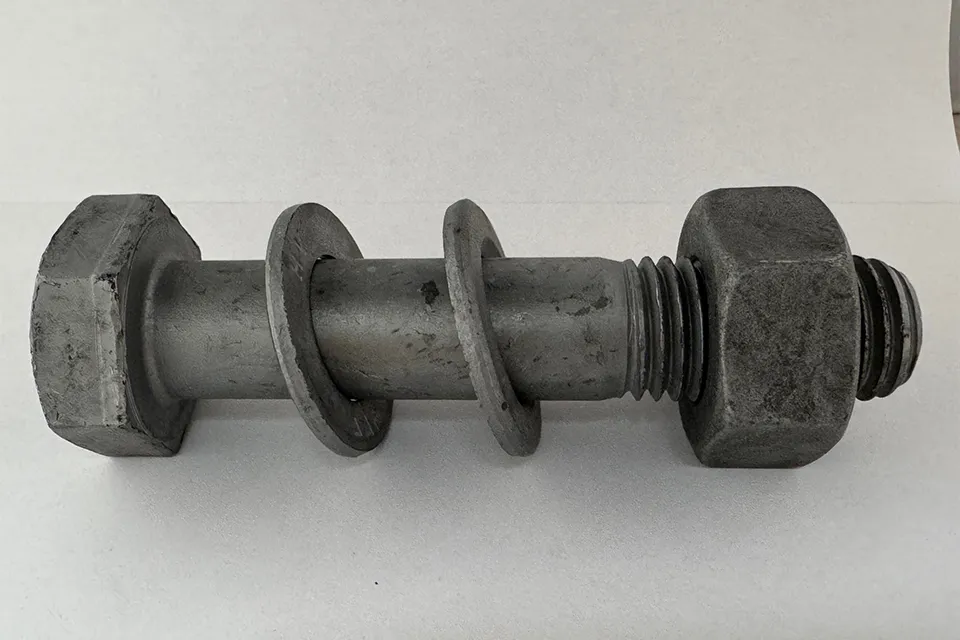
Fastening materials are becoming increasingly specialised in the steel construction and infrastructure sectors. Modern steel structures, bridge renovations and dynamically loaded connections increasingly require additional specifications for fit, prestressing, tolerances and documentation. Stafa supports companies every day with high-quality HV solutions for structural applications. Its range extends from standard HV systems in accordance with EN 14399 to high-performance, project-specific solutions in accordance with DASt 021. Together with product specialist Thomas van Leeuwen, we take a closer look at the range.
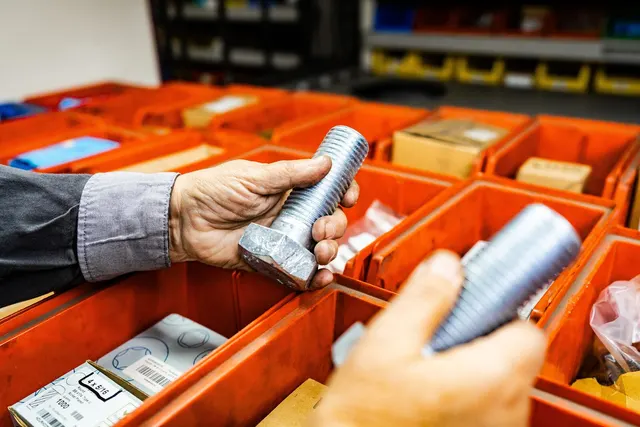
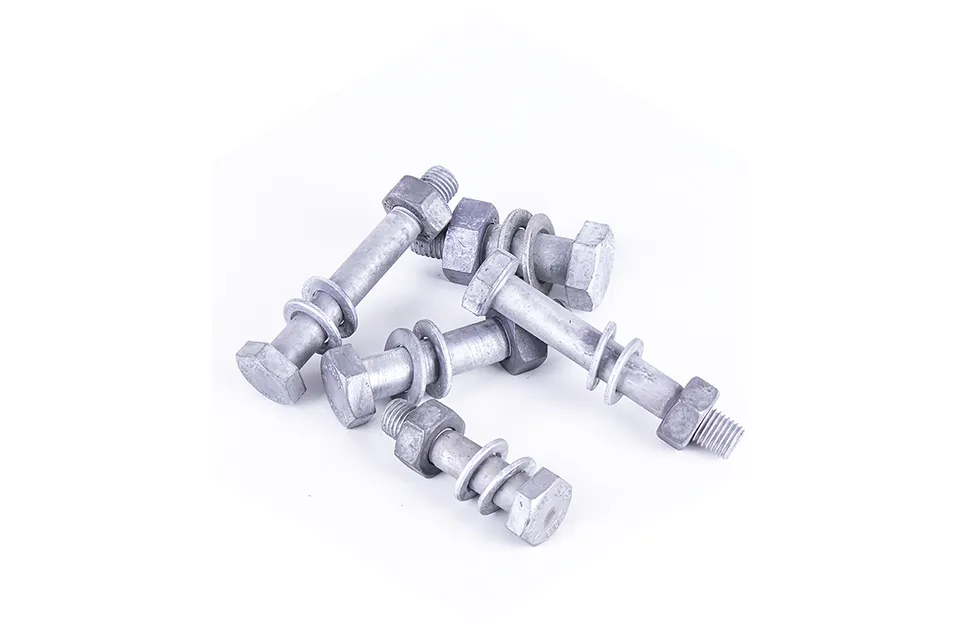
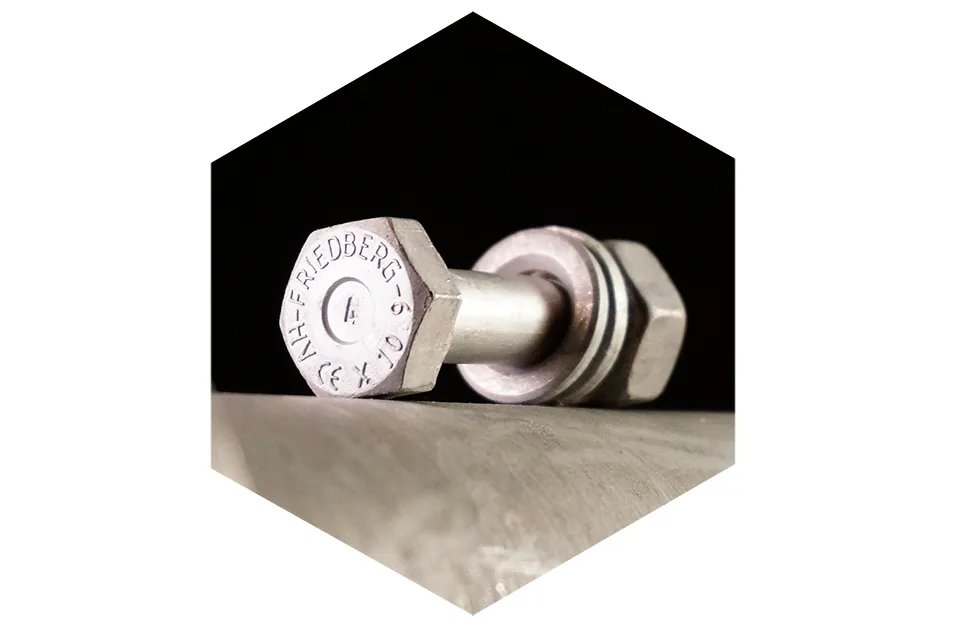
We start with the HR system in accordance with EN 14399-3. “This is used primarily on internationally oriented projects or projects that include specific engineering requirements,” says Van Leeuwen. “Friedberg HV systems in accordance with EN 14399-4 are also widely used. These systems are designed for preloaded connections that require a controlled preload. The standard range generally goes up to and including M36. For many projects, this remains the most widely used HV system.”
Renovation projects
When it comes to renovation projects, Van Leeuwen is seeing growing demand for Friedberg injection systems based on EN 14399-4. “A standard HV bolt is fitted with an injection hole, then a two-component resin is applied to completely fill the tolerances between the bolt and the drilled hole,” he explains. “These systems use special chamber-and-groove washers, allowing the resin to spread in a controlled way around the connection.”
Fitted bolts
Friedberg HV fitted bolts in accordance with EN 14399-8 are also increasingly being used for connections where a very precise fit between bolt and hole is required.
DASt021 solutions
“Complex steel, infrastructure and wind turbine projects also regularly follow DASt021,” says Van Leeuwen. “Where standard EN 14399-4 systems generally go up to M36, DASt021 solutions go a step further, from M39 up to and including M72. These larger connections are produced for applications with stringent requirements for fit, prestressing and documentation.”
ROK testing
Projects for Rijkswaterstaat generally require additional ROK testing, Van Leeuwen notes. “Hardness is an important factor here. The standard EN 14399 specification for strength class 10.9 allows higher hardness values, from a minimum of 320 HV to a maximum of 380 HV. However, Rijkswaterstaat’s ROK guidelines specify a maximum hardness of 370 HV for hot-dip galvanised preloaded connections, to limit the risk of hydrogen embrittlement. Friedberg has consistently manufactured below this limit for decades, which is why its products are widely used on Dutch infrastructure projects requiring additional ROK testing. Friedberg stands for high-quality German manufacturing, precise tolerances and reliable performance in critical structural applications.”
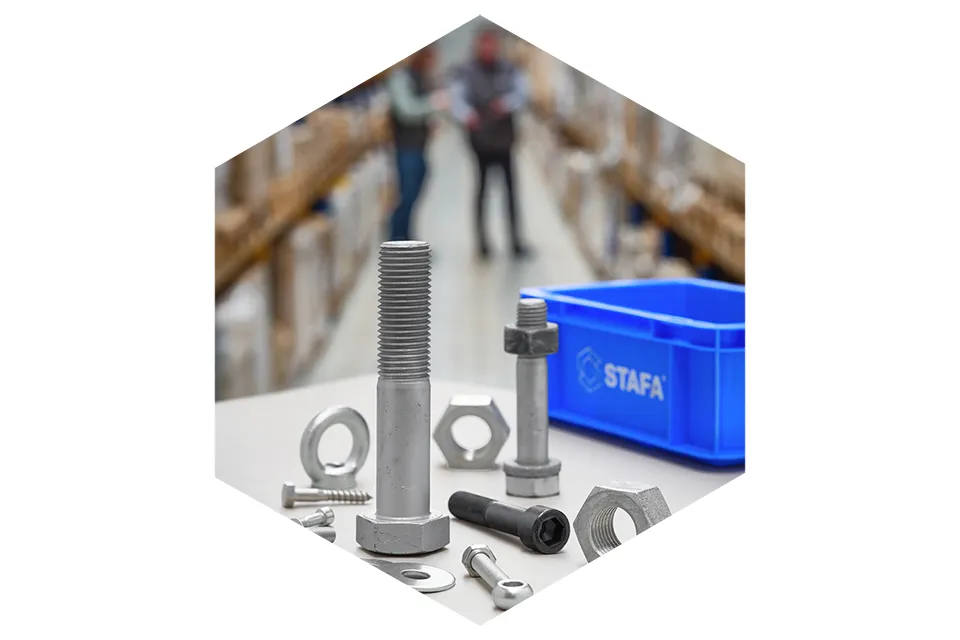
Although EN 14399-4 remains the most widely used HV system in the steel construction and infrastructure sectors, Stafa sees projects increasingly requiring additional or project-specific solutions. “Depending on the application, HR systems, injection systems, HV fitted bolts or DASt021 solutions can all play an important role,” Van Leeuwen concludes. “For these kinds of projects, it is ultimately not just about supplying fastening materials. Above all, it is about reliability, documentation and having a supplier who understands the requirements of modern steel construction and infrastructure projects today.”
A business enquiry for Stafa Group B.V.? Get in touch
Companies in this story
Keep following this
Get an email when a new story is published. No account needed.
- ThemeMaking bridges and civil structures last longer
- SubjectConnections & connection techniques
- CompanyStafa Group B.V.