Platform on concrete and steel in construction
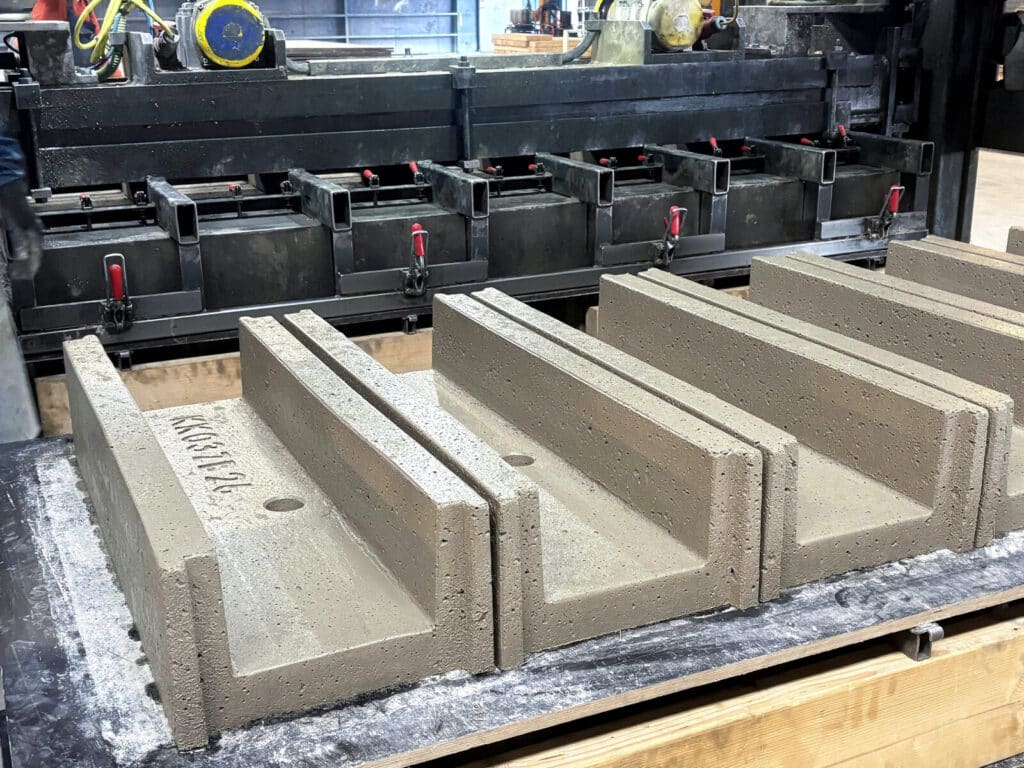
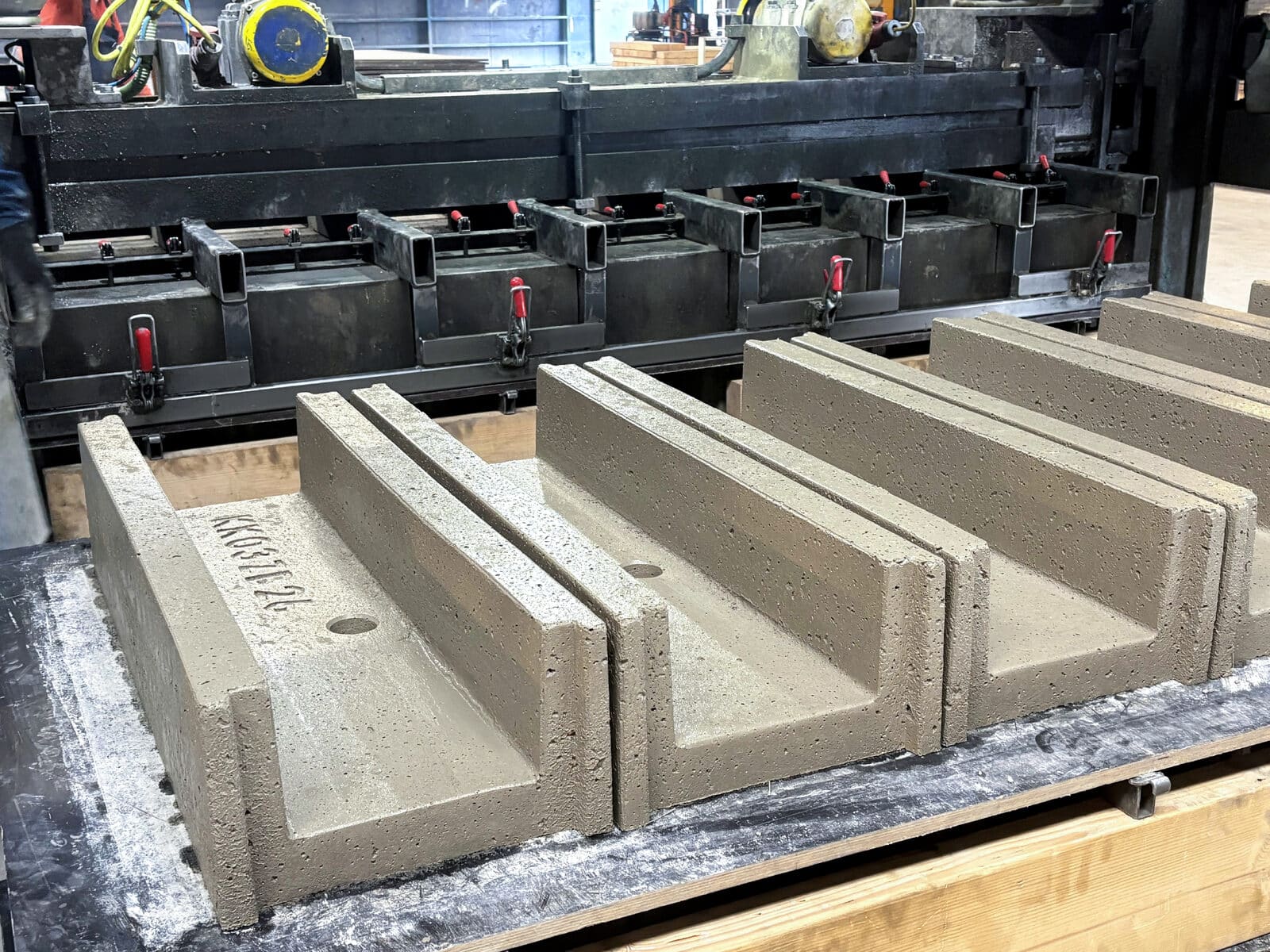
Structural polymer fibers do not always replace steel, but they can do so partially or completely in many concrete products. This saves on costs, labor, and materials, lowers the MKI score, and sometimes allows for slimmer designs. At Beton Event, Convez—which was founded ten years ago as a spin-off from Harold Scholz & Co—aims to highlight these benefits. According to CEO Marc Witbreuk, plastic fibers are increasingly becoming a fully-fledged alternative to steel reinforcement, both on their own and in hybrid applications.
“Plastic fibers don’t make concrete stronger,” says Witbreuk. “Plastic fibers come into play as soon as concrete cracks under load and hold the crack surfaces together, like a zipper.” This distinguishes microfibers—used to counter plastic shrinkage or for fire safety—from structural macrofibers. For macrofibers, tensile strength, modulus of elasticity, and anchorage in the cement paste collectively determine the post-cracking capacity.
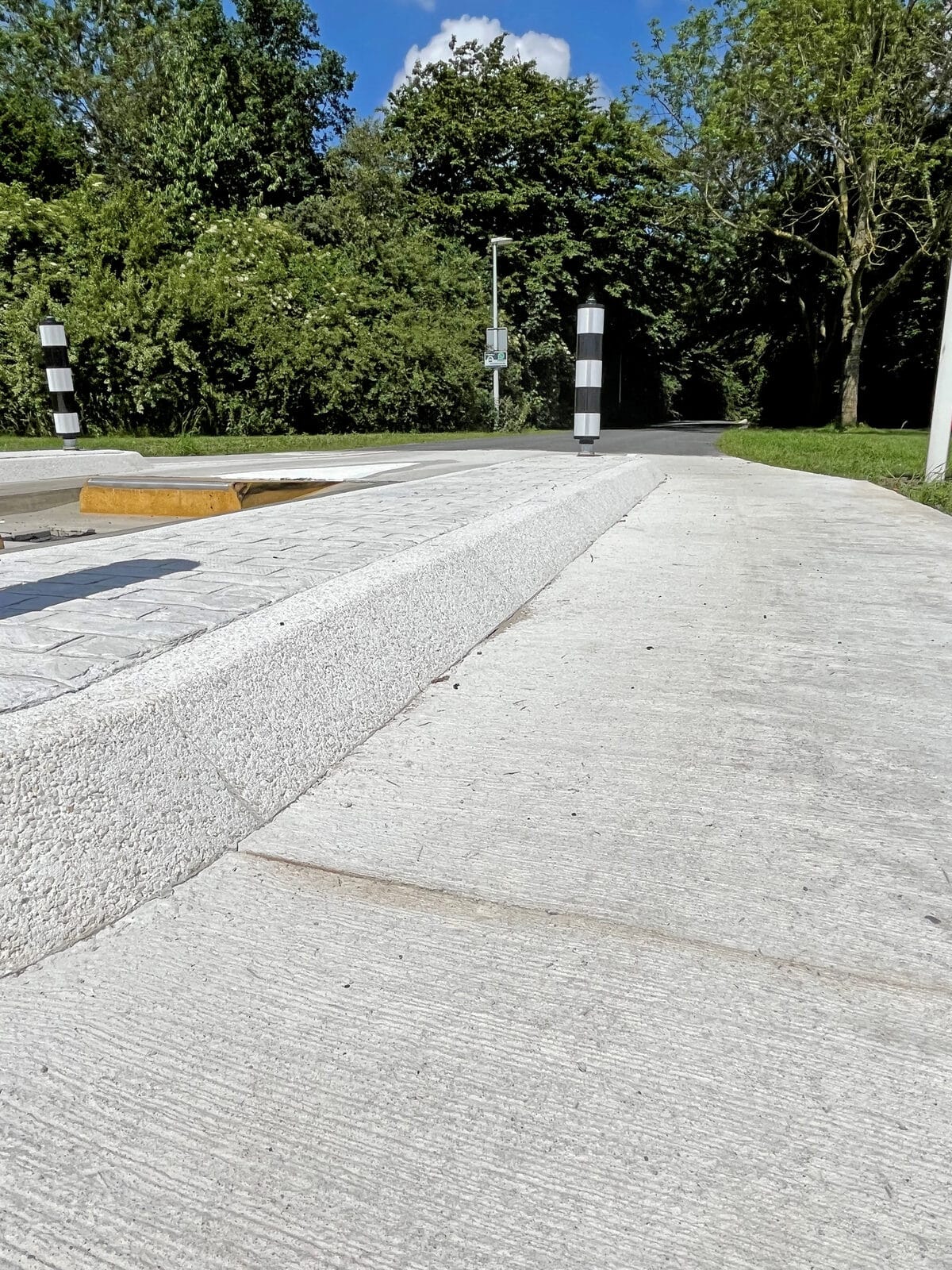
The appropriate fiber type and dosage depend on the load, geometry, subgrade, and concrete quality. A slab on a well-compacted foundation requires a different approach than a pavement on settlement-prone soil; a bike path must also support maintenance vehicles. And a wall is yet another case. Convez provides structural calculations based on current standards. For precast and heavily loaded applications, the dosage is typically between 3 and 4 kg/m³. For higher loads, a hybrid solution using traditional reinforcing steel remains an option. “You can never replace all the steel everywhere,” Witbreuk emphasizes. “But with cable trays, certain retaining walls, floors, and many precast slabs, it’s often possible. If the structure is taller or subjected to heavier loads, you can combine fibers with steel or fibers with, for example, basalt reinforcement.” According to him, engineering firm ABT can perform structural analyses using Convez fibers and has done so for a Tennet project, for example. “That’s crucial: a claim is of little use to the market if it cannot be substantiated by a structural engineer.”
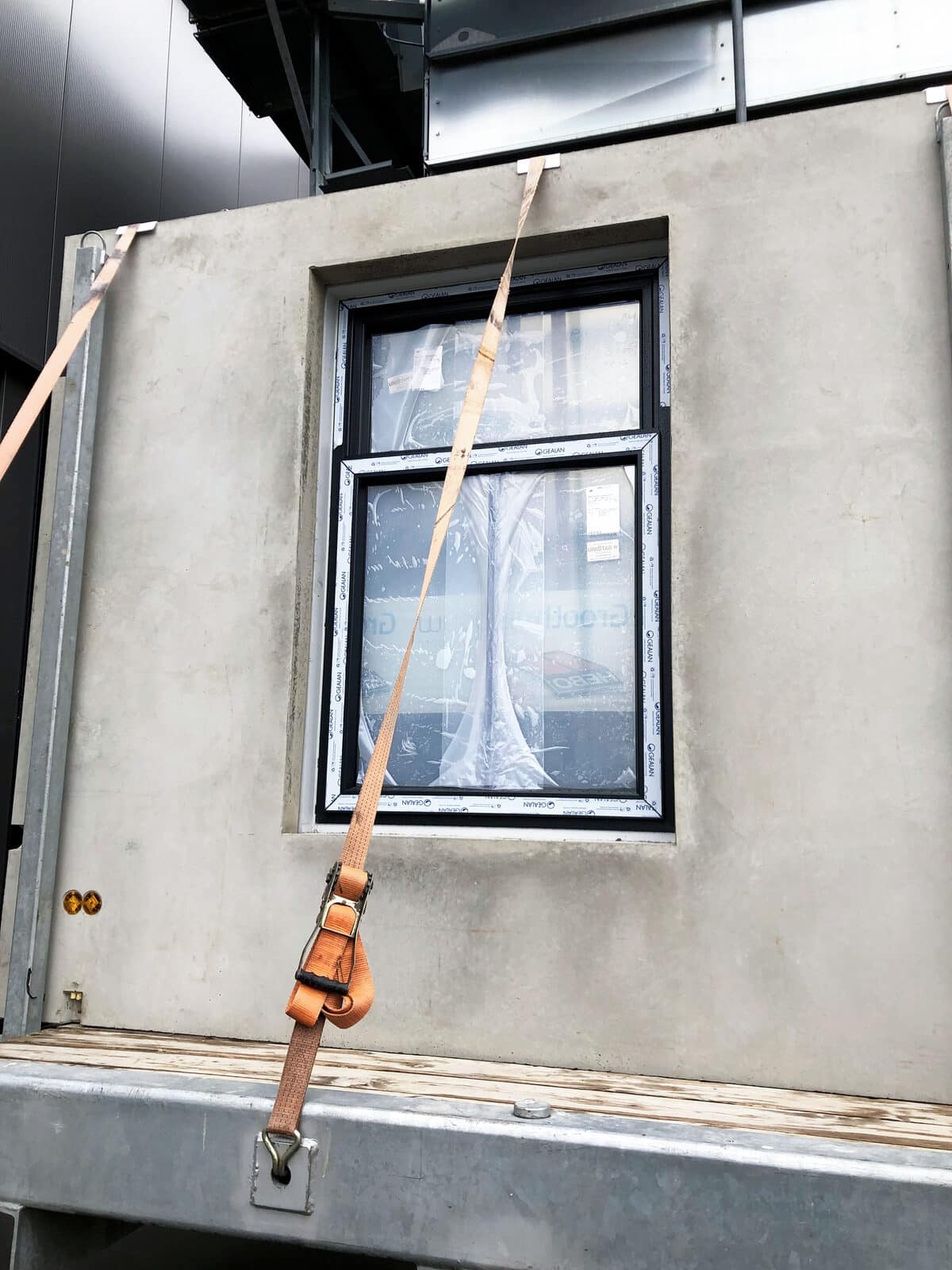
Convez’s business case rests on three pillars. The first pillar is material and cost reduction. Convez fibers have been used to construct roundabouts, bus stops, and bike paths, among other things, allowing for a significant reduction in thickness and eliminating the need for steel reinforcement. This resulted in cost savings of tens of percent. Furthermore, plastic does not require a concrete cover to protect against corrosion. As a result, a hybrid design can sometimes be constructed with a single mesh instead of two, or an unreinforced slab can be made thinner. The second pillar is labor. Cutting, braiding, and placing meshes into forms requires people, time, and physical effort. Macrofibers are fed into the mixer in measured bundles along with the aggregate materials.
The third pillar is environmental performance. EPDs are available for structural fibers, allowing the MKI to be factored into project calculations. Witbreuk sees potential savings in reinforcement that, depending on the design, could reach approximately 80 percent. “Especially now that cement producers are reducing their carbon footprint, more attention can be focused on the role of reinforcement in the MKI score. And there’s a lot to be gained there.”
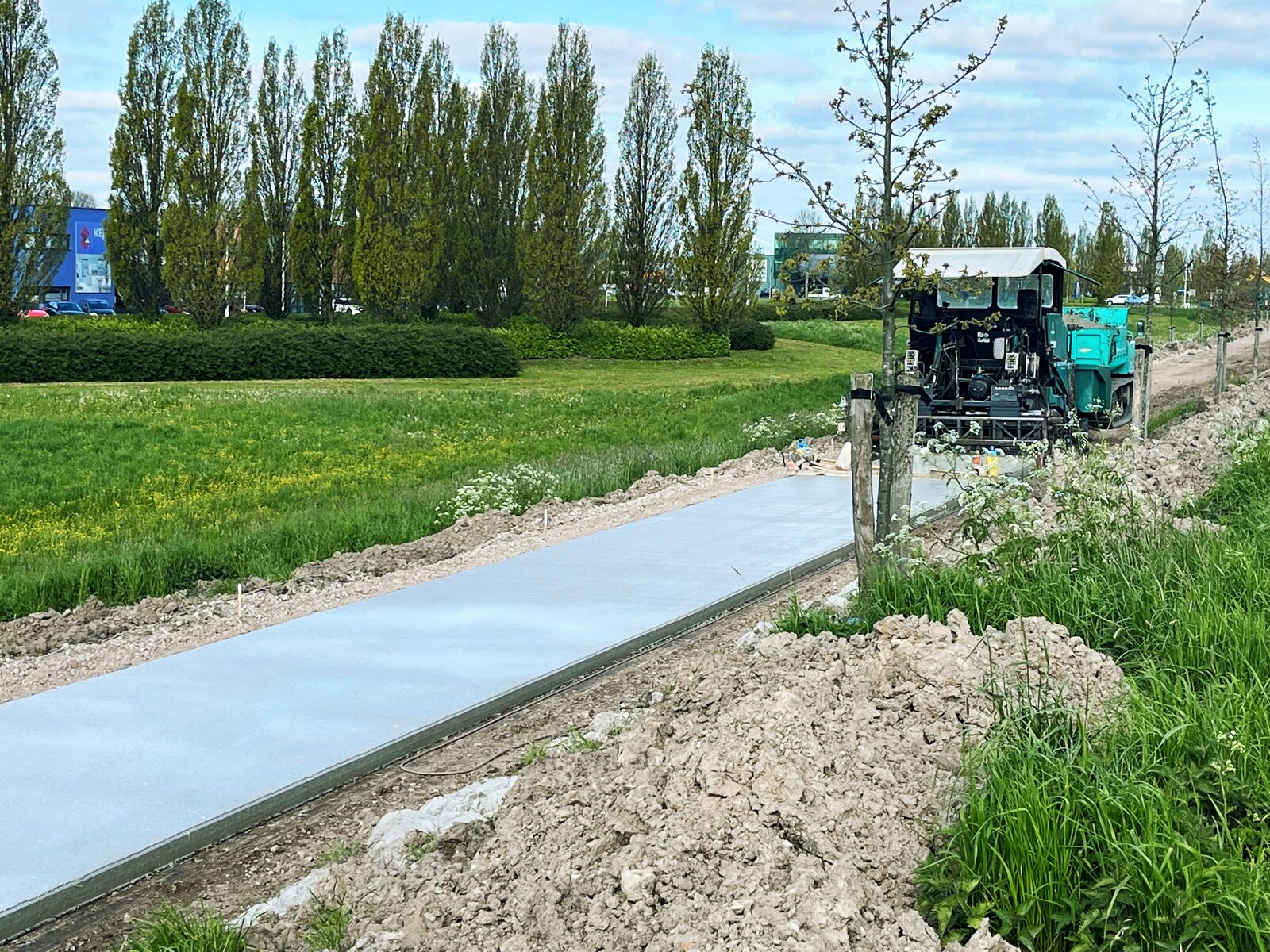
Another advantage of precast concrete lies in the three-dimensional fiber distribution. Corners and edges are reinforced throughout, which reduces the risk of spalling and damage during transport. “On the formwork side, the fibers remain invisible,” adds Witbreuk. “On the pour side, however, a visible floor does require craftsmanship during power troweling. The fibers also work very well in concrete using geopolymer as a binder.”
At Beton Event in the Brabanthallen, Convez aims not only to showcase a fiber, but above all to engage in discussions about design, processing, and demonstrable performance. Together with its partners, the company will present ‘color, strength, and character’: pigments, structural fibers, and textured mats for architectural concrete. Witbreuk: “We want to share our knowledge and help customers enhance their products sustainably using European materials. Our mission is also to encourage structural engineers, manufacturers, contractors, and clients alike to consider how they can reinforce their structures and thus include synthetic fibers as a fully-fledged alternative in their planning.”
Neem dan rechtstreeks contact op met Convez.
 Contact opnemen
Convez has been active in the alternative reinforcement market since 2016. In the years since then, Convez has become the leading expert in reinforcing concrete and asphalt with synthetic fibers. Convez operates in the Benelux and the Caribbean. We generally distinguish between shrinkage fibers and structural plastic fibers. Our team […]
Bekijk Bedrijfsprofiel