Platform on concrete and steel in construction
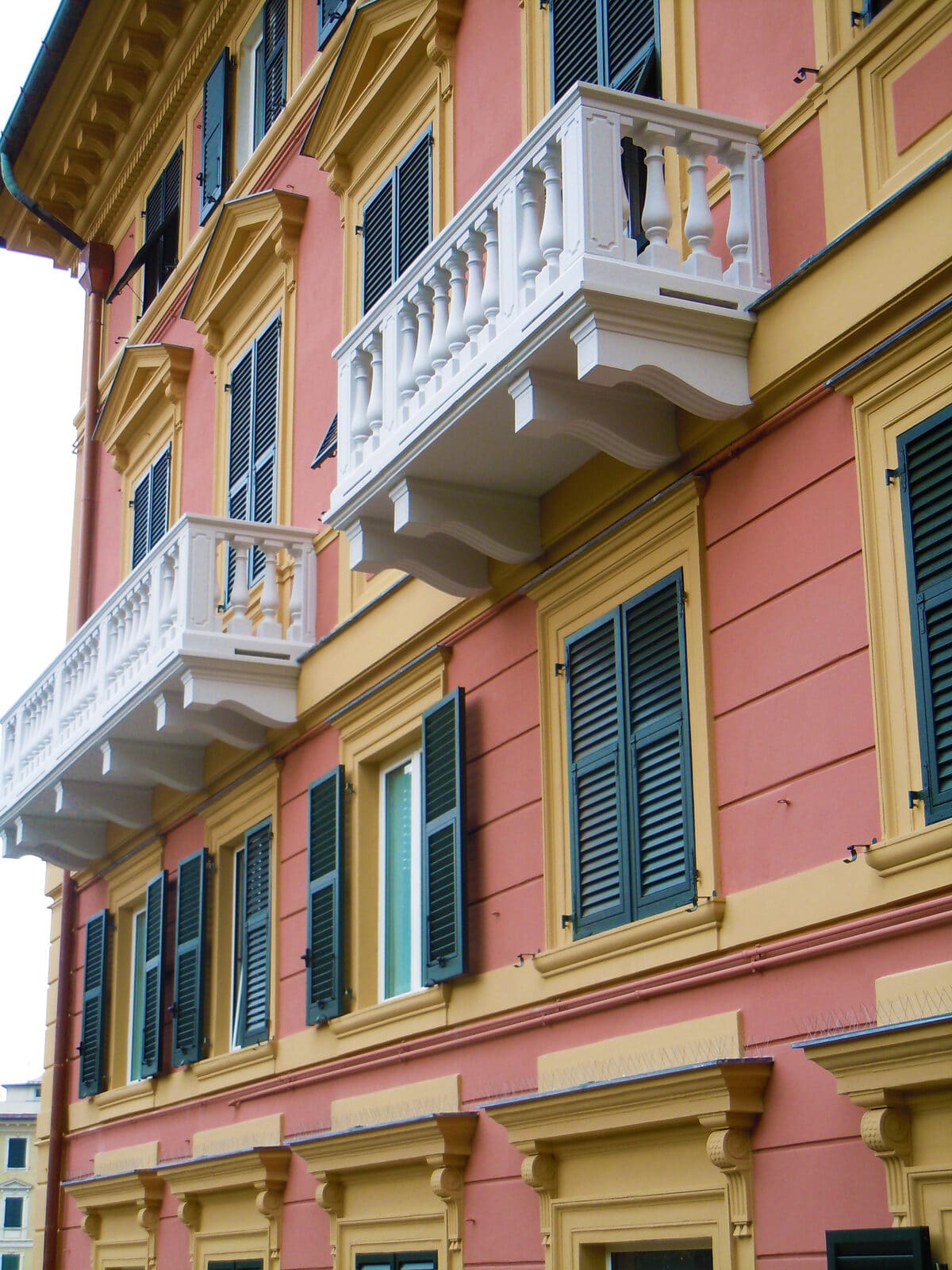
Anyone looking at viaducts, balconies, walkways, and bridges from the 1960s and 1970s can see the problem with reinforced concrete: the reinforcing steel. Carbonation, chlorides from road salt, or sea air cause the protective alkalinity surrounding the steel to disappear. The result is rust, volume expansion, and cracking. “In many places, we’re playing catch-up,” says Hans Boender, Advisor at the industry organization Zinkinfo Benelux. “With existing structures, you can still repair them or apply cathodic protection. But with new construction, you have to ask yourself: why not prevent it right from the start?”
That question is at the heart of Zink-info Benelux’s campaign to raise awareness of hot-dip galvanized reinforcing steel. It has been used successfully for decades, but according to Boender, it is still too often ruled out during the initial budgeting phase. “Then someone says, ”That’s more expensive than regular reinforcing steel.’ And that’s where the conversation ends, even though you really need to look at the total lifetime costs.”
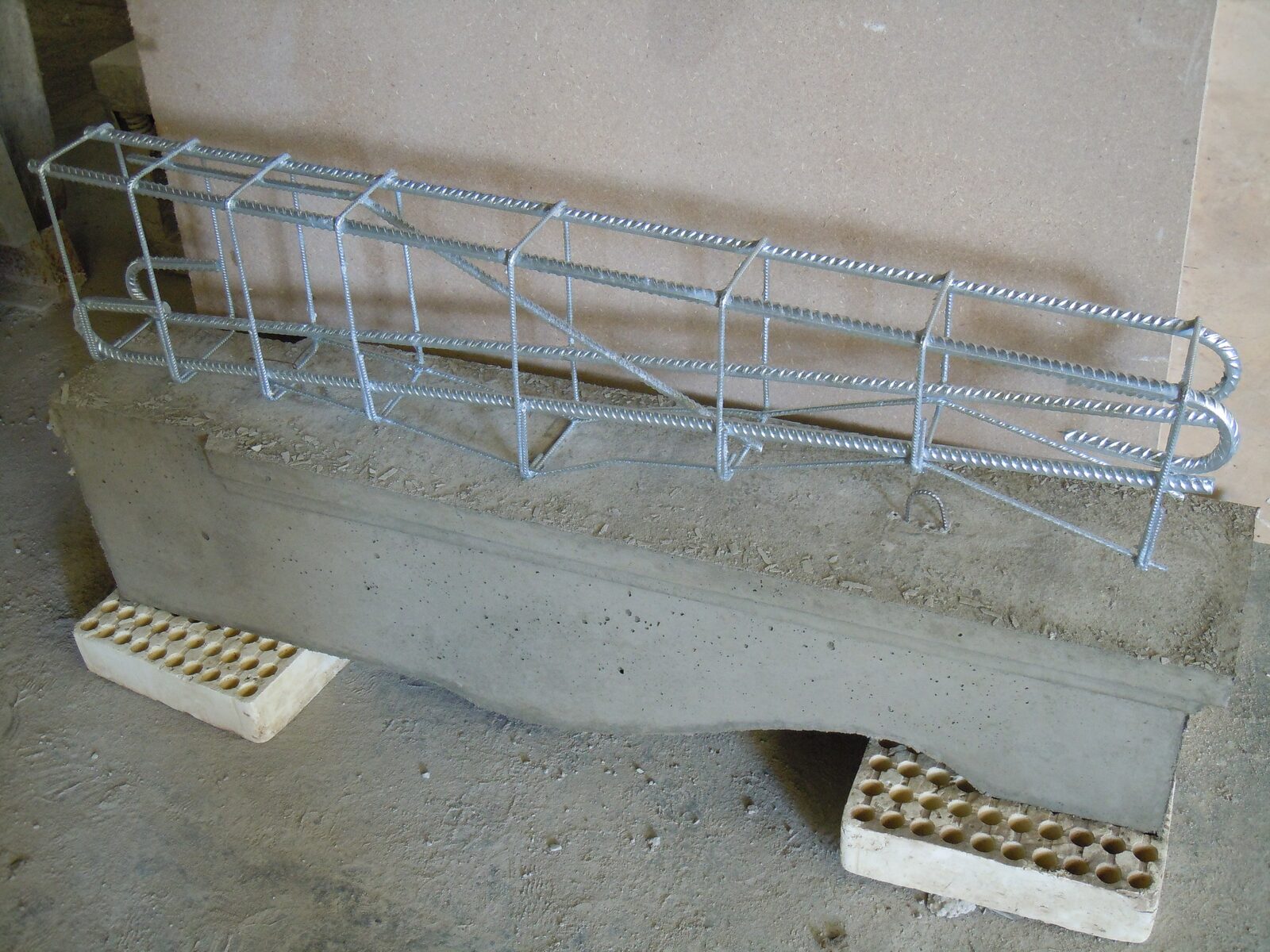
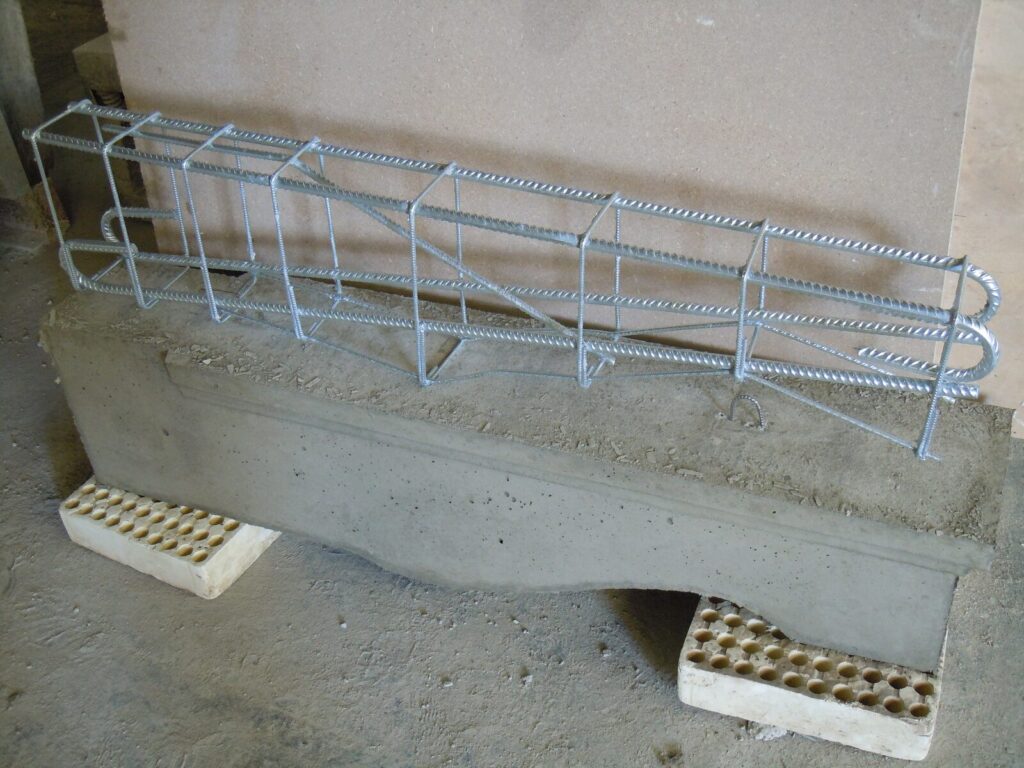
The technical arguments are compelling. In fresh concrete, a layer of calcium hydroxyzincate forms on galvanized steel, which protects against corrosion and improves the bond between the steel and the concrete. Zinc is also less sensitive to the declining pH level in aging concrete and more resistant to chlorides. “That’s where the benefit lies,” Boender emphasizes. “You significantly delay the onset of corrosion and greatly extend the service life.” Even when corrosion does occur, the difference is significant: iron rust can expand up to seven times in volume, whereas zinc corrosion remains limited. Galvanizing is therefore not a cosmetic treatment, but a structural durability measure.
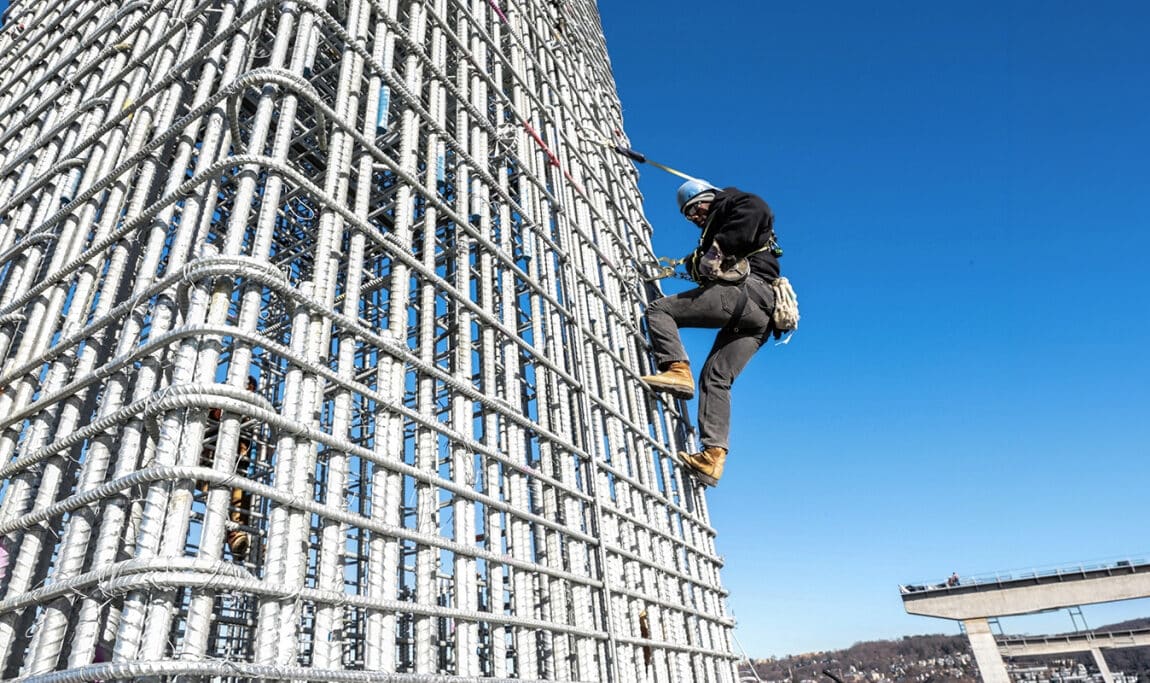
Boender understands that clients focus on the initial investment, but believes the sector is selling itself short by doing so. “The additional costs are in the rebar, not in the entire project. If you weigh that against construction costs, maintenance, inspections, traffic disruptions, and repairs over the course of decades, it becomes a different story. Especially when it comes to infrastructure, parking garages, balconies, facade panels, and prefabricated connections, the math is easy to do.”
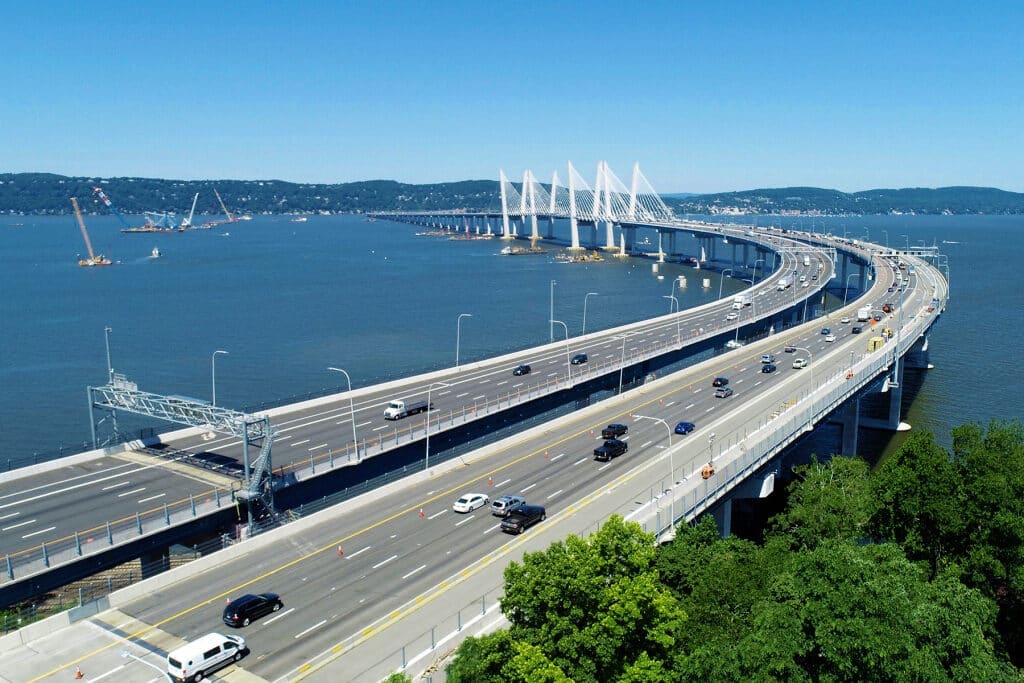
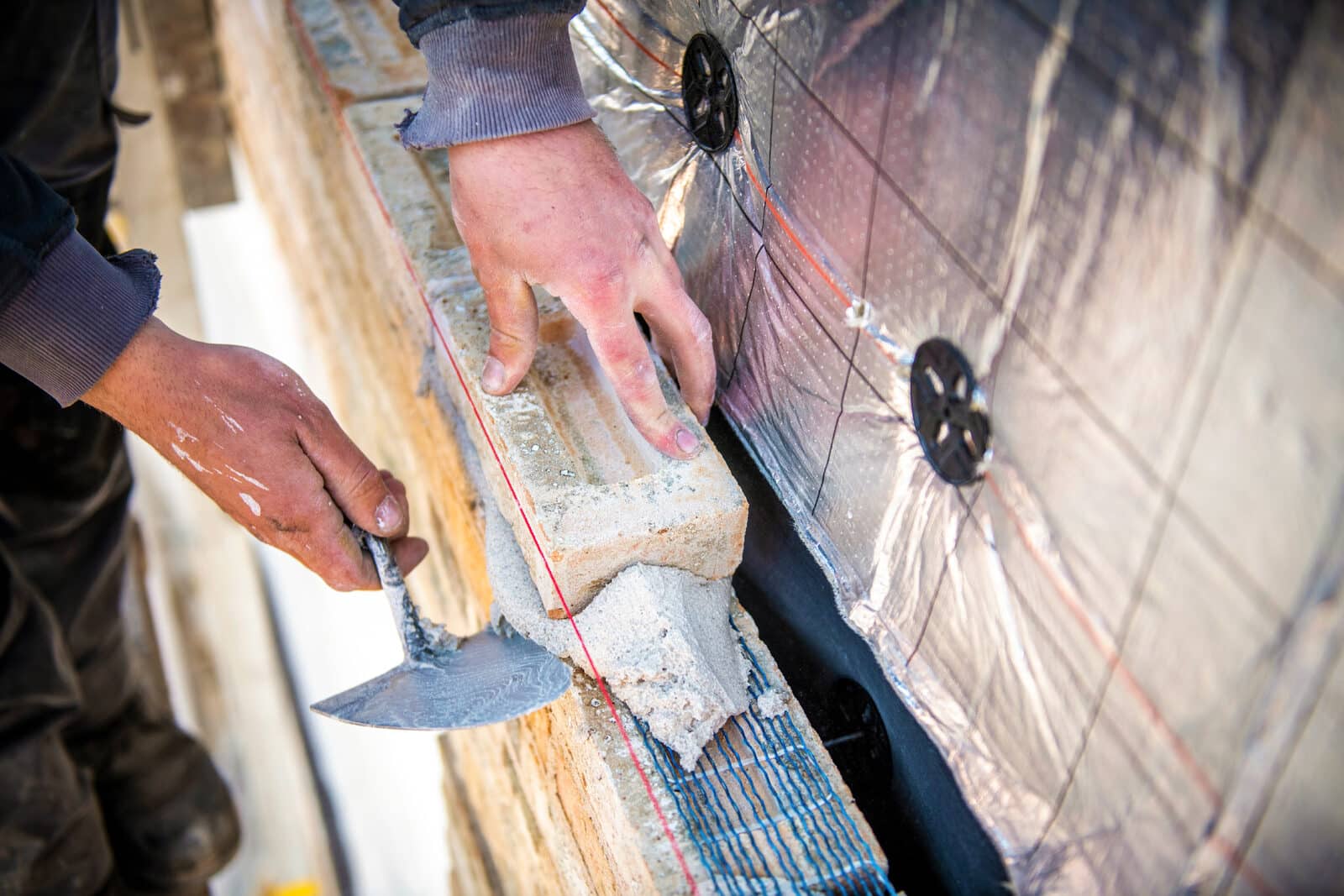
There’s also a sustainability argument to consider. A structure that lasts longer doesn’t need to be repaired or replaced as often. That saves concrete, steel, transportation, equipment, and CO2. At the end of its service life, the steel can also be recycled again, including the remaining zinc coating. “Circularity doesn’t start with demolition,” says Boender. “Circularity starts with designing for a long service life.” Galvanized reinforcing steel also offers design possibilities and requires no special handling on the construction site. It is wear-resistant during transport and installation and can be combined with standard types of reinforcing steel. “It’s simply hot-dip galvanizing, a proven technique. We just need to apply it more often in the right places.”
That is why Zinkinfo Benelux is seeking dialogue with clients, structural engineers, consultants, and precast manufacturers. At the upcoming Beton Event in Den Bosch, the trade association aims to reignite the discussion. Not as a plea for galvanizing everywhere and all the time, but as a serious option where service life, maintenance, and corrosion risks are major considerations. Boender: “We need to move away from the reflex that the lowest contract price is automatically the best choice. The question is what a structure will cost in fifty, eighty, or a hundred years. When you look at it that way, galvanized reinforcing steel isn’t an expensive extra. It’s insurance against trouble you can see coming.”
Neem dan rechtstreeks contact op met ZINCINFO BENELUX.
 Contact opnemen
Galvanized steel as a sustainable building block of the circular
Bekijk Bedrijfsprofiel