Platform on concrete and steel in construction
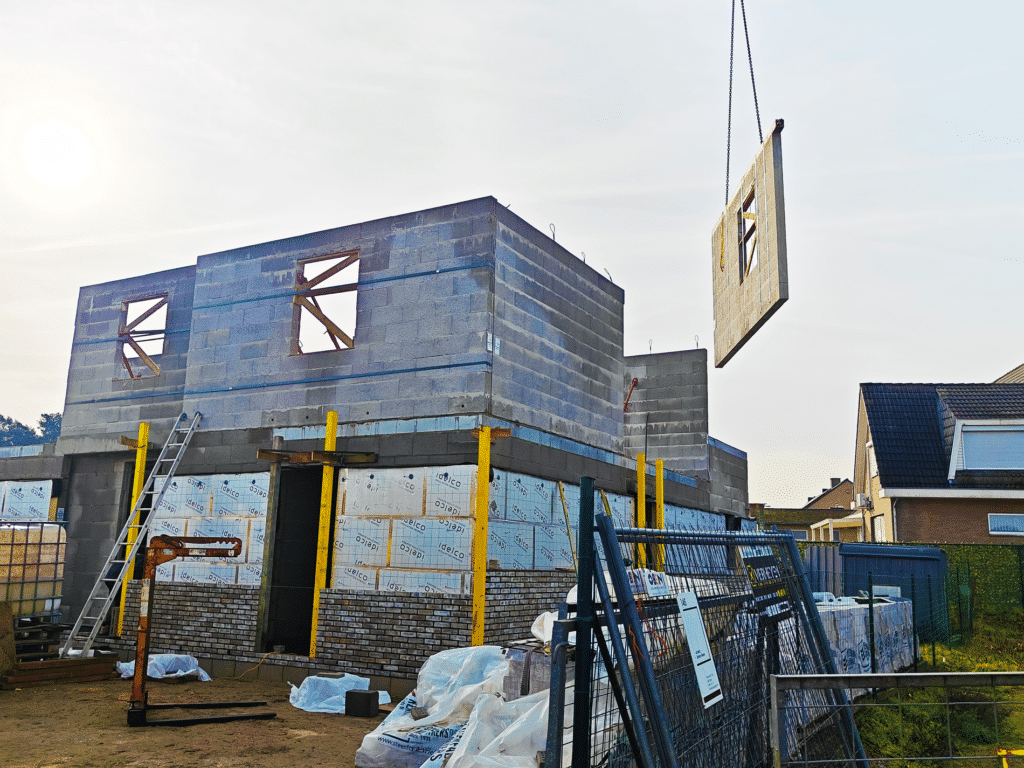
Building today to meet the demands of 2030
Buildings designed and constructed today will face increasingly stringent requirements around CO2 emissions, life cycle analysis (LCA) and material transparency in the coming years. By 2030, demonstrable environmental performance will become a hard requirement for permits, tenders and financing. Sustainability will then no longer be an ambition, but a measurable obligation. MasterWalls from Maasmechelen, Belgium, is already capitalizing on this with prefabricated wall systems whose CO2 impact and circularity are independently recorded and directly applicable in building-wide calculations.
The concrete and steel construction industry has long been talking about sustainability. Yet in practice it turns out that fine words alone are not enough. What really counts are numbers that are correct and performance that is verifiable. MasterWalls therefore approaches sustainability as an integral part of the construction process. Material selection, production, assembly and reuse are not seen separately, but as links in a single chain. This creates a wall system that is not only technically satisfactory, but also environmentally sound.
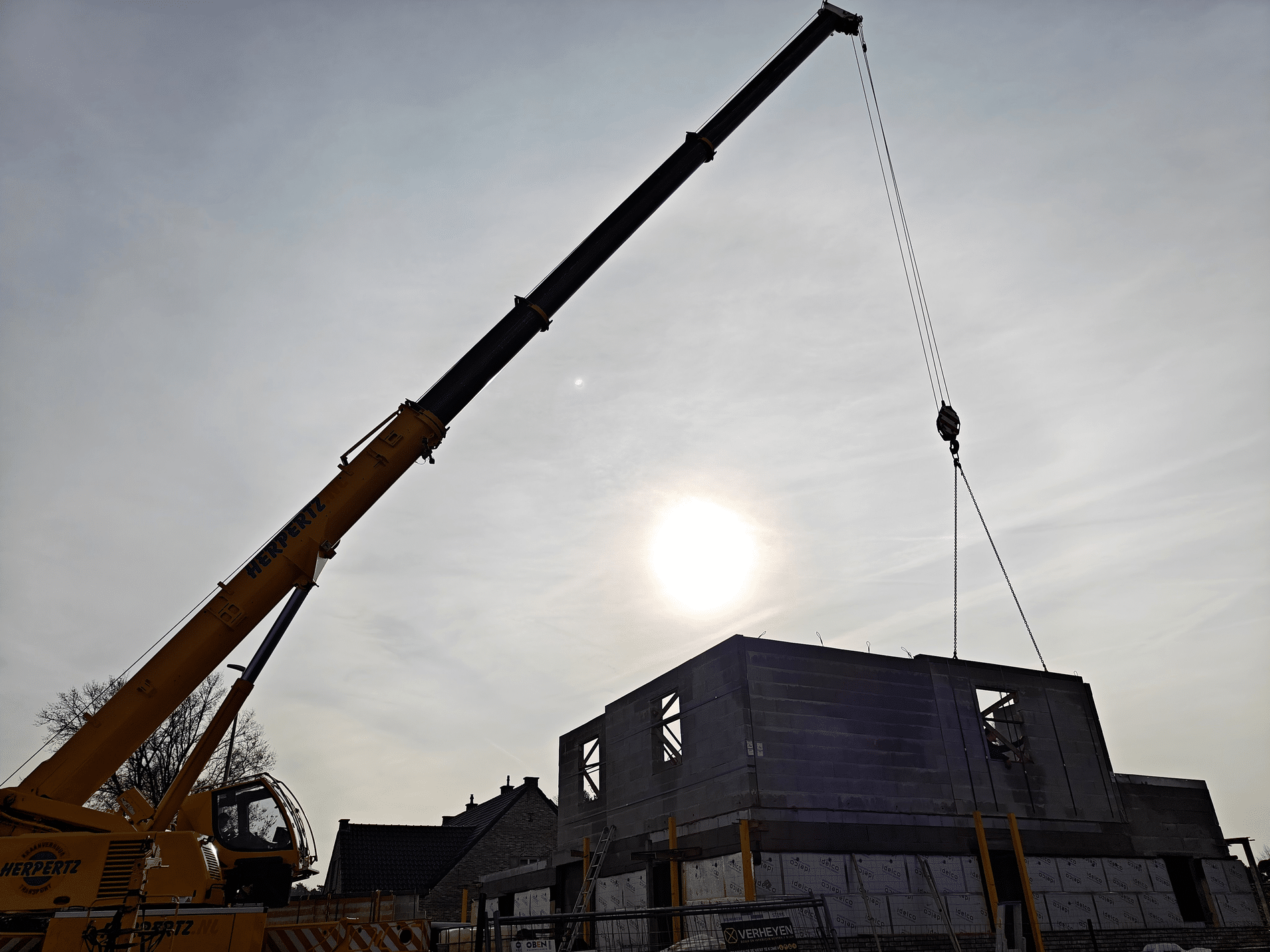
The basis of the system is the cement-free Carbstone building stone, which was previously introduced as a carbon-negative innovation in the Belgian construction sector. Unlike traditional concrete, in which cement is a major source of CO2 emissions, Carbstone uses alternative raw materials. During the production process, CO2 is actively added and chemically fixed in the material. As a result, the stone absorbs more net CO2 than is released during production. This means that the wall itself contributes to reducing the overall climate impact of a building. So it is not a question of offsetting after the fact, but of a structural reduction that is literally built into the construction.
In addition to CO2 reduction, circularity is an important pillar. Carbstone was developed for use in a closed cycle. At the end of its service life, the material can be ground into new granules without loss of quality. This preserves the raw material value and prevents downcycling. MasterWalls applies this principle in modular and demountable wall systems, where materials can be easily separated. This makes reuse easier and more efficient and reduces the amount of construction waste.
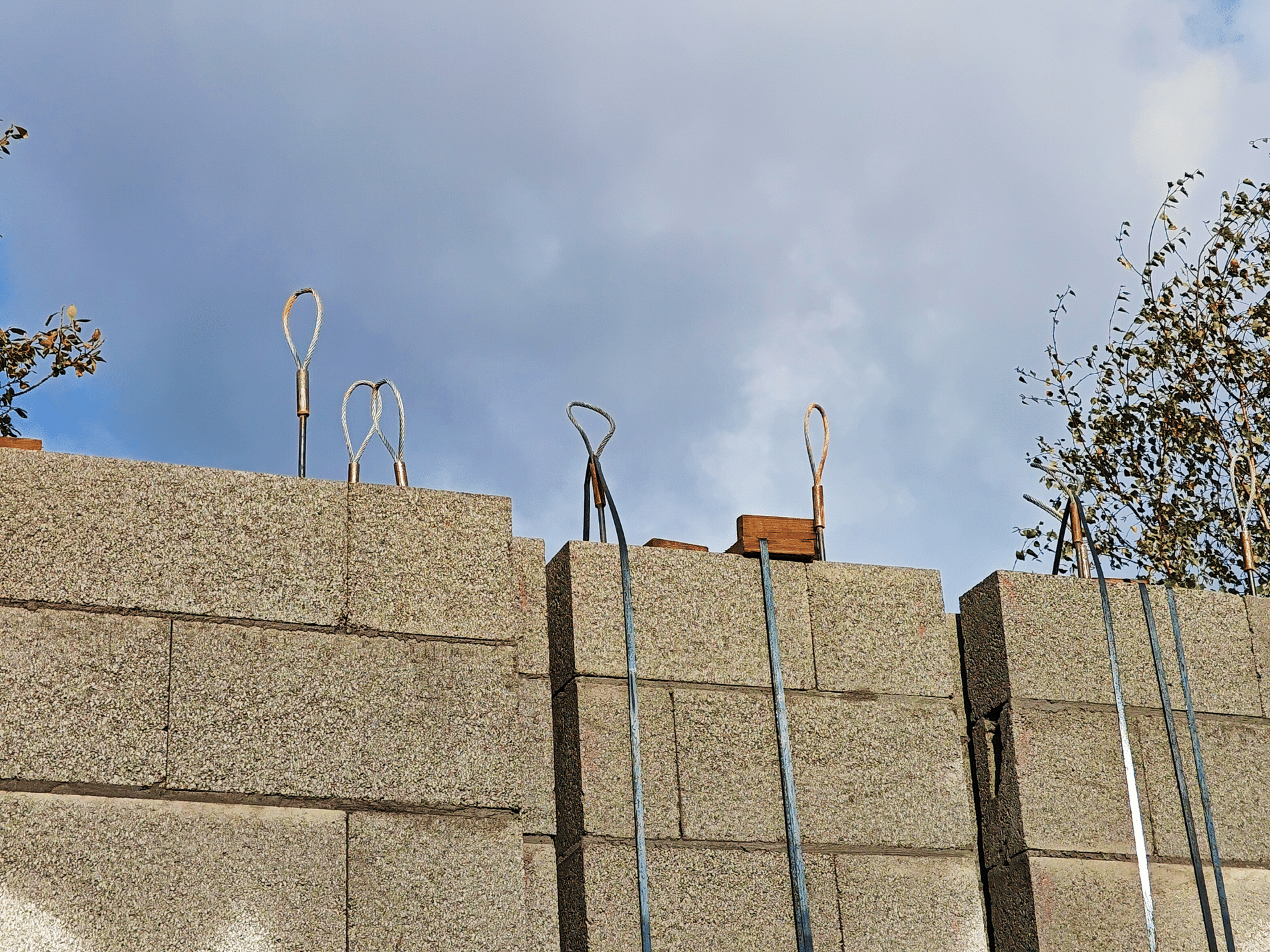
It is essential that these performances are not only claimed but also demonstrable. Environmental performance is documented in independently verified EPDs (Environmental Product Declarations). In addition, Carbstone is included in recognized systems such as B-EPD and NMD. For designers, consultants and contractors, this means that they have reliable and standardized data for building-level LCA calculations. This simplifies permit procedures and supports substantiation in tenders. It is also becoming increasingly important for investors, as they look explicitly at ESG criteria and so-called Scope 3 emissions: the emissions associated with materials and the entire chain.
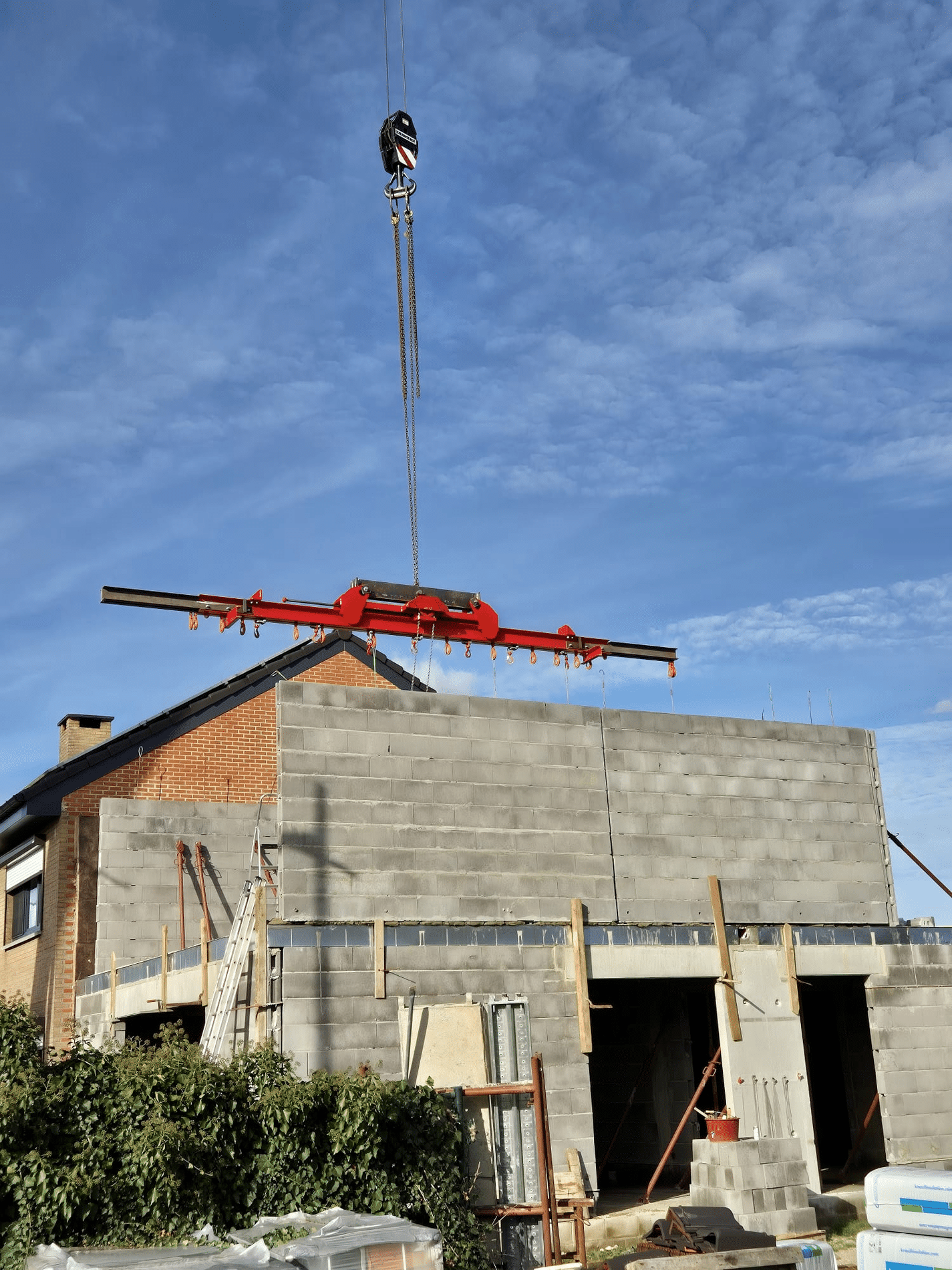
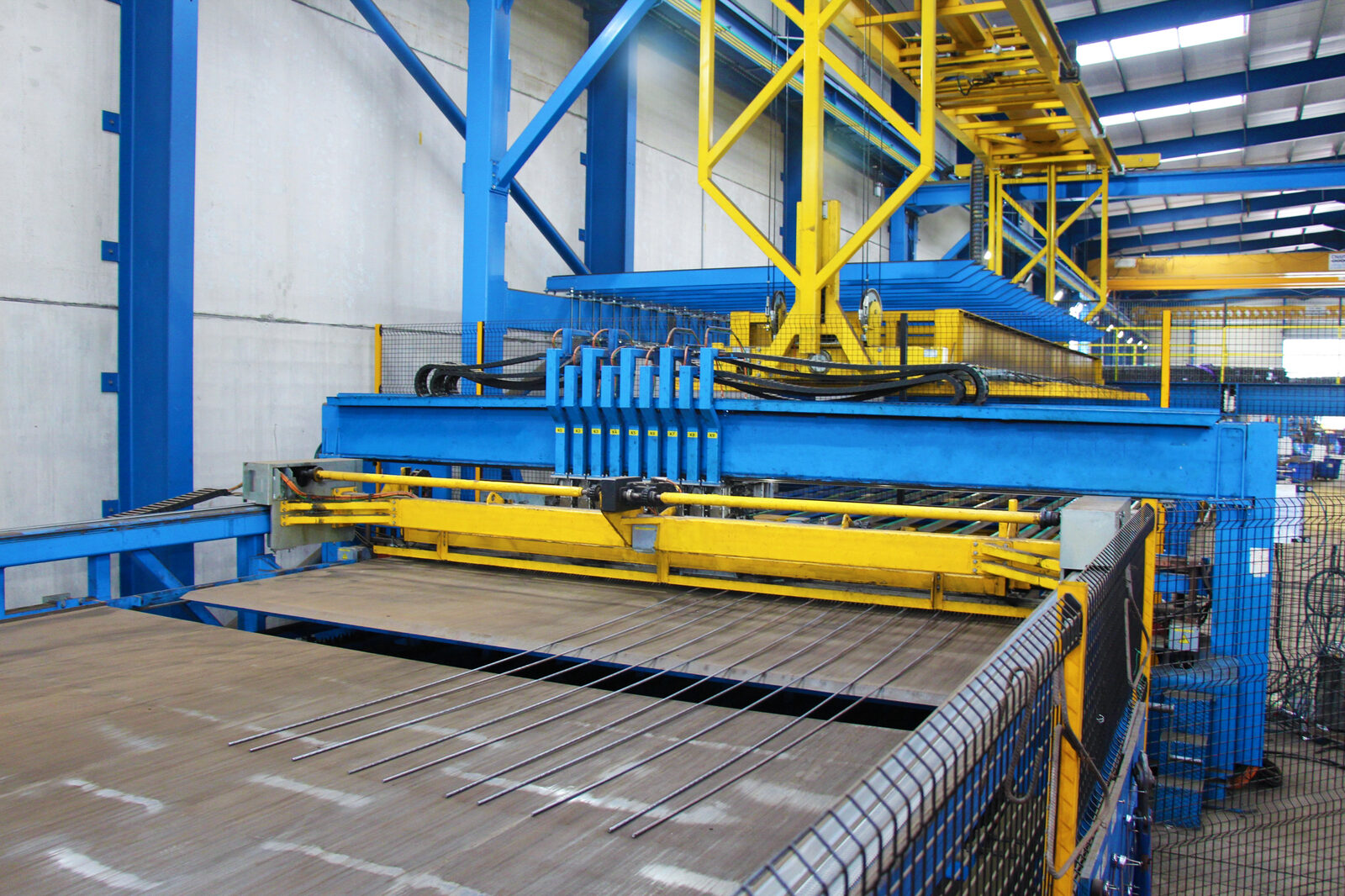
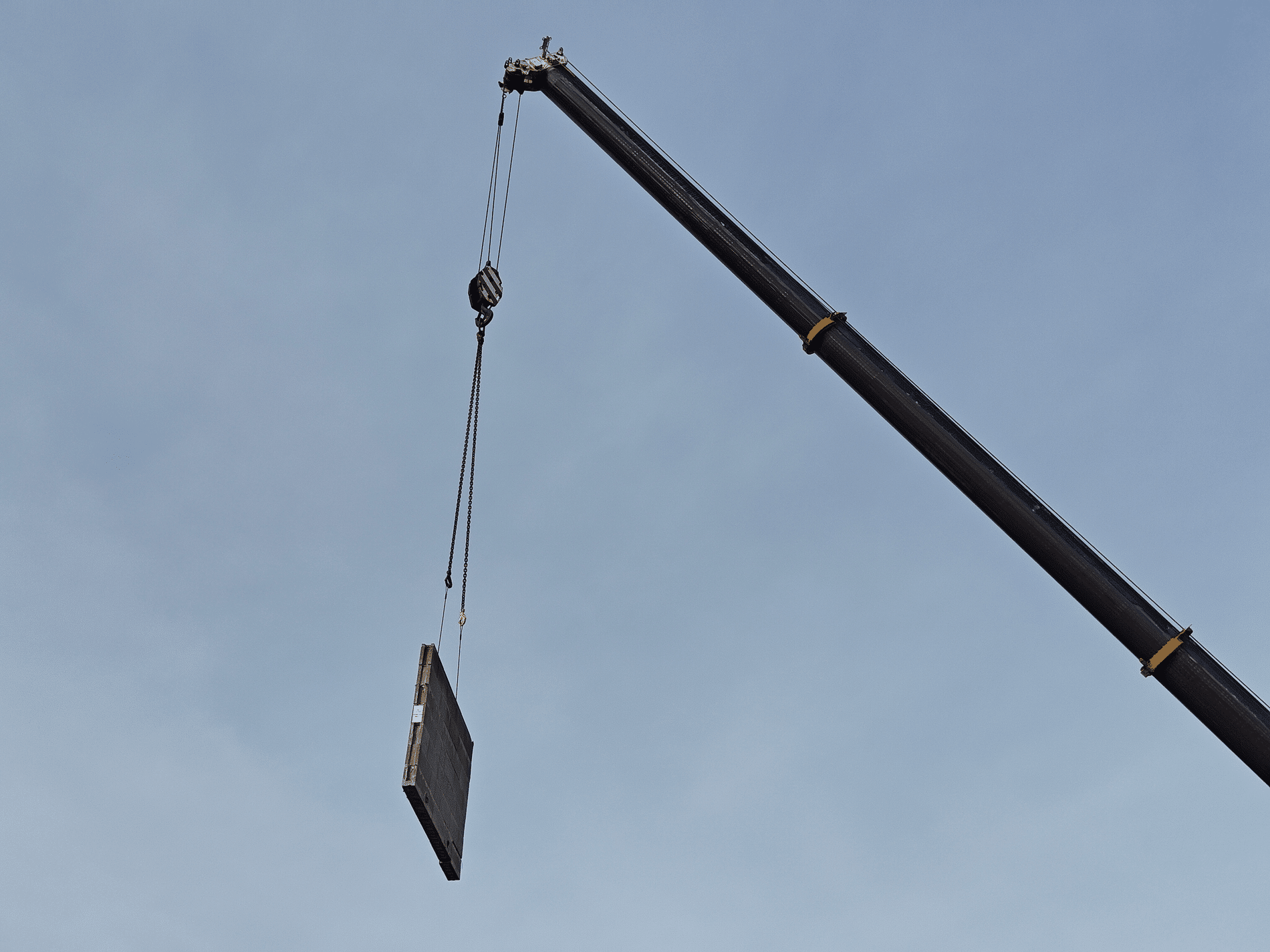
The choice of prefabrication reinforces this approach. By producing the walls in a controlled factory environment, material losses are reduced and quality remains constant. On the construction site, this leads to faster assembly and less use of labor. Failure costs decrease and the construction site remains clearer and safer, as less sawing and grinding is required. At the same time, the system offers sufficient flexibility to accommodate diverse building designs and complex floor plans.
The road to 2030 is clear: stricter regulations, more reporting and higher expectations from clients and financiers. Projects that choose demonstrably carbon-negative and circular solutions now reduce the risk of later modifications and additional costs. With MasterWalls, sustainability becomes not just a mandatory number, but a strategic choice that adds value. Thus, buildings are realized that not only meet today's requirements, but are also prepared for tomorrow's standards.