Cathodic protection as a sustainable solution
Tekst Tjerk van DuinenBeeld Cathodic Protection Supplies
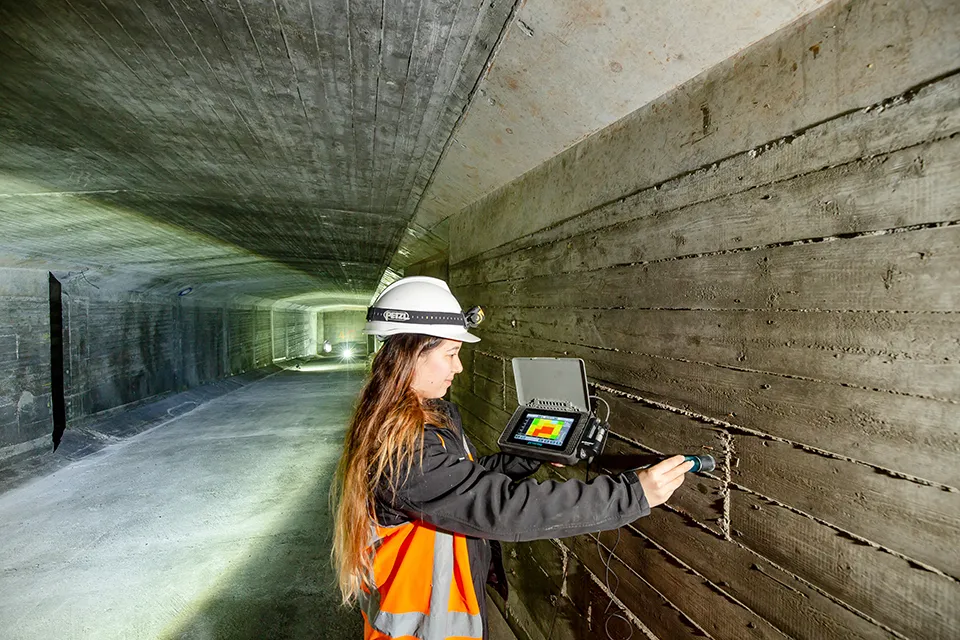
Efficient concrete maintenance
We need to move towards a sustainable society. This is especially relevant for concrete structures, given that concrete is the building material with the greatest environmental impact. “We know we need to use it sparingly,” says Anthony van den Hondel of Cathodic Protection Supplies. “But we have to do so intelligently, to avoid unnecessary increases in the cost to society.”
Most concrete requires no special attention, Van den Hondel explains. “Exposed concrete is different. It needs maintenance. Until a few years ago, Rijkswaterstaat’s approach to structures was to carry out functional maintenance only when there was no other option. The current approach is to renovate now and replace in the longer term. The task is simply too large to replace everything in the short term. At the same time, we cannot defer everything to the future. Large-scale maintenance is therefore needed to flatten the curve, as they call it. As it happens, cathodic protection (CP) is a highly efficient way to tackle the most common problems.”
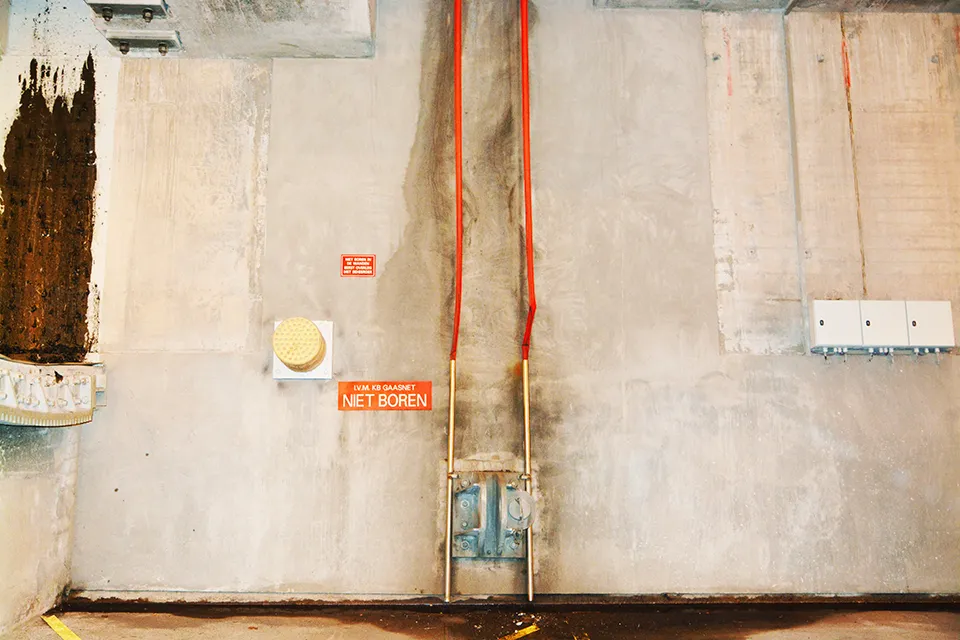
The importance of timing
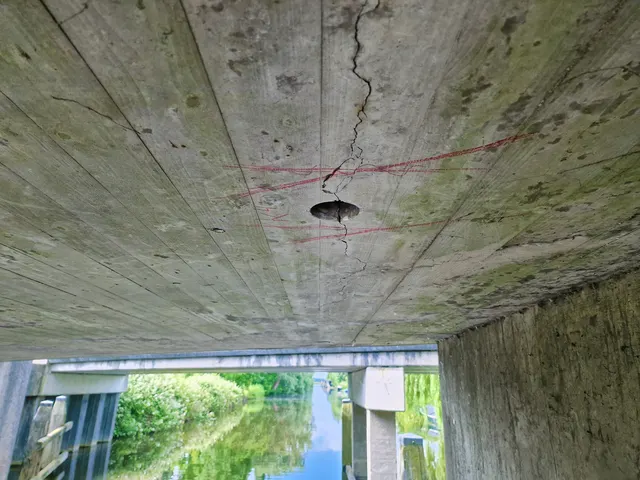
Maintenance needs to be carried out sensibly. Van den Hondel: “First of all, there is often nothing wrong. For example, if chloride attack has affected only the bottom metre of a structure in the splash zone, we would not apply CP over the entire height. That would place an unnecessary burden on budgets and construction capacity. The second consideration is when to carry out maintenance. Doing it too early wastes money and resources; doing it too late incurs even greater additional costs. Doing it at the right time is obviously ideal. In the Netherlands, maintenance is often reactive, meaning it is carried out too late, which is unwise with concrete, or usage-based: maintenance is carried out after a fixed period, regardless of the condition or whether it is needed. We need to move away from that. Condition-based maintenance is better, as it tells you when something needs to be done and where. We do too little of it. CP can help ensure maintenance is carried out on time and that problems are addressed in the right place and in the right way. That makes more sense than waiting until something goes wrong, it becomes a safety issue or it is scheduled.”
Object Data Services
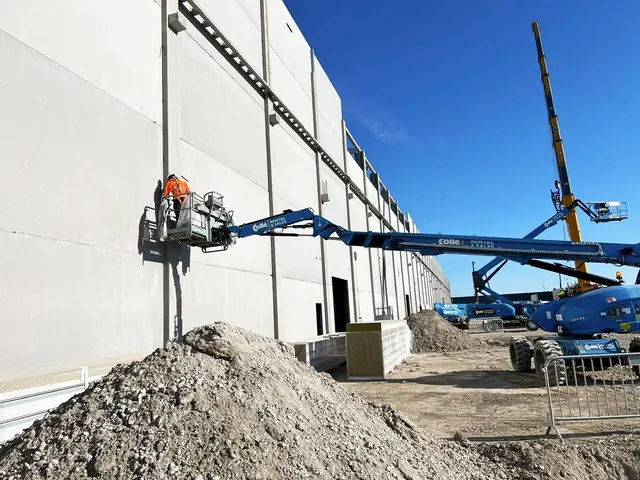
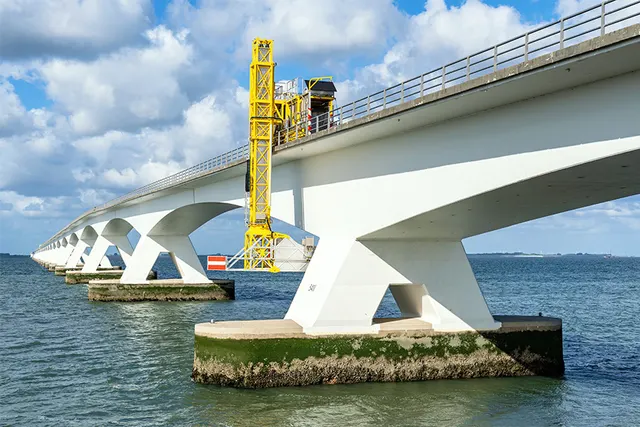
Maintenance can be supported by modern tools, such as photographs (every mobile phone has a good camera) and drone inspections, which eliminate the need to use a mobile elevating work platform. “You need to do this intelligently,” says Van den Hondel. “You can process the information in 3D models, adding metadata to the images. RWS recently set up Object Data Services (ODS), a system that collects, stores and compares data on tunnels, locks and bridges in a standardised way. These assets can then be monitored, managed and controlled via a single dashboard. This is a positive development, but how do you incorporate maintenance into the system?”
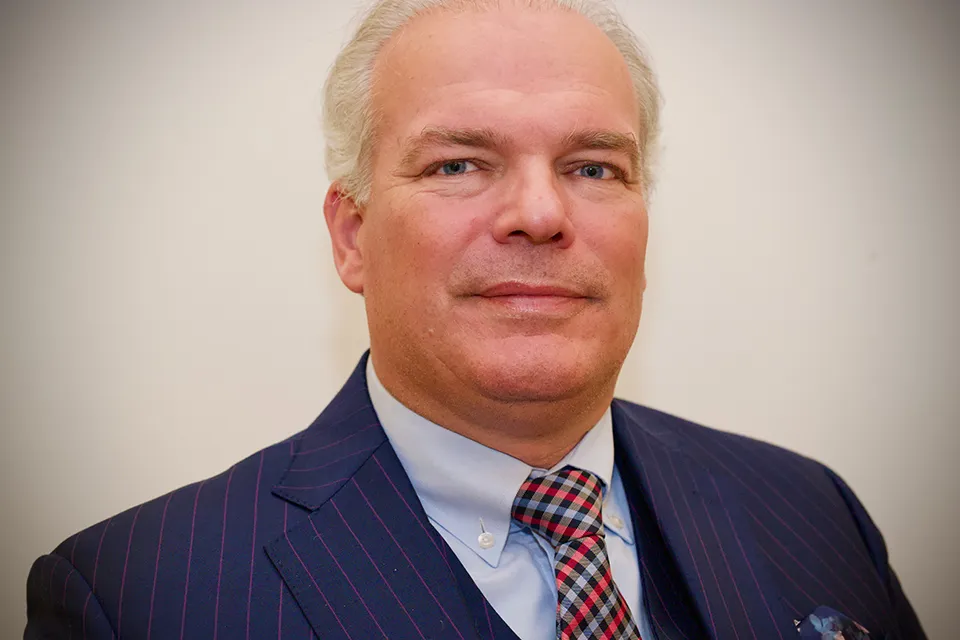
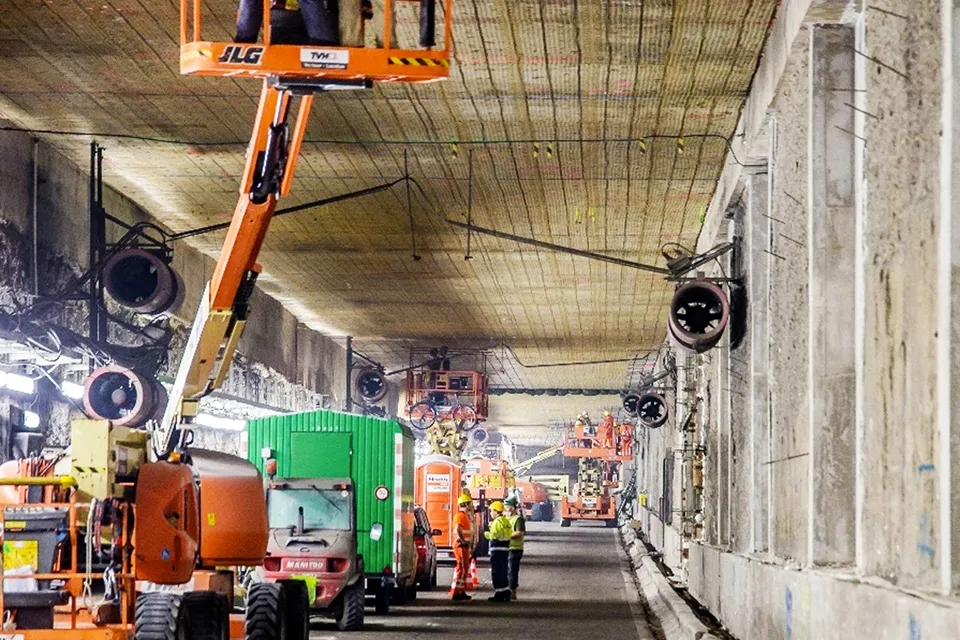
Van den Hondel sees plenty of ways to make the maintenance task more manageable. “ODS is a good system that can provide useful information, but if you are responsible for 4,000 assets, how do you decide what to tackle, when and how? As I said, you can make sure you do not do too much. Brussels, for example, is full of tunnels. CP was recently installed during the renovation of 130,000 m2 of tunnel surface. Good advisers determined where CP was needed. There was nothing wrong with over 100,000 m2, and ‘only’ 24,000 m2 was protected with CP. Applying CP everywhere would bring no benefit to society.”
Alternative procurement methods
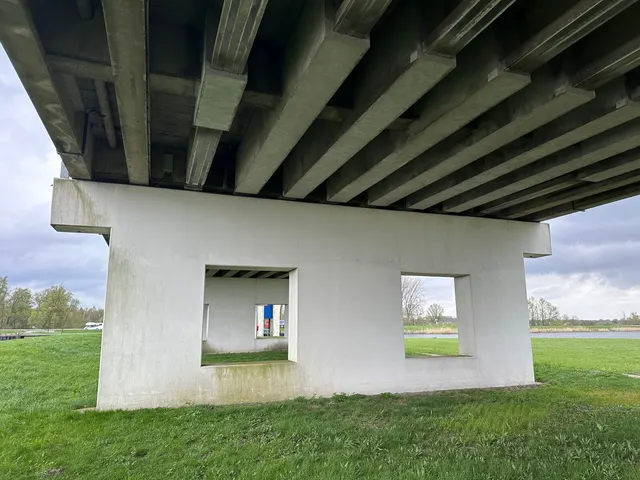
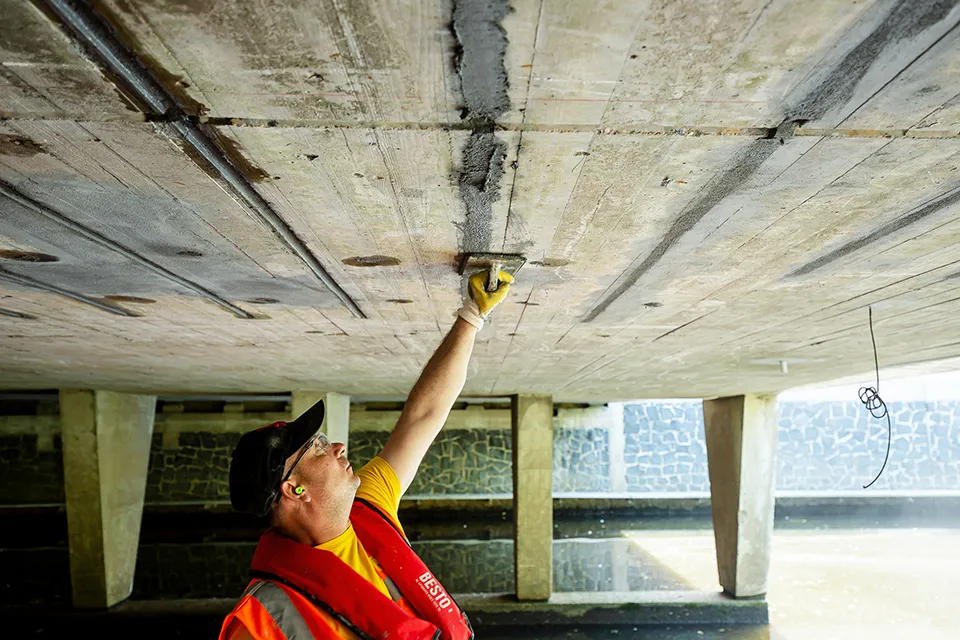
There are also potential benefits in the way contracts are tendered. Van den Hondel: “The Nijkerkerbrug is a good example. RWS first looked for a contractor without saying what work needed to be done. Once it had found a suitable company, the options of replacing or renovating the bridge were put on the table. There was a budget for replacement, but the work ultimately became a maintenance project because of the price, and above all because it would cause only four weekends of closure and disruption instead of six months. That is a clear win, and the Nijkerkerbrug will last another 30 years.”
Minimising disruption
Disruption and diversions are also important factors. “The disruption caused by a closure has a significant impact on the overall footprint of the project. This is not just about the tonnes of cement, workers’ cars travelling back and forth and the generators on site, but also the extra kilometres motorists have to drive for months. That accounts for a relatively large share of the total impact. It is therefore important to avoid unnecessary maintenance and ensure longer maintenance intervals. Put simply: if you do something, do it properly. Cutting costs now can prove expensive later. Use your available budget and capacity wisely. Try to group the work with, for example, maintenance of technical installations.”
Cathodic protection (CP)
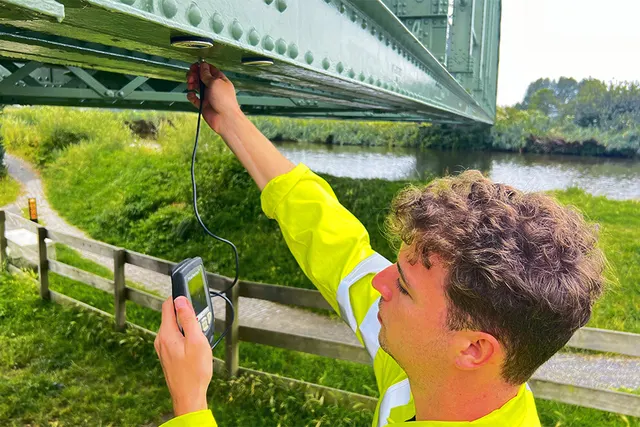
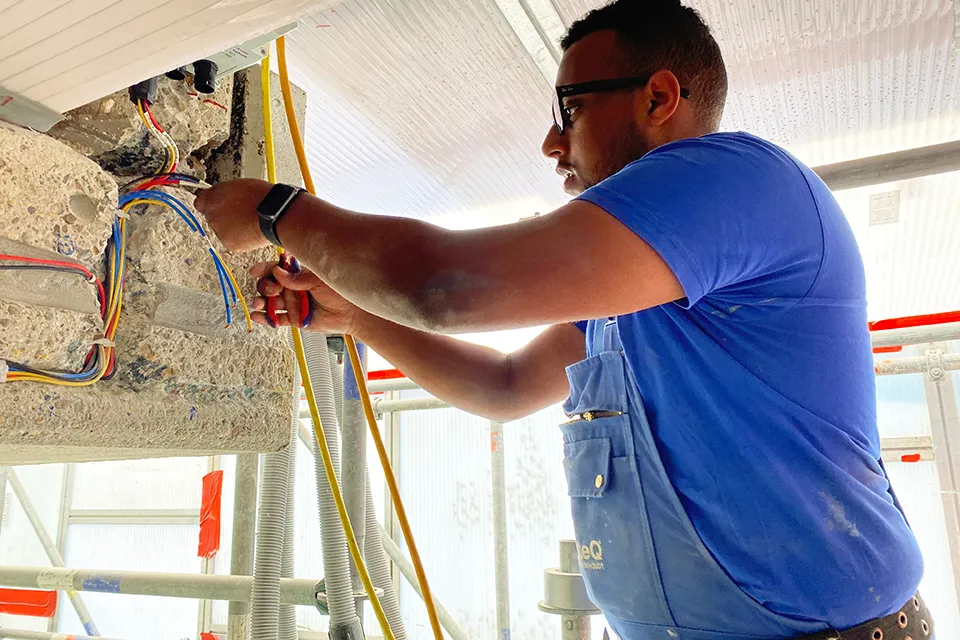
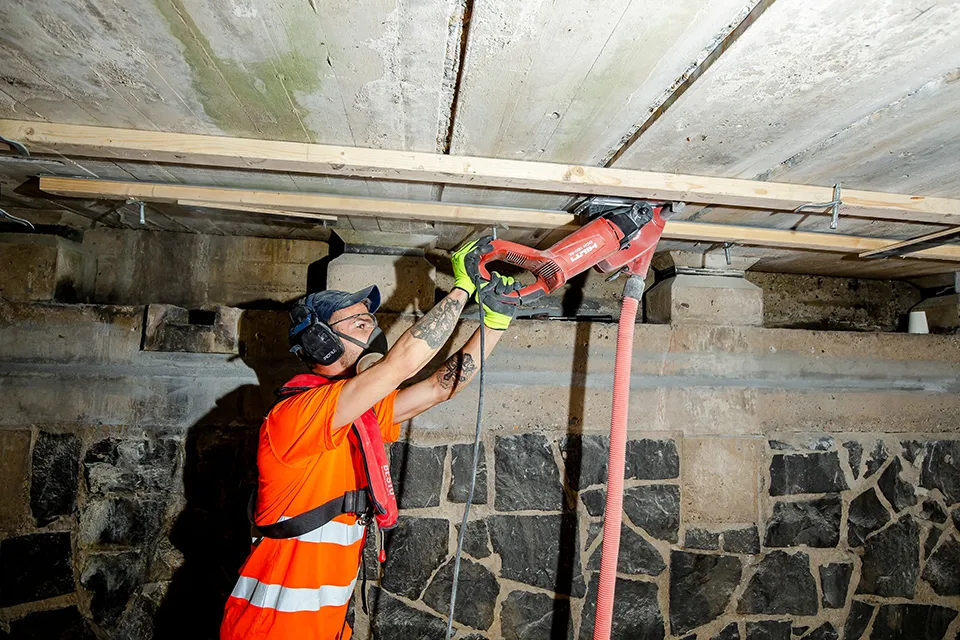
According to Van den Hondel, cathodic protection can also play a significant role in addressing the maintenance task. “It is an active system that generates data. Power consumption tells you whether it is a wet day and more protective current is needed. If there is a leak, the CP system is the first to register it. If a rubber joint leaks and CP is installed, more current flows at that point. So CP is both a protection system and a way of turning the concrete into a huge sensor that generates data. We are now working with RWS to collect data centrally from all its assets with CP. RWS wants to make this and other data accessible to help the Netherlands move forward. I think that is an excellent initiative. I am a strong advocate of sharing information and knowledge between organisations such as RWS and industry. Advisers from VABOR, repair companies from VBR and the CP Knowledge Centre have a wealth of knowledge. We all need to solve a major problem together. I firmly believe that almost all the structures standing today will need to remain in place for another 30 to 40 years. We cannot replace everything; maintenance is essential.”
Vraag over dit verhaal? Stel je vraag
Blijf dit volgen
Bij een nieuw verhaal krijg je een e-mail. Geen account nodig.
- OnderwerpTreatment & protection