‘Steel is a product for use, you don’t consume it’
Tekst Susan Peek en Roel van GilsBeeld Swanenberg IJzer Groep
Our living environment is under pressure, and the desire to improve it is growing.
As a result, new regulations are forcing the construction sector to build more cleanly and sustainably. Reusing steel products offers a way forward and can deliver significant environmental savings. “Steel is a product for use, you don’t consume it.”
Encouraging and informing
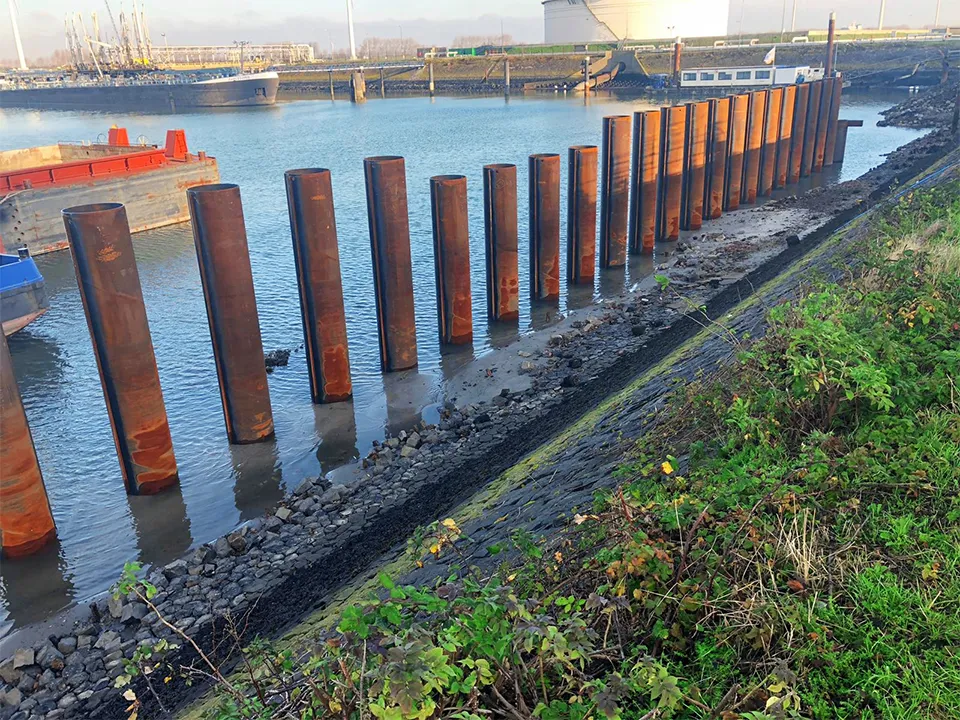
“Resource scarcity, reducing CO2 emissions, nitrogen compensation and cutting energy consumption are all topics of the day. Steel is a material that is highly suitable for reuse,” says Frank van der Loop of Swanenberg IJzer Groep in Schaijk. “We are always happy to explore the possibilities.” The ‘Donorstaal’ platform, an initiative by Swanenberg IJzer Groep, encourages the reuse of steel. “Raising awareness is enormously important. That is why it is essential to inform people properly about the possibilities for reusing steel, and then encourage this form of circular construction.”
Steel performs well in recycling and reuse
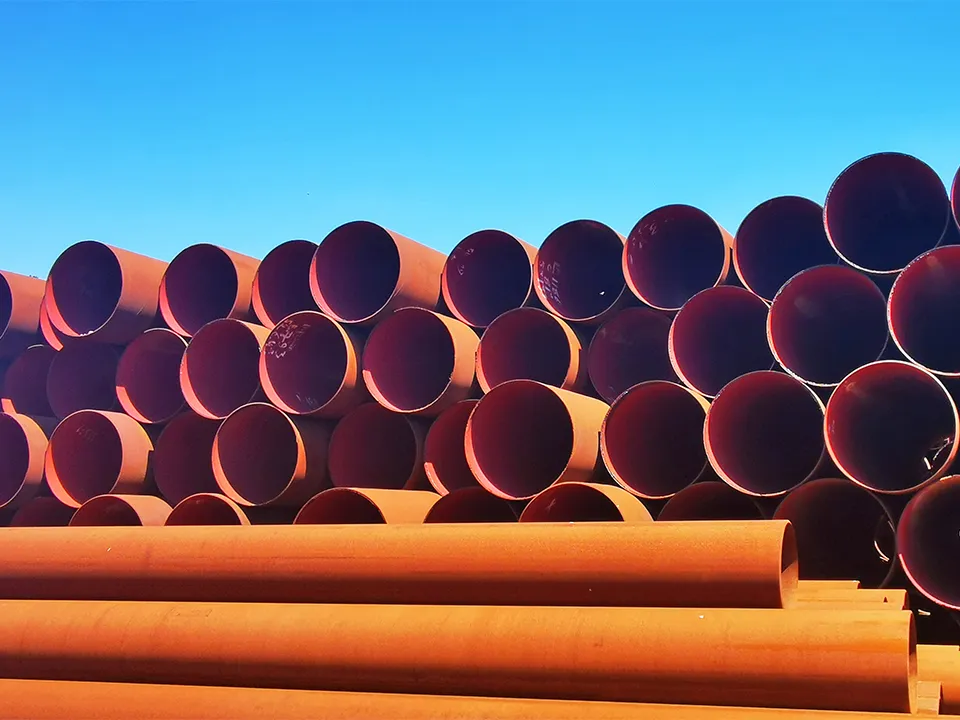
Steel beams and tubular sections retain the same properties as new products, provided they are properly conditioned, making them suitable for reuse in high-quality applications. Van der Loop: “For example, by dismantling the load-bearing structure and construction materials when a building is demolished, you give those materials a second chance. Donorstaal encourages the rental and sale of used steel for, among other things, the construction of new buildings, major civil engineering projects and foundations. It offers unprecedented possibilities and environmental benefits, particularly in the civil engineering and infrastructure sectors. In this way, we contribute to the goal of a circular economy.”
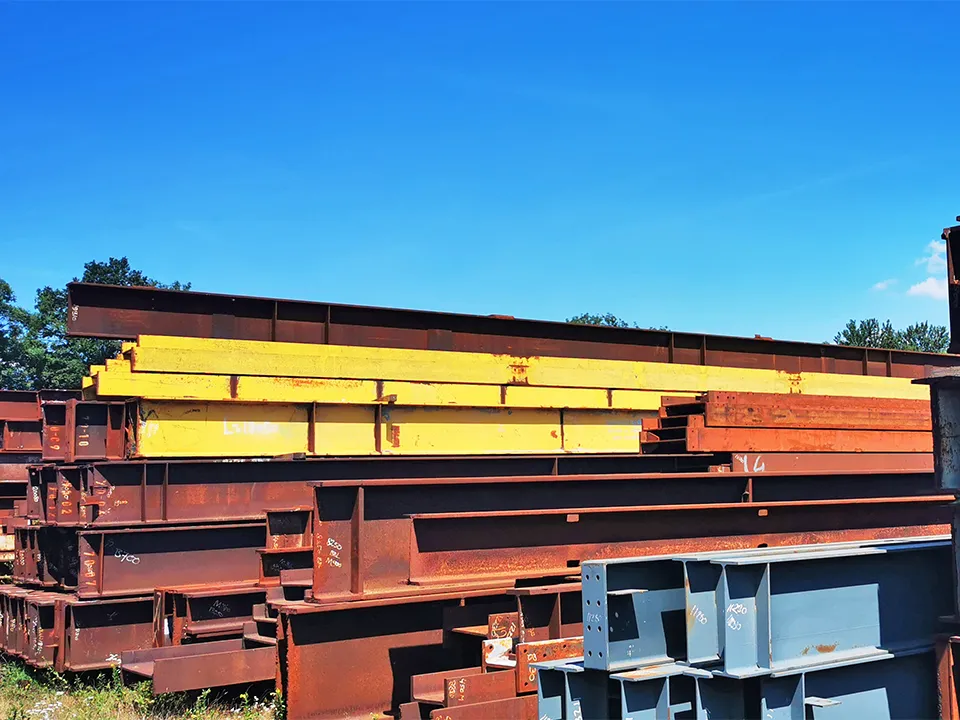
By actively participating in and engaging with various initiatives on this subject, Swanenberg keeps abreast of the possibilities for reusing steel. “And those possibilities go quite far,” says Van der Loop. “Among other things, in response to stricter government regulations on steel traceability, we try to establish the exact properties of used tubular sections, steel structures from buildings and old transport pipelines. With the right information, we can give these sections a second life.”
Recertification
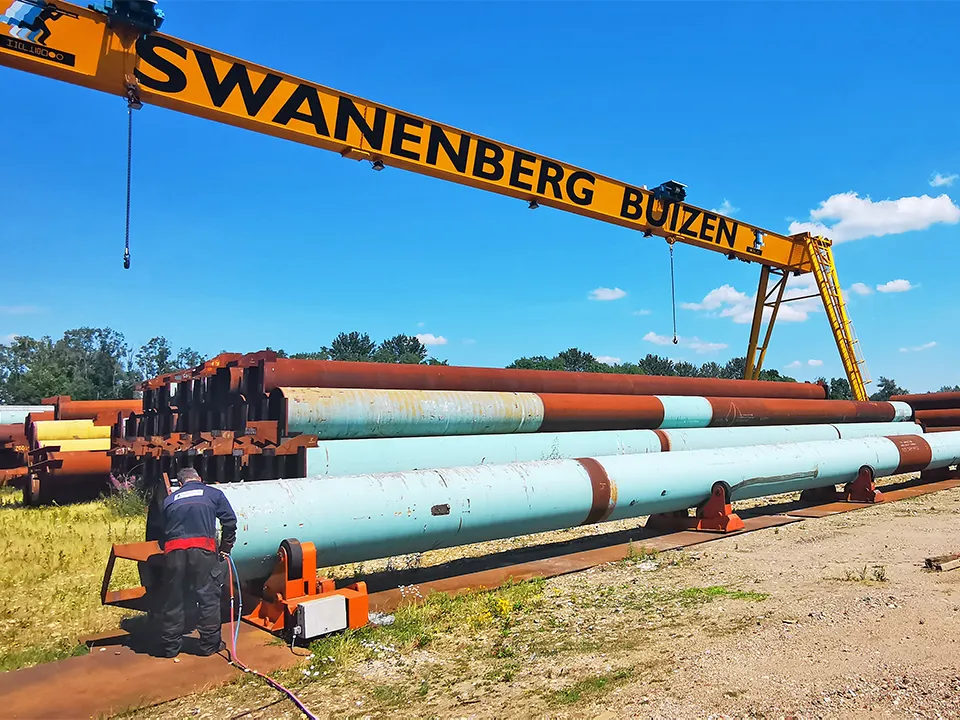
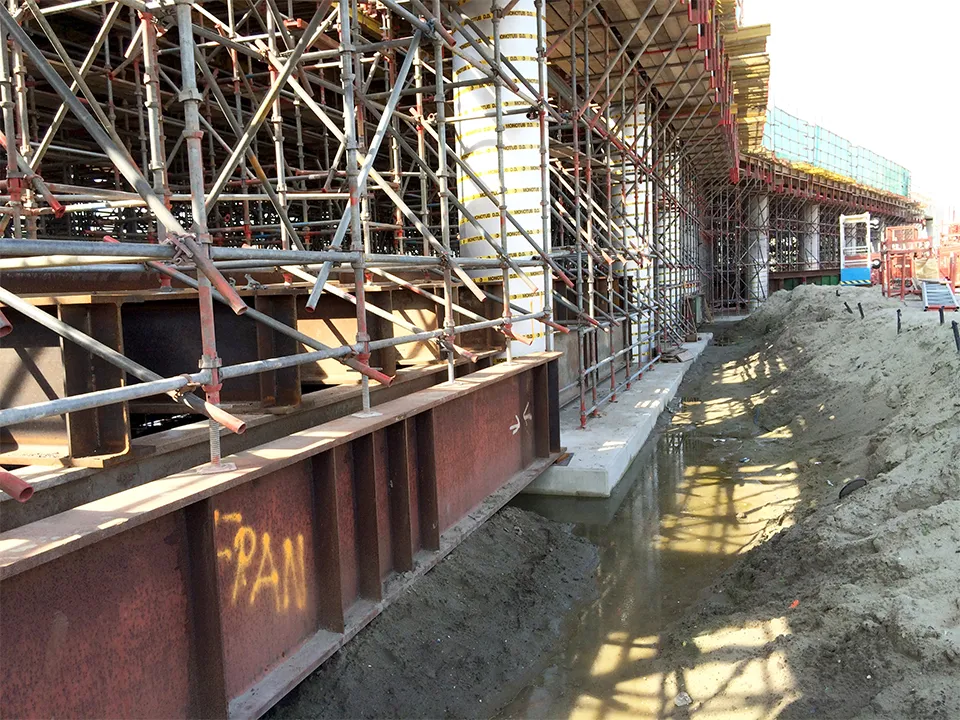
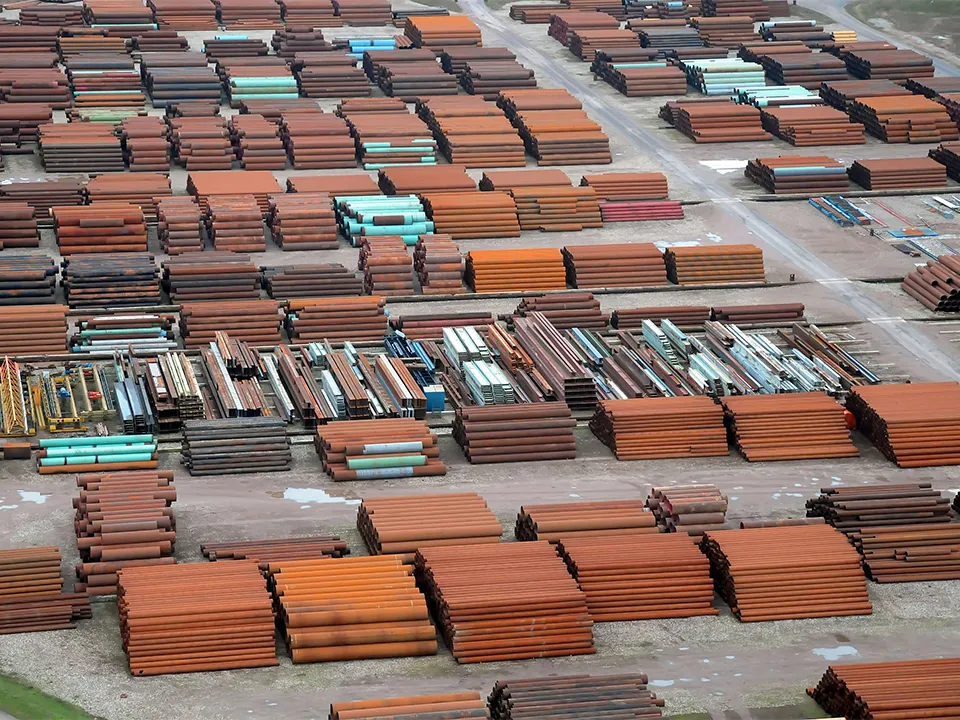
Swanenberg IJzer Groep has been the greenest steel supplier in the Netherlands for more than 55 years. “After all, we have been trading in used steel for all those years,” says Van der Loop. “With a stock of more than 150,000 tonnes of steel tubes and beams, we can deliver very quickly on request. We started out buying and selling used steel and, over the years, have grown into one of Europe’s largest stockholders of both new steel (first-choice material, with full mill certification) and unused surplus stock. We are also increasingly focused on changing the intended use of products that have already been overproduced. This mainly means putting surplus production and cancelled rolling orders back to use. Products can often be used in several different ways. Thanks to our many years of experience, we know whether products can meet specific quality requirements. For example, tubes originally manufactured for use as gas pipelines can be used very effectively in the infrastructure sector, in applications such as combined walls, strutting frames, rotary piles and driven piles. We also work closely with testing laboratories that can carry out chemical and mechanical analyses if required. This can help verify the steel grades of used steel so that it can be used for its intended application. So there is no need to be wary of using used steel.”
More cost-effective
Using used steel sections means there is no need to produce new steel. “The service life of a steel structure is often much longer than its period of use,” Van der Loop emphasises. “There is therefore a huge amount of used steel in circulation. Under current regulations, people are quick to choose new steel for a project. That is a waste, particularly when there are no additional requirements, or when the steel grades are known and used products with the same properties as new steel can be given a second life. Using used steel delivers enormous environmental benefits. Fortunately, more and more clients are aware of this. It also brings cost savings, so it is a win-win.” He concludes: “Using used steel is more cost-effective, often available from stock, and better for the environment. The infrastructure sector has already discovered this, and everyone is reaping the benefits.”
Vraag over dit verhaal? Stel je vraag
Blijf dit volgen
Bij een nieuw verhaal krijg je een e-mail. Geen account nodig.
- OnderwerpProduct information