Quality monitoring of coating systems on steel and aluminium
Tekst Philip DoutreligneBeeld Bjond Innovation
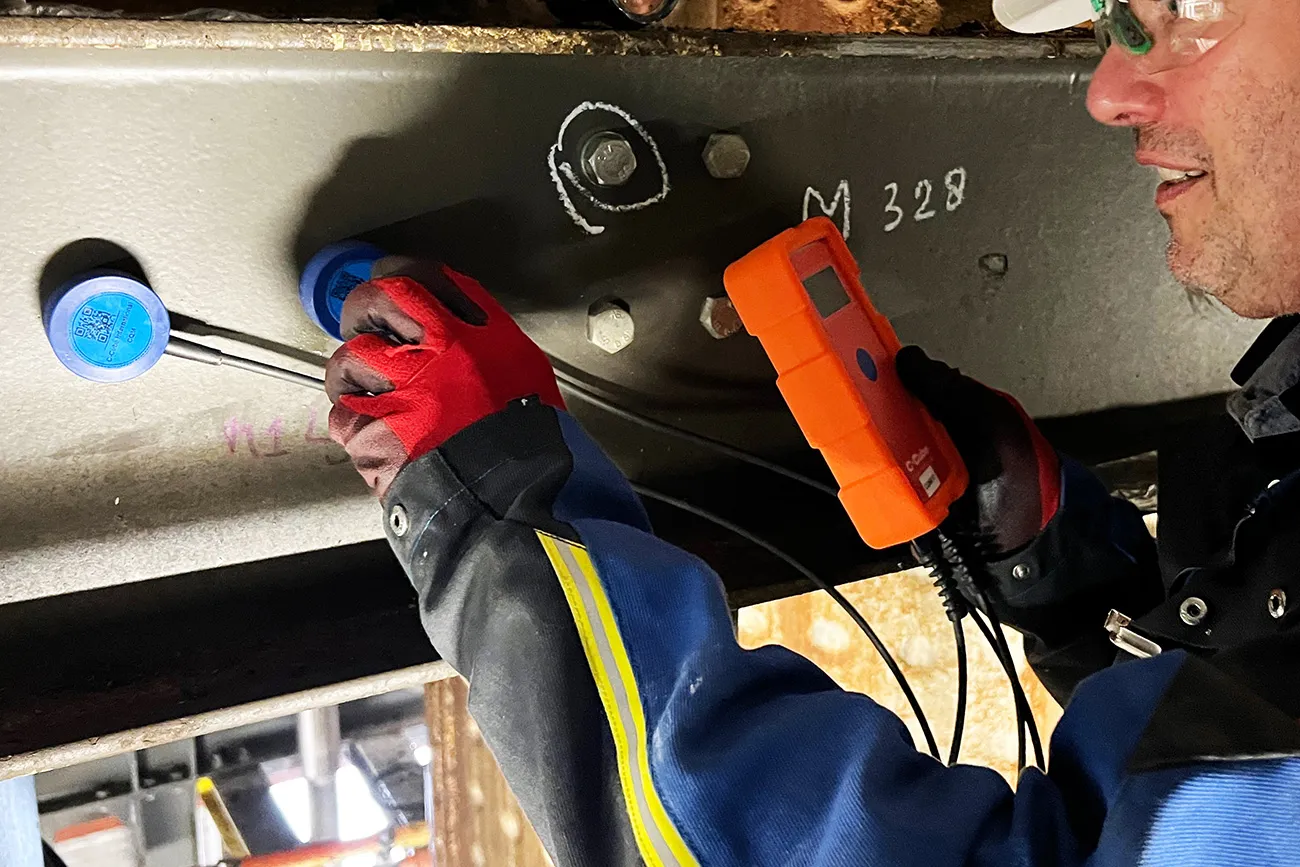
Electrochemical Impedance Spectroscopy (EIS)
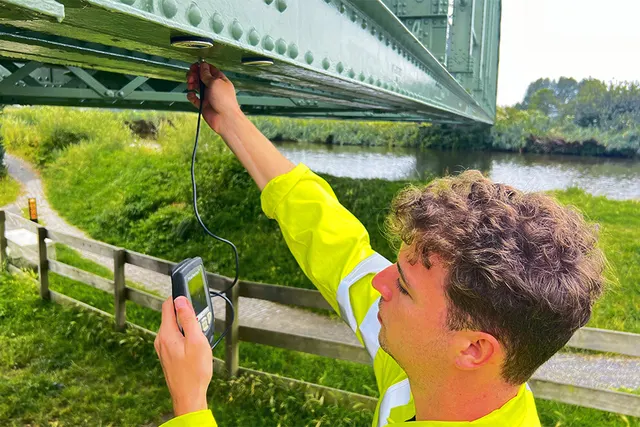
Through his company Bjond Innovation, Jo van Montfort has built a strong reputation in the inspection, research and consultancy of the service life and performance of construction materials, with the safety of concrete and steel structures in mind. Regular, or better still, continuous monitoring of materials and their protective coating systems is vital. In recent years, Bjond Innovation has increasingly turned to innovative technologies such as EIS, or Electrochemical Impedance Spectroscopy, for this purpose.
Safety comes first
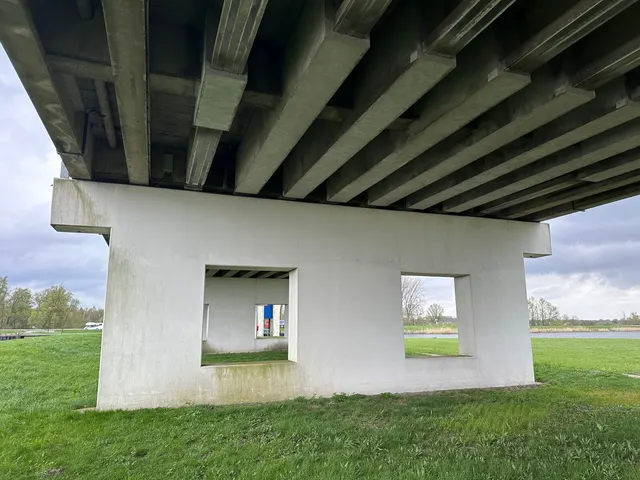
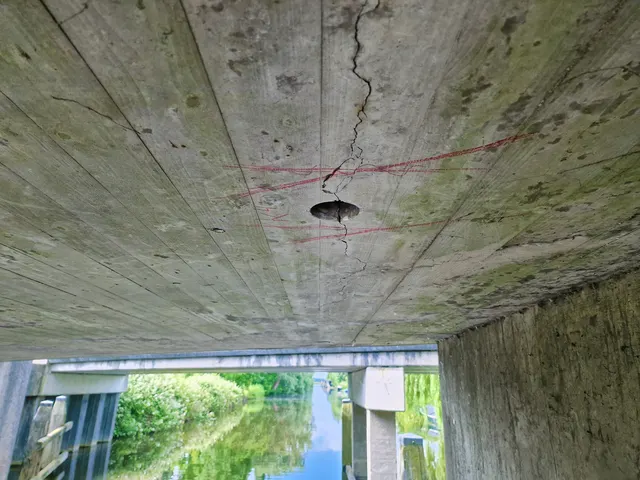
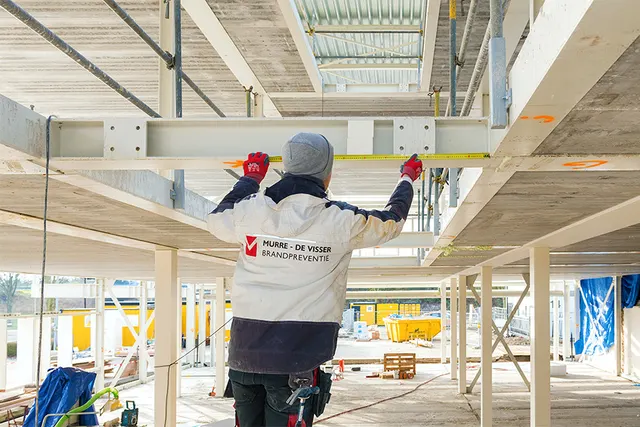
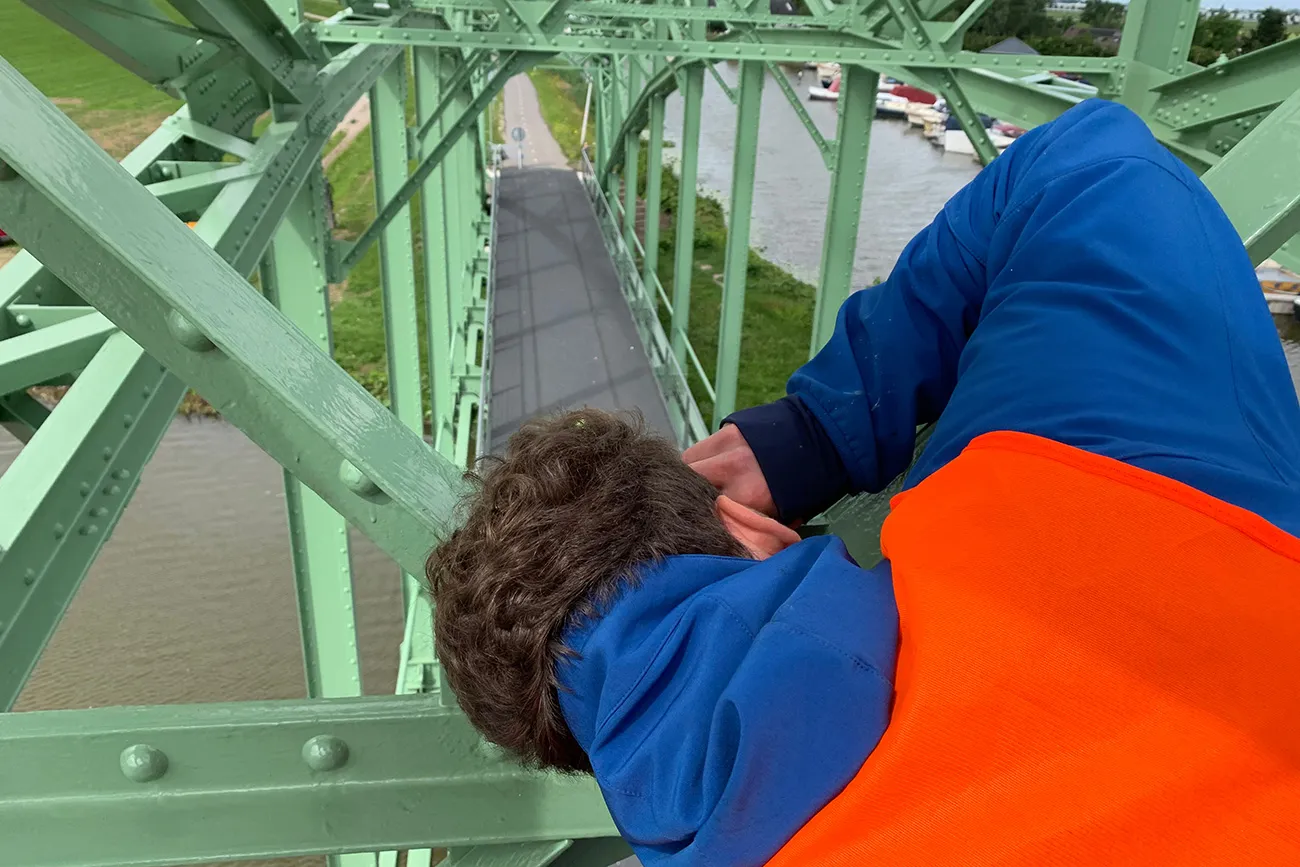
Steel is susceptible to corrosion, commonly known as rust. Over time, the degradation of these materials can adversely affect the structural stability of major buildings and infrastructure projects. Quite apart from the enormous repair costs, this inevitably puts the safety of residents and/or users at risk.
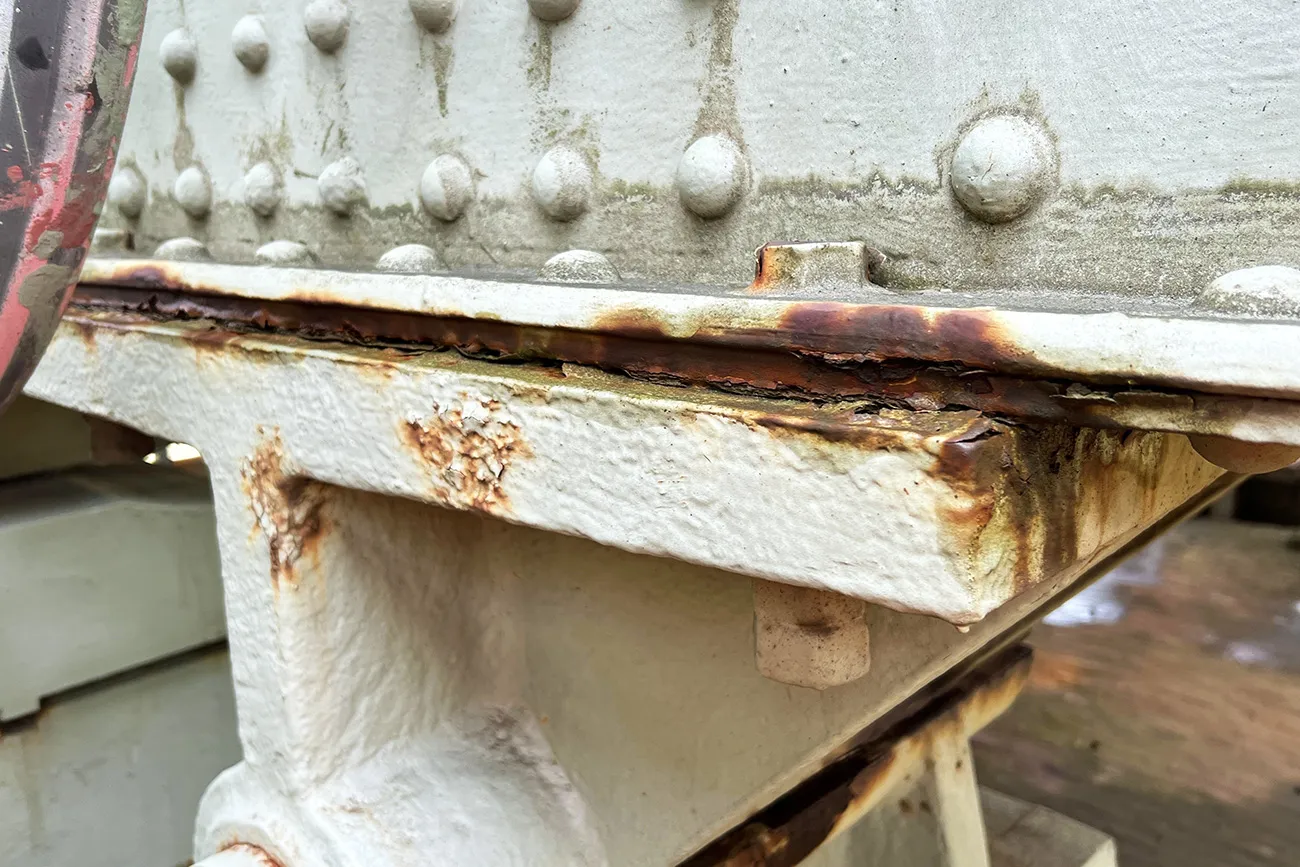
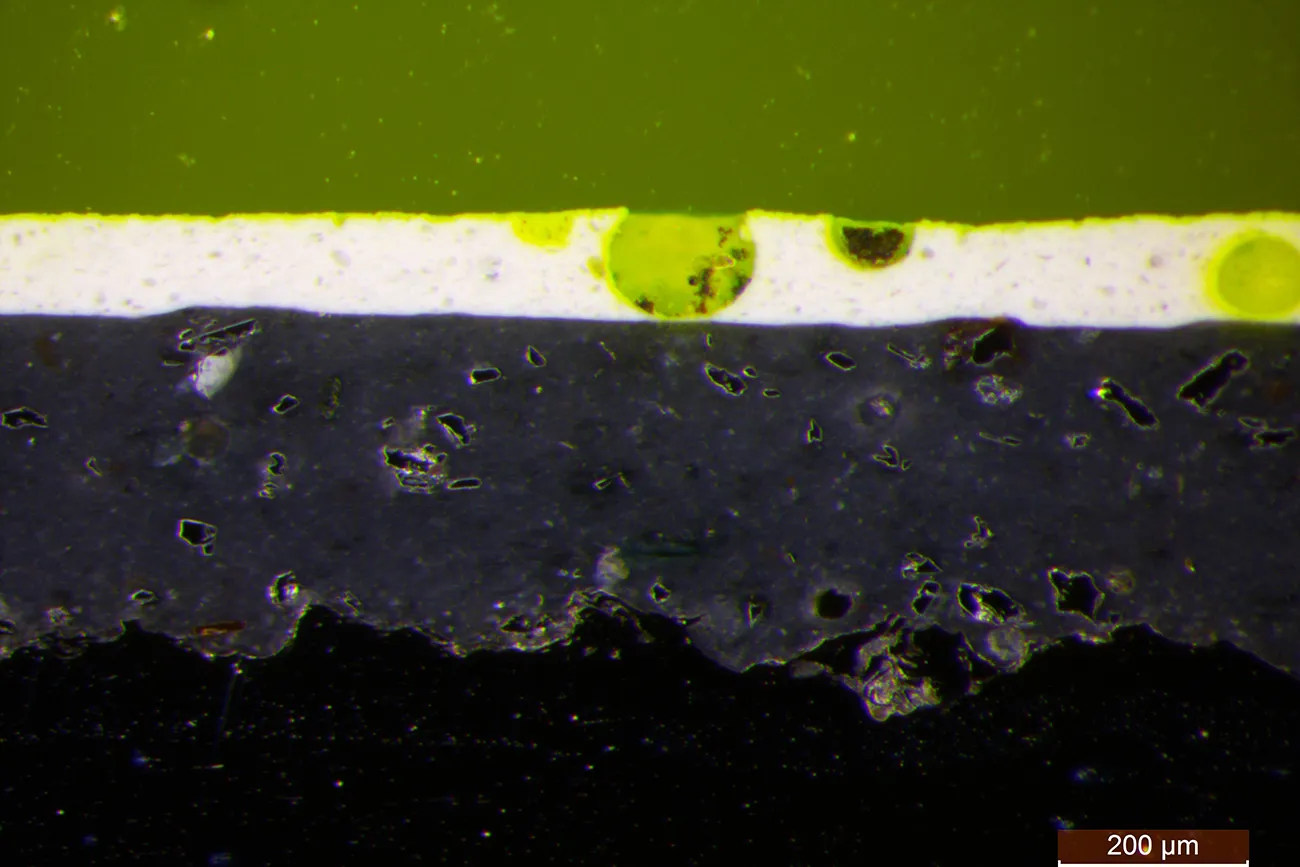
The service life and reliability of materials can be significantly extended by applying targeted protective coating systems. These require regular inspection to check that their protective function has not deteriorated too much over time and to determine when maintenance or repair is needed. Ideally, this measurement process is controlled and carried out remotely using sensors.
Holistic, non-destructive measurement method
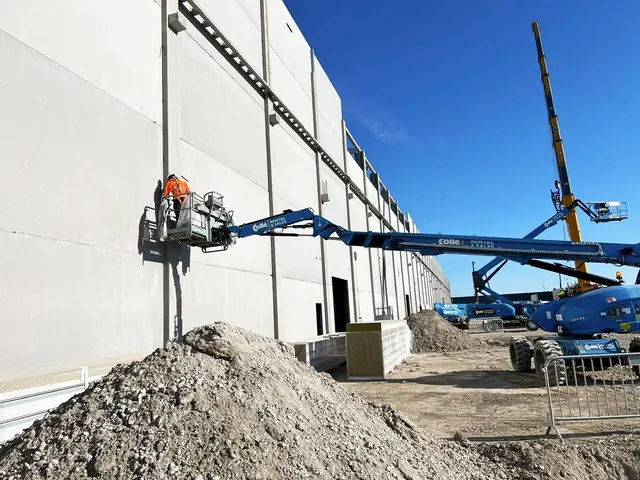
Coating systems on steel protect major buildings and infrastructure projects against premature degradation caused by weather, environmental conditions and aggressive substances. In the past, assessments of a structure’s remaining service life, coating quality and the maintenance work required were based on superficial visual inspections, destructive adhesion tests and/or sampling. This was a particularly time-consuming, and therefore costly, method that was also destructive, making repairs to the coatings damaged in the process necessary.
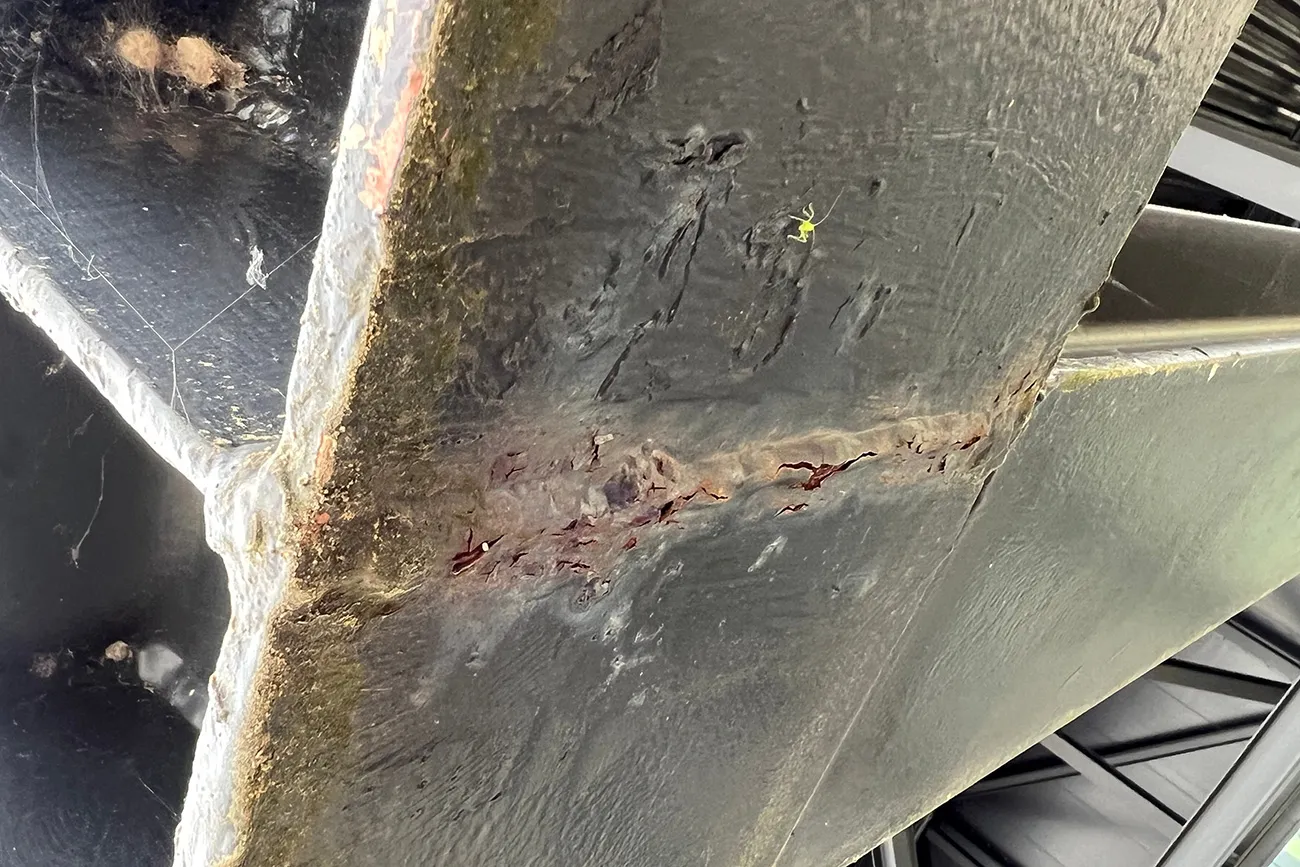
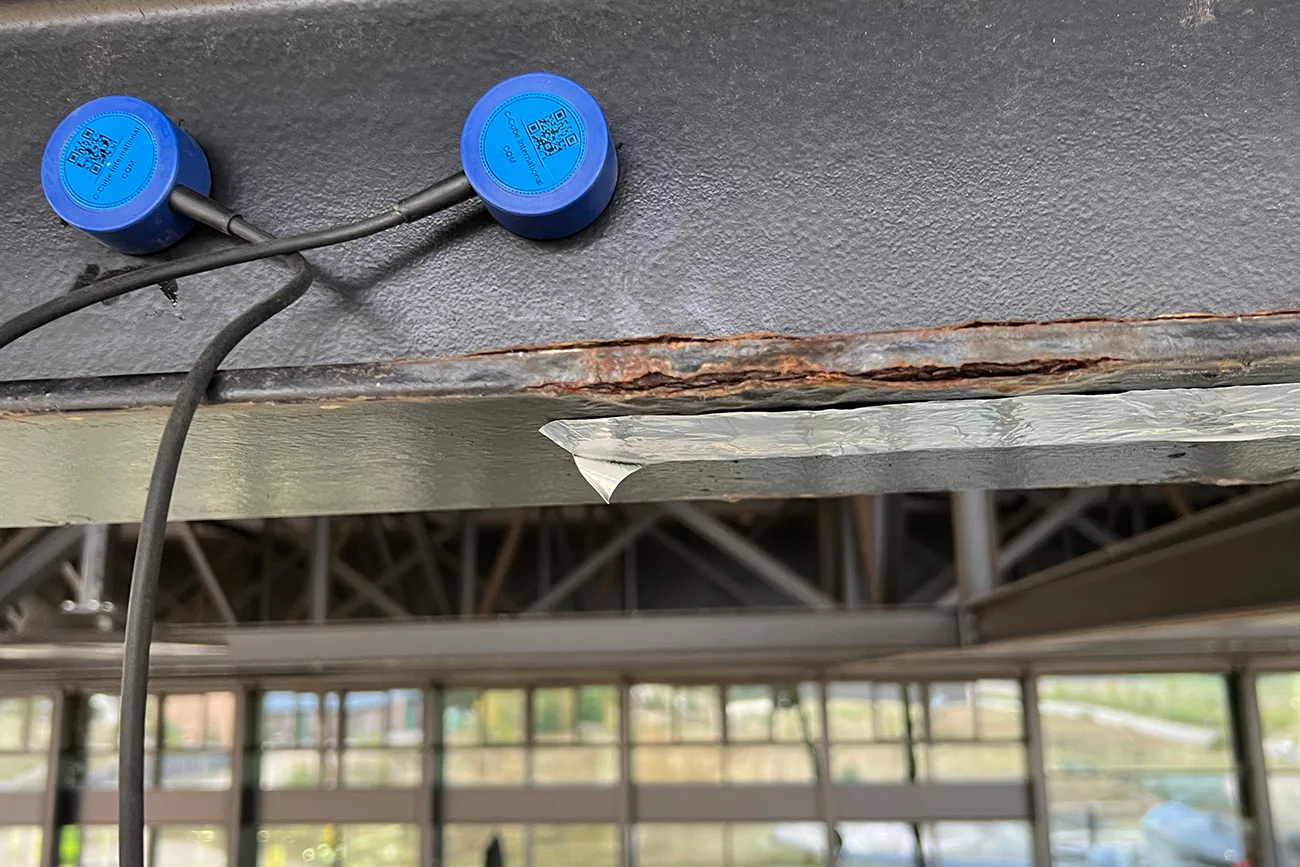
Combined with a knowledge-based holistic approach, EIS is an advanced non-destructive method that can be used to map the entire protective system, potentially also remotely. This covers not only coating quality, but also the substrate. EIS is also useful at an early stage for checking whether new coating layers have been applied to the required standard, potentially saving a great deal of time and money later on. Thanks to c-cube international for the use of its advanced equipment.
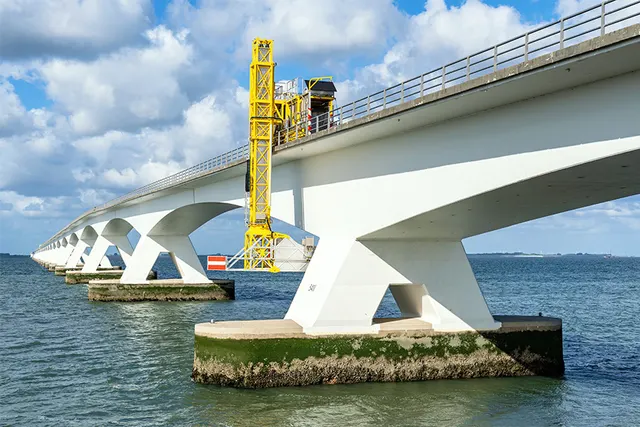
The benefits are not limited to managers of major structures, including chemical plants, stadiums, lock complexes, wind turbines, bridges and steel façade structures. The measurement system can be extended with advanced camera techniques and also used on homes and smaller apartment buildings, for example to assess the quality of powder-coated aluminium building components. Can they still be repaired, or do they need to be replaced? This can also help determine, for example, an accurate resale value.
Data-driven maintenance and repair strategy
Preventive monitoring using EIS generates a large amount of valuable data. This can be used to develop a maintenance and repair strategy tailored to the client’s requirements. The requirements differ, after all, depending on whether a structure needs to last 50 or 100 years. In this context, Bjond Innovation recently entered into a partnership with Eindhoven-based BouwQ BV, which specialises in building inspections and quality assurance. The companies are working together to develop and refine a protocol that will use the data collected to determine and describe the appropriate maintenance techniques.
Een zakelijke vraag aan BJOND INNOVATION? Neem contact op
Bedrijven in dit verhaal

Blijf dit volgen
Bij een nieuw verhaal krijg je een e-mail. Geen account nodig.
- OnderwerpTreatment & protection
- BedrijfBJOND INNOVATION