Steel processor reaches milestone with CO2 Performance Ladder certification
Tekst Tjerk van DuinenBeeld KS Service Center
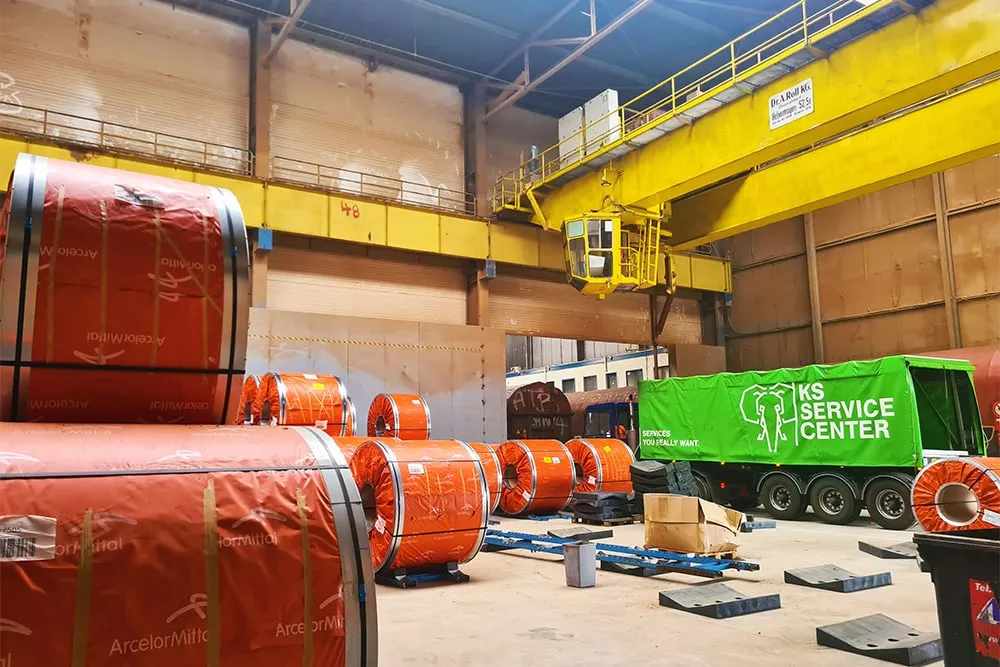
At the end of July, the (green) flag was raised at KS Industries. The steel processor from Moerdijk received CO2 Performance Ladder certification, recognising a series of sustainability measures implemented by the organisation in recent years. “For us, it is a milestone,” says Gregory Rombaut, Sales and Marketing Manager at KS Service Center, part of KS Industries. “We want to be a sustainability leader as part of an industry that cannot be called the cleanest. That is precisely where there is plenty of scope for improvement.”
The certificate is the result of a long-standing effort. “An effort that never stops,” assures Frank van de Ruit, Operations Manager at KS Service Center. “In the run-up to the audit, you are already gathering information, completing tables, preparing evidence and, of course, making the company’s operations more sustainable on a structural basis. That is how you achieve CO2 reductions in Scopes 1 and 2. The good thing is that our customers and the wider supply chain can earn extra points in tenders where this is relevant. And such tenders are becoming increasingly common.”
Savings
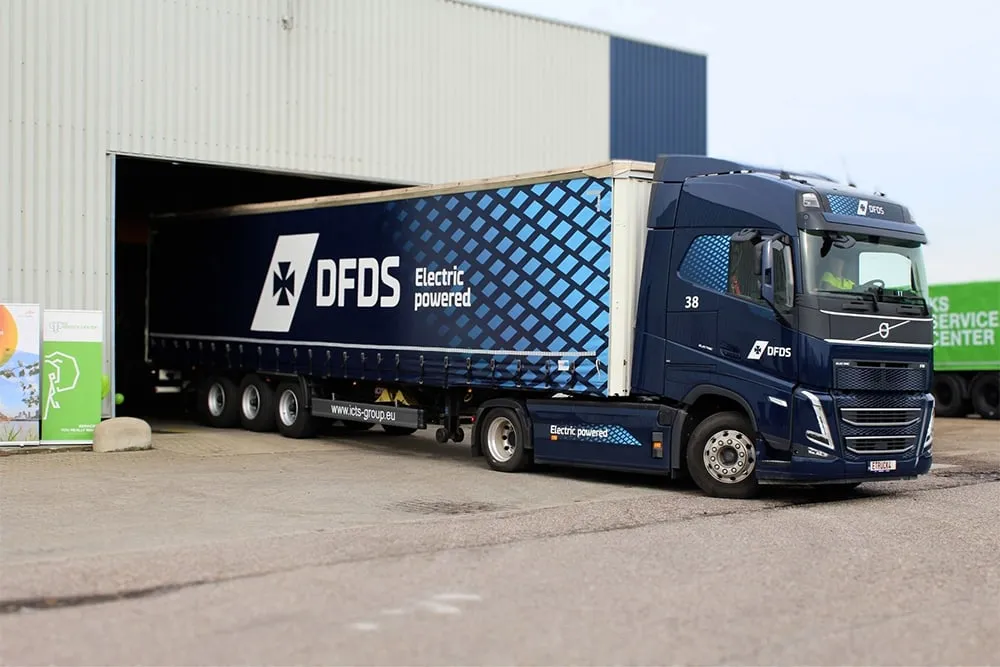
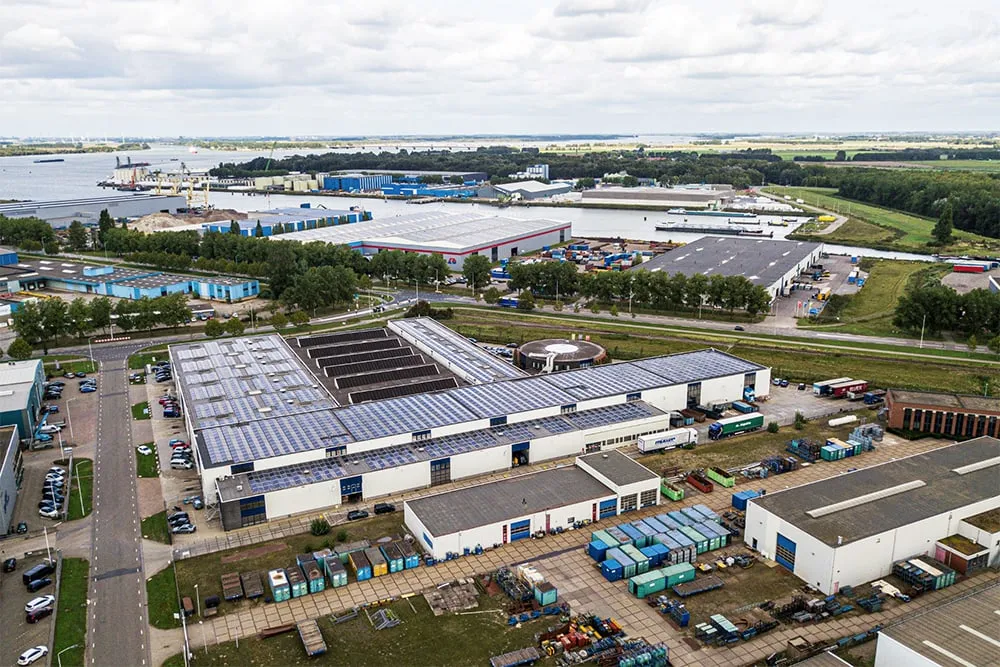
According to certifier DNV in Barendrecht, KS has reduced CO2 emissions in Scopes 1 and 2 combined by almost 92%, earning it Level 3. “This does not, of course, cover how steel is produced, but solely the reductions an organisation can achieve itself,” explains Van de Ruit. “My concern is that you can score a lot of points very quickly by switching to green electricity, and that is by far our biggest source of reductions. But we have achieved this through concrete measures. For example, around 3,000 solar panels have been installed on the roofs, we are switching off the central heating and replacing it with electric cooling and heating, and we only purchase green electricity. In addition, all but a few company vehicles are electric, and electric trucks handle the two-day transport of coils from the steelworks in Ghent. They cost twice as much as their diesel counterparts, but we do this in partnership with the steel supplier. Where electric transport is not possible, we use biodiesel-powered transport. That also costs more, but saves 90% of CO2.”
Reuse
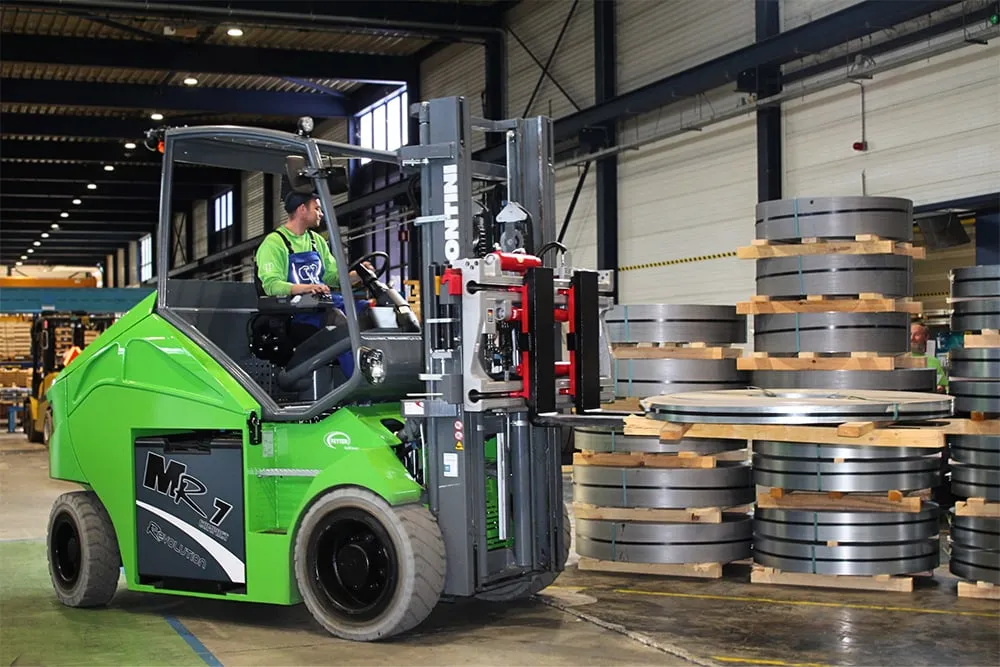
“Look, many measures make only a marginal contribution to the CO2 Performance Ladder calculation, but we still believe it is important to make our operations more sustainable across the board wherever possible,” says Rombaut. “Replacing propane-powered forklifts with electric ones is a major investment, but accounts for only one per cent of our CO2 reduction. We are happy to do it nonetheless. And in other areas too, beyond Scopes 1 and 2, we are focused on reducing our footprint. We have had Green Steel in our portfolio for some time. We do not throw away the non-recyclable paper used to wrap coils, but reuse it as packaging material. The same goes for pallets, which are reused wherever possible and, if that is not an option, shredded by a certified company. And the electric trucks that bring coils from Ghent take our scrap back with them, without an intermediary. That is also 100% reuse.”
Good causes
CO2 Performance Ladder certification also requires the results to be published. Van de Ruit: “You have to prepare a lot of reports in advance, provide documentation and undergo internal audits. You also need to communicate the sustainability measures internally and publish them on your own website. And you must also support good causes in the field of sustainability. The Stichting Klimaatvriendelijk Aanbesteden & Ondernemen assesses and publishes this information. As part of this, KS Industries allocates 10% of its annual profits directly to a range of good causes. For example, we promote sustainably grown coffee beans from Ethiopia. Normally, most profits end up in the pockets of multinationals, but not here.”
The message is clear: KS Industries and KS Service Center have embraced sustainable business practices. Rombaut: “We are part of a highly polluting industry, and we have to acknowledge that. But that does not absolve us of the obligation to do everything we can to reduce its impact. We want to lead the way. The CO2 Performance Ladder certification is a great testament to that.”
Vraag over dit verhaal? Stel je vraag
Bedrijven in dit verhaal
Blijf dit volgen
Bij een nieuw verhaal krijg je een e-mail. Geen account nodig.
- ThemaMinder CO2 in beton en staal
- OnderwerpSteel
- BedrijfDNV