Clients join forces to update roadmap for sustainable civil engineering structures
Tekst Roel van GilsBeeld Rijksoverheid, Tineke Dijkstra en Topview Luchtfotografie
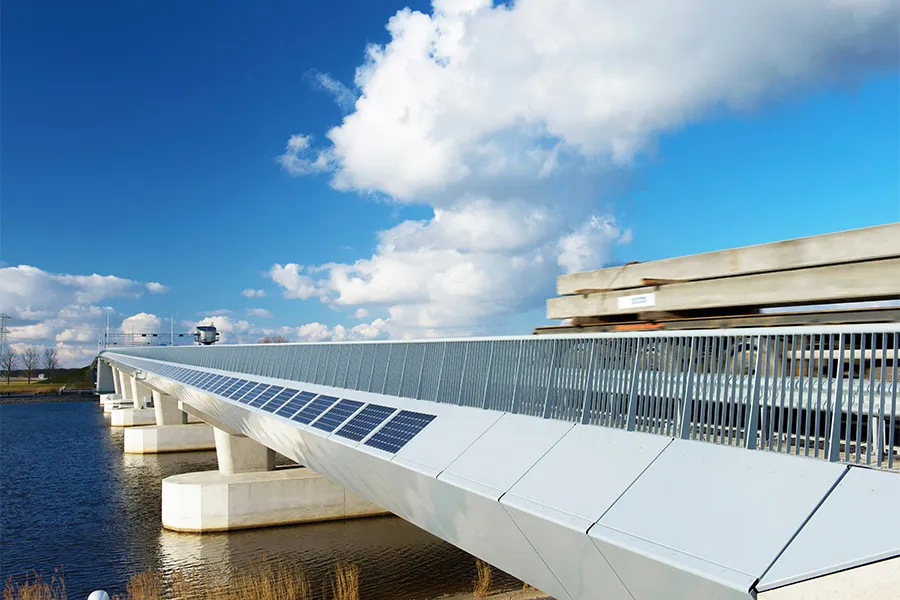
The civil engineering sector plays a crucial role in achieving climate targets because of its significant impact on material consumption and CO2 emissions. The first roadmaps were developed in 2021 to accelerate the sector’s transition to sustainability. They set out the measures and steps the sector is taking towards climate-neutral, circular infrastructure. This year, the national government is updating these roadmaps together with municipalities, provinces and water authorities, to make them more widely applicable.
One of the roadmaps covers the transition pathway for civil engineering structures. It is a strategic plan that guides the drive to make bridges, viaducts, locks and other structures across the country more sustainable. “The first version of the roadmap for civil engineering structures, published in 2020, was aimed mainly at large structures managed by Rijkswaterstaat and ProRail,” says Bas Nanninga, policy adviser on the circular economy at Unie van Waterschappen. “Following this update, the roadmap will be better suited to the often smaller assets managed by other levels of government. It helps public authorities turn their ambitions, and therefore ours too, for a circular, climate-neutral future into concrete action.” Frans Noordberger, sustainability programme manager at the province of North Holland, adds: “We are working together on this, jointly deciding what matters to us, where the focus should be and where the greatest sustainability gains can be achieved.”
Prioritisation
The roadmap update for civil engineering structures is centred on aligning the efforts of different public authorities to work more sustainably. “You can only make progress on sustainability together,” says Noordberger. “Working together allows you to pool knowledge and resources and present the market with a consistent approach. If North Holland were the only client to specify certain sustainability requirements, the market would not respond. But if we all adopt the same kind of requirements, we expect the market to respond. That is especially true if we align those requirements with the market too. This is not yet standard practice in the civil engineering sector. We are still in the middle of the process, but good progress is already being made. Examples include the Clean and Emission-Free Construction (SEB) covenant and the maximum environmental cost indicator (MKI) values set out in the Concrete Agreement.”
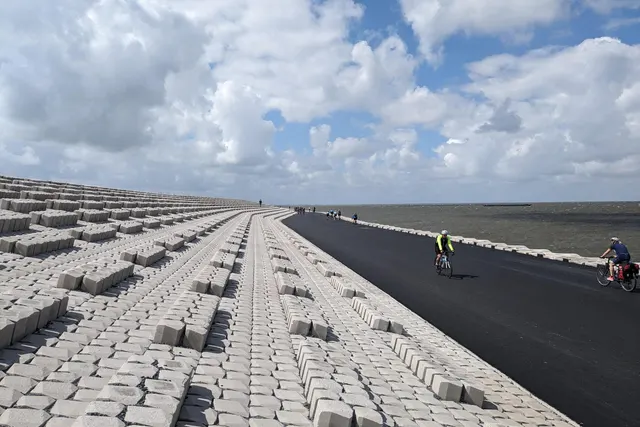
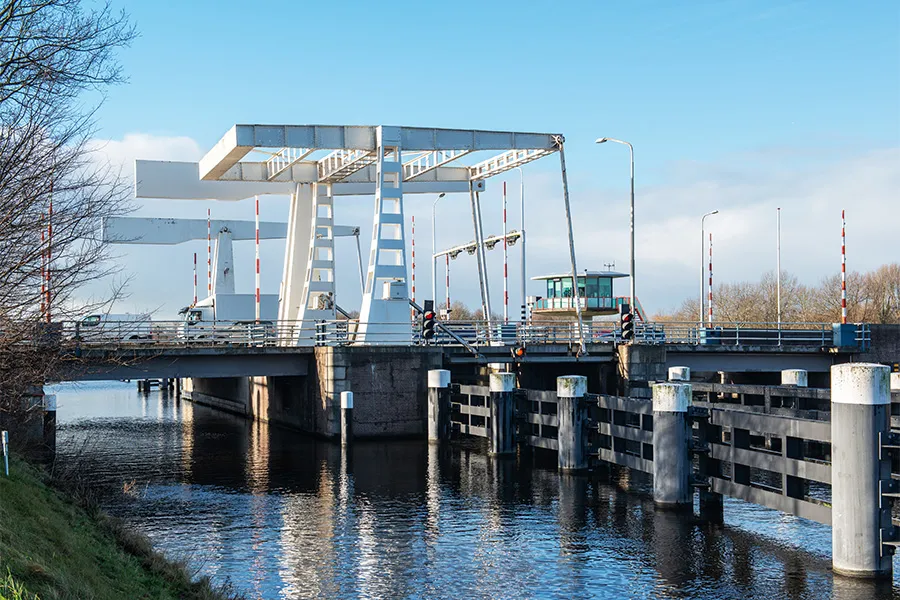
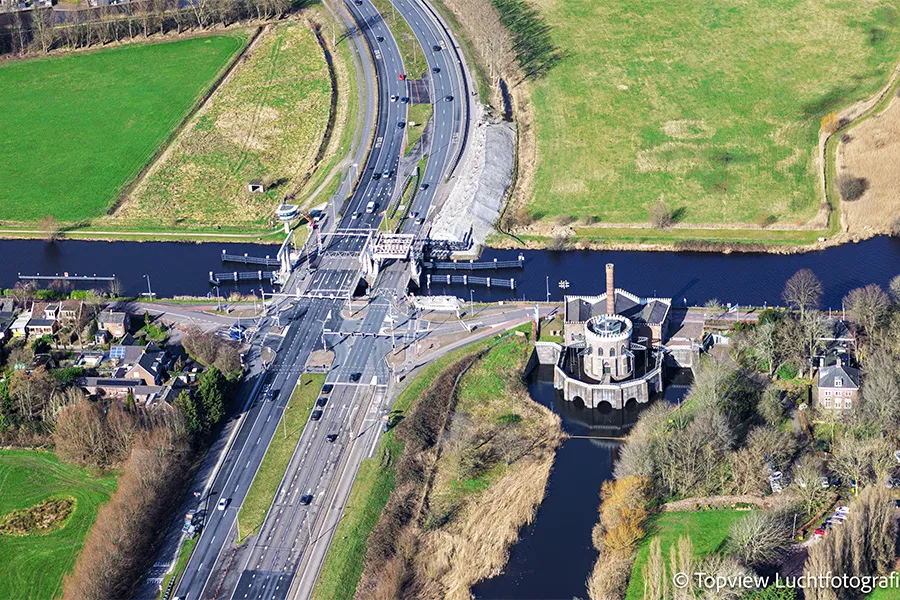
Three working groups have been set up as part of the transition pathway for civil engineering structures to work on the update: one for bank protection structures, one for fixed structures and one for movable structures. “Each working group will draw up a list of measures, recommendations and priorities. We will meet soon to agree on the five most important measures that we believe can have the greatest impact on sustainability and circularity.”
R-ladder
“When identifying these measures, we use the R-ladder, a tool for assessing the degree of circularity,” says Nanninga. “The aim is to operate as high up the ladder as possible. We assess different strategies for managing structures and civil engineering assets. This starts with reducing raw material consumption and ends with possible recycling options. Strategies higher up the ladder save more raw materials. So we assess where we are now, which measures are already established and what challenges lie ahead that could have the greatest impact. The prioritisation is not yet complete.” Noordberger adds: “We also consider a structure from a broader perspective than circularity alone. One aspect is whether it is still fit for purpose, as its function may have changed over the years. Is a movable bridge still needed at this location?”
Market consultation
Both men say it is only a matter of time before the measures are prioritised. “Once we have drawn up a draft prioritisation, we will put it to the market,” says Nanninga. “That feedback matters to us and is extremely valuable in helping us set realistic, specific targets. After all, we have to do this together and avoid each of us reinventing the wheel. That costs more and takes longer.” Alongside the focus on replacement and renovation, Noordberger says it is important not to lose sight of maintenance. “We should remember that good maintenance means some structures will not need replacing.” Nanninga adds: “That is also an important focus of the roadmap update. Measures to extend service life are mentioned in the existing roadmap, but it does not yet offer much practical guidance. There are opportunities here too, which we will discuss in more detail at expert sessions after the market consultation. In short, there is still plenty to do.”
The updated version of the transition pathway roadmap for civil engineering structures is expected to be published towards the end of this year. The ambitions and innovations will then be made more concrete step by step, giving public authorities and market players a clear, consistent guide to making existing infrastructure more sustainable and fit for the future. To be continued!
Vraag over dit verhaal? Stel je vraag
Blijf dit volgen
Bij een nieuw verhaal krijg je een e-mail. Geen account nodig.
- ThemaMinder CO2 in beton en staal
- OnderwerpSustainability & circularity