Circular concrete finally ready for large-scale use in Belgium: first recycled concrete approved for mass production
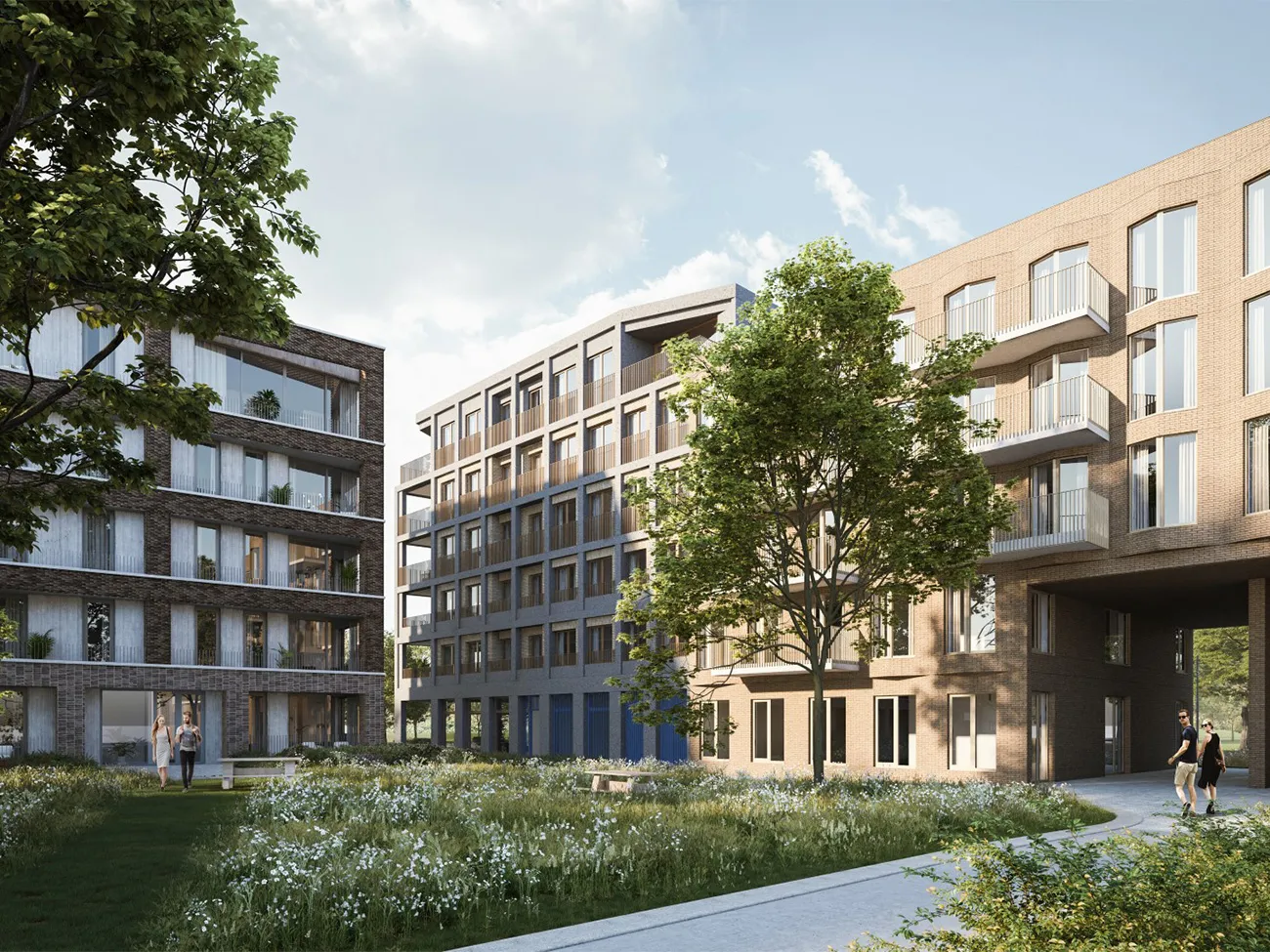
Good news for Belgium’s climate and environmental ambitions: the first recycled concrete has been approved for mass production, making circular concrete suitable for large-scale use. It is a product developed by Mechelen-based company Jacobs Beton. The first buildings to use its approved green concrete are now being built in Mechelen. The Komet district is set to use around 4,000 cubic metres of circular concrete. This is a significant milestone, as the use of materials in the construction sector is responsible for 5 to 10 per cent of global CO2 emissions, as well as 30 per cent of the world’s waste. “At last, we can really do something about that without compromising on quality,” says Alexandre Huyghe of Revive, the developer of the Komet district.
Mechelen’s Komet residential district first to use circular concrete
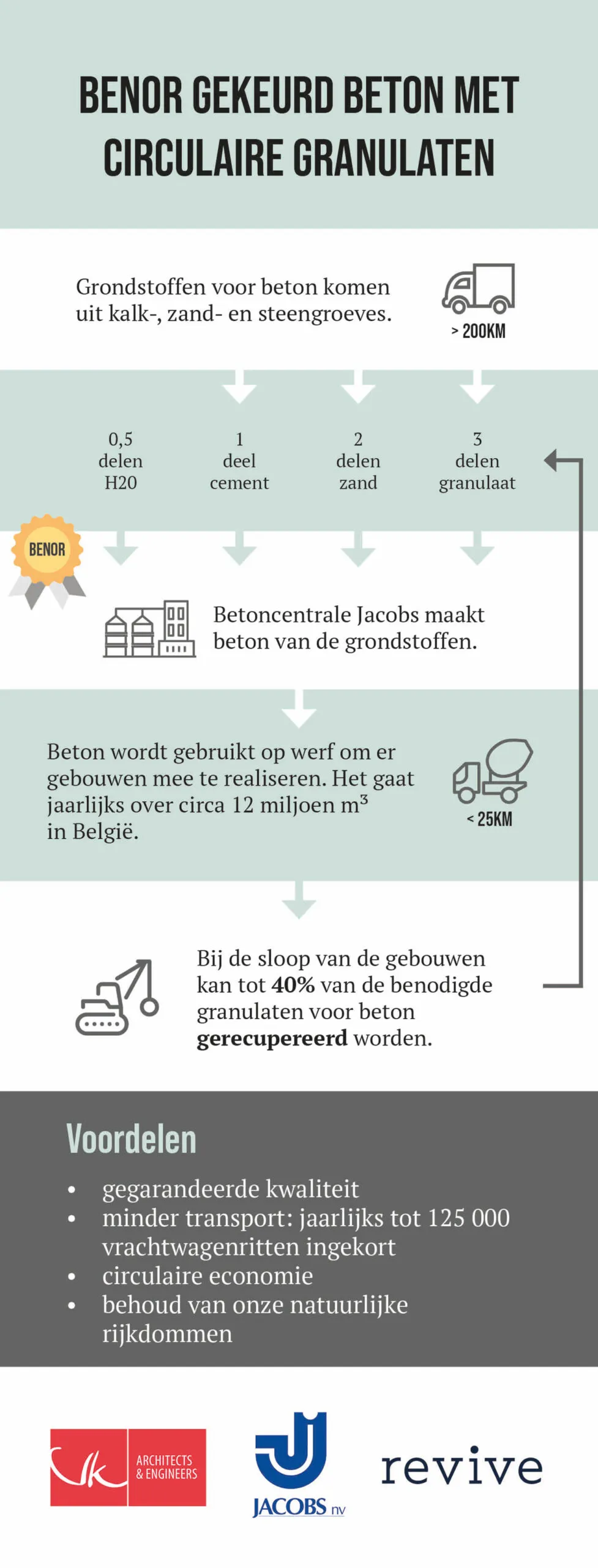
In recent years, a handful of construction projects using circular concrete have appeared here and there in Belgium. But they all face the same major problem: recycled concrete has to be tested and approved anew for every project. It can then only be used for that specific project. This cumbersome and time-consuming procedure can now be consigned to the past. Mechelen-based producer Jacobs Beton is the first concrete plant in Belgium to have received general Benor approval for the production of its circular concrete.
“In practical terms, this means our recycled concrete is no longer tied to one specific construction project. We can now distribute it on a large scale, because it no longer needs to be tested and approved separately for each project. In other words, the door is now wide open for Belgium. At last, Belgium can use circular concrete on an industrial scale.” Kurt Jacobs, director of Jacobs Beton.
The green concrete also promises to match the quality of conventional concrete. In terms of strength, ease of use and material durability, it is on a par with traditional alternatives.
7,500 kilometres of heavy transport avoided
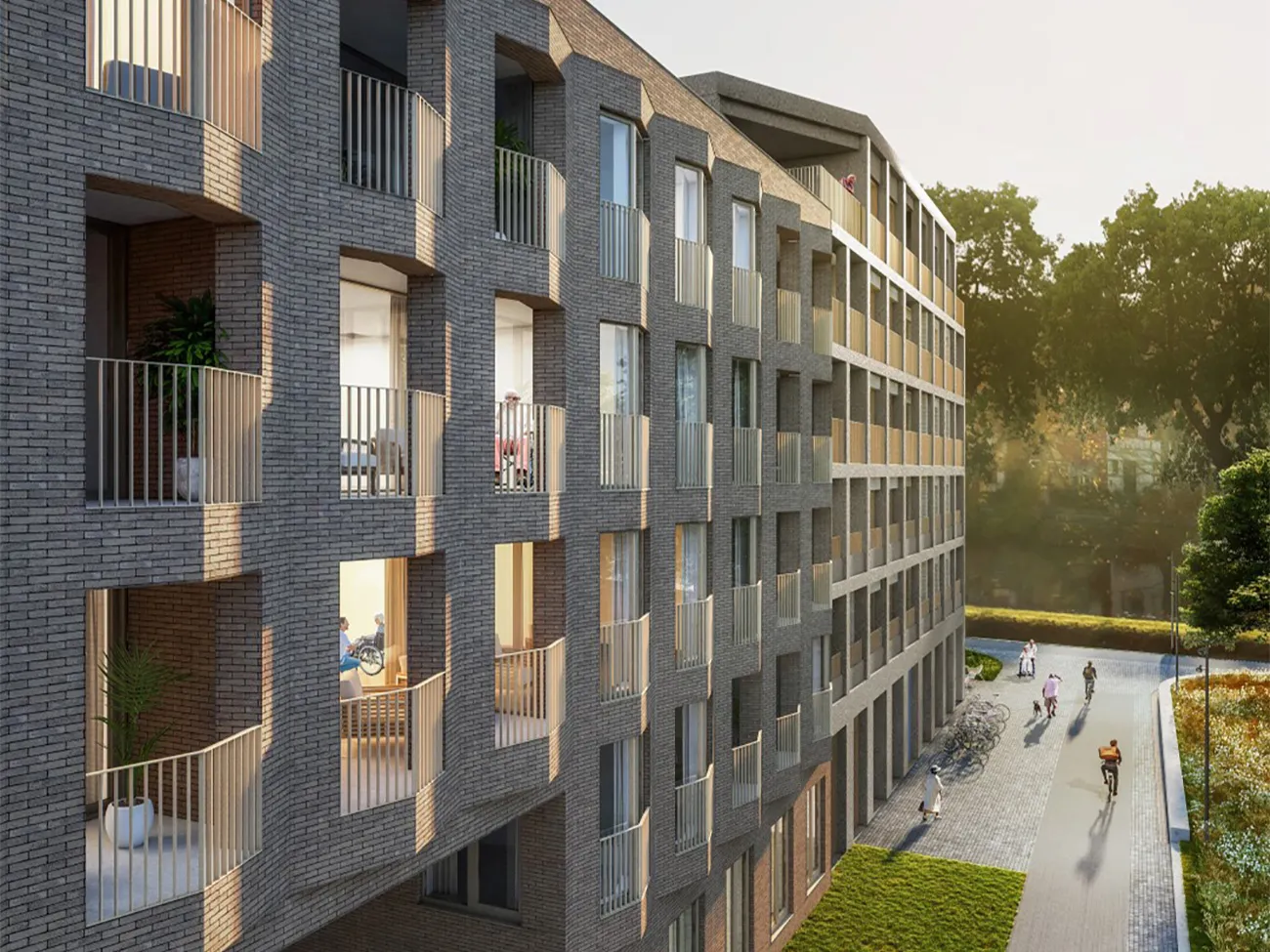
The first buildings using this new circular BENOR-approved concrete are currently under construction in Mechelen. The buildings in the future Komet residential district will comprise 30 per cent concrete made with recycled concrete aggregates, amounting to around 5,000 cubic metres.
“We are saving more than 1,500 tonnes of natural concrete aggregates. On the one hand, this means 50 large lorries no longer have to travel from quarries in Wallonia to our site, avoiding 7,500 kilometres of heavily laden transport. This is clearly good news for CO2 emissions and our congested roads. On the other hand, we are also reducing Belgium’s construction and demolition waste. And importantly, we are doing all this without compromising on the quality or strength of the concrete.” Alexandre Huyghe, CEO of Revive
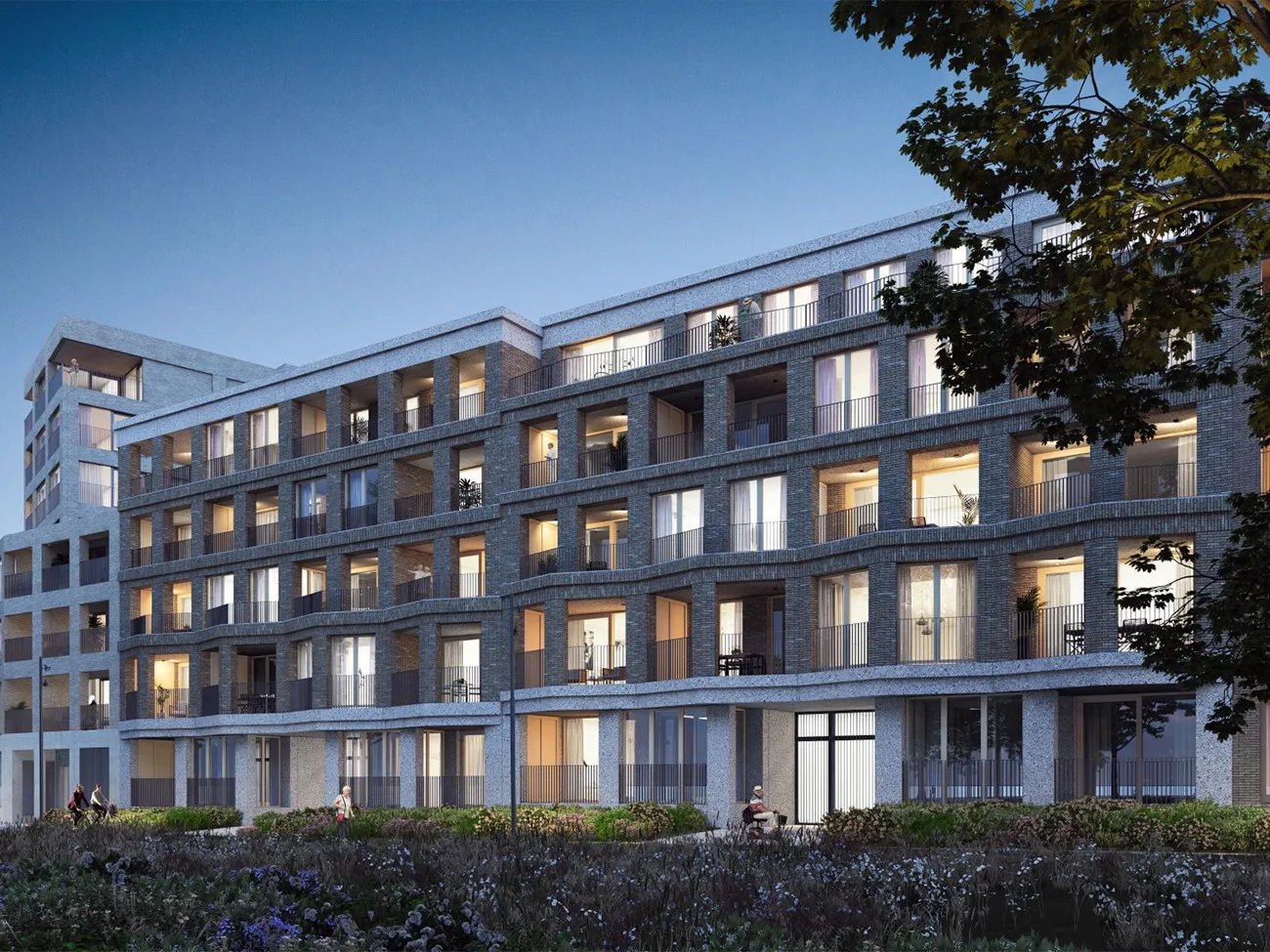
The partners that helped Jacobs Beton make the project possible are developer Revive, engineering consultancy VK Architects & Engineers and contractor Democo. The designs for the Komet district are by architectural firms Binst Architects and Areal Architecten.
“As an engineering consultancy focused on sustainability, it was only natural for us to engage in dialogue with Revive, given the importance they place on it, with the aim of using concrete with recycled concrete aggregates for the Komet project. For us, this is above all about taking responsibility. Our industry, construction, is responsible for 50 per cent of all the raw materials extracted by humans. We also generate 30 per cent of all waste, with concrete waste being a major culprit. It is simply our duty to do something about this by minimising the amount of demolition waste.” Koen Feyaerts, Project Engineer C&S at VK Architects & Engineers
An answer to COP 26
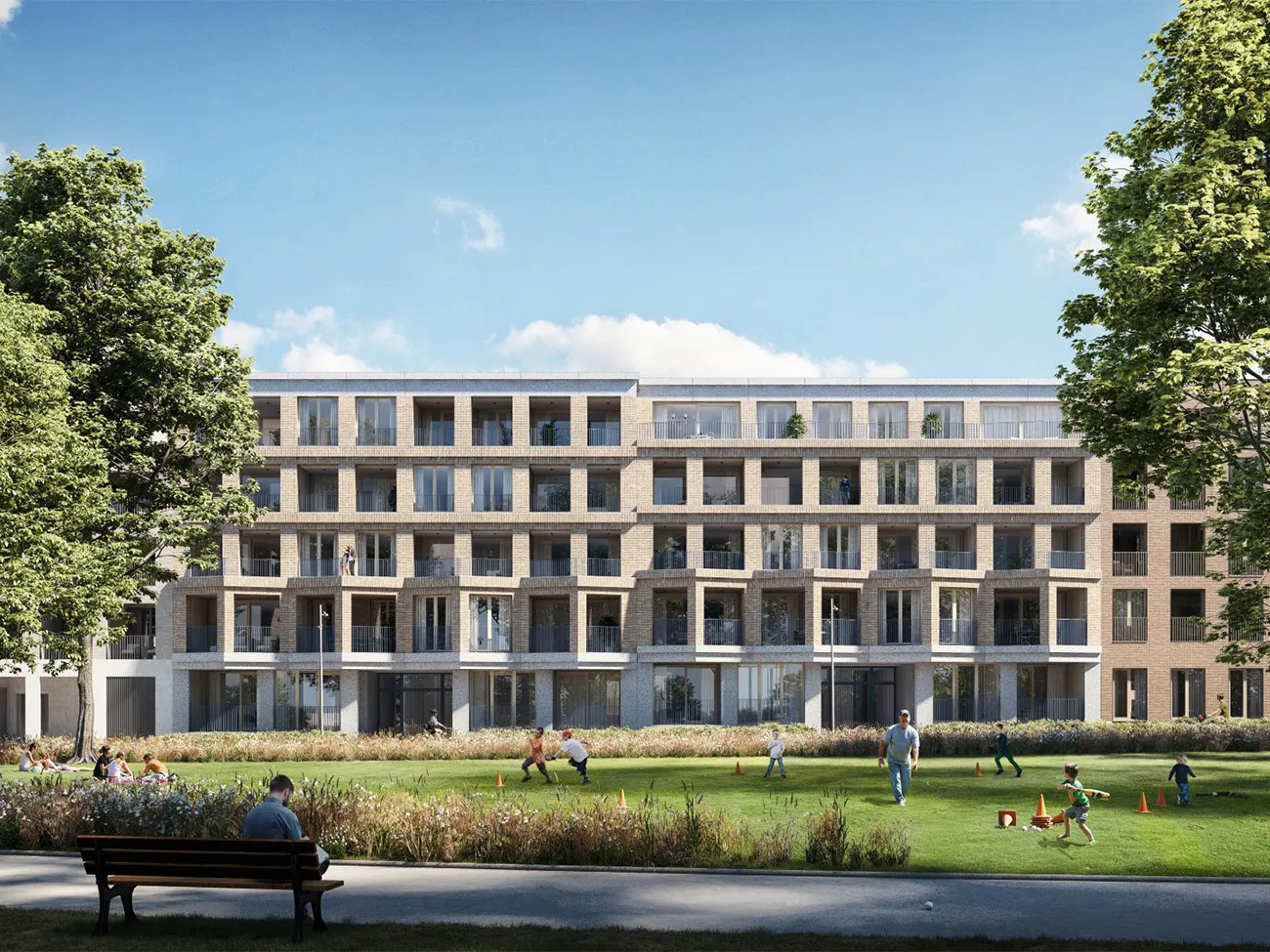
It should come as no surprise that the Mechelen property development is bringing forward this sustainable innovation. A few years ago, developer Revive already pledged to make Komet the most sustainable district in Mechelen. Alongside circular concrete, the plans include more than 2,000 square metres of solar panels and 15,000 square metres of green space. All 320 homes and apartments will also be heated without fossil fuels, using heat pumps.
The partners behind the construction project also see their recycled concrete as a strong response to the recent climate summit (COP26) in Glasgow.
“We want to make a distinction between ‘talking’ and ‘doing’. At the recent climate conference in Glasgow, there was once again a lot of talk and little action. Our message is clear: the time for promises is over, and it is time to act. That is precisely why we place such importance on innovation, because it is how you make a real difference. Circular concrete is the perfect example.” Alexandre Huyghe, CEO of Revive
The new residential district is still under construction. The first of the three construction phases, comprising around 128 residential units, is due to be completed by the end of 2022. The second phase is scheduled to start around the summer.
Vraag over dit verhaal? Stel je vraag
Blijf dit volgen
Bij een nieuw verhaal krijg je een e-mail. Geen account nodig.
- ThemaMinder CO2 in beton en staal
- OnderwerpSustainability & circularity