Concrete crusher helps cut CO2 emissions
Tekst Hendriks/Van de HaterdBeeld BKB Infra
Sustainable innovation at Schiphol
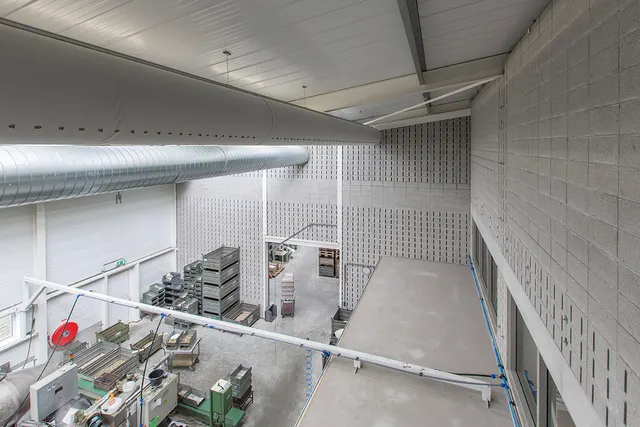
Elzenburg Industrial Estate in Oss is a typical Dutch industrial area that buzzes with activity, especially during the week. Two companies have joined forces on sustainable and circular concrete: Hendriks Bouw en Ontwikkeling and Van de Haterd Zand- en Cementhandel.
Equipment on loan
At a time when sustainable and circular construction is central to the construction sector, Hendriks Bouw en Ontwikkeling recognises the need for sustainable change. The company is investing heavily in the development of circular materials and maintains close partnerships with organisations developing bio-based materials. The belief that our planet must be preserved not only for current generations but also for future generations drives the efforts of Hendriks’ current, fourth-generation directors.
Sand and cement supplier
With many years of experience, Van de Haterd Zand- en Cementhandel is an expert in sand and cement, and therefore in concrete. Through the development and use of Master Beton, it has become an established player in the construction sector. The concrete it produces can be driven and walked on just a few hours after being placed.
Genuinely circular materials
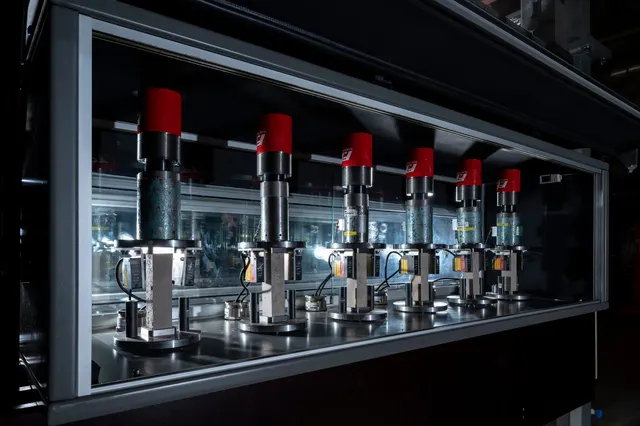
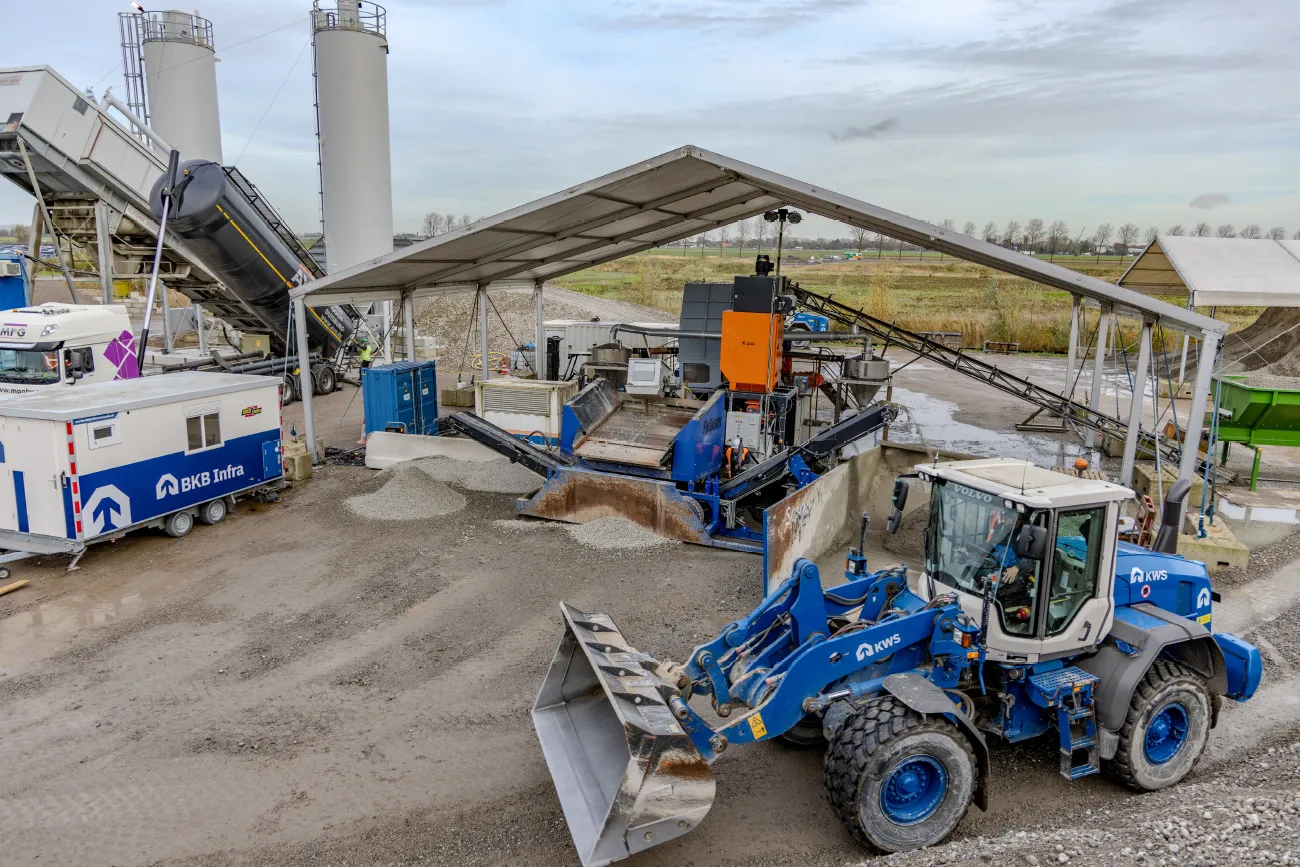
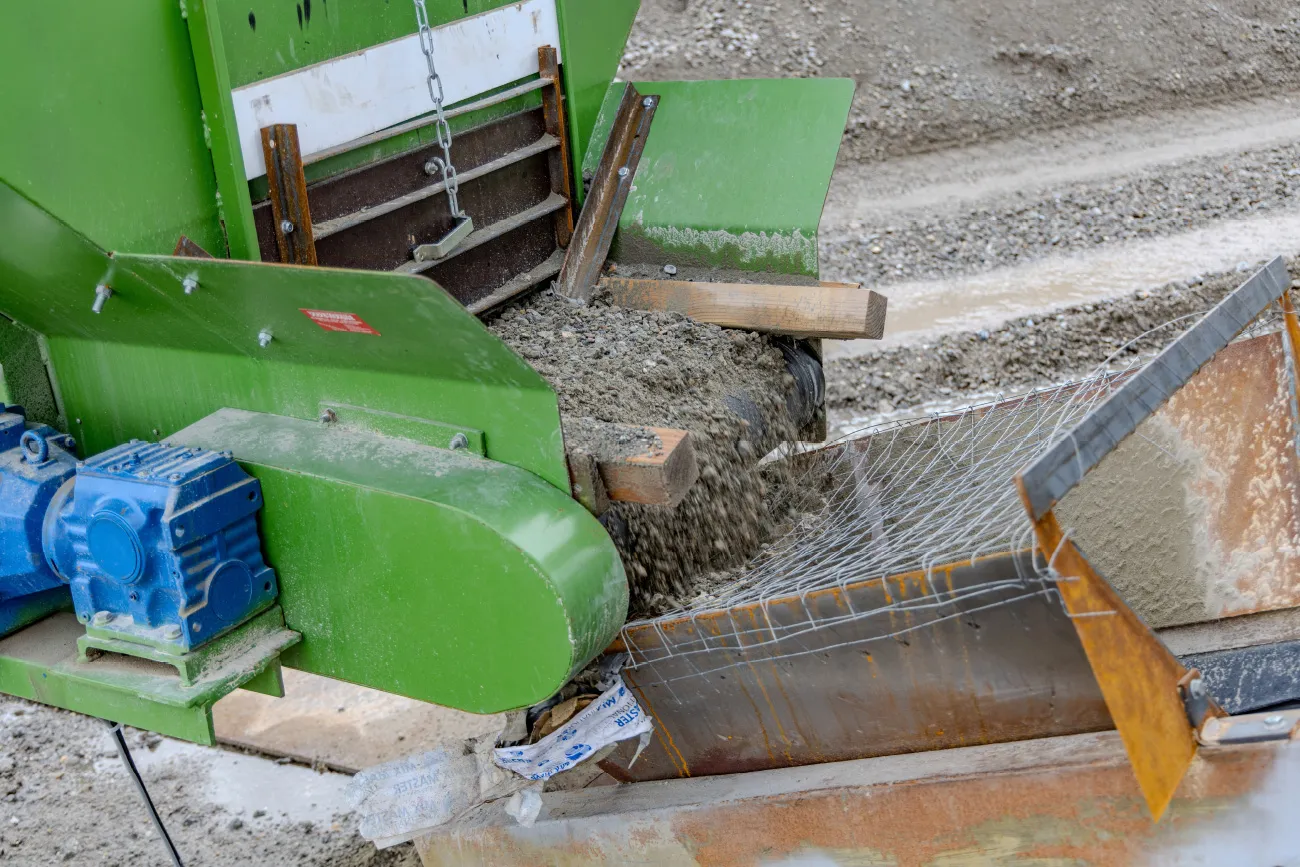
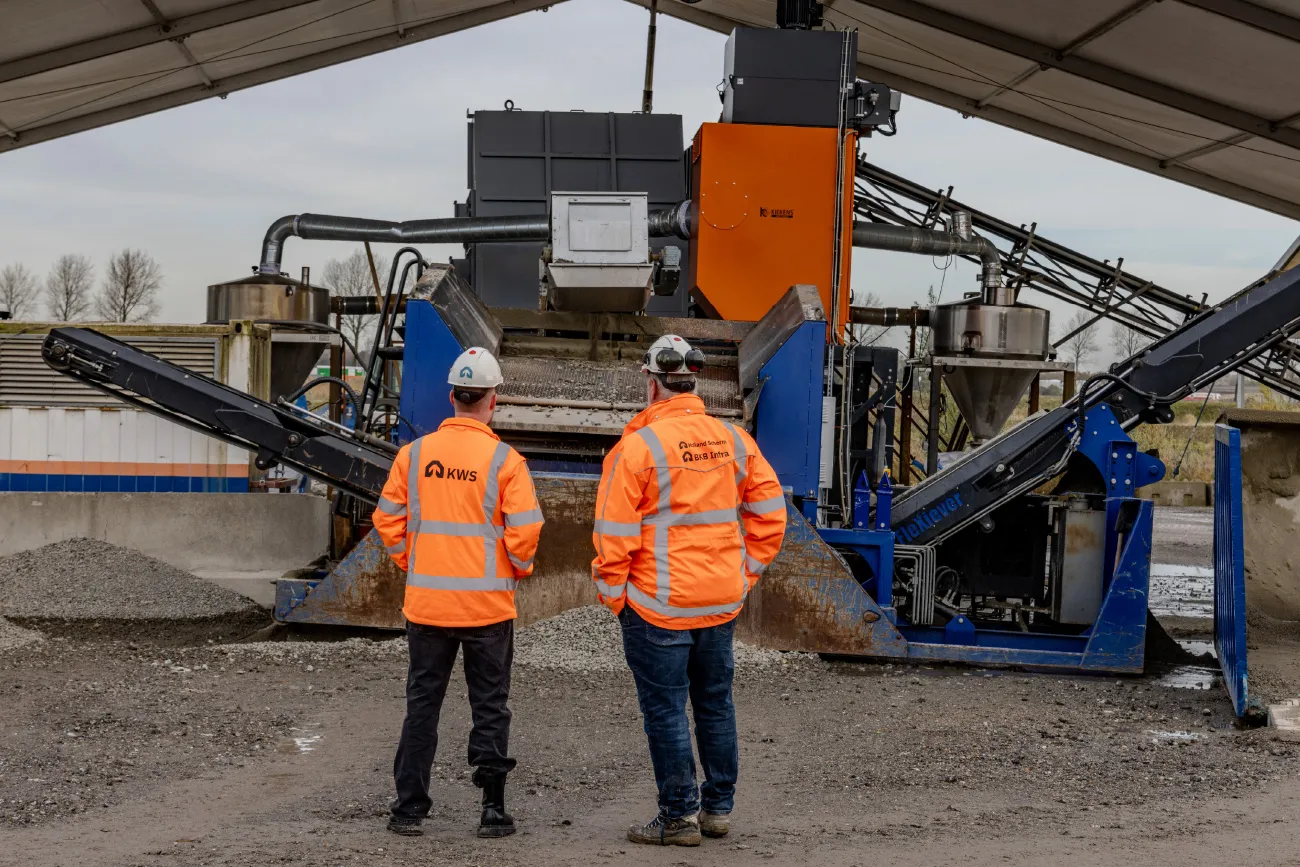
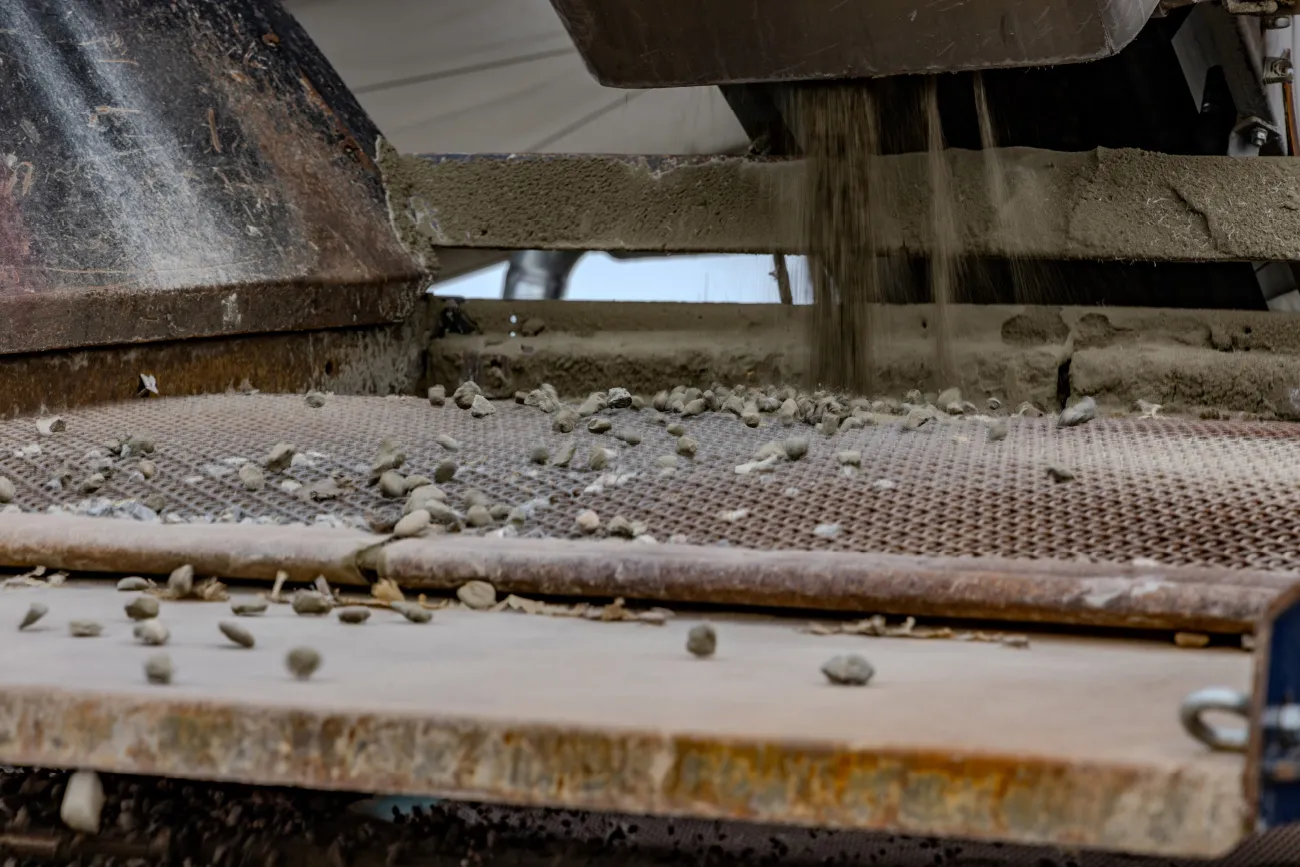
A crucial part of this sustainable change is the introduction of circular concrete, made using the ARAC crusher. This innovative machine separates concrete rubble, previously regarded as waste, and transforms it into clean materials such as sand, gravel and filler. This makes it possible to produce new, genuinely circular concrete. The ARAC crusher was developed through collaboration between various partners. Van de Haterd plays an important role through its revamped pouring system. It mixes the required raw materials on site, ensuring a constant supply of fresh concrete and eliminating waste in the process, such as unauthorised dumping or large unused stocks of concrete.
Schiphol leading the way in sustainability
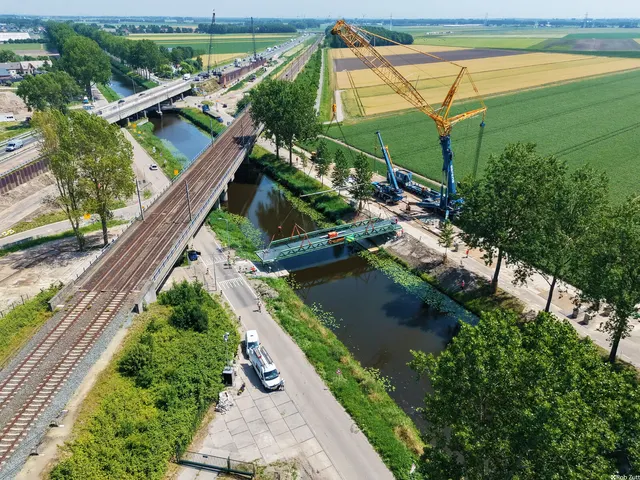
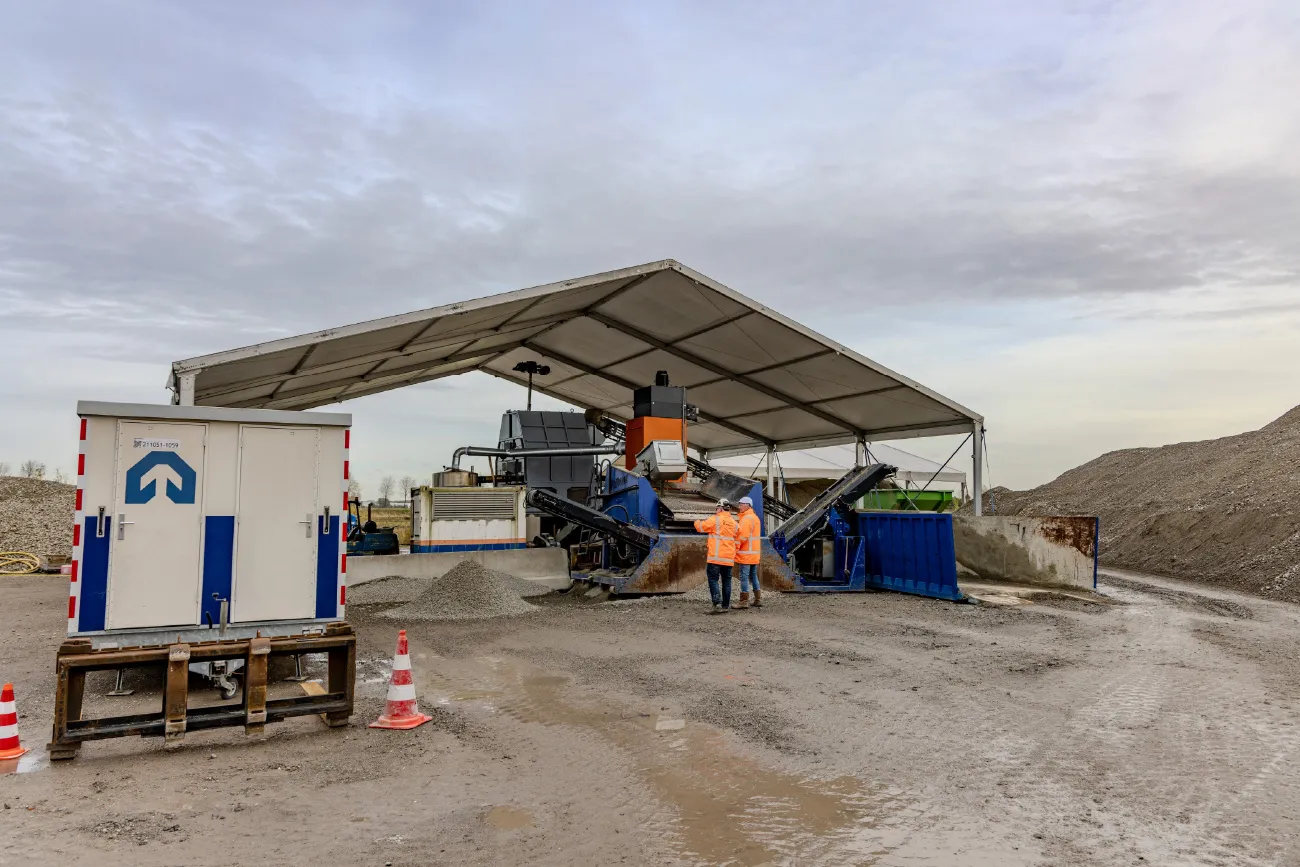
BKB Infra is working at Schiphol on the construction and maintenance of so-called Plot 2. It carries out work from the façade to ‘the red line’, where the runway begins. For reasons of efficiency and sustainability, it has its own concrete batching plant at Schiphol. The use of the ARAC crusher came about by chance. Sander de Boer, director of BKB Infra, explains that he spotted the ARAC crusher during a routine visit to Van de Haterd. It could make a fantastic contribution to Schiphol’s sustainable and circular objectives! The airport is known worldwide for its commitment to sustainability and environmental responsibility. By using the ARAC crusher, Schiphol is actively helping to reduce its CO2 emissions. This initiative marks a crucial step towards a more sustainable construction sector.
Available to other parties too
The ARAC crusher will be used not only on Hendriks’ own projects but will also be available to other parties wishing to supply concrete rubble and collect clean raw materials. This actively encourages sustainability.
Future-focused and sustainable
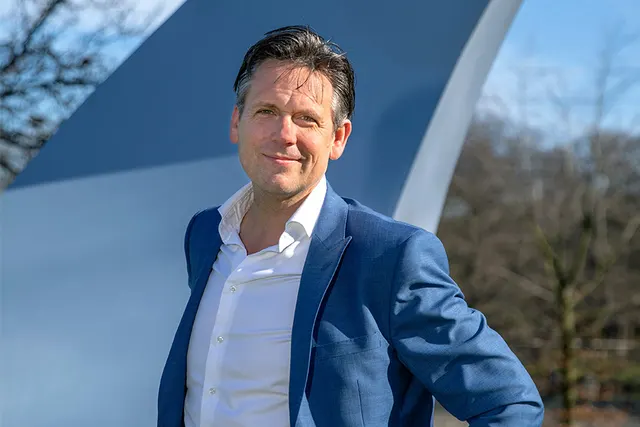
Using the ARAC crusher is a promising step towards a more sustainable construction sector, and Hendriks looks forward to further developments and partnerships that will have a positive impact on the environment. Formal KOMO certification is still pending, but sufficient interim tests and measurements have been carried out, so the crusher already complies with all requirements and its quality is being closely monitored. “Hendriks is committed to a sustainable future, and we are proud to be able to deploy this innovative technology to help Schiphol and the construction sector reduce their CO2 emissions,” says Vincent Hendriks, director of Hendriks.
Vraag over dit verhaal? Stel je vraag
Blijf dit volgen
Bij een nieuw verhaal krijg je een e-mail. Geen account nodig.
- ThemaMinder CO2 in beton en staal
- OnderwerpSustainability & circularity