‘Doing nothing is no longer an option. Concrete and steel construction can also contribute to a sustainable construction sector’
Tekst Jerry HelmersFotografie PHI Factory
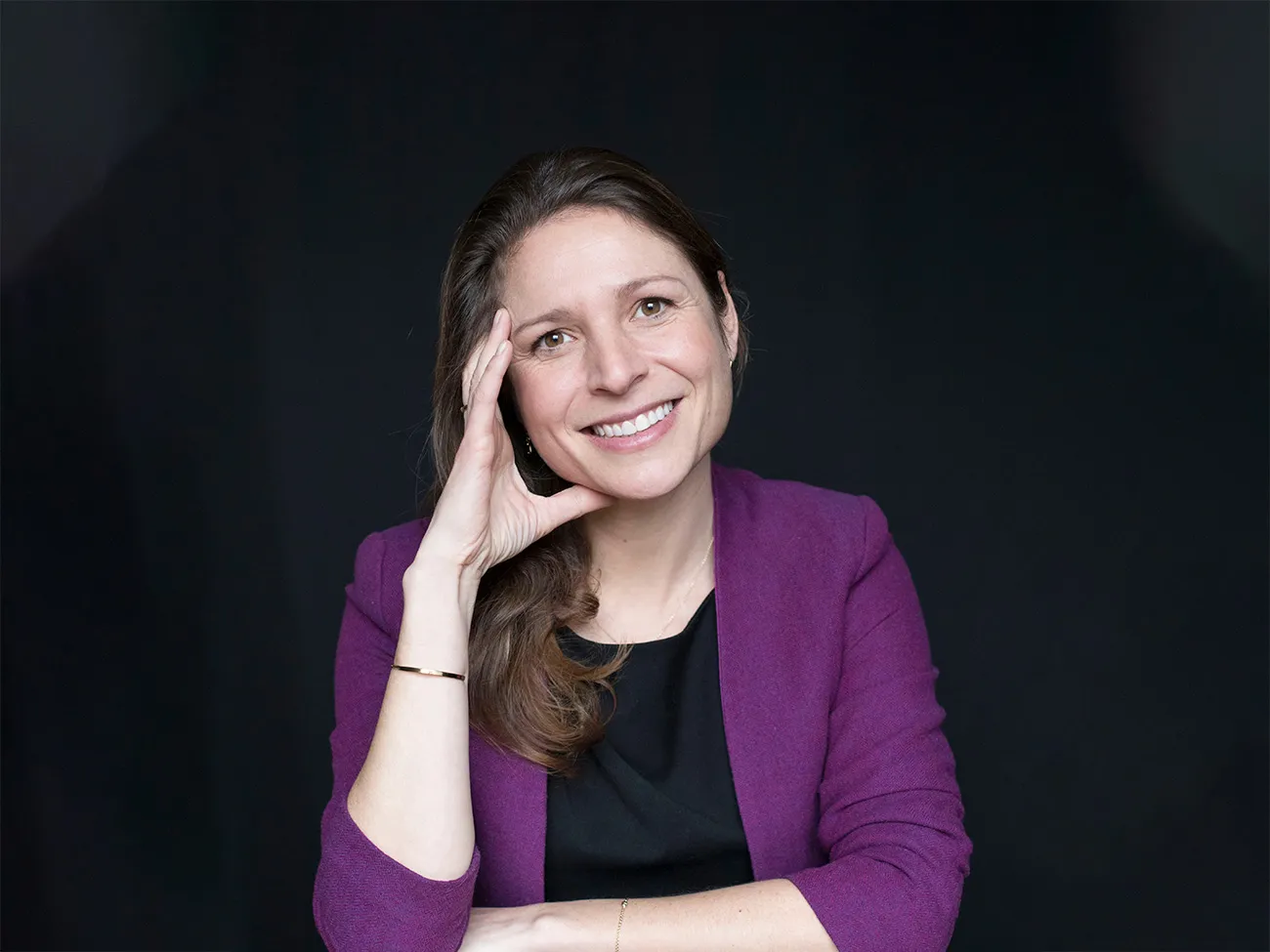
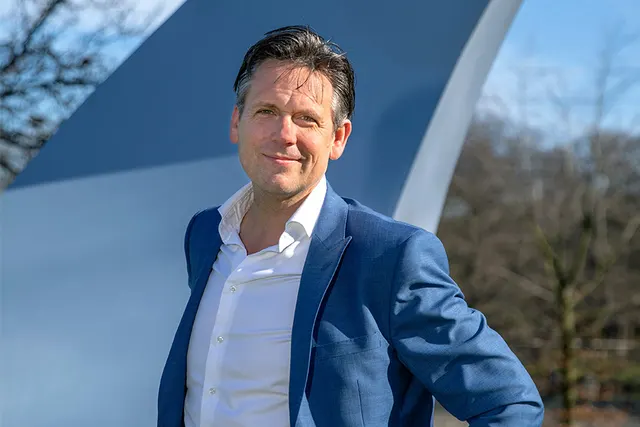
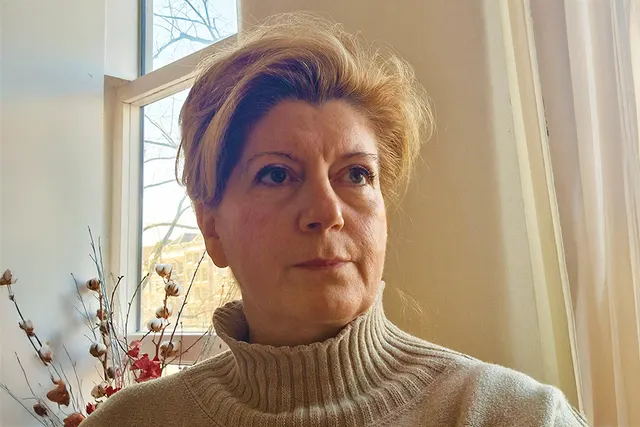
Yvette Watson, winner of the ‘Netherlands’ most sustainable professional’ award
A conversation with Yvette Watson is sure to bring a passionate argument with one goal: striving for a better and healthier world. She has even made this her daily challenge as an entrepreneur. From corporates and large companies in the construction sector to SMEs, her company helps organisations make their own operations circular and develop concepts with market players for a sustainable built environment. Her observation? “Organisations, including those in concrete and steel construction, are keen to become more sustainable. But they don’t always know how.”
Watson is co-founder of PHI Factory in Amsterdam and, in her own words, has been an ‘environmental and climate activist’ in some sense all her life. In this issue, she offers some practical tips and recommendations. The reason is clear. “We need a better balance with the ecosystem,” she says. “There’s no getting around that. But it’s also a very broad subject. It covers both the energy transition and the transition to different materials. Design in a circular economy, climate adaptation and biodiversity are also important themes. I could go on. In short, however complicated it may be, we have to get to work!”
Watson explains that the construction sector can make progress. “If we are to pursue low-CO2 processes and retain the value of raw materials, we will need to invest in people. Everyone is an expert in their own work and can contribute to the transition by applying their knowledge and experience to sustainable solutions and innovations. Sharing knowledge and giving people the tools to act! I also see removing mistrust within supply chains as a major challenge. Everyone is still too guarded, when transparency about your own processes can deliver a great deal in support of a more sustainable and healthier world. We therefore need to work towards a wholesale change in culture. I also believe in creating a level playing field: companies and organisations should be given more scope to experiment with themes such as circularity and sustainability. At present, companies across all parts of the construction sector are still penalised too often. It’s a shame that opportunities are being missed as a result!”
Four levers
Watson says there are four levers the construction sector can pull. “First, reduce the loop: ask yourself whether all the materials you used were really necessary. Second, slow the loop: focus on reusing and repairing products. Third, make the loop more sustainable. Replace the current offering with low-CO2 materials and processes. This can improve the footprint of steel and concrete and kick-start more sustainable production. Or use secondary materials. Finally, close the loop by feeding construction waste back into the supply chain at a high-value level, and keep The End Of Life in mind during the design process. In other words, what can you do with the material after it has been used? Make a plan.”
“Start now,” Watson emphasises. “Build your own capacity for change and turn concerns into action. If we harness our collective intelligence and power to make things happen to address the climate challenge, I’m sure we can create a sustainable world for tomorrow.”
Yvette Watson is co-founder of PHI Factory, supports organisations in achieving their sustainability and circularity ambitions, and challenges market players to the fullest to bring about real systemic change. She also created the gamified learning platform The 2B Collective, a community tool for inspiring large groups of people to think and act sustainably. She is working with the Gideon’s tribe to engage all 500,000 people in construction in contributing to a sustainable sector of tomorrow. Watson is actively involved in programmes that accelerate the sustainability of the built environment, including Circkelstad, Platform CB23, the DGBC’s Deltaplan Duurzame Renovatie and Stichting EWF-Lab. In 2021, she was named ‘most sustainable professional’ at the Green Tie Gala during Building Holland. The ABN AMRO Duurzame 50 is the annual barometer of sustainability in construction and real estate in the Netherlands.
Vraag over dit verhaal? Stel je vraag
Blijf dit volgen
Bij een nieuw verhaal krijg je een e-mail. Geen account nodig.
- ThemaMinder CO2 in beton en staal
- OnderwerpSustainability & circularity