Cathodic protection turns structures into a rich source of information
Tekst Tjerk van DuinenBeeld Cathodic Protection Supplies
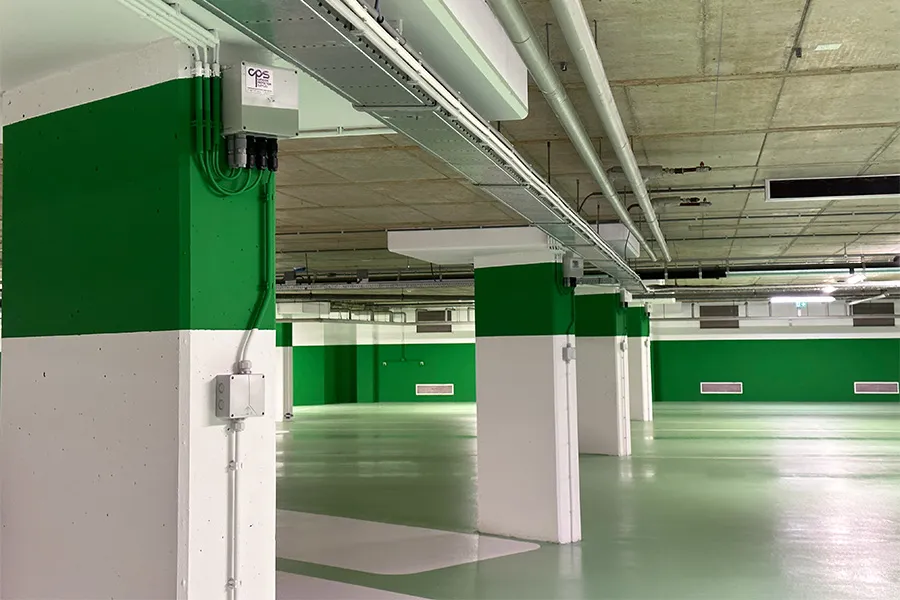
Cathodic protection (CP) is a proven, effective and sustainable way to stop corrosion. By applying small electrical currents, this method prevents oxidation from damaging metal structures and reinforcement in concrete. An interesting by-product of CP is that it can make structures ‘talk’. Unusual variations in current levels can reveal information about the health of a structure. This makes it possible to detect problems early and prevent them from getting worse through further maintenance. Anthony van den Hondel of Cathodic Protection Supplies explains how CP technology can help us tackle the huge maintenance challenge facing the Netherlands.
CP can be applied in two different ways. With galvanic cathodic protection (GCP), zinc anodes oxidise instead of the reinforcing steel rusting. With impressed current cathodic protection (ICCP), by contrast, a direct-current power source makes the reinforcing steel a cathode. “The great thing is that these power sources are becoming increasingly smart and can also be monitored and controlled remotely,” explains Van den Hondel. “The system therefore continuously generates data that provide insight into the condition of the structure.”
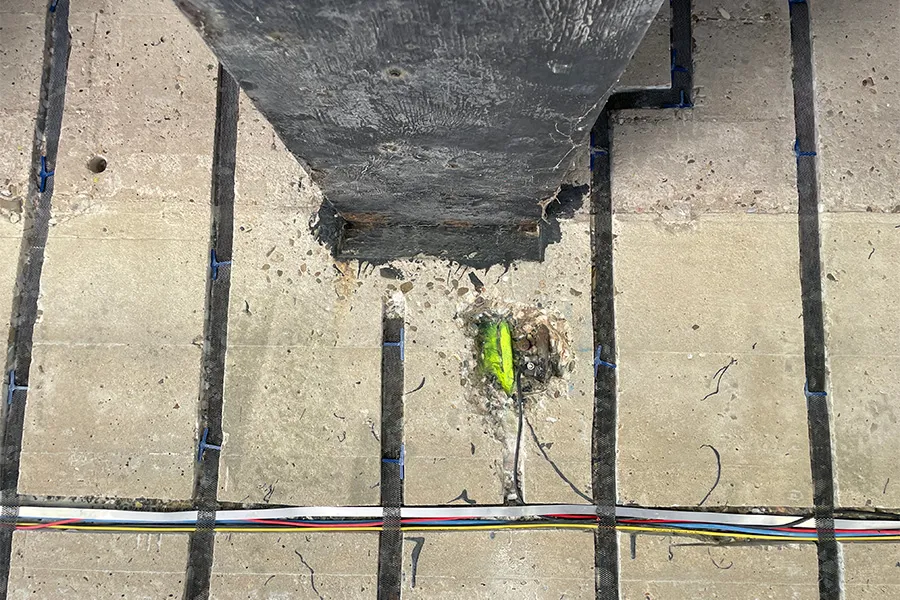
A departure from the norm
CP can turn a building or civil engineering structure into one large sensor. “A building at a large factory was fitted with our CP system and functioned as a sensor. At one point, I noticed a major, unexplained change in the current level on one floor. I reported it, and it turned out that a gear had broken, causing an impact to the structure. This is not an example of corrosion, but the principle is the same: there is a departure from a standard, or what you might call a predictable pattern in the current level. This could indicate a defect in the structure, a leak, corrosion or a combination of these.”
More granular
The possibilities for monitoring buildings have expanded enormously. “Thirty years ago, everything was still measured by hand,” says Van den Hondel. “Then data loggers came along, but at first you still had to drive out to them yourself. Now everything can be monitored remotely using modems. Electronics also cost only a fraction of what they did back then, and everything has become much smaller and more compact. It is therefore both affordable and technically feasible to fit a structure with sensors in many locations, allowing you to generate increasingly granular information. You could, for example, find that sensor Z on floor Y of apartment block X is producing suspicious readings, and then send someone specifically to assess the situation there.”
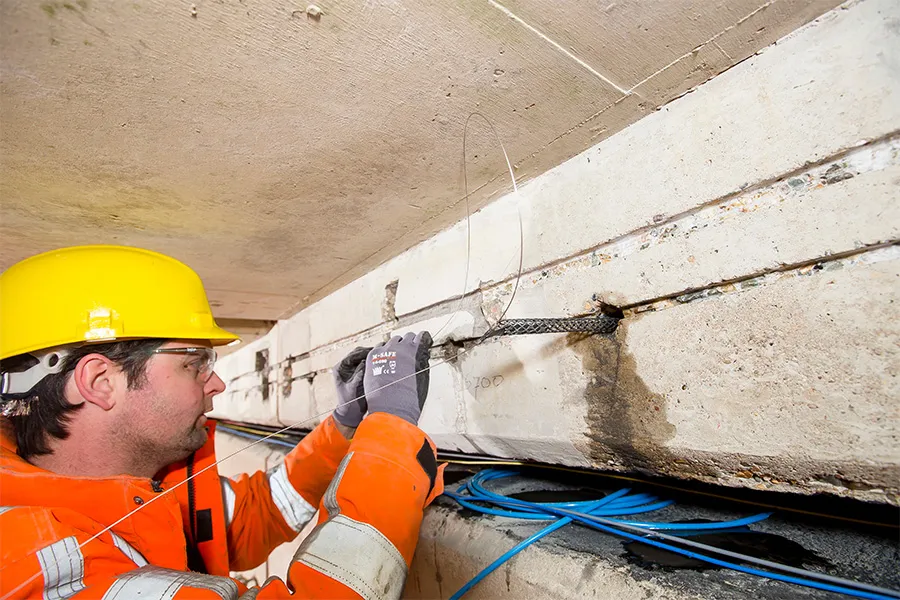
Traffic-light system
The problem with such detailed information is that it generates a flood of data. Van den Hondel says: “No sensible person can do anything with that, and even with computers and AI, it is questionable whether you can organise the whole process properly. Major asset owners such as Rijkswaterstaat (RWS) and housing associations, as well as industrial operators such as port companies, are not keen on it either. A simple traffic-light system with three assessment levels would be better. Green means all is well, amber means attention is needed, and red means action is required in the short term. For each asset or sensor, such a system would need relevant threshold values, calibrated to local conditions and taking all relevant circumstances into account. Over the past two years, industry players have been working hard to discuss linking information from CP to other data and asset management systems. Rijkswaterstaat, for example, sees clear benefits in combining it with the Object Data Services system, or ODS for short. This is a standardised way to collect, store and compare data from different assets. We are not there yet. But I do see potential for AI here. On 27 March, the BetonOnderhoudsPlatform (BOP) is organising a very interesting meeting on this at the Zuidelijke BetonReparatieMiddag.”
Vraag over dit verhaal? Stel je vraag
Blijf dit volgen
Bij een nieuw verhaal krijg je een e-mail. Geen account nodig.
- OnderwerpConcrete