‘Sharing knowledge is essential to keeping the industry alive’
Tekst Jerry HelmersBeeld VWN
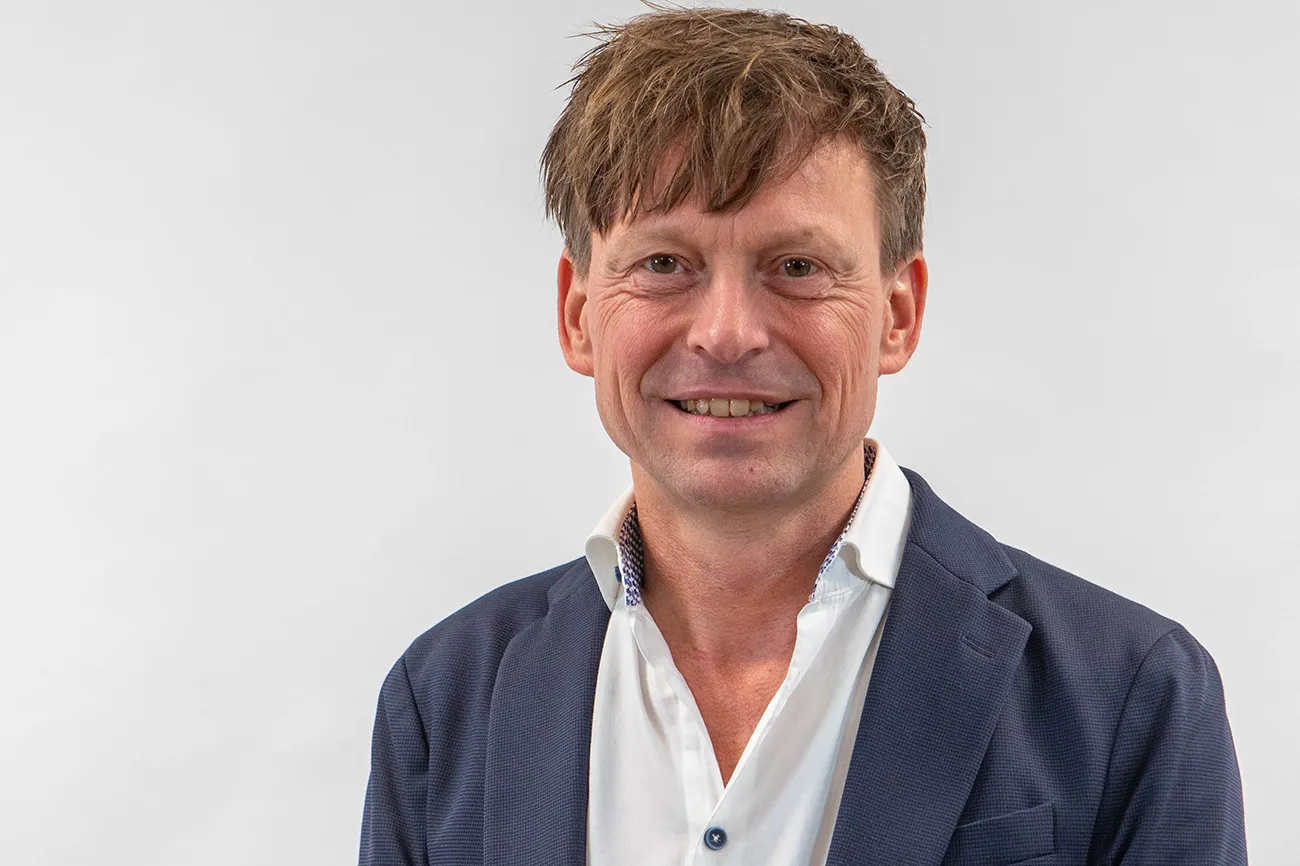
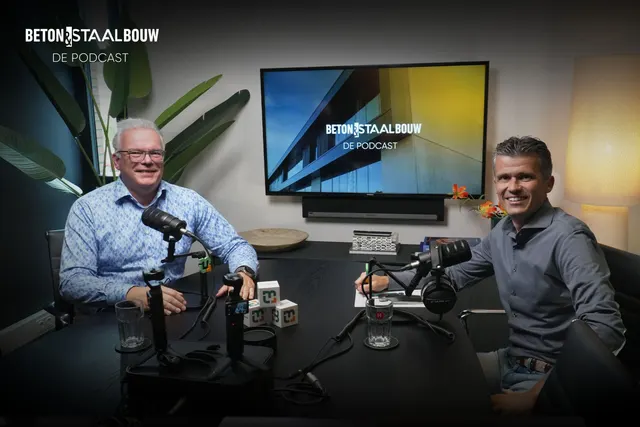
Peter Megens, new chair of Vereniging Wapeningsstaal Nederland
Since September, Vereniging Wapeningsstaal Nederland (VWN) has had a new man at the helm. 53-year-old Peter Megens, who had already served on the board for several years, is now taking the reins as chair. In his day job, he works as Manager Testing Metals and is also involved in R&D at Concrefy. How will he approach his role as VWN chair? We asked him.
Why did you become chair?
“I had already been closely involved with the association for several years. My day job has also given me a great deal of expertise in concrete and reinforcement. So the knowledge is there. The fact was, however, that we had been without a chair for some time. It was time to fill the vacancy so that the organisation could continue to function effectively and provide direction for the association’s vision. The previous chair did a good job, devoting an incredible amount of time and energy to the association. But as I said, the position had been vacant for a while, and I am highly motivated to take on the role.”
Most newly appointed chairs, wherever they are, often say they spend the first 100 days of their term ‘out and about’ speaking to members and laying the foundations for future policy. What did this look like for you?
“I already know the association well, of course, thanks to my active role on the board over the past few years. I’m also involved in the Technical Committee. So I wouldn’t describe it so specifically as ‘the first 100 days’. Naturally, I discussed this in advance and will continue to do so. Michel Tonino, the association’s director, is a good sounding board, but we need to be clear about the direction we are taking. How do we give direction to our vision and mission? And are we able to define our objectives clearly enough and communicate them to our members? I think we need to organise more internal meetings to encourage knowledge-sharing and obtain feedback from members. Meetings like these will help us, as a board, and me as chair, to find out even more about what is going on, but that is really an ongoing task I have set myself. I wouldn’t define it so narrowly as something to achieve in 100 days. The bottom line is: more contact with members.”
What are the association’s main challenges?
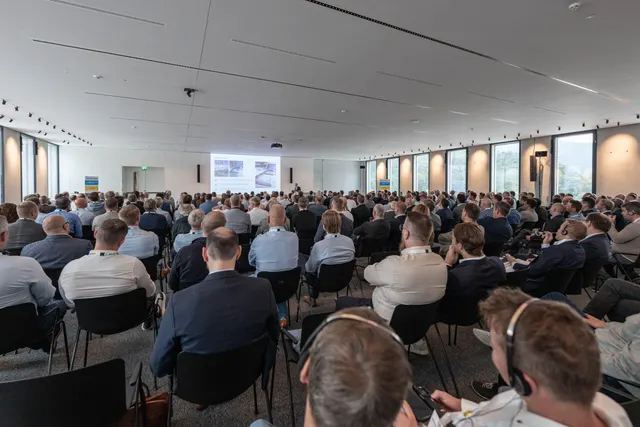
“From a technical perspective, we will continue to actively monitor the development of standards and regulations. We are represented in various consultation bodies to put our members’ interests forward, and the association also takes the initiative in developing guidelines. One example is the assessment guideline for reinforcing steel fixers. It was developed to provide guidance on carrying out inspections and keeping records properly under the Quality Assurance for Building Act (Wkb). In terms of training, we want to encourage education. It is important that the sector has enough skilled workers. We therefore need to raise the profile of our field in education. That brings me to the third perspective: promoting our industry. People are less interested in what they don’t know. We need to show today’s students more about working in the reinforcing steel sector. For example, we had a stand in the student area at the Betonevent on 16 November. In effect, I’m talking about recruiting staff for the future.”
What should we hold you accountable for in a few years’ time?
“I’m aiming for continuity for the association, with membership growth being important. I also want to step up efforts to share knowledge within and beyond the association. I want to bring VWN to life, quite literally.”
On the elections on 22 November… The formation of a new government is about to begin. What would you like to say now to a future new minister for construction or infrastructure?
“In 2021, caretaker Minister de Jonge announced that 900,000 homes must be built by 2030. This requires an increase in the number of homes built each year, but in practice the number of new homes being added in 2023 is actually falling. The new minister will need to focus on meeting this target. When construction stagnates or contracts, this has negative consequences for contractors and suppliers. This could result in skilled workers leaving the industry, and they may not return when the market picks up. We must do everything we can to prevent that scenario.”
Een zakelijke vraag aan Concrefy B.V.? Neem contact op
Bedrijven in dit verhaal
Blijf dit volgen
Bij een nieuw verhaal krijg je een e-mail. Geen account nodig.
- OnderwerpConcrete
- BedrijfConcrefy B.V.