Sustainable load-bearing capacity
Tekst Roel van GilsBeeld IJB Groep
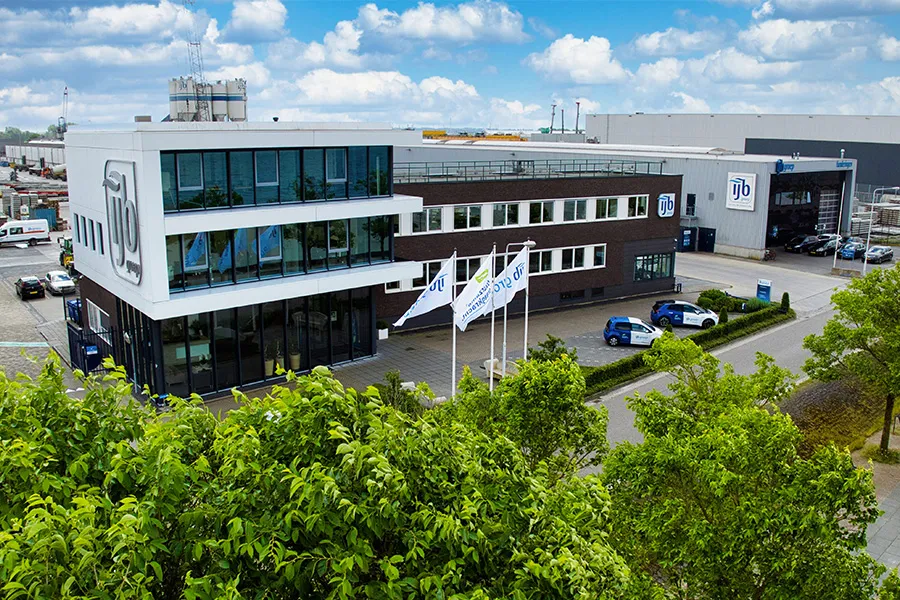
Sustainability: everyone talks about it, but not everyone is ready to take action just yet. Fortunately, there are companies such as IJB Groep in Lemmer that are taking real steps. Since 2022, sustainability has been firmly on the agenda at this concrete specialist, with a range of initiatives undertaken under the banner of ‘Sustainable Load-Bearing Capacity®’. “And that goes much further than just reducing CO2 emissions. That is only one part of our mission and vision. We take a much broader view of sustainability,” says an enthusiastic John Engelsman, Managing Director of IJB Groep.
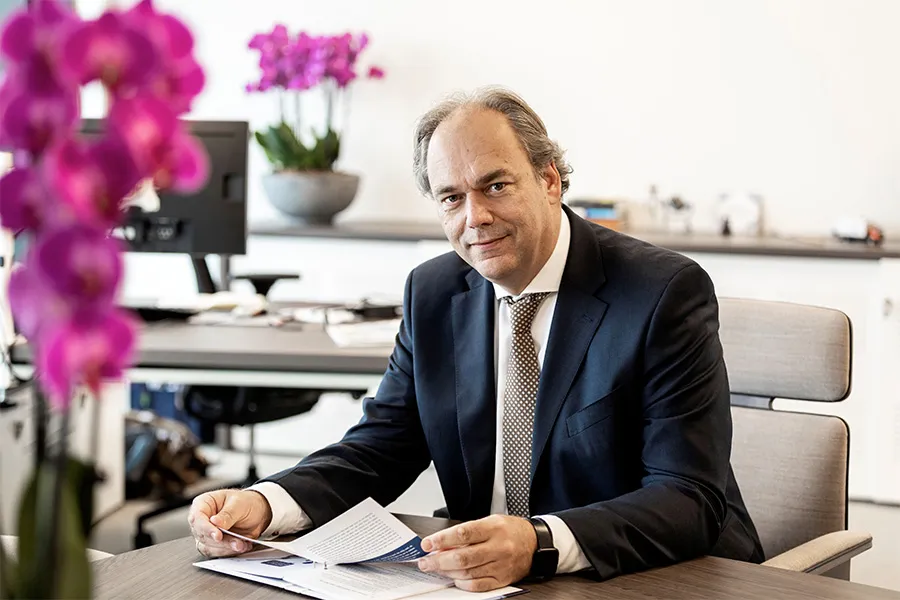
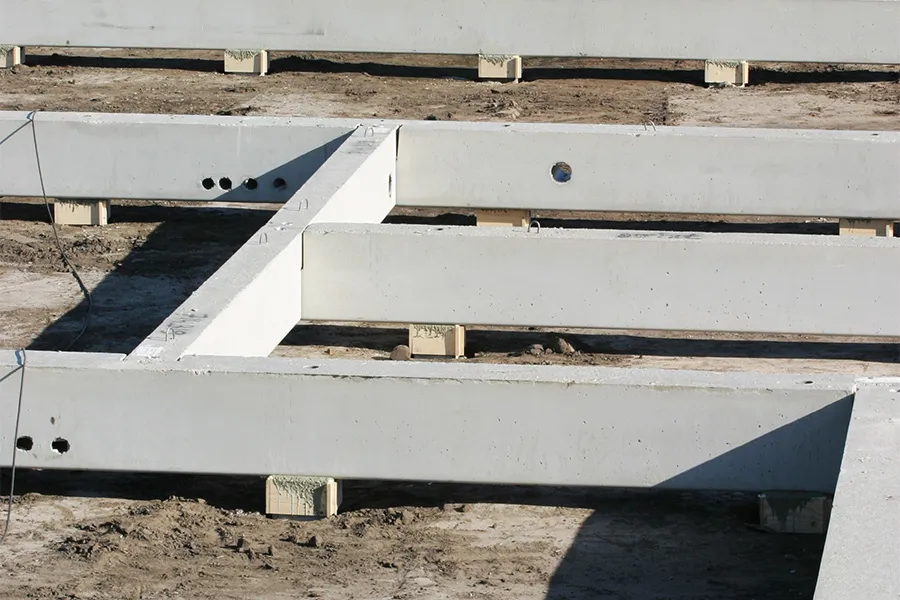
“Putting sustainability on the agenda has been a work in progress for some time, but it is only in the past few years that we have really started taking steps,” says Engelsman. “It starts with establishing a vision. What kind of company do you want to be? After a series of sessions with our employees, we chose ‘Sustainable Load-Bearing Capacity®’ as our guiding principle. That is what we want to offer the Netherlands, and it has been a key focus for our organisation ever since. We are a company that provides load-bearing capacity in all kinds of forms, with products such as piles and foundation beams. Sustainable Load-Bearing Capacity® also relates to how you treat your employees, workplace safety, and how they can reach retirement age in good health and with a sense of wellbeing, among other things. Attention to training and development through our IJB Academie is also important, so that our people can do their jobs in a positive working environment. It is therefore a broad concept.”
A different way of thinking
Once the vision had been established, targets were set. “We are committed to the Paris Climate Agreement and initially mapped out our route to 2030,” Engelsman explains. “Our way of thinking has changed radically. Rather than focusing solely on volume, we are now guided by the most optimal, or in other words sustainable, solution. That means using concrete only where there is no viable alternative. That is quite a step for a company focused exclusively on concrete products. Based on our route to 2030, we have set a number of criteria, including a 55% reduction in CO2 emissions by 2030, the use of secondary raw materials and replacing at least 15% of the gravel with crushed concrete aggregate, though preferably more.” IJB Groep employees are closely involved in these ambitions. “Although sustainability is driven by the management team, it is something we can only achieve together. Plenty of ideas are put forward, and we get to work on them.”
Future Lab
To give all these new developments a proper place within the organisation, IJB Groep set up the Toekomstlab. “In this lab, we give a number of employees who are motivated to work sustainably the time and space to come up with new and creative solutions. The lab has been running for a year and a half and has already produced a great many new ideas,” says Engelsman. “It turns out that if you delve deeper into the subject, the targets we have set are perfectly achievable. A wider project team then takes the lab’s creative ideas forward and translates them into production-ready solutions. That is how, for example, our ECO-paal® came about.”
ECO-paal®
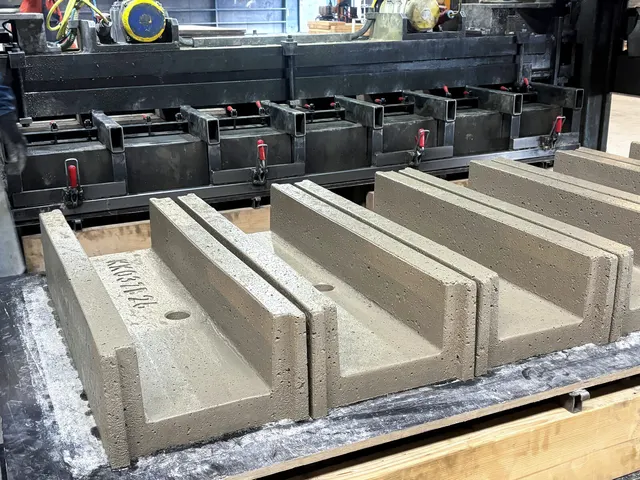
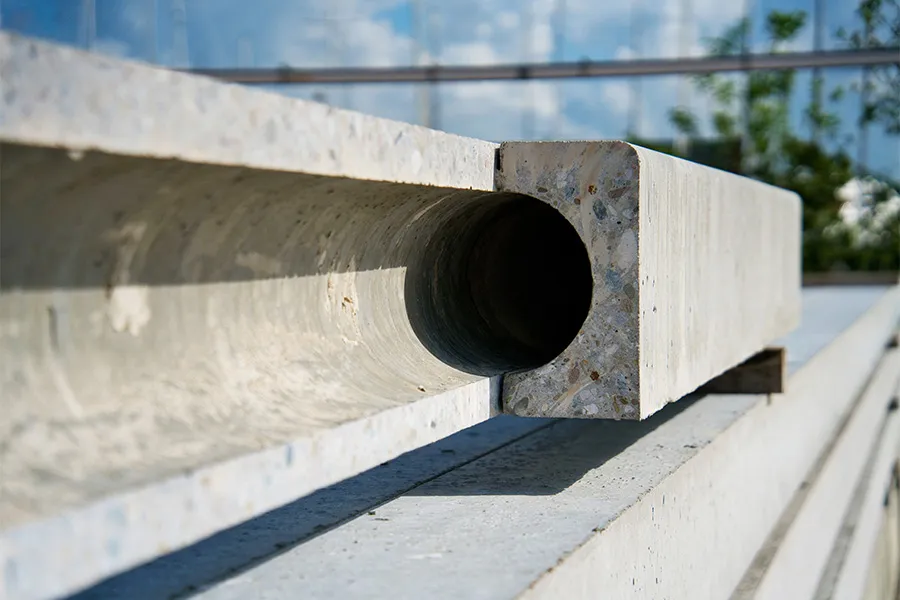
“The ECO-paal® fits perfectly with our philosophy of reducing CO2 emissions, saving raw materials and using concrete only where there is no alternative,” says Engelsman. “We took another look at the pile as a product. Until now, piles have always been made solid, but the middle section does not actually serve a purpose. It can be hollow. And that is exactly what we did. Following an intensive preparation and testing programme, production of the ECO-paal® began early this year, and it has already been used successfully in a housing development in Lent.” Producing the ECO-paal® requires 30% less material, resulting in a 25% reduction in CO2 emissions per pile. The hollow centre makes the pile lighter, so fewer lorries can transport more piles at a time. This is another beneficial side effect.
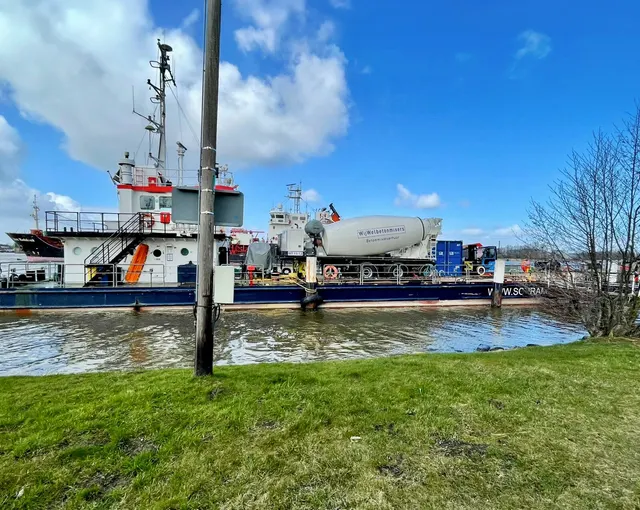
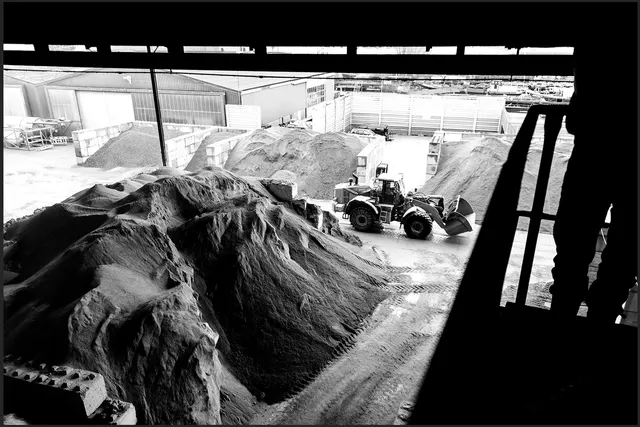
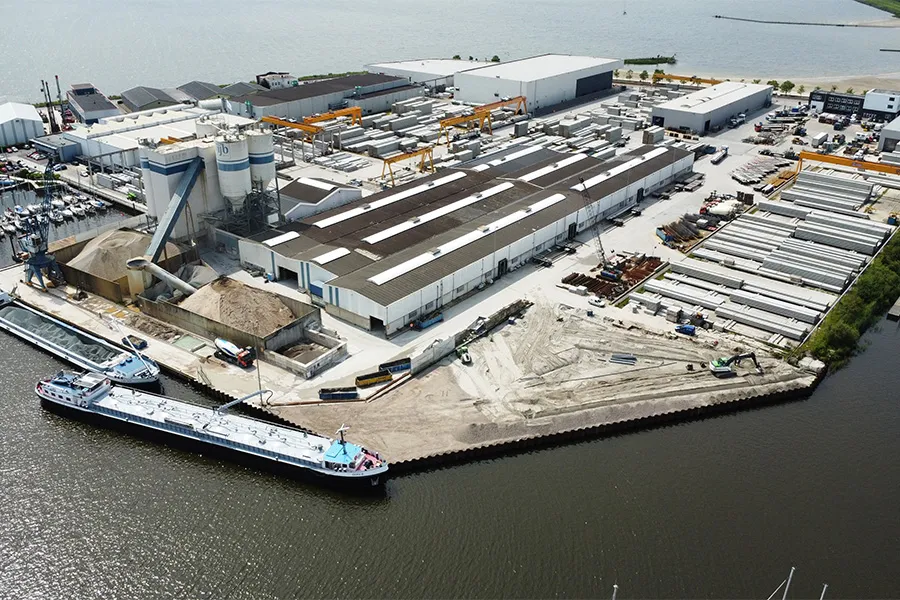
Another development introduced much sooner than expected, according to Engelsman, is the use of 20% crushed concrete aggregate as a gravel replacement in foundation beams. “We are already exceeding the target we set for 2030. It is important that we receive the aggregate at our quay in a consistent quality and a steady supply, but we have already worked out the logistics. We are currently expanding our storage capacity by more than 3,000 m2, because making our products more sustainable requires many more types of raw materials and aggregates. It is no longer just sand, gravel, cement and a little water.”
Vraag over dit verhaal? Stel je vraag
Blijf dit volgen
Bij een nieuw verhaal krijg je een e-mail. Geen account nodig.
- OnderwerpConcrete