A passion for historic concrete
Concrete restoration adviser in a class of their own
Concrete restoration comes in many shapes and forms. It usually involves civil engineering or utility structures with no heritage value, or straightforward repairs to structural elements of buildings, such as corbels or floors. The maintenance and restoration of historic buildings is a very different matter. It calls for a careful balancing act, with decisions made at every turn. The aim is to strike the right balance between structural safety, technical service life and the preservation of heritage value. In this field, Solid Services is the only concrete restoration consultancy recognised by Stichting ERM.
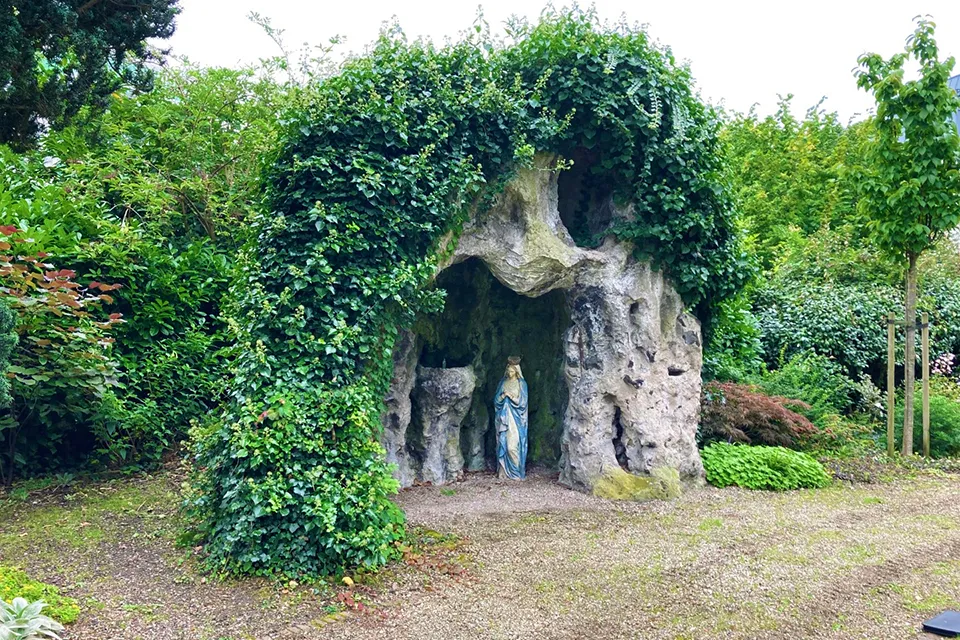
Stichting ERM (Erkende Restauratiekwaliteit Monumentenzorg) is the knowledge platform where all parties involved in the maintenance of historic buildings work together. It also manages assessment and execution guidelines to maintain a high standard of restoration quality. URL 2003 covers concrete restoration advice, while URL 4005 applies to the execution phase for historic concrete. Solid Services, based in Udenhout, is (for the time being) the only consultancy in the Netherlands certified by ERM, and has built up an impressive portfolio of projects.
Passion
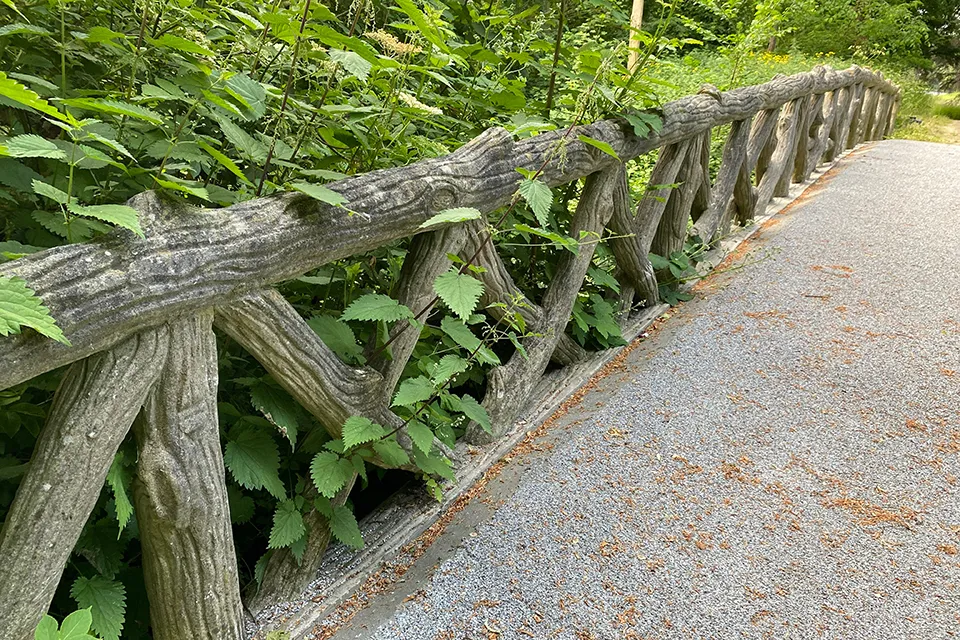
“Our work covers pretty much every type of concrete,” says Jelle Lecluijze, Technical Director of Solid Services. “It starts with a thorough inspection, including an assessment of damage and remaining service life. This leads to recommendations for repair and conservation, which are then set out in a specification for a quotation request or tender. Once work gets under way, we remain involved as the client’s representative or quality assessor. Since 2022, we have been certified for historic concrete, a niche that I and several colleagues are passionate about. We often come across remarkable projects. Large or small, from Zeelandbrug to the rustic bridge at Kasteel Haarzuilens or the concrete ornamental features of a historic villa. Every structure has its own story and calls for a tailored approach.”
Taking stock
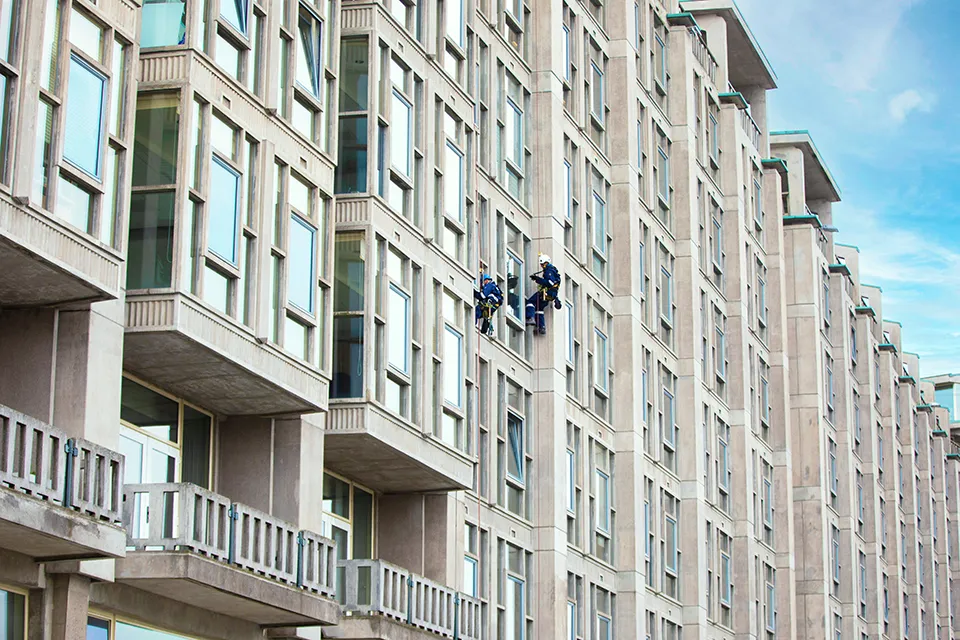
Projects are a good way to illustrate how work is carried out in accordance with URL 2003, as the Groothandelsgebouw in Rotterdam shows. This immense building, 220 metres long, 85 metres wide and 43 metres high, is the symbol of Rotterdam’s post-war reconstruction. When it was completed in 1953, it was the largest building in the Netherlands. Lecluijze says: “Between 2001 and 2005, the Groothandelsgebouw underwent a major restoration, including concrete repairs and the removal of a protective coating from the façades to reveal the original concrete structure. In 2021, we were approached to inspect the building and investigate falling concrete fragments. This involved archival research into the heritage assessment and maintenance carried out in the past. We also recorded the damage and assessed the underlying mechanisms. The heritage assessment, one of the first steps under URL 2003, is extremely important. It is often linked to the appearance of the structure, the materials it is made from and/or the construction method. With concrete being a relatively recent building material, features worth preserving are not always recognised. It is important to be aware of this, especially for structures that are not listed, or have not yet been listed, as monuments, but are worth preserving. A building historian should be consulted where necessary. The heritage assessment, combined with thorough preliminary investigations, determines the best way to conserve the structure.”
No breaking out indiscriminately
Solid Services’ recommendations and restoration plan, drawn up on the basis of the preliminary investigations, are now being implemented under its supervision. Lecluijze says: “Every instance of concrete damage raises the question: how far should I go to preserve the structural integrity while keeping the original concrete intact? You cannot simply keep breaking out concrete until you reach a sound substrate or non-corroded reinforcement. This approach differs significantly from standard repair work and the applicable CUR recommendations. In addition, CE-marked repair mortars do not always match in terms of strength, colour or texture. You then have to look for a different mortar mix, whose durability properties are not always known in advance. In many cases, the tradesperson on the scaffold determines the mix. It is better, however, to identify the right mix beforehand and assess it for both appearance and, crucially, technical performance. This is not always done. As supervisors, we keep a close eye on this.”
Brutalism
Alongside the Groothandelsgebouw, Solid Services has been working for many years at the Provincial Government Building in ‘s-Hertogenbosch, also designed by Maaskant. “Brutalism has something special about it for me,” Lecluijze concludes. “Of course, concrete is used in other architectural styles too, but I will always remember being involved with buildings such as those at TU Eindhoven, the sadly demolished Don Bosco LTS in Valkenswaard and the distinctive air-watchtowers built using the raatbouw system.”
Een zakelijke vraag aan Solid Services BV? Neem contact op
Bedrijven in dit verhaal
Blijf dit volgen
Bij een nieuw verhaal krijg je een e-mail. Geen account nodig.
- ThemaBouwen in de bestaande stad
- OnderwerpConcrete
- BedrijfSolid Services BV