Building with concrete, with quality, economy and sustainability in mind
Tekst Philip DoutreligneBeeld Nerva
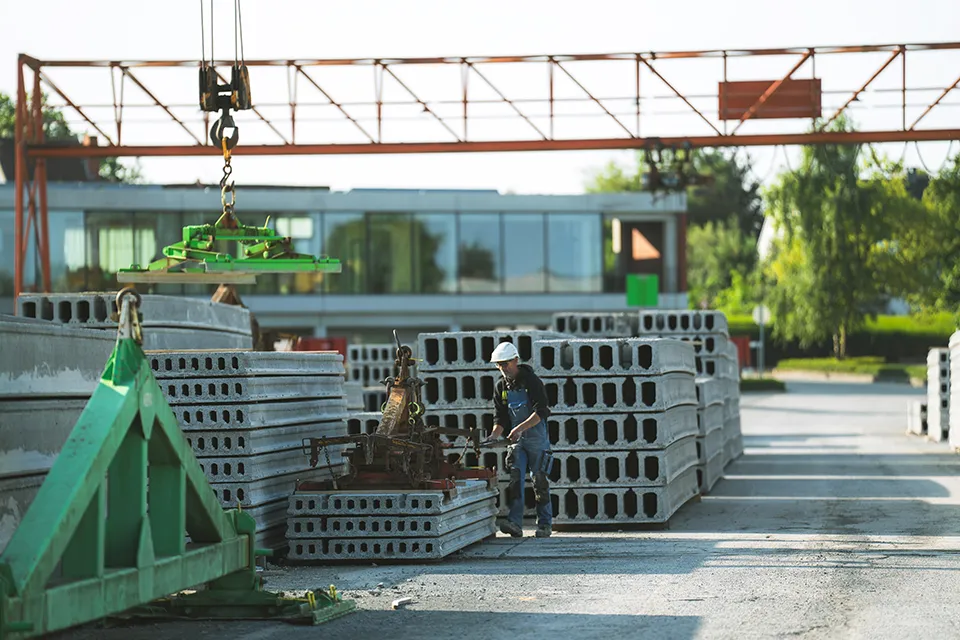
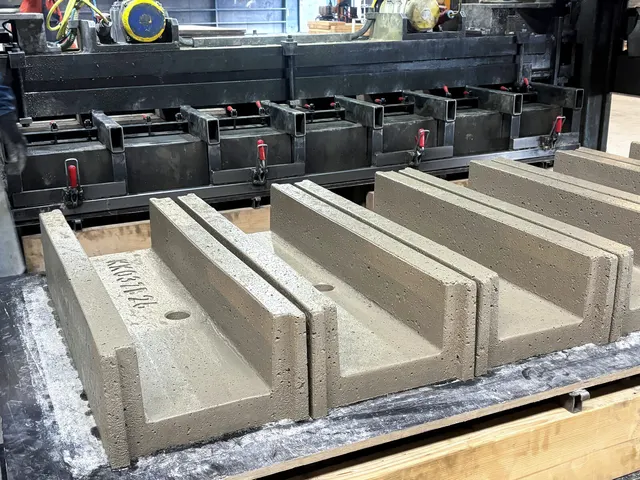
Future-oriented production of prestressed hollow-core slabs
Nerva has long focused on quality. Following its full acquisition by French company Rector in 2021, sustainability has become a second key pillar. Thanks to decades of experience and a new lease of life, it has completed more than 23,000 projects, using over 6 million m2 of hollow-core slabs.
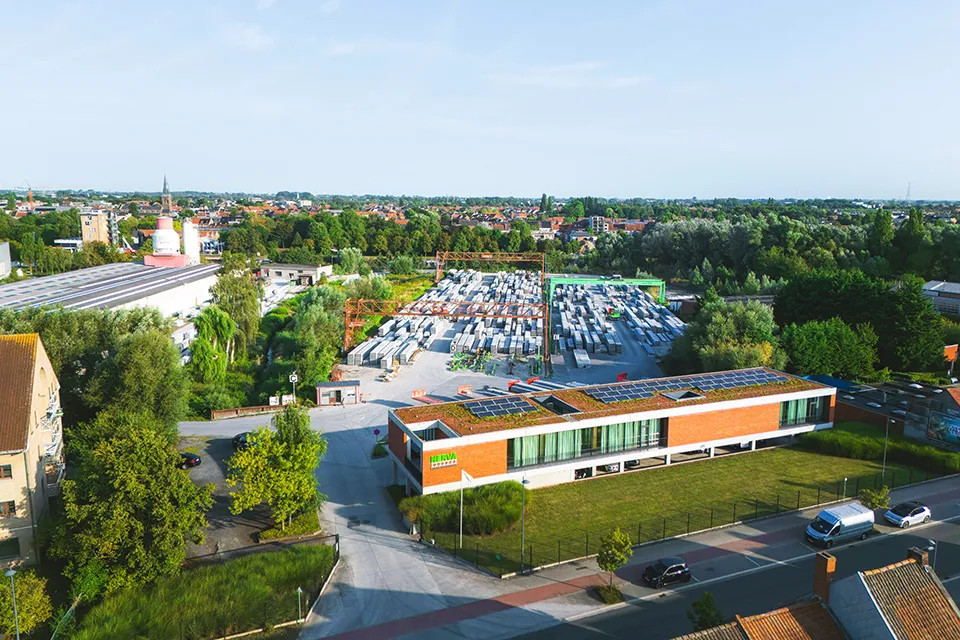
Striving for quality in every respect
Erik Geerts, managing director and sales director at Nerva: “For us, quality encompasses the entire process. Providing technical support to clients from the preliminary design stage is essential. This helps us build as economically as possible, while keeping one important thing in mind: quality must not be compromised. By guiding our clients from the order form onwards and throughout the entire process, including preparing laying plans and optimising load arrangements, we save a great deal of time and money on site. Optimising transport also reduces CO2 emissions. Our whole team does excellent work, as reflected in our many loyal clients.”
Product quality is guaranteed by Benor and NF accreditations. “Because of our activities in the highly regulated French market, we are accustomed to meeting even higher standards in terms of dimensional accuracy and concrete composition. As prestressed concrete can be affected by external factors, we always use just-in-time deliveries, so the elements are not affected by adverse weather or being stored for too long.”
Sustainability in many areas
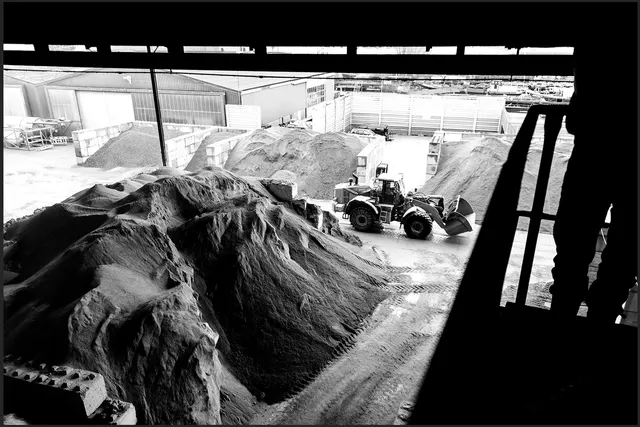
Geerts: “For us, sustainability takes many forms, including the product itself, its service life, production processes and handling. Low emissions, underpinned by strict French regulations, are standard for us. More sustainable production is made possible through our partnership with our neighbour, the Imog waste processing plant. Hollow-core slabs are made on heavily heated casting beds, for which we used to consume thousands of litres of heating oil each year, with all the associated CO2 emissions. We now heat the beds through a pipe network using waste heat from the Imog plant. We also meet our own electricity needs with solar panels on our new offices. In addition, all wastewater is reclaimed and treated, which has earned us zero-discharge status. Waste concrete is also reused in the production of new elements.”
“Finally, through Rector’s research department, we are closely involved in several exciting, forward-looking projects to further reduce our environmental footprint,” Geerts concludes. “These include the search for environmentally friendly cement substitutes that will make it possible to work more sustainably from the raw-material production stage onwards. This completes the circle and brings us a significant step closer to 100% circular construction.”
Vraag over dit verhaal? Stel je vraag
Blijf dit volgen
Bij een nieuw verhaal krijg je een e-mail. Geen account nodig.
- ThemaMinder CO2 in beton en staal
- OnderwerpConcrete