Southern Concrete Repair Afternoon focuses on AI
Tekst Tjerk van DuinenBeeld BetonOnderhoudsPlatform
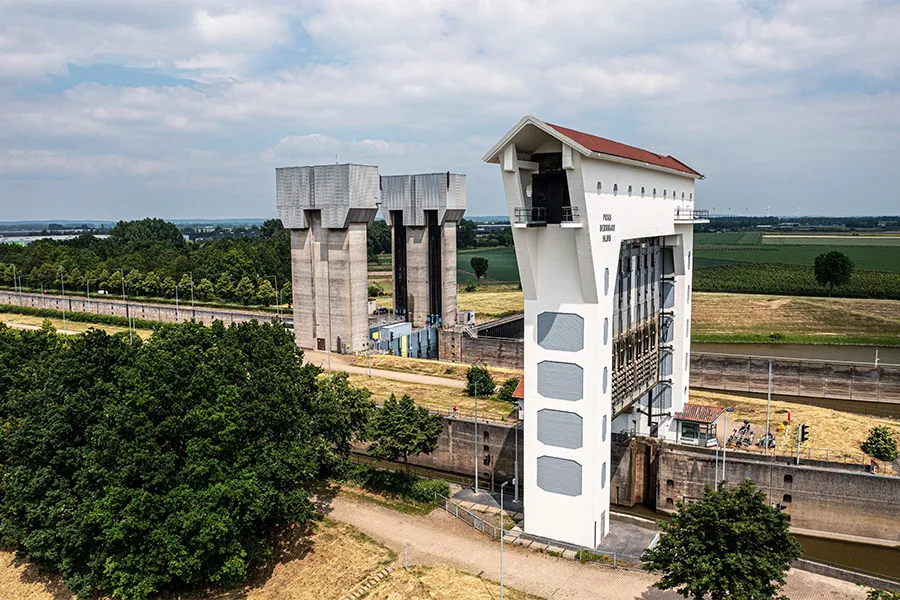
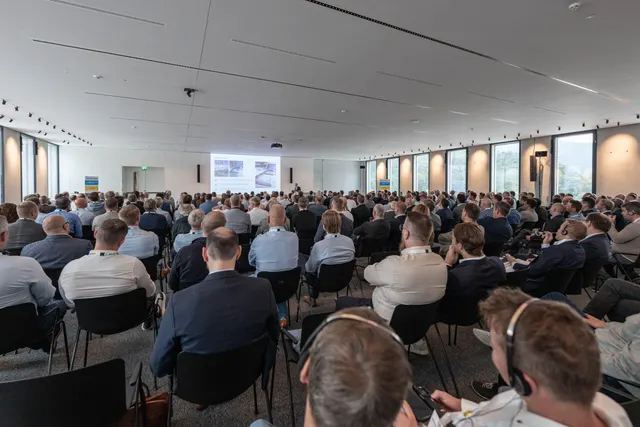
The Southern Concrete Repair Afternoon will take place on 27 March at the Paterskerk in Eindhoven. The event is once again being organised by the BetonOnderhoudsPlatform (BOP), a network in which five organisations work together, representing the entire concrete maintenance and repair chain. They have joined forces to offer the best in concrete repair and ensure the market benefits from it. Under the slogan ‘Never demolish again’, the event in March will explore the role artificial intelligence (AI) can play. Anthony van den Hondel, chair of the BOP, offers a preview of this fascinating subject. The world is full of data. Buildings and civil engineering structures, with all their sensors and measuring instruments, are increasingly becoming structures that can talk. Who is going to process all that data?
Van den Hondel has often set out his views in this magazine on the need for concrete maintenance. “We need to stop demolishing structures prematurely,” he says. “There used to be plenty of developers for whom demolishing a building and replacing it with a new one made better economic sense. But that throwaway culture is no longer sustainable. The environmental impact of demolition and new construction is simply too great. It is vital to keep existing buildings and infrastructure in use and maintain them for as long as possible. ‘Never demolish again’ should not be taken literally. Sometimes replacement construction is unavoidable, but for too long we have given demolition priority too readily.”

Opportunity
AI can play a significant role in tackling the huge maintenance task facing the Netherlands, says Van den Hondel. “Above all, AI is a tool, not a replacement for professional expertise. Some people in the concrete maintenance sector are unsure about AI’s role, for example because they are concerned about potential job losses. I would tell them that this is exactly why we need to talk about AI. You won’t lose your job to AI, but to someone who does use AI. AI offers an opportunity to improve processes and make work easier, for example by assisting with repetitive, time-consuming tasks. Think of writing reports and analysing images.”
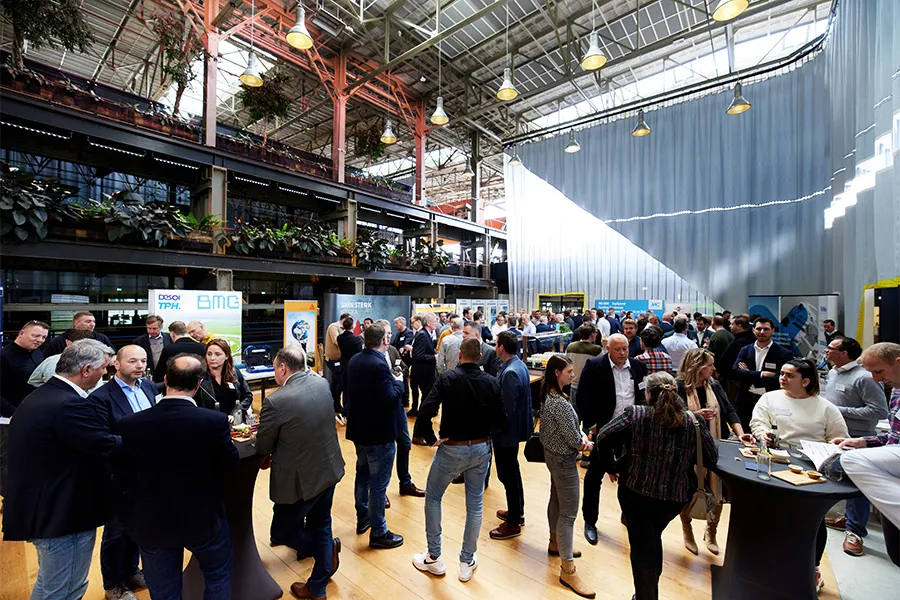
Image processing
Van den Hondel cites the use of AI to process photographs of concrete structures as a good example. “Hundreds of photographs are often taken during a project as part of day-to-day work. Processing all those images efficiently and linking them to the correct information is a challenge. I expect AI to help capture, organise, make accessible and catalogue these images in the future, for example by automatically recording where and when they were taken and integrating them into a digital timeline of the building’s condition. The concrete maintenance specialist can then apply their expertise to interpret the images and translate them into options and strategies to advise the asset manager.”
Structural health monitoring
Van den Hondel also sees a future for AI in structural health monitoring. “Sensors are already generating huge amounts of data on things such as corrosion, vibration and structural loading. We cannot process all of it, but computers and AI can identify patterns that are difficult for people to detect. AI can help us turn data into valuable insights. Structural health monitoring allows you to identify trends, predict the condition of a building or infrastructure, and indicate where maintenance is needed, often before any visible damage appears. This will speed up the shift to preventive maintenance, where damage is prevented before it occurs, rather than waiting until a problem becomes visible and only then taking action.”
Van den Hondel also expects AI to play a significant role in improving business processes. “There are a lot of meetings in construction. Automatically generating minutes and action lists saves a great deal of time and prevents differences in interpretation.” He is convinced that AI can transform the concrete maintenance sector, not by replacing people but by supporting them in their work. “AI is too important to ignore, but we need to use it wisely and, first and foremost, see it as a tool. The Southern Concrete Repair Afternoon will give us a chance to discuss this. In any case, I expect a very inspiring afternoon, where we can exchange views with fellow professionals on the future of concrete maintenance.”
Vraag over dit verhaal? Stel je vraag
Blijf dit volgen
Bij een nieuw verhaal krijg je een e-mail. Geen account nodig.
- ThemaDigitaal van ontwerp tot montage
- OnderwerpConcrete