An unrivalled knowledge session: The future of the steel construction supply chain
Tekst Liemar / Meco MetalFotografie Liemar / Meco Metal
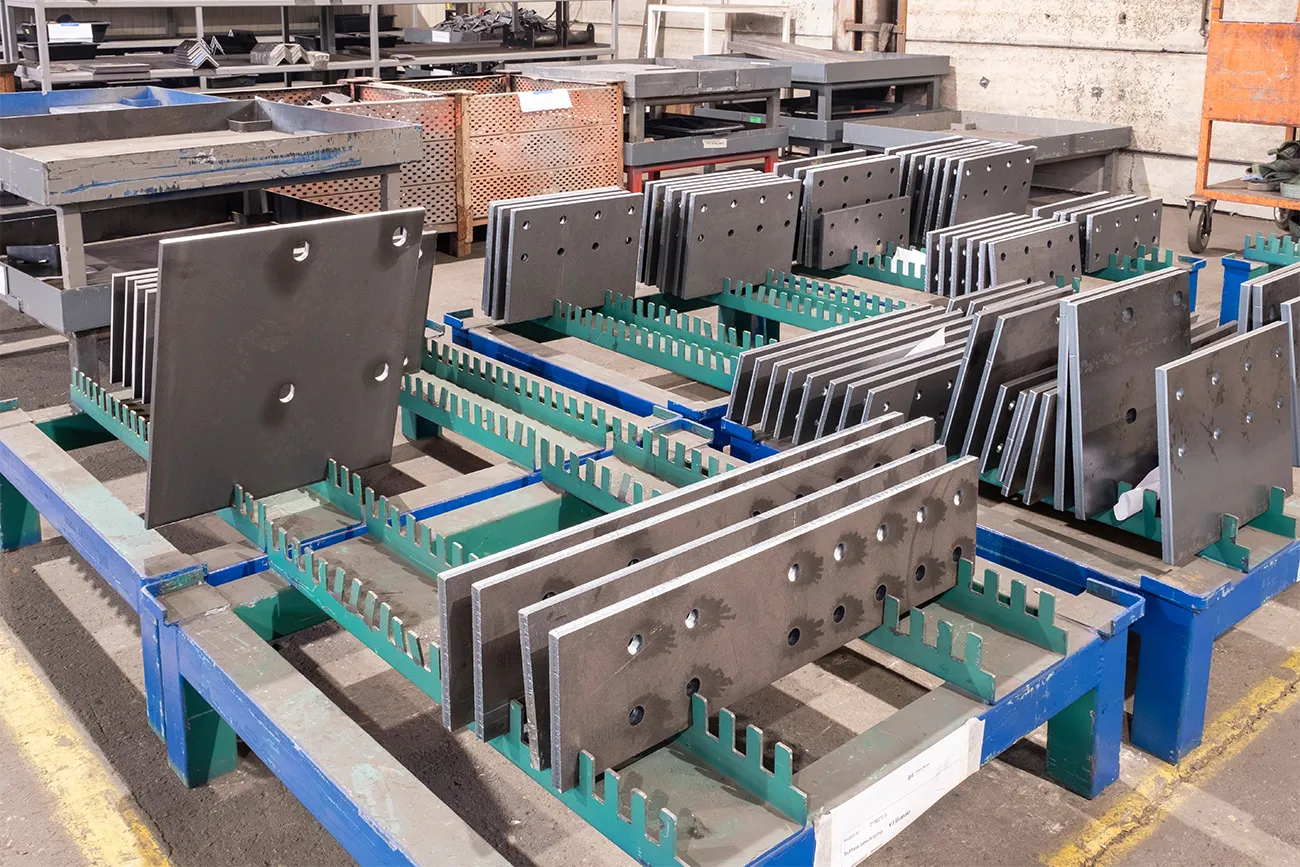
The future of the steel construction supply chain is uncertain. Perhaps more uncertain than ever. Energy and steel prices, staff shortages, increasingly complex legislation and regulations… How can we prepare? Meco Metal, Infosteel, Bouwen met Staal and Liemar Software organised a knowledge session to share Meco Metal’s approach. The event exceeded all expectations.
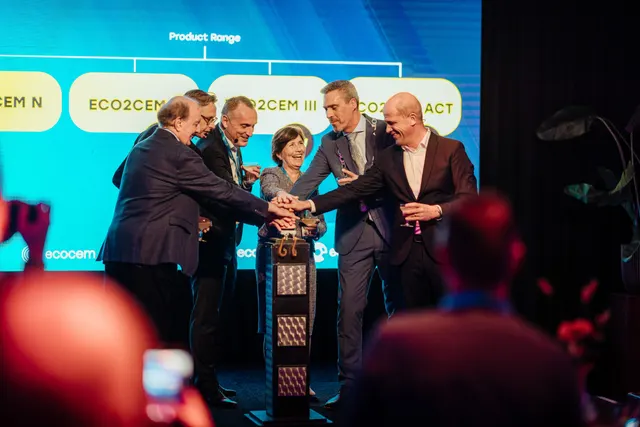
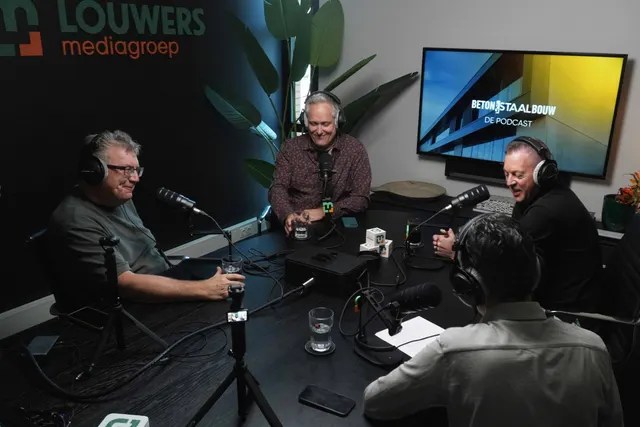
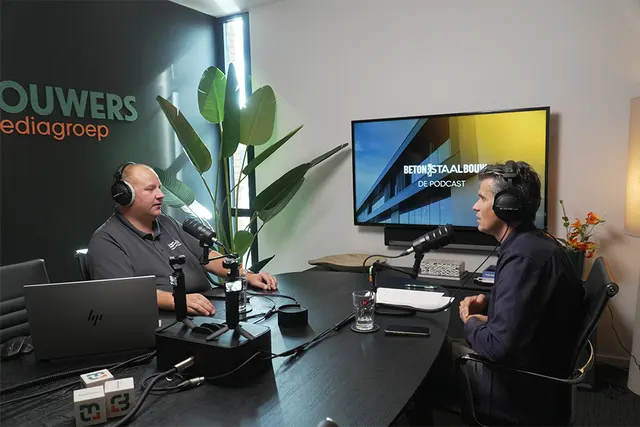
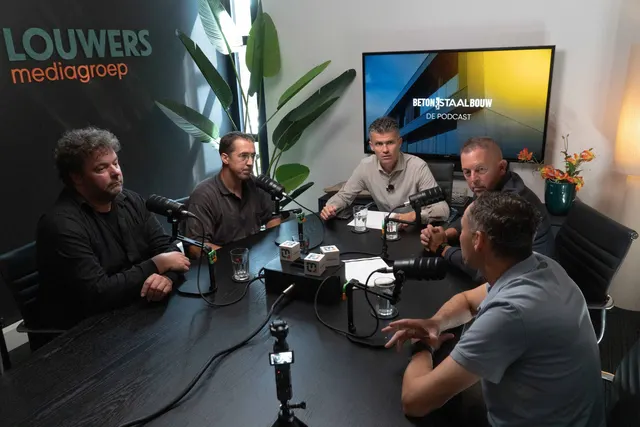
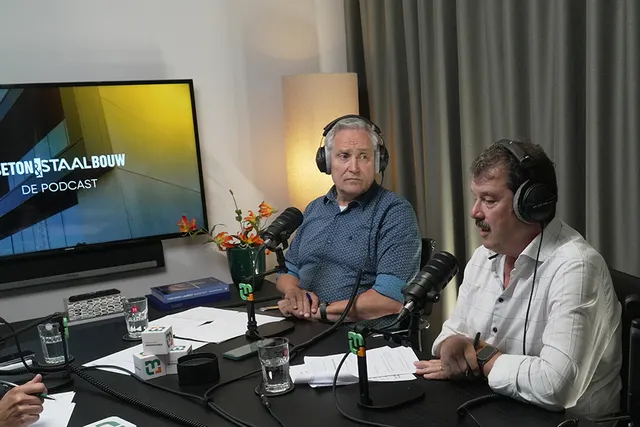
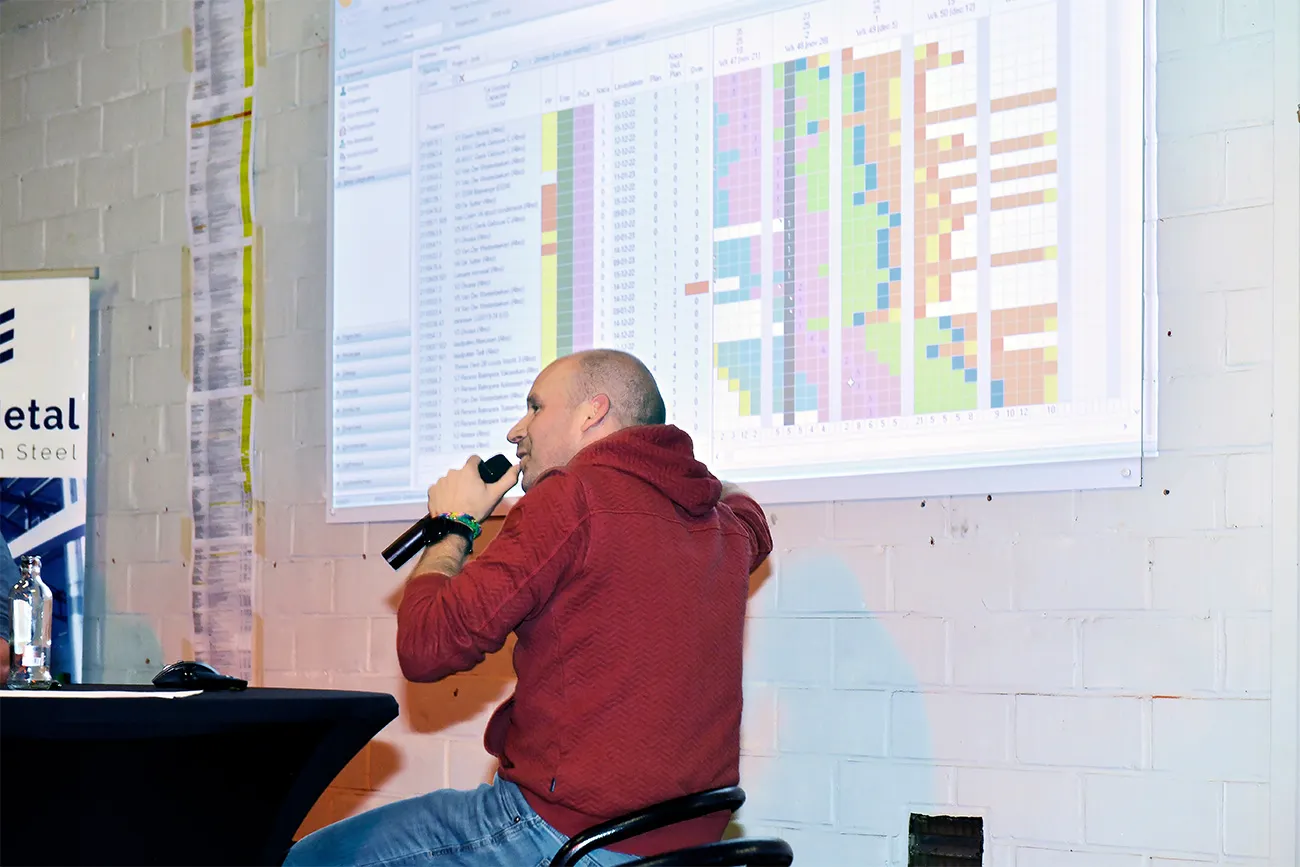
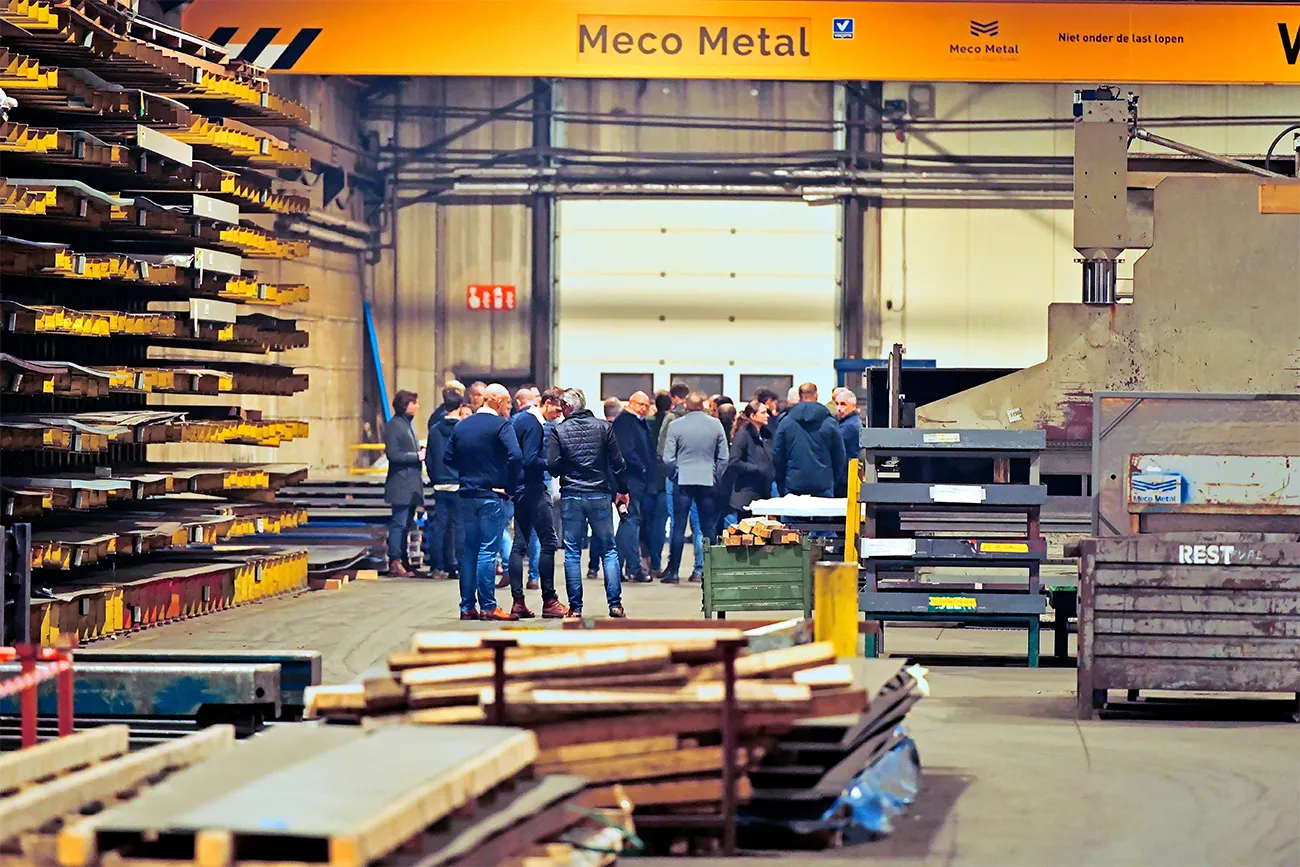
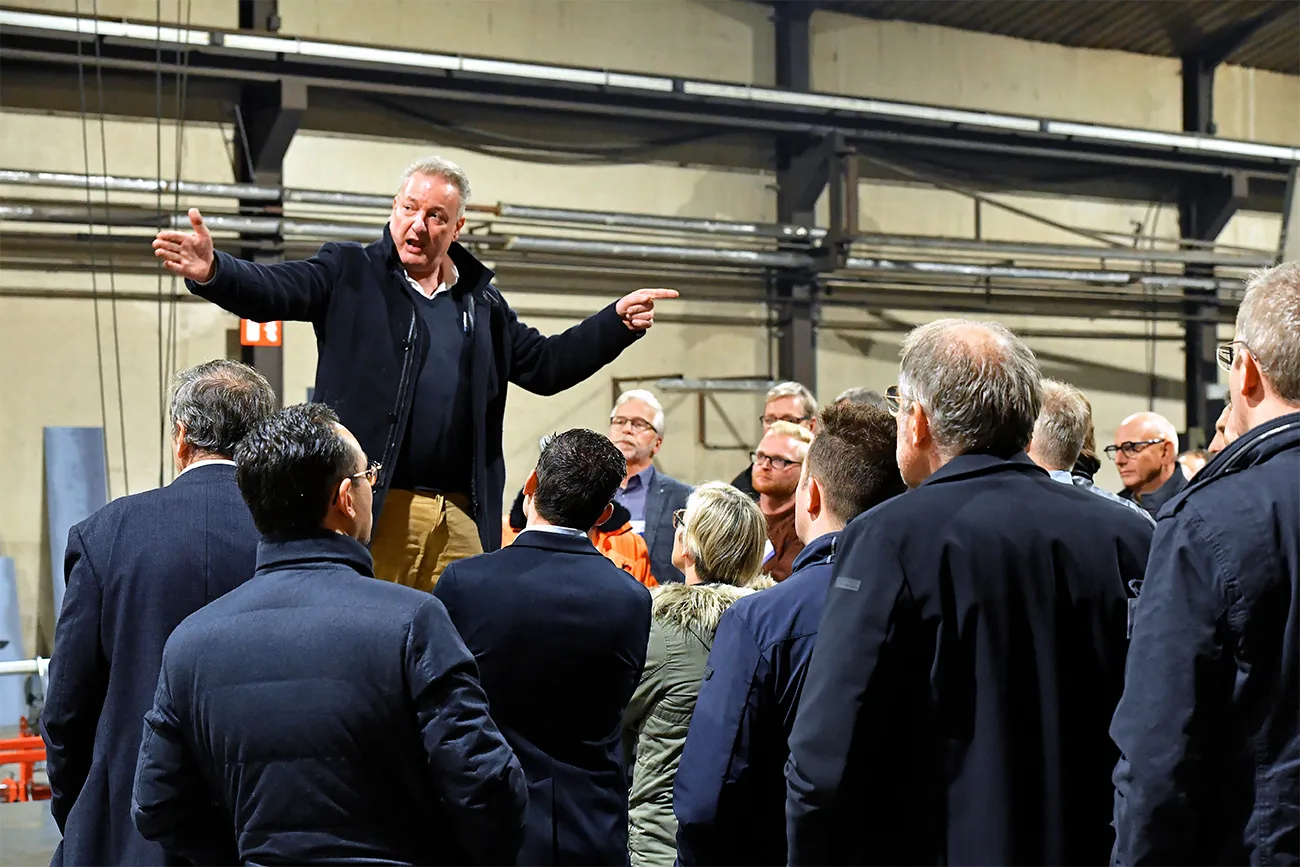
Harry Seijkens, managing director of Meco Metal, was given the opportunity to talk about his journey to an audience of 110 interested attendees. In a candid interview, he took his audience through more than six years of running a business within Meco Metal. His Dutch and Belgian listeners were introduced to his world of lean, reducing fixed costs and ERP software.
An uncertain future
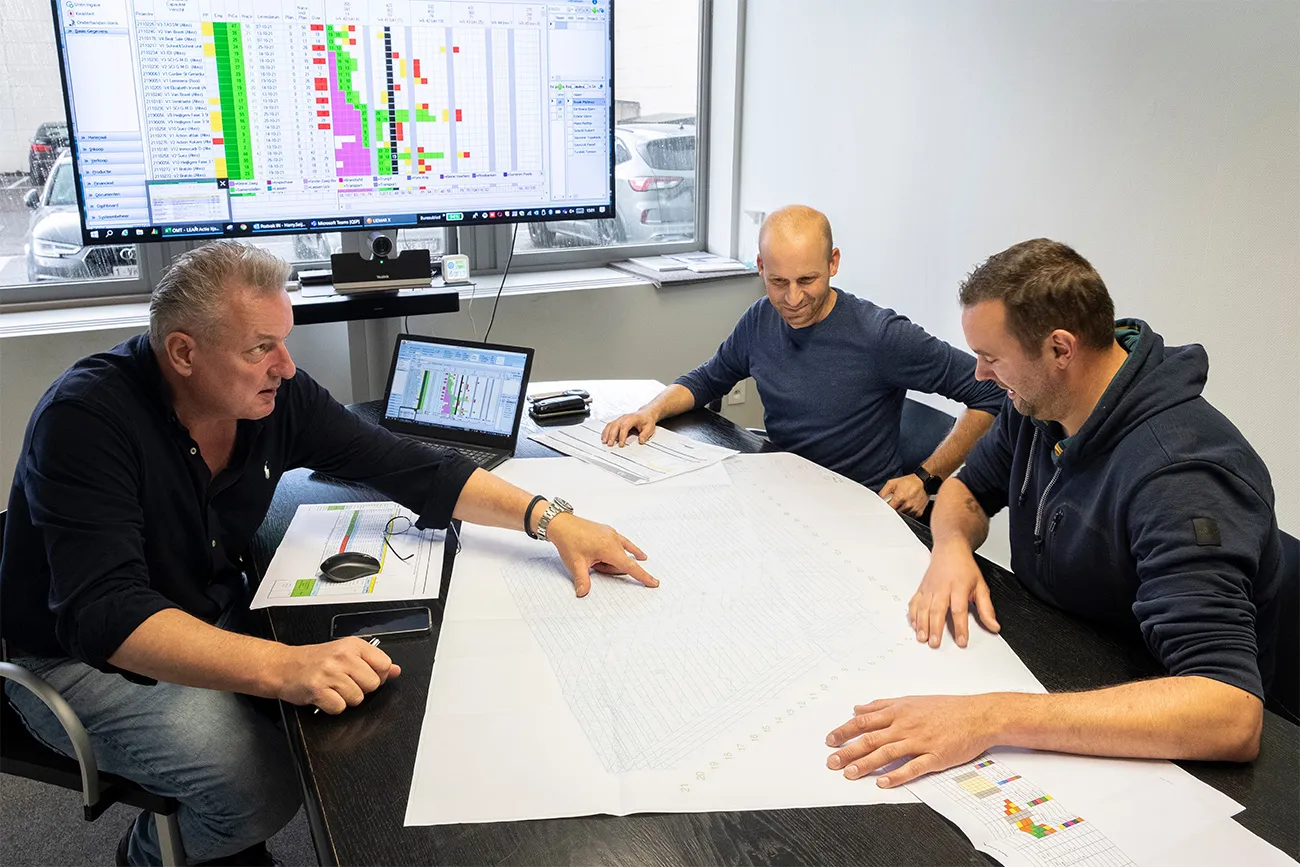
“We see various uncertainties ahead,” says Seijkens. “Volatility in steel prices is difficult to manage. Combine that with the explosive rise in energy prices and you have a challenging cost situation. On top of that, it seems everyone is struggling with a serious shortage of skilled staff. A recession also appears to be on the way, which could reduce demand for our products and services.” Jan van Hapert of Liemar Software adds: “Projects are becoming increasingly complex. And that is mainly due to factors unrelated to steel. Think circularity, building regulations, CO2, legislation, nitrogen, PFAS, quality requirements… But what we see above all is a lack of time.”
Getting started at Meco Metal
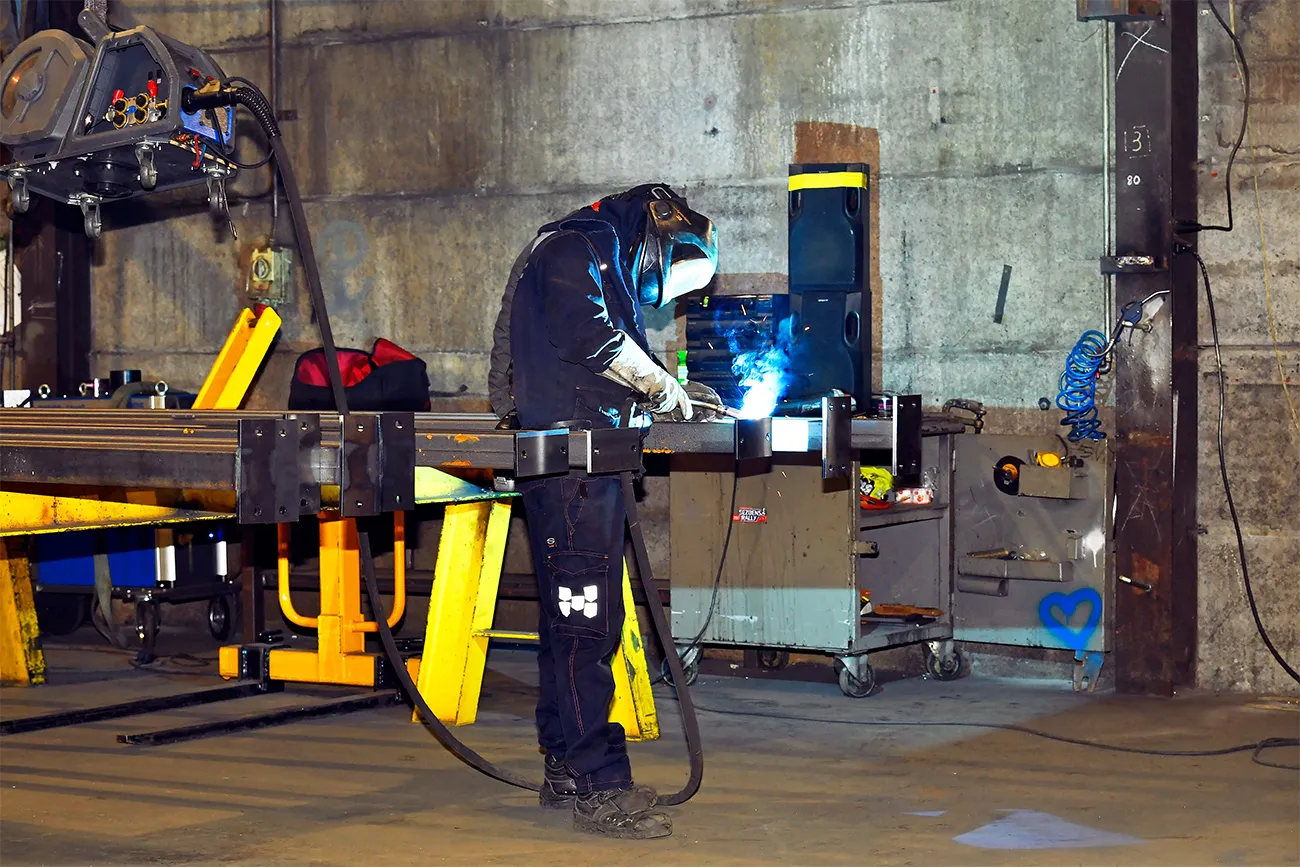
When Seijkens joined Meco Metal as managing director, he was given a clear brief: ‘Professionalise the company, make it self-reliant, independent and profitable’. “Fortunately, I enjoy a major challenge,” he says. “Because what I found here was a stop-start production process, a complete lack of location management, unclear processes and, above all, a great deal of waste.”
“My approach combines lean working, tackling strategic cost items and using ERP software,” says Seijkens. “You can’t do that alone, so I put together a strong team to work on it together every day. We immediately set about tackling waste in a direct and practical way. From the outset, we kept a list of areas for improvement, large and small. It now contains 690 items, of which around 50 are still open. Those are naturally the toughest ones. New items keep being added too, because there is always room for improvement.”
Dealing with resistance
“Learning from each other and working together to eliminate every source of waste, day in, day out: that has an impact on people in an organisation with a history of an unchanging environment. And, of course, there is plenty of resistance. But you have to push through it,” says Seijkens. “Try telling someone who has been welding for 25 years that they also need to learn to work on the sawing line. That comes as quite a shock. Yet that is exactly what we did, because it brings flexibility to planning and work. We took a close look at three major cost items, with impressive results in each case. For example, we changed our waste management. Sorting waste properly is much more cost-efficient and not difficult at all. When I started here, we also had a maintenance team of six. We have since switched to maintenance contracts with the relevant suppliers for absolutely everything. They provide machines, materials and clothing on a scheduled and call-out basis. We no longer employ maintenance staff. Energy, however, is our biggest cost item. Consumption was enormous. And that was five years ago, when we did not consider it as important as we do now. Even so, we started tackling it by identifying and adjusting the biggest energy users.”
Gaining insight with ERP software
The third measure involved ERP software. Van Hapert: “Meco Metal already had various software programmes running, of course, but they were not going to make these major advances with them. They did not have control over the company and its projects.
That is why we introduced our programme Het Nieuwe Rendement Denken. It means that, based on five statistics that are always up to date and available online, you have control over your company and your projects. One of those five statistics is your project and production planning. We are seeing more and more that this is the thread running through a company. It brings together everything that matters for managing your projects and your business: time, money, quality, information and organisation. Time comes first, because everything else follows from it, and because time is more important than money.”
Before choosing Liemar Software, Seijkens also contacted other ERP suppliers. “We started with a longlist of around ten suppliers,” he says. “After a few tough questions, eight were quickly eliminated. The other remaining candidate turned out to have a method I called the ‘shopping trolley model’. They went around the company asking everyone, from work planner to estimator and buyer, what they wanted. Then they came back to me with a predictable message: a lot of customisation would be needed. That meant I still had no idea how many licences we would need, what the costs would be or how long implementation would take, although I could tell it would be expensive and take a long time. I had experience with those processes and had the scars to show for it.”
“Liemar Software did things very differently,” says Seijkens. “Jan told us he has a standard package for all his clients. It is certainly developed in collaboration with the sector and tailored to it, but it is standard and comes at a fixed price. He does not do customisation. His client base consists of around 85 satisfied customers who have adapted their processes to the software, not the other way round. When improvements are made, they are made available to every client. Jan’s presentation kept us awake for a weekend. We knew we would have to overcome resistance again and change processes. And perhaps some people would leave. Even so, we went ahead. For the first time in my working life, an ERP package was implemented on budget, on time and without any production losses. That impressed me.”
Rough-cut and detailed planning
Domien Driessen, production manager responsible for estimating and rough-cut planning at Meco Metal: “One important change was switching from planning by tonnage to planning by hours. That is a fundamentally different way of managing your processes. We now have much more insight into our planning and capacity. This has enabled us to eliminate a lot of waste, such as unnecessary transport, unnecessary stock, duplicated work and cumbersome invoicing. The amount of time spent searching for all kinds of things and information has fallen dramatically.”
Remi Moonen, workshop manager and, among other things, responsible for detailed planning: “I plan the work for the next two weeks. We have agreed that what is in the plan stays in the plan. This gives us much more control over project lead times and enables us to anticipate better. Planning depends on how you have organised the company. We have made sure that we are flexible. Assemblers can weld, for example, and vice versa. That means production can continue even when someone is absent. If someone is away, Liemar helps me find replacements and adjust the schedule flexibly, without having to search myself. So it is not all in your head, but on the screen.”
“With Liemar, you can automatically schedule backwards from the planned delivery date. You set up your process and decide how much time to allocate to each stage. Once your project has been worked out in Liemar, you can fine-tune it if you wish. When projects are always planned in the same way, everything is clear at a glance. So standardise your processes. Find out what is not working yet and make an improvement. I now spend just one hour a day on detailed planning. I spend the rest of my time making improvements using our lean methodology.”
Now and in the future
The results of all this effort speak for themselves. Meco Metal has increased production from 4,000 tonnes to 8,000 tonnes without hiring any additional staff. In fact, the company has gone from 55 to 35 permanent employees, while the flexible workforce has remained the same size. So is Meco Metal ready for an uncertain future? Time will tell, but the signs are good!
Een zakelijke vraag aan Liemar Software BV? Neem contact op
Bedrijven in dit verhaal
Blijf dit volgen
Bij een nieuw verhaal krijg je een e-mail. Geen account nodig.
- OnderwerpGeneral
- BedrijfLiemar Software BV
- BedrijfMeco Metal Construction Steel NV