Collaboration paves the way to optimal safety
The Stichting Samenwerken Voor Veiligheid (SSVV) is not only the legal owner and scheme manager of the VCA system in the Netherlands. The partnership of 22 Dutch construction and industry organisations, including trade associations, also provides a versatile platform where clients, contractors and safety professionals meet. To share experiences, learn, help each other make progress and much more. “Collaboration is essential if we are to improve safety and health in the workplace,” says managing director Anne Kamphuis. “We are therefore constantly launching initiatives to give the second ‘S’ in our foundation’s name more substance.”
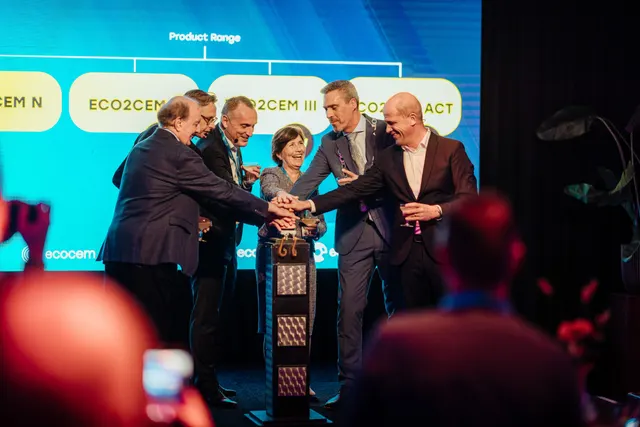
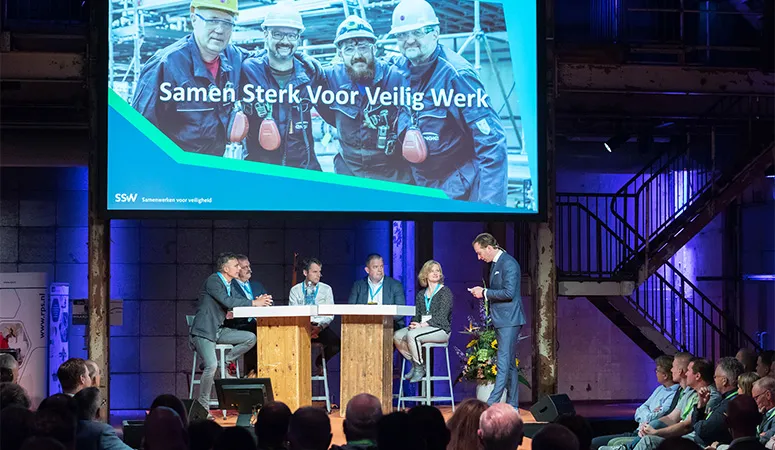
A look back at the Samen Sterk Voor Veilig Werk conference organised by the SSVV.

Kamphuis has been with the SSVV for around four years. When he joined, his main focus was on taking a fresh look at the organisation. “We felt it was time to take a good look at ourselves. Are we still relevant? Is VCA still relevant? Those questions were prompted mainly by the fact that our board, made up of clients and contractors, tended to come together primarily to represent their respective interests. In my view, there was too little focus on collaboration, even though it is clearly reflected in our organisation’s name. We held a number of sessions to establish who we should be and what we should do. These led to our vision, mission and strategy. We then surveyed around 400 stakeholders, including a number of concrete and steel construction companies. The findings showed that VCA and VCU are popular. They are seen as brands that enable companies to show their customers what they have in place for safe working, and to speak the same language.”
Together
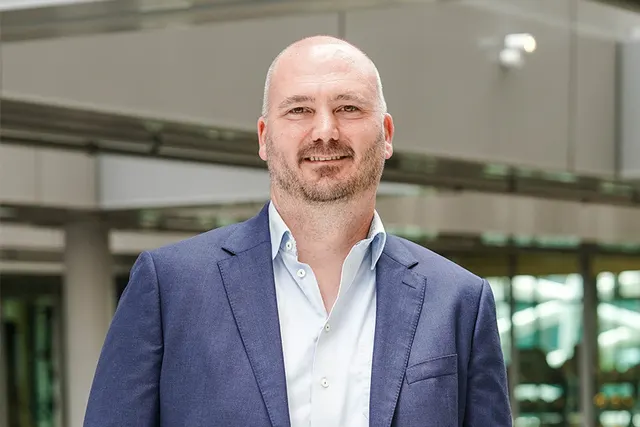
Managing director Anne Kamphuis.

However, some respondents were less positive about the SSVV itself. The organisation was described as cumbersome and slow, and many felt that the foundation lacked up-to-date knowledge of safe working practices. “These views made a breath of fresh air necessary,” says Kamphuis. “First, we updated VCA. That work was recently completed with the publication of the 2017 update. We have also launched an upgrade programme.” This research programme sees the SSVV working with its member sectors, and particularly the companies within them, to identify ways of improving safe working practices. This may lead to changes to the scheme. “Another recent change is the launch of a new website,” Kamphuis continues. “It is a tool that allows us, among other things, to present new toolbox talks and keep our members better informed about who we are, what we do and who we serve. In short, we are taking the necessary steps to develop the ‘S’ for Samenwerken, or collaboration. We do this both ‘internally’ with our participating sectors and ‘externally’, for example with other scheme managers. The recent establishment of the Vereniging van Schemabeheerders is a good example. The SSVV cannot do it alone. The sectors and certification bodies must also take the initiative and contribute to further professionalising the system. To that end, we provide an open platform and do everything we can to get market players moving and working together, with the ultimate aim of achieving the highest possible level of safety throughout the entire chain.”
Text | Chris Elbers Image | SSVV
Vraag over dit verhaal? Stel je vraag
Blijf dit volgen
Bij een nieuw verhaal krijg je een e-mail. Geen account nodig.
- ThemaVeilig werken
- OnderwerpGeneral