Ongoing attention to safety reduces risks. ‘Working safely pays off in every respect’
Tekst Ramona KezerFotografie BMWT
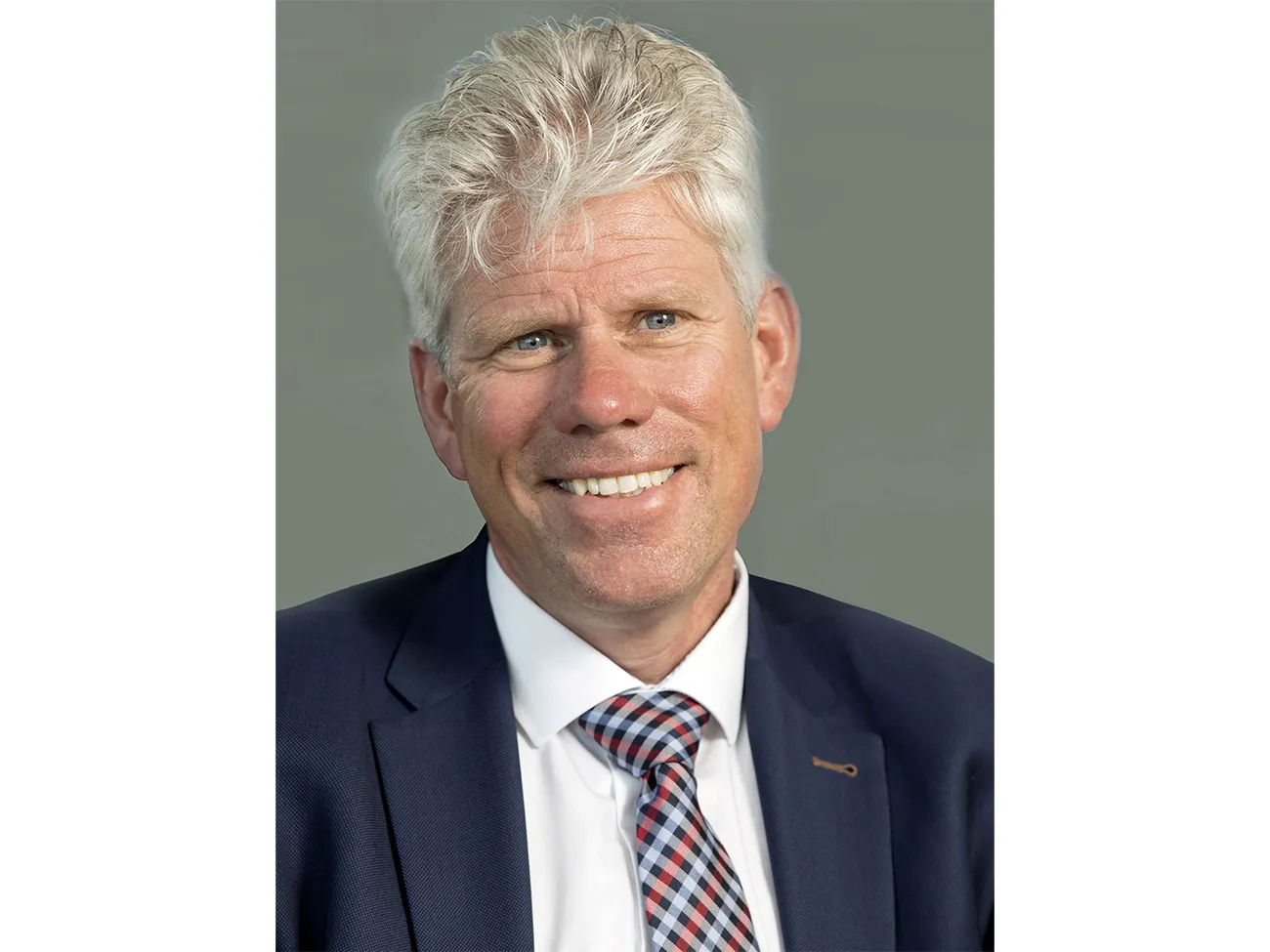
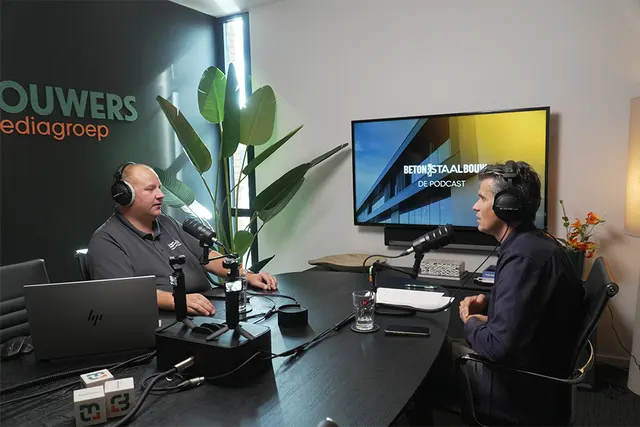
Safety remains an important issue, particularly in construction. “There are always risks associated with using equipment in construction. When people modify machines themselves, they become unsafe.” Jan Hommes, director of BMWT, the trade association for suppliers of construction machinery, warehouse equipment, road construction machinery and transport equipment, is speaking.
To be used in Europe, hazardous machines must meet a range of technical requirements. “In Dutch law, the European rules have been transposed into occupational health and safety regulations. Employers are required to provide safe machines. They must be able to demonstrate that periodic maintenance is carried out and have the machines inspected annually by a competent person,” says Hommes. It is up to the employer to appoint that competent person.
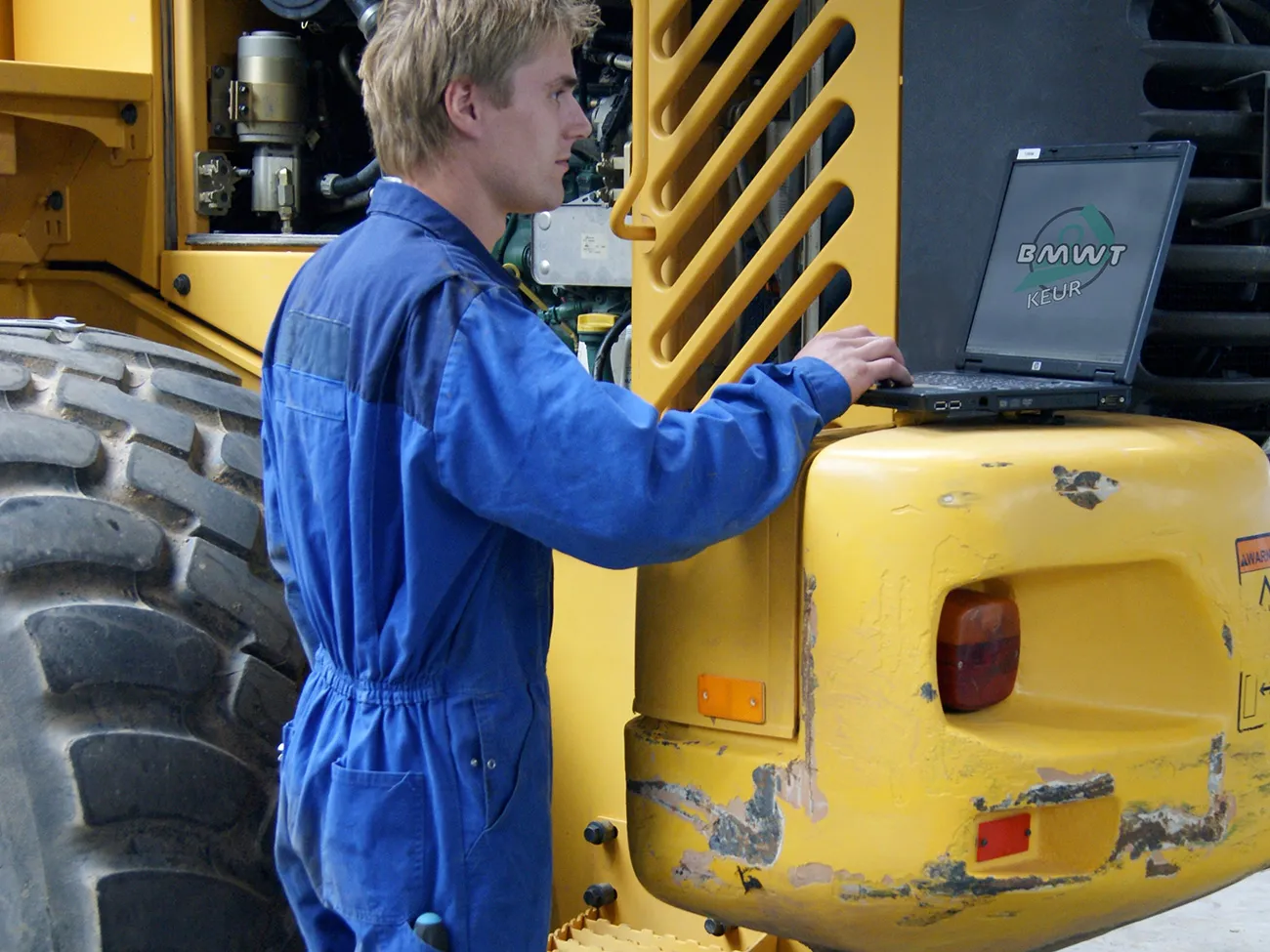
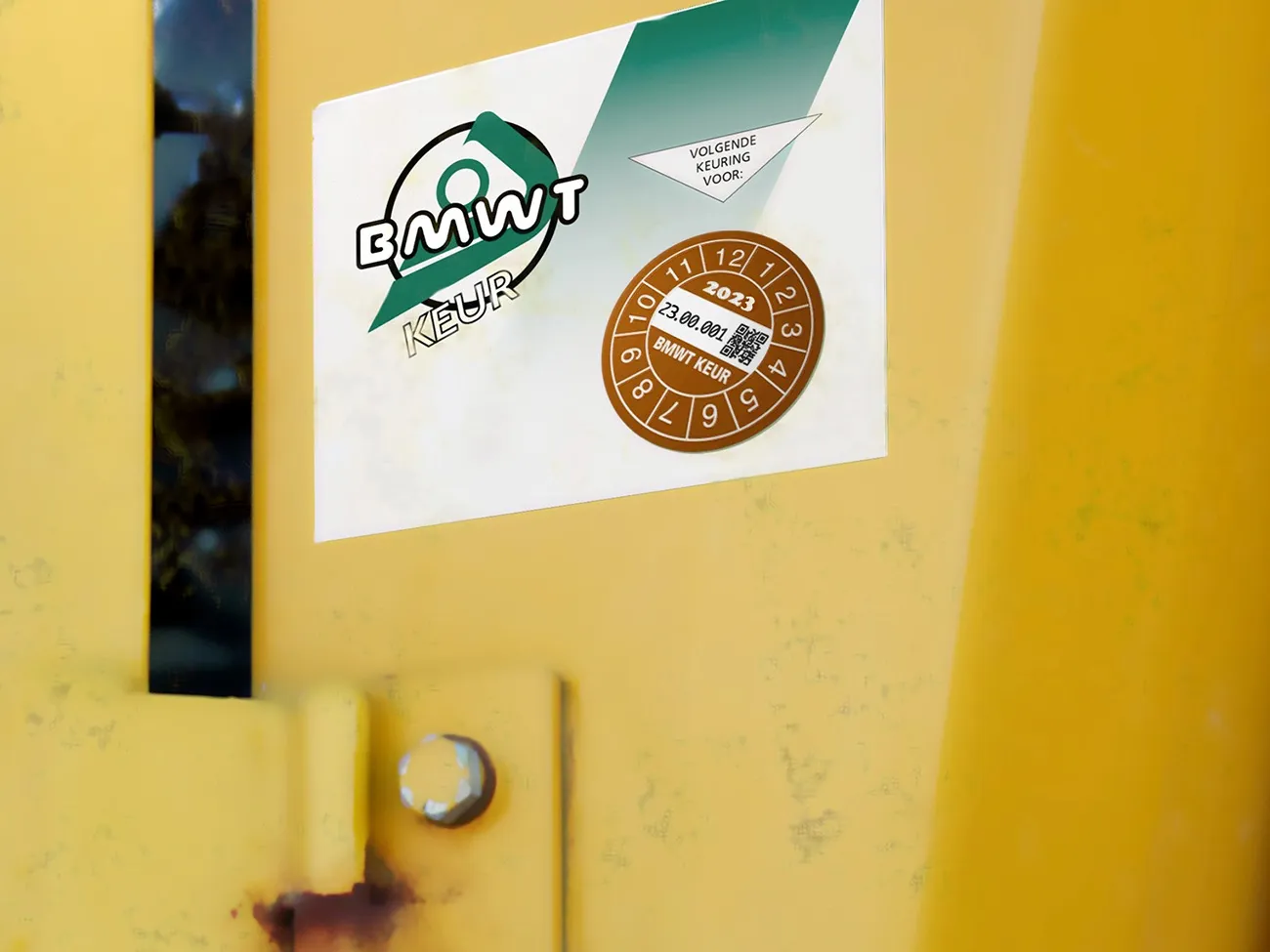
BMWT introduced the BMWT quality mark years ago. In this way, the organisation safeguards the quality of machines through certified inspectors and standard inspection checklists. “One important benefit for users is that the inspector is guaranteed to be competent. The Labour Inspectorate also has confidence in this system.”
Instructions and training
There is another important safety factor: the person operating the machine. “They must have received sufficient instruction to operate it safely. This too is the employer’s responsibility. Operators are subject to statutory requirements for certain tasks. But this is not the case for many machines, such as excavators,” says Hommes. In those cases, the employer could, for example, offer the employee operator training or a machine operator course. Hommes adds: “But it is important to keep giving this attention. Don’t think: this employee meets the requirements, so there is no need to check again. If an incident does occur, the Labour Inspectorate will assess whether the duty of care has been met. Was the machine inspected? Was the operator competent?”
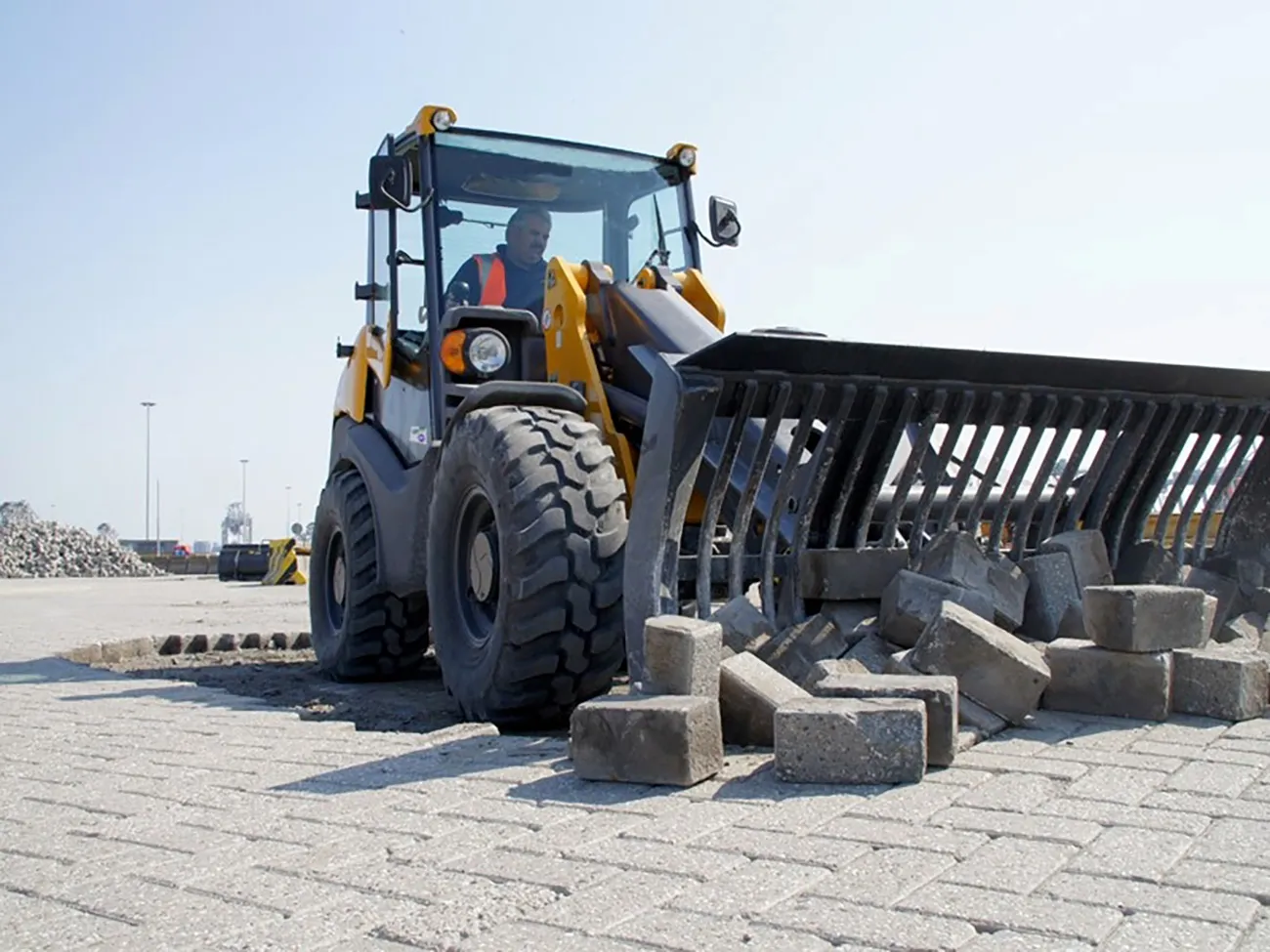
Incidents often arise due to unforeseen circumstances. By keeping safety on the agenda at meetings, refresher training and performance reviews, employers can demonstrate that they have met their duty of care. “This may seem complicated and tiresome, but experience shows that working more safely also boosts productivity. That brings huge gains. On top of that, work coming to a standstill after an incident can be very costly. So working safely pays off in every respect.”
Sustainability
The construction equipment sector also faces a major challenge in terms of sustainability. The aim is to work entirely emission-free by 2030. “But that is not so straightforward. The move to electric machines may seem to be happening quickly, but in practice it is still only taking place on a limited scale. It takes time, especially for larger machines. So we need to be realistic: there are also ways to reduce emissions from larger machines, for example by using newer, cleaner diesel machines. My appeal to the sector is to look at the practical options that are already available.”
Trying to change too quickly also brings risks. Hommes notes that companies are converting existing machines into electric ones themselves. “Is that machine still safe enough? What happens to the electric motor if the machine slides into a ditch? Don’t get me wrong: you are allowed to convert machines. But have it done by a company with the right expertise, and be aware that the converted machine must be certified again.”
Vraag over dit verhaal? Stel je vraag
Blijf dit volgen
Bij een nieuw verhaal krijg je een e-mail. Geen account nodig.
- ThemaVeilig werken
- OnderwerpGeneral