Excel spreadsheets for the rapid calculation of building structures
In 2012, the TBG standards for calculating building structures were harmonised across Europe and replaced by the Eurocodes. The Eurocodes are set to change again between 2019 and 2024. To take much of the work off structural engineers’ hands, Excel spreadsheets and software are available to calculate building structures quickly, clearly and easily.
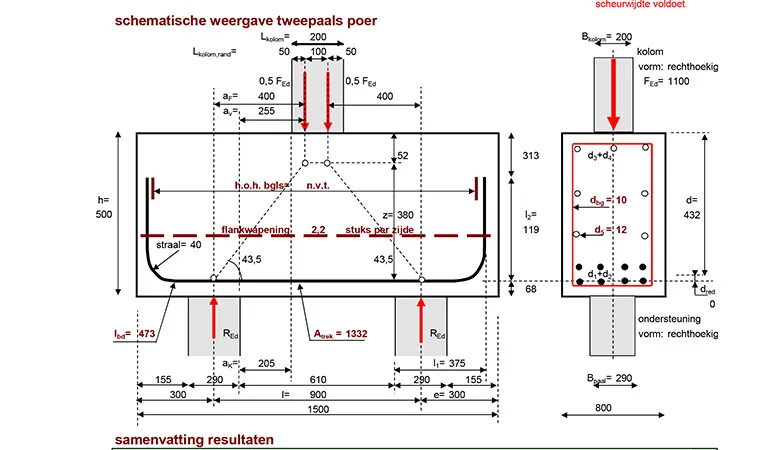
Qec (Quick Eurocode) is one of the few software companies in the Netherlands specialising in software for calculating individual components of building structures. Qec has now developed 175 Excel calculation models, with more in the pipeline, according to René Mom, one of the founders. “The Excel spreadsheet packages we produce are designed not only for calculations, but also for checking structures and determining the loads on them. They are usually used for load-bearing structures in concrete, steel, timber and masonry. This makes the process quick, easy and clear. Our spreadsheets are already being used by organisations including the City of Amsterdam, well-known large and small engineering consultancies, sole traders, steel suppliers and contractors.”
Eurocodes
The Dutch TGB standards NEN 6700 to NEN 6790 for calculating building structures were replaced in 2012 by calculation rules applicable across Europe: the Eurocodes. Ten years ago, before this happened, René Mom and two former colleagues (van Swaay and Wouters) set up Qec. However, the Eurocodes are set to change again between 2019 and 2023, creating a lot of extra work for structural engineers. Qec’s products can help with this. They are all calculation spreadsheets for building components. These include calculations relating to loads on a structure, such as wind and snow, materials including concrete, steel, timber and masonry, and geotechnical engineering. “Taking these calculations off structural engineers’ hands saves them a lot of work,” says Mom. “The formats can only be partly completed by the structural engineer. The underlying formulas may only be modified by Qec. Because the calculations are not a black box, any errors can be traced immediately and action taken straight away. But the calculations are checked so often that errors are unlikely to occur.”
Words | Irene Teunissen Image | Qec
Vraag over dit verhaal? Stel je vraag
Blijf dit volgen
Bij een nieuw verhaal krijg je een e-mail. Geen account nodig.
- ThemaNormen, testen en aansprakelijkheid
- OnderwerpSoftware & automation