Hakkers and Paebbl unveil world first: CO2 storage in port infrastructure in the Port of Rotterdam
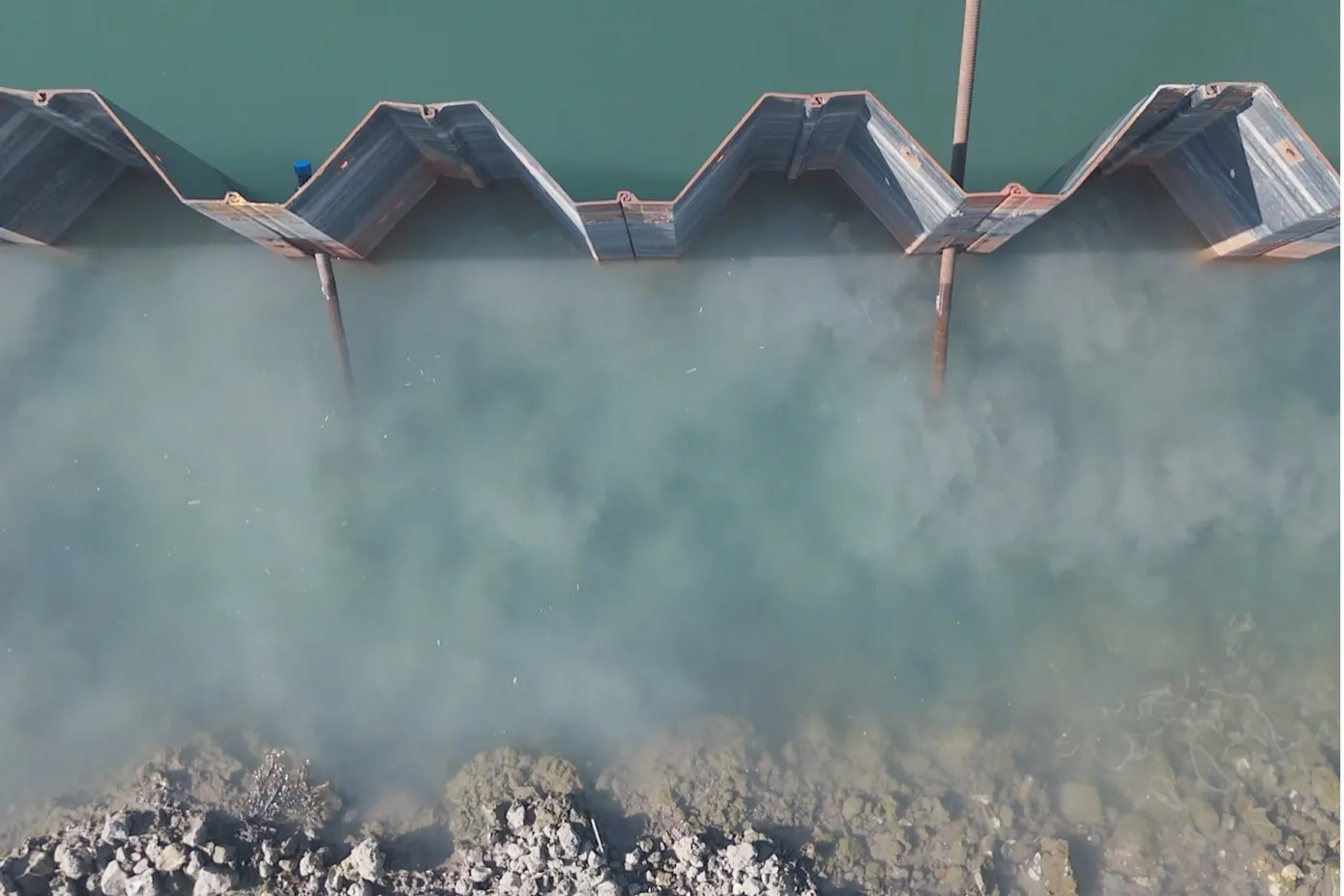
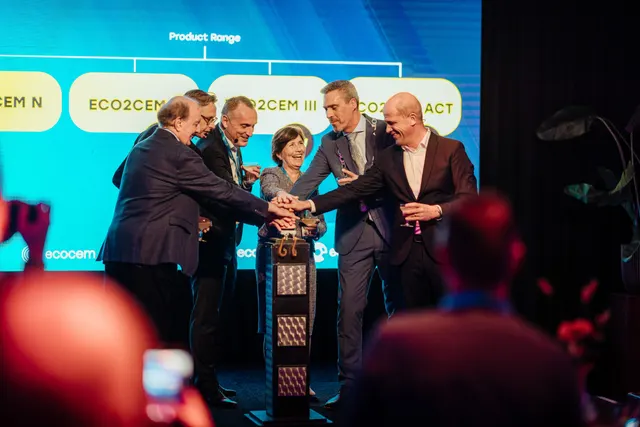
Hakkers, a leading Dutch construction and engineering company, and Paebbl, the technology company that turns captured CO₂ into construction materials that permanently bind carbon, have launched their first joint project in the Port of Rotterdam. By replacing some of the traditional cement in the anchoring mix with Paebbl’s material, the two companies are laying the foundations for a new standard in climate-friendly infrastructure.
Hakkers uses around 5,000 tonnes of cement each year for anchoring in various civil engineering projects, accounting for around one fifth of the Dutch market. In this application, 15% of the traditional cement was replaced with Paebbl’s carbon-binding material, resulting in lower emissions than with standard mixes. At this replacement rate, a total of 110 kg of CO₂ is stored per tonne of material, amounting to a total saving of 500 kg of CO₂ in this project.
In addition, fully electric drilling equipment was used during the work, avoiding direct emissions and keeping air pollution to a minimum (see also: https://hakkers.com/en/hakkers-commits-to-clean-emission-free-construction/).
“We are constantly looking for innovative ways to reduce our CO₂ footprint on an industrial scale. Traditional anchoring systems rely heavily on cement, which generates significant CO₂ emissions. Working with Paebbl allows us to explore a more sustainable approach without compromising on the scale, reliability or performance our clients expect,” says Jeroen Kuup, Commercial Manager at Hakkers Funderingstechniek.
According to industry research, cement is responsible for around 8% of global CO₂ emissions, a clear sign that innovation in the construction sector is urgently needed. Paebbl’s innovative material offers two benefits in the fight against climate change. First, it permanently stores CO₂: up to 300 kg of CO₂ per 1,000 kg of material produced. Second, when used as a partial or full replacement for cement, it significantly reduces the so-called ‘embodied carbon’ in construction projects, with reductions of up to 30% possible.
By accelerating natural mineralisation processes by a factor of one million, Paebbl binds CO₂ in a stable mineral form rather than emitting it. This approach enables construction projects to lock carbon into building materials, turning the built environment from a major emitter into a potential CO₂ storage site. These innovative materials mark a crucial step towards climate-neutral buildings and a more sustainable future for the construction sector.
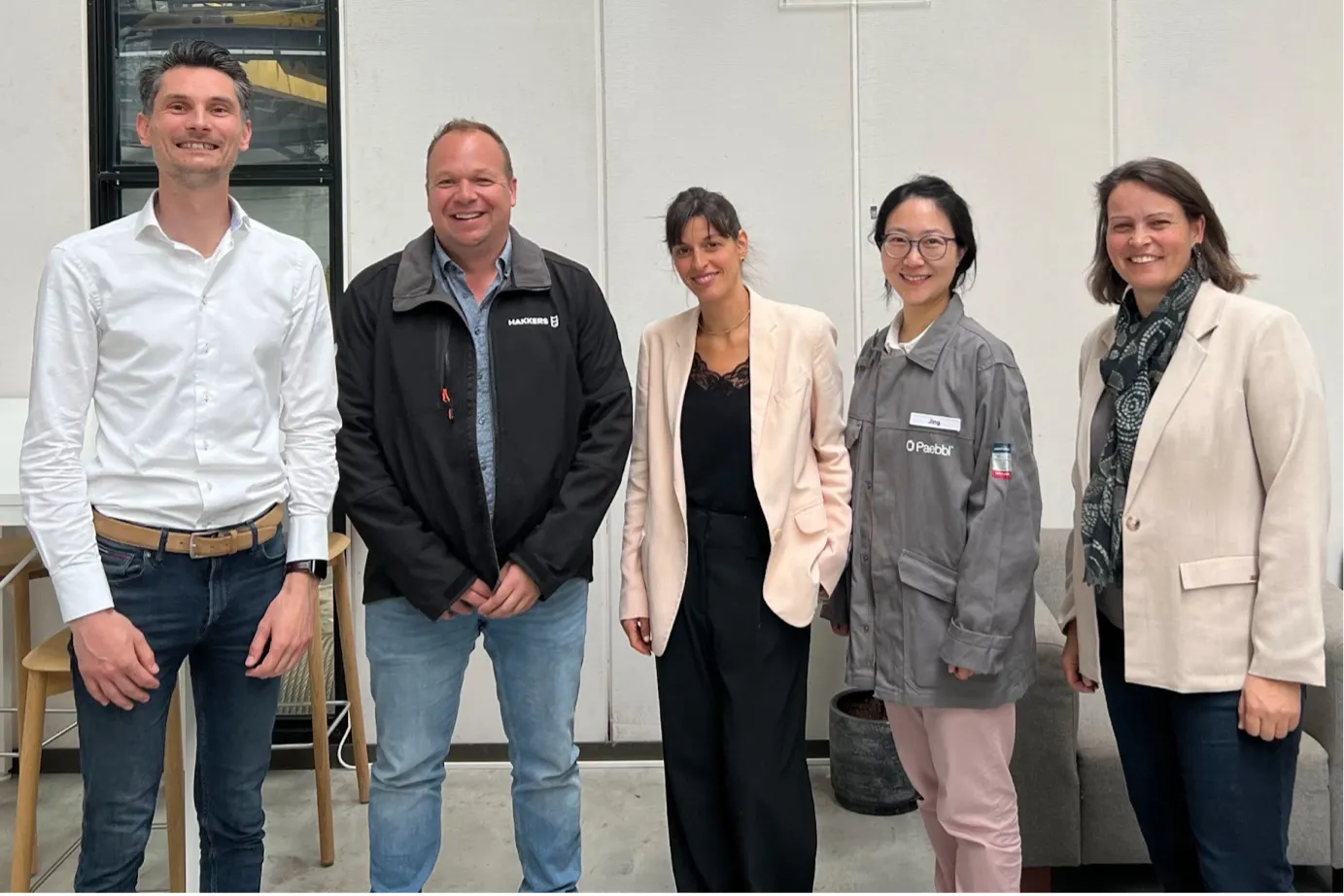
“It’s fantastic to see our carbon-binding technology being applied in practice. Working with an experienced contractor like Hakkers, and using it in critical infrastructure in the Port of Rotterdam, shows that our solutions are ready for large-scale applications. We look forward to expanding this collaboration and exploring new applications,” says Ana Luisa Vaz, VP Products at Paebbl.
Vraag over dit verhaal? Stel je vraag
Blijf dit volgen
Bij een nieuw verhaal krijg je een e-mail. Geen account nodig.
- ThemaMinder CO2 in beton en staal
- OnderwerpGeneral