ISO 45001 replaces the former OHSAS 18001
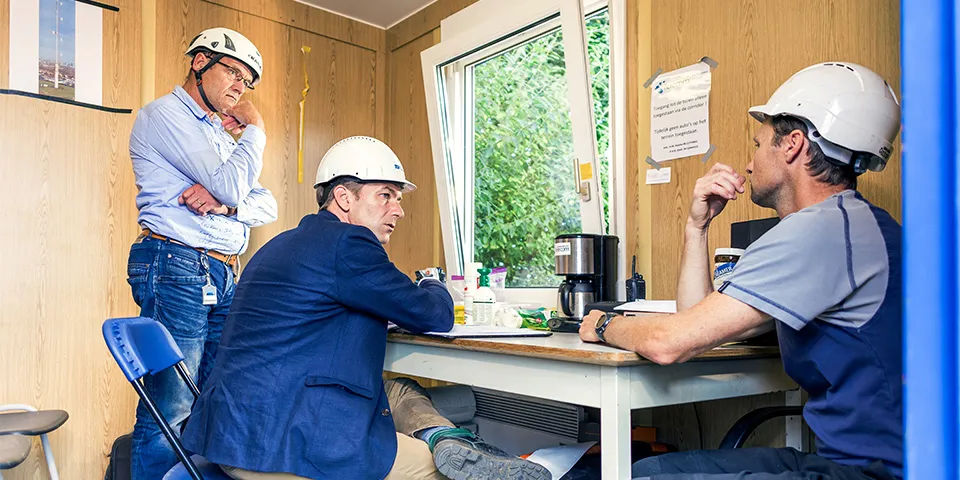
The health and safety of employees is an issue for every business, large or small. After all, employees expect a safe and healthy working environment, which also helps them perform better. Customers also expect businesses to make efforts in this area. The new ISO 45001 standard replaces the former OHSAS 18001 standard for occupational health and safety management. Businesses that work to this standard show that they systematically address their employees’ working conditions, health and safety.
Health and safety at work
There was strong demand for a standard for occupational health and safety management systems, so OHSAS 18001 was developed in 1999 as a standard for health and safety at work. “This standard now forms the basis for the new ISO 45001 standard, officially titled ‘Occupational health and safety management systems: Requirements with guidance for use’, in which the Dutch term ‘Arbo’ is replaced by G&VW. The new ISO 45001 standard replaces OHSAS 18001 and gives businesses certified to the latter until March 2021 to transition to the new standard,” explains Alex de Wals, Manager Sales & Business Development at TÜV Nederland. “The focus is on the preventive protection of workers and greater involvement from the management team. It can easily be integrated into existing management systems and applied by businesses of any size.”
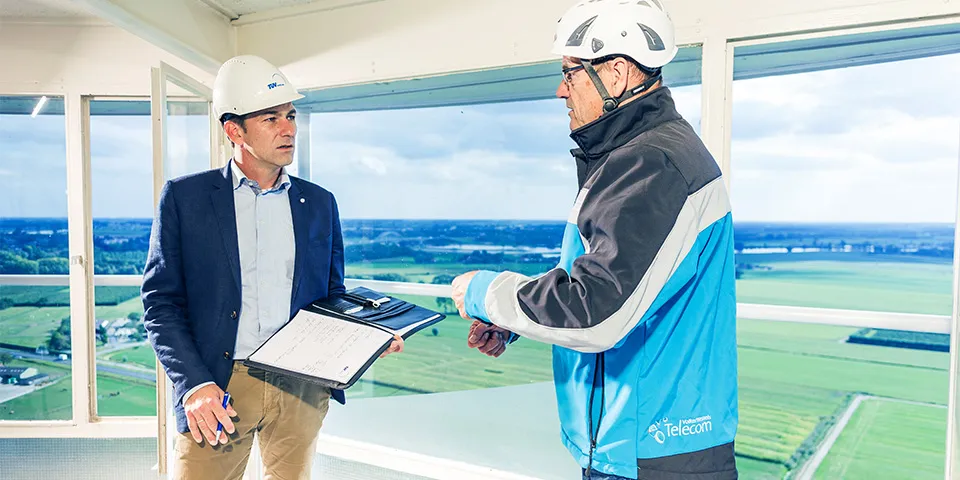
TÜV Nederland assesses and certifies businesses against the new standard and can train organisations certified to OHSAS 18001 to update their own systems to meet the new requirements of ISO 45001.
Benefits for both employees and employers
Employee health and safety are influenced, among other things, by physical workload, physical working conditions, psychosocial workload and machinery safety. An occupational health and safety management system identifies and evaluates hazards and risks so that they can then be addressed. ISO 45001 also sets requirements for the performance of the management system. “The benefits of this standard are considerable. A systematic approach to safety and health effectively drives improvement at every level. Good working conditions lead to motivated employees and less sickness absence, with positive financial effects as a result. They also help build a good reputation with customers and clients,” says De Wals. “Thanks to the High Level Structure (HLS), with its uniform structure, definitions and terminology, this standard can easily be integrated into other management systems, such as ISO 9001 and ISO 14001. It also takes account of people who are not directly employed, such as subcontractors and suppliers. In addition, it requires greater involvement from the highest level of management. After all, this is about more than simply making sure a desk is at the right height for people to work effectively.”
Tailored to every business
Employee health and safety matter to every business, and a management system is tailored to the organisation. In smaller organisations with a limited number of hazards and risks, the system will be simpler, while implementation in larger businesses with more risks will be considerably more complex. “We have extensive experience in management systems and the protection of health and safety at work,” concludes Alex de Wals. “We assess and certify businesses against the new standard and can train organisations certified to OHSAS 18001 to update their own systems to meet the new requirements of ISO 45001.”
Vraag over dit verhaal? Stel je vraag
Blijf dit volgen
Bij een nieuw verhaal krijg je een e-mail. Geen account nodig.
- ThemaVeilig werken
- OnderwerpGeneral