Greater focus on the risk of building damage
Tekst Ramona KezerFotografie SGS INTRON
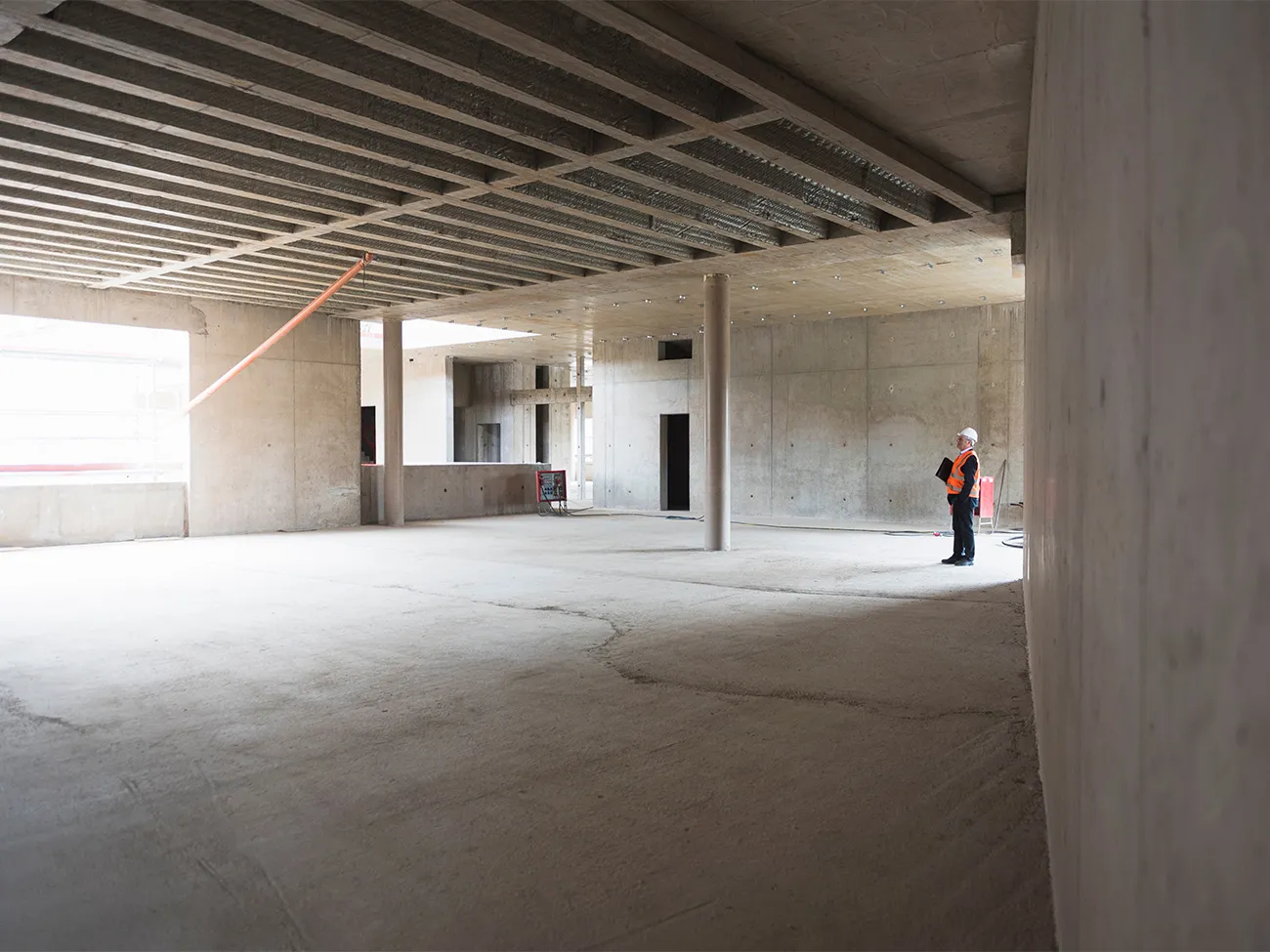
SGS INTRON is part of SGS, a global leader in inspection, verification, testing and certification. The company is involved in materials testing, advice on building materials and construction processes, and innovation in these fields. It also investigates building damage. “Building damage rarely has a single cause; it is often the result of a combination of factors.”
Mandatory periodic inspections for CC3 buildings?
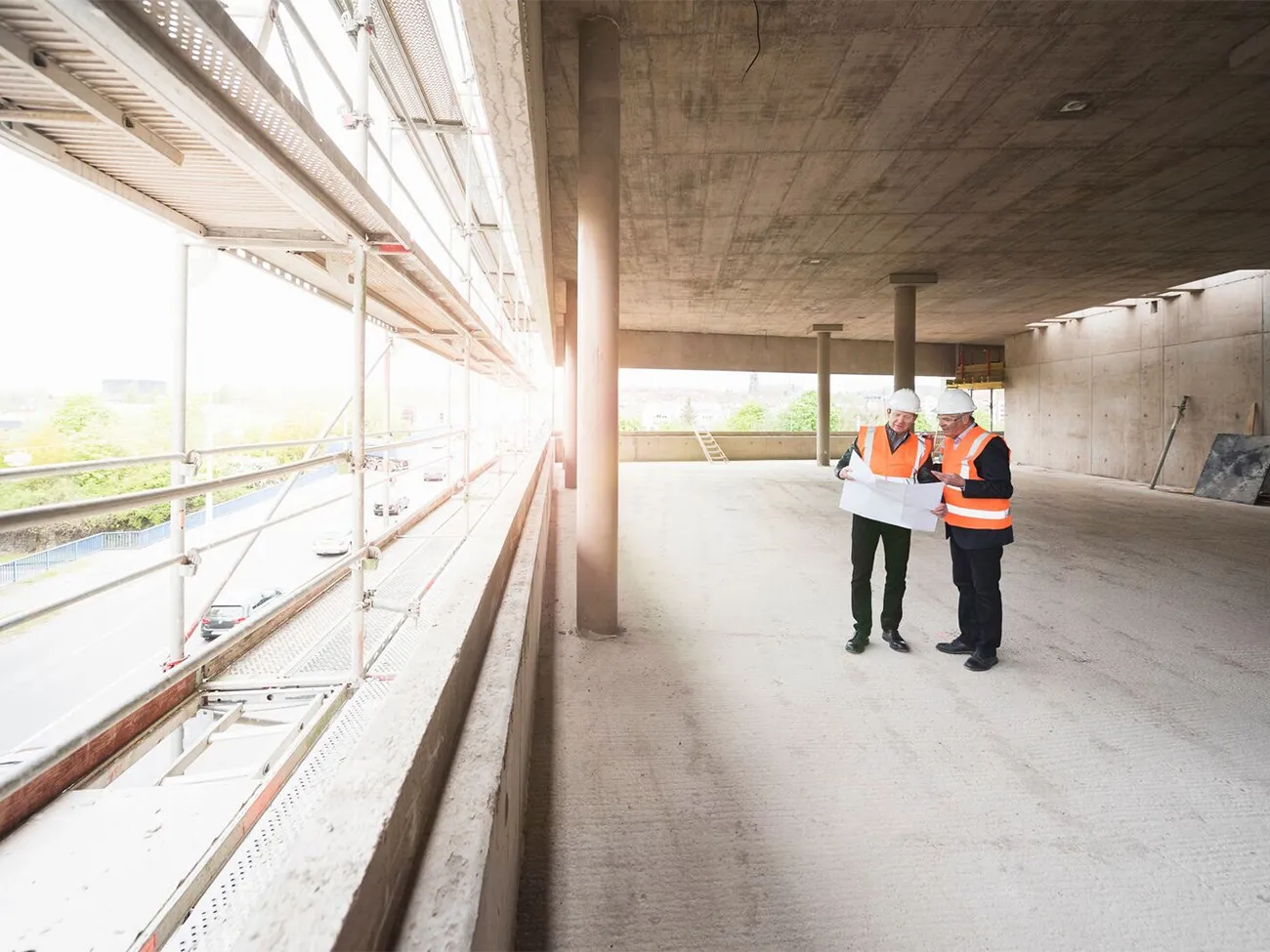
Ron Leppers, Managing Director of SGS INTRON: “When buildings are damaged, we carry out technical investigations as an independent party.” SGS INTRON has investigated damage at a number of well-known properties, including the balconies at Patio Sevilla in Maastricht (2003), the car park beneath Bos en Lommerplein (2006), the access galleries of Antillenflat in Leeuwarden (2011), the car park under construction at Eindhoven Airport (2017) and the roof of the AZ stadium (2019).
Deviations from the design
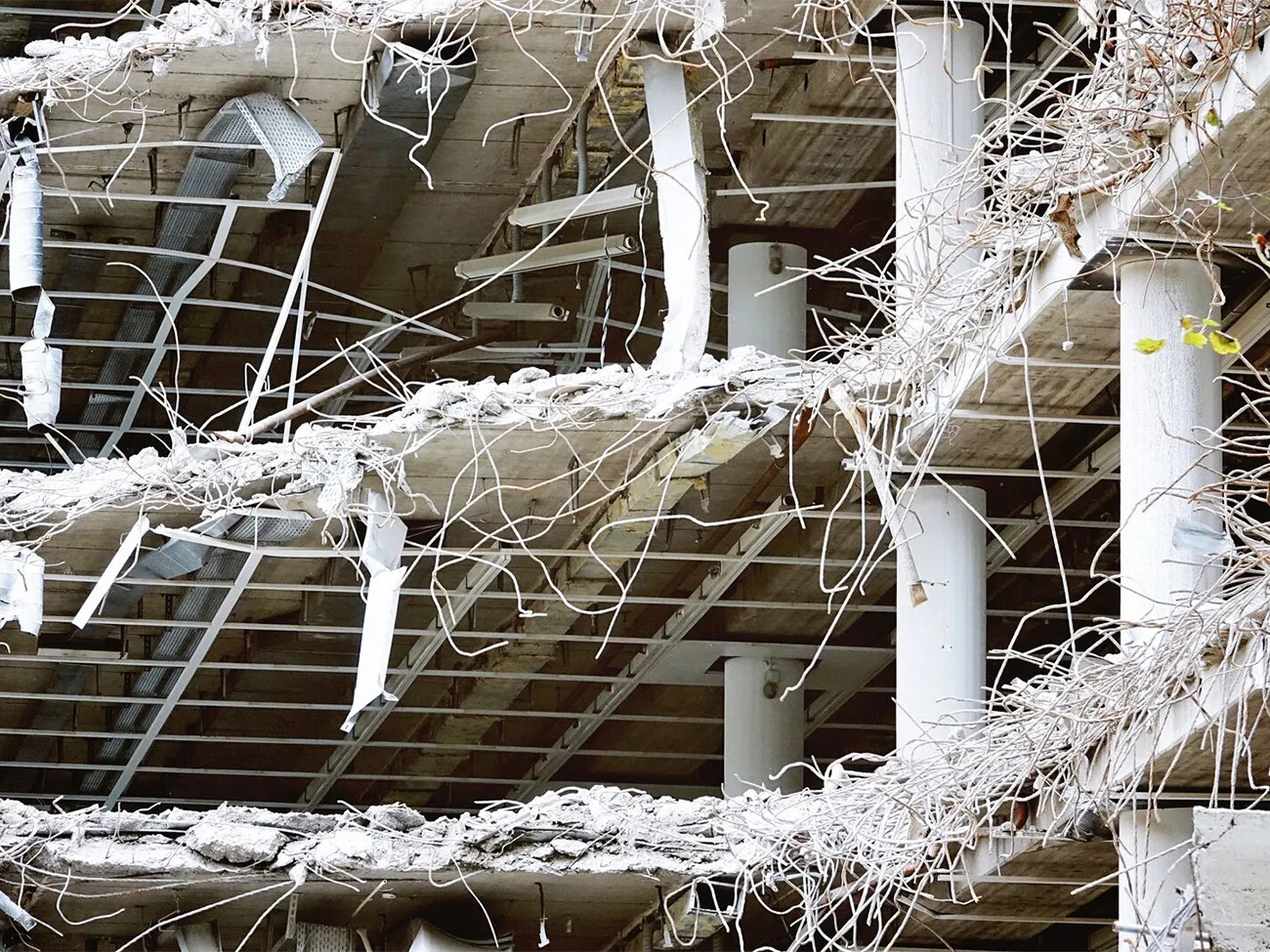
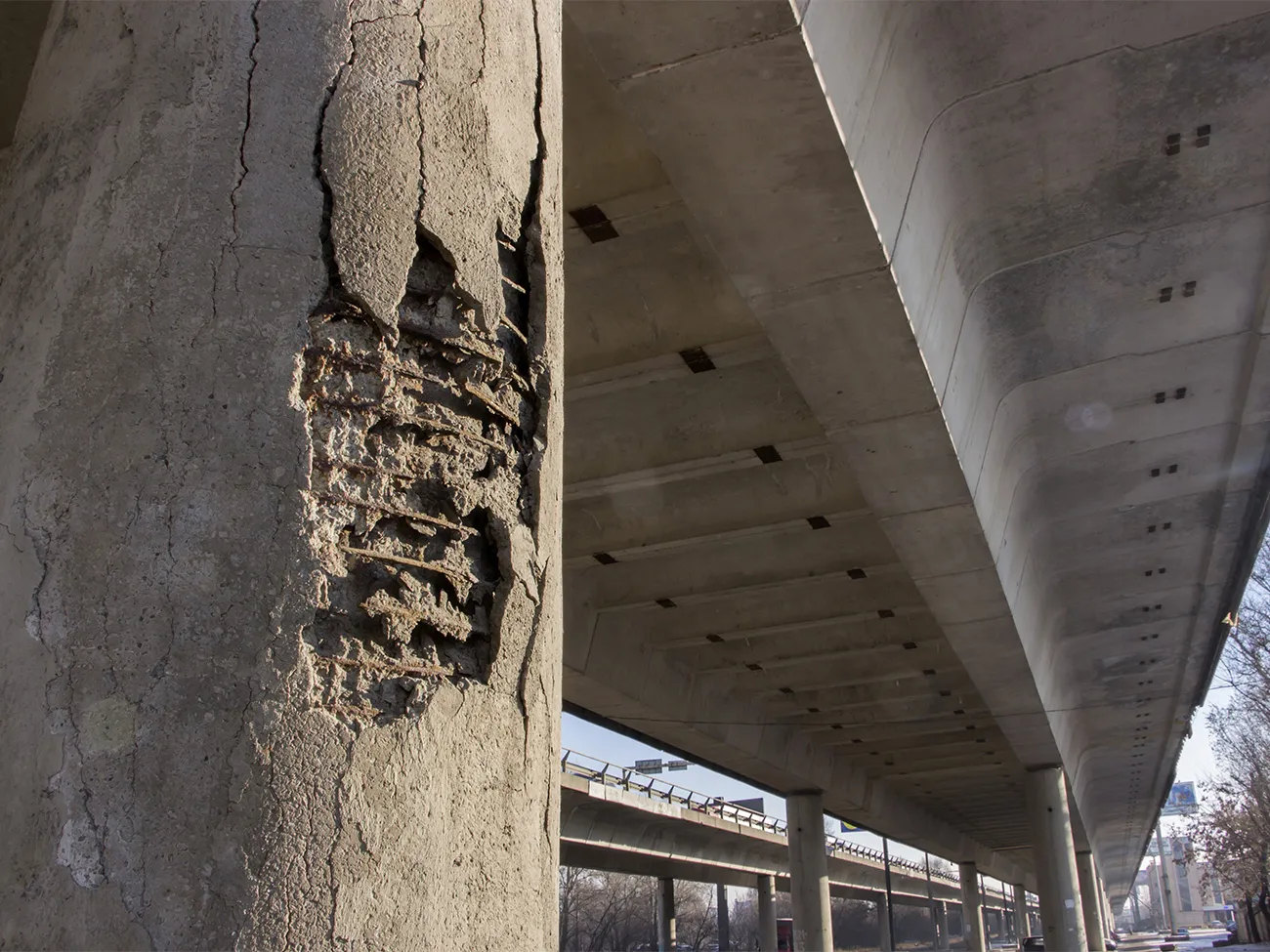
The purpose of a damage investigation is, among other things, to establish the cause so that a recurrence can be prevented or to help determine liability. Leppers: “For example, we assess the amount of reinforcing steel in the concrete and whether there is any reinforcement corrosion. Or the quality of the welding or coating. But the cause is never just one thing; it is always a combination of factors. And we often find that the damage can be traced back to changes made to the original design.”
Warning signs
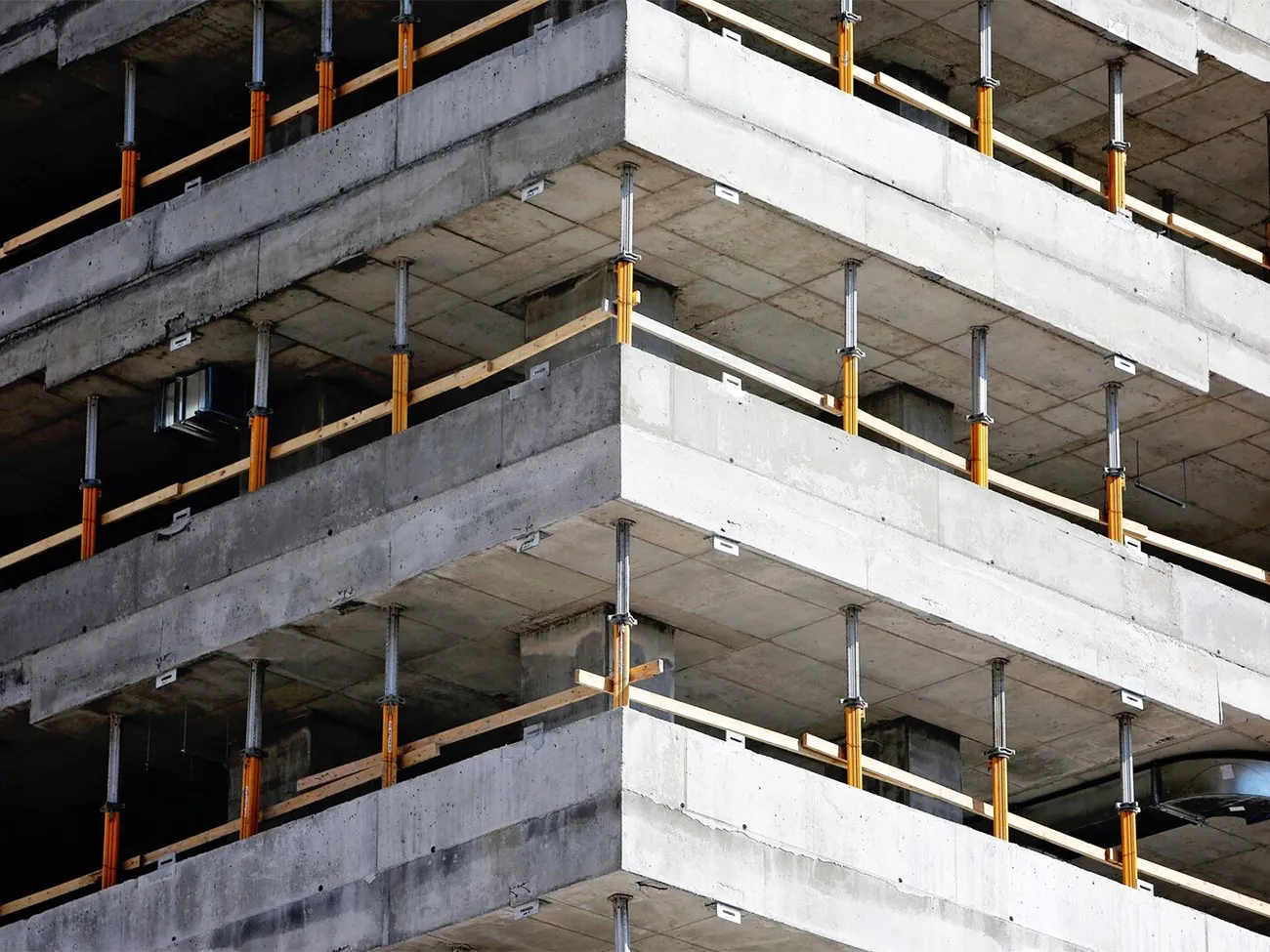
“We encounter building damage where the deviations are so significant that you can tell at an early stage that problems are likely. Sometimes we also hear after the event that there were warning signs during construction, such as water pooling on floor slabs or cracking. But that does not always prompt people to raise the alarm early.”
Periodic inspections
For new-build projects, the Quality Assurance (Building Sector) Act is expected to come into force on 1 July 2022. The Act provides for checks to ensure that new buildings are actually constructed in accordance with the design. There is no quality assurance system for existing buildings yet, and SGS is joining forces with other parties to advocate periodic inspections of CC3 buildings, among others. “We know too little about many existing buildings. Owners are responsible for maintenance and checking for damage. But we cannot expect them to be experts in every case. That is why I support legislation, such as the rules that already apply to swimming pools and access galleries. Mandatory inspections really do lead to improvements.”
A wide range of techniques
What should such an assurance system for existing buildings look like? Leppers: “A baseline survey would allow you to agree which elements should be inspected and how often. In other words, a risk-based approach. My message is this: a wide range of techniques is available for inspecting buildings. Use them. That way, you know exactly what the actual condition is, can prevent damage and ensure safety. Companies often do not have all the necessary expertise in-house. So bring in external specialists when needed. We do the same, for example, by engaging structural engineers to check the calculations for a structure.”
Vraag over dit verhaal? Stel je vraag
Blijf dit volgen
Bij een nieuw verhaal krijg je een e-mail. Geen account nodig.
- ThemaNormen, testen en aansprakelijkheid
- OnderwerpGeneral