You can only make progress together
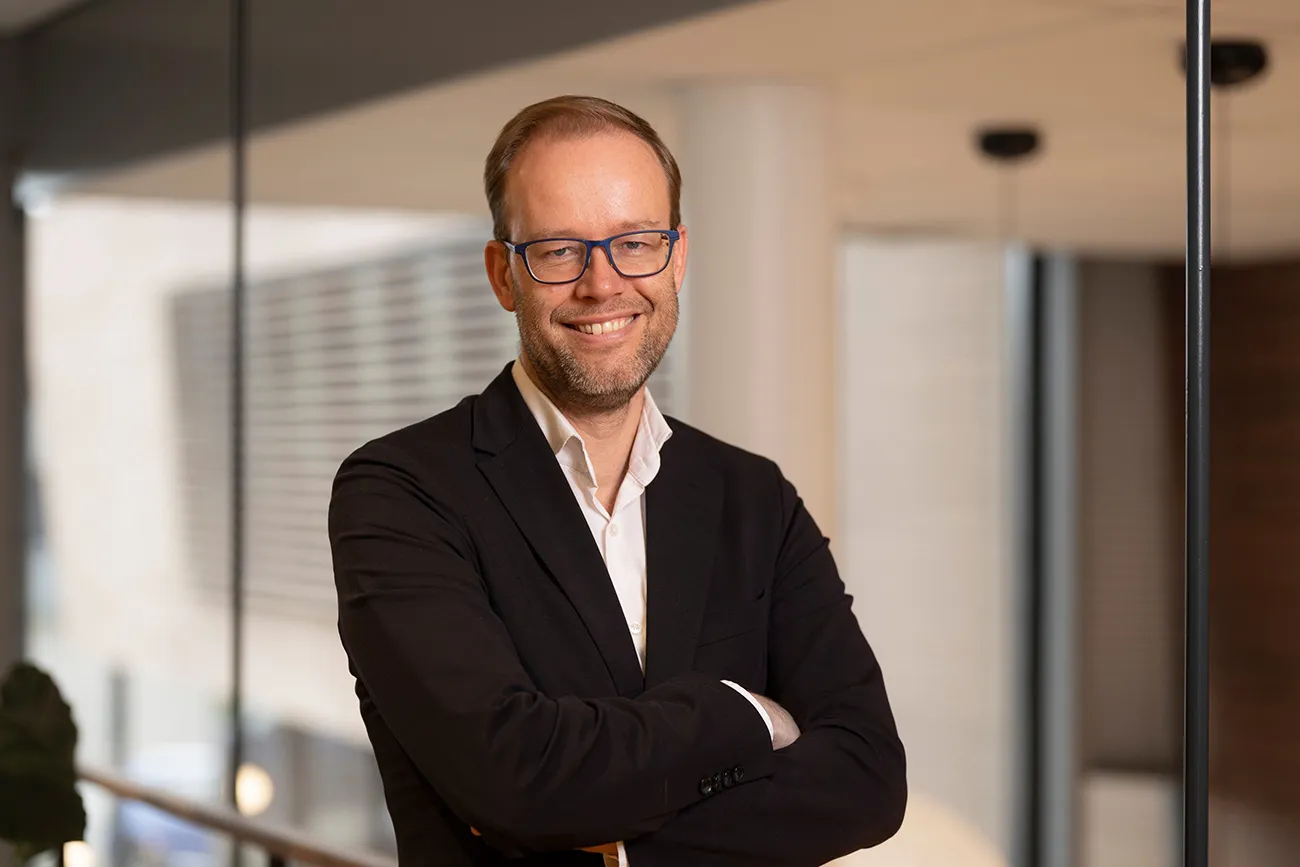
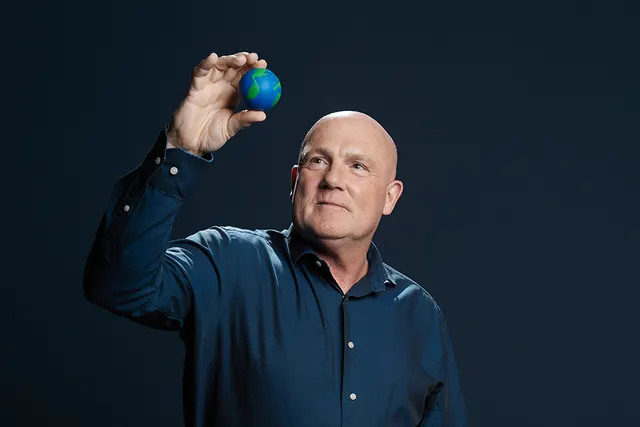
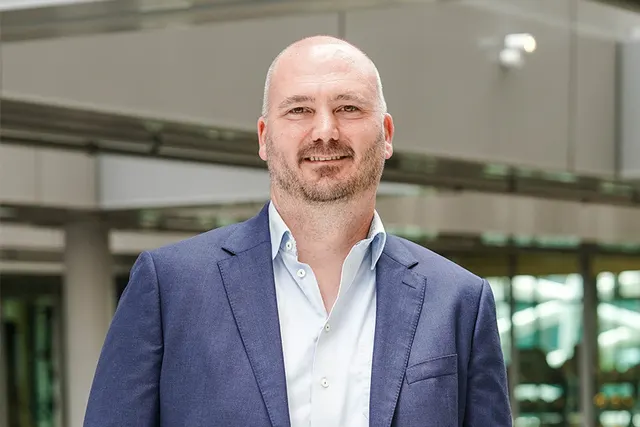
Sander Verschoor: Development Manager at Bot Bouw B.V. in Heerhugowaard
We have been facing a major challenge in housing construction for years. First-time buyers are desperately looking for an affordable home, young families would like to move to a larger home, and many older people would really like to move out of their oversized homes. Our latest project, with 42 houses, attracted around 1,000 visitors to the sales event. After two weeks, there had been 450 registrations. The homes sold quickly. A great result, of course, but the fact that 90% of those interested will not get that long-awaited phone call leaves a bitter aftertaste.
The ambitions set out in the Housing Deal raise complex questions. Where are we going to build? Who are we going to build for? Which materials are best for construction? Will we get an electricity connection in time? And, last but not least, how can we incorporate all the measures in the climate agreement while keeping everything affordable? These are major challenges, in a cyclical environment where innovation is essential.
We have no choice but to join forces. Architects, builders, housing associations, developers, estate agents, suppliers, municipalities and provinces: sit down together and discuss each other’s challenges. Explore where you can speed things up and where you can help or strengthen one another. Acceleration task forces have now been set up in many regions. In North Holland, too, we are seeing many parties working closely together. There is NH Bouwstroom, Woningmakers in West Friesland and Woongangmakers in the Alkmaar region. All the parties meet regularly to discuss the challenges and look for solutions. And it is working! For example, municipalities have started standardising the anterior agreement, a request put forward by developers. A monitoring system has also been set up, covering all projects. It provides valuable, and sometimes stark, insights into the projects in a region. What is the housing programme? When is completion expected, and what potential obstacles are there? Regularly updating this overview then gives a clear picture of a project’s progress. Taken together, all the projects also provide a clear picture of the region’s overall housing challenge. If an obstacle arises, the acceleration task forces can help.
The current situation also means that, given their limited administrative capacity, municipalities need to organise their processes as efficiently as possible. Larger market players and housing associations, for example, can take a lot of work off the municipality’s hands. So my advice is: as a municipality, appoint project managers with full authority to force decisions internally if necessary, and thereby keep a project moving on schedule. This way of working may represent a cultural shift for some municipalities, but it makes a world of difference. At the same time, a municipality can expect a developer’s proposed new project to comply with municipal policy. And if you are bringing forward an initiative, be transparent. For example, make clear when you will have electricity connections. If those connections are still six years away, it may be better to put that project on hold for two years. That leaves capacity available for projects that can move towards a permit application within the foreseeable future.
In our region, we see that these kinds of discussions make a difference. Everyone is aware of the enormous challenge we face. We strengthen one another, and trust is growing because we are all in the same boat. It is precisely through this collaboration between all parties that we have the best chance of success. We can count ourselves fortunate in North Holland to have an engaged provincial executive, committed market players and municipalities all taking on this challenge together. Together, we can make progress!
Vraag over dit verhaal? Stel je vraag
Blijf dit volgen
Bij een nieuw verhaal krijg je een e-mail. Geen account nodig.
- OnderwerpGeneral