The Safety Culture Ladder raises safety awareness
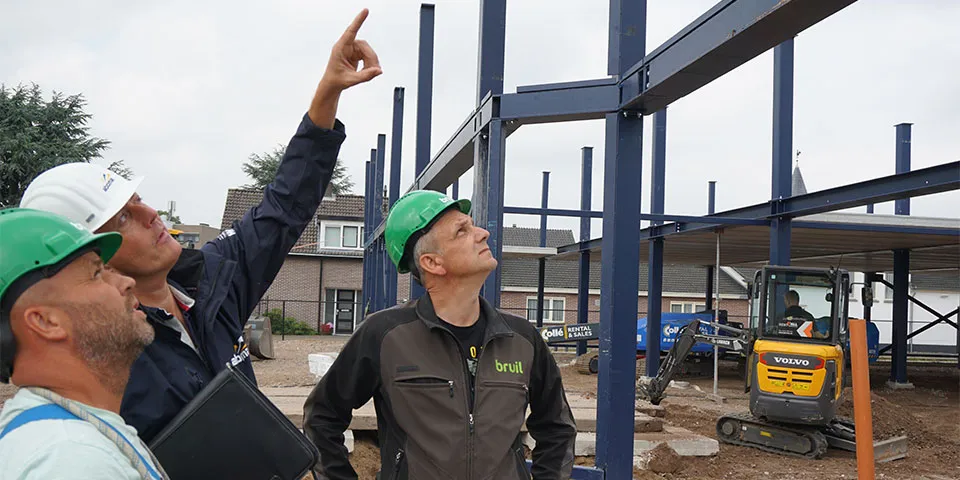
What if everything is in order at your construction company? The equipment is safe and inspected, everything is in the right place and procedures are sound, but the number of accidents still is not falling?
Text | Liliane Verwoolde Image | Aboma
Every year, 18 to 20 people are killed in the Dutch construction industry. ‘Far too many,’ says the entire sector, which is deploying increasingly sophisticated machinery and scrutinising procedures ever more carefully in an effort to reduce the number of casualties. Yet the figure remains unchanged. Only a change in behaviour can make a difference, representatives of Aboma know.
Cultural differences
The move towards safer behaviour is made considerably more difficult by the structure of the construction industry. Pieter Visser, general manager of Advisory Services at Aboma, explains: “Each construction site is staffed by new parties, all bringing their own culture with them. In the best-case scenario, every party is committed to safe working, but even then, safety is not underpinned by a shared set of norms and values. There is also no common approach to learning from incidents. We could take a lesson from the aviation industry, which analyses incidents in minute detail and then communicates the causes across the entire sector and makes changes accordingly. In construction, unsafe situations are too often addressed only within the organisation concerned.”
SCL advice
The Safety Culture Ladder is a certification scheme that focuses specifically on the behaviour of construction workers. The SCL certificate is not a legal requirement, but GCVB has made it a mandatory module for its core group members and signatories. Aboma supports them in two ways as they work towards certification. Its Advisory Services department assesses the existing safety culture and provides training such as ‘SCL: implementation in practice’ for HSE coordinators and company directors, monthly webinars, and tailored training on safe behaviour and speaking up about behaviour.
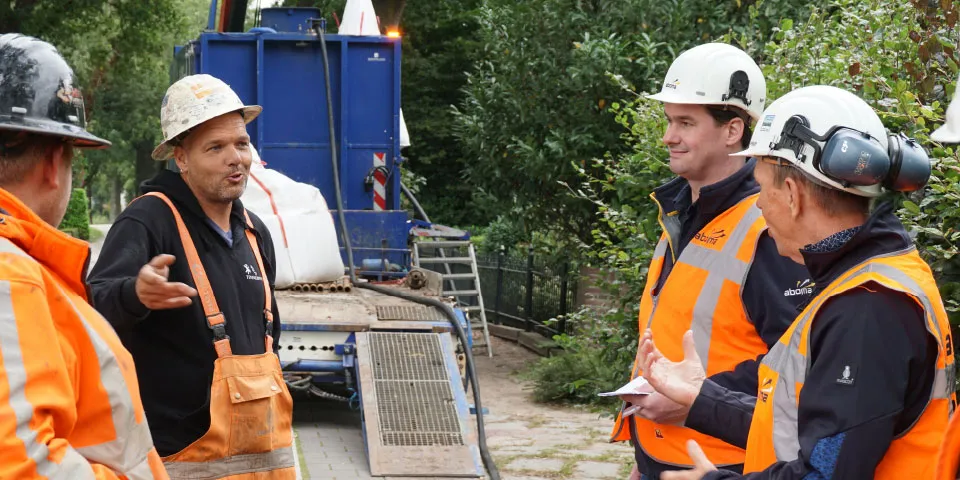
‘It’s not a done deal yet’
SCL certification
To prepare for the SCL certificate, companies must first complete a self-assessment. This self-assessment forms the basis for the certification audit, during which auditors from Aboma Certificering investigate whether the picture it has produced is realistic. To do this, a company representative visits projects with the auditors, an observer and an interviewer, to assess them with an expert eye. The auditors compare the responses with the SCL, after which the GCVB-ViA matrix indicates which SCL level the company meets.
Cautious shifts
“We are now seeing the first cautious shifts,” says Wouter Riel, Certification Manager at Aboma Certificering. “National contractors are increasingly willing to look beyond their own company. This is a major gain, because they bring the subcontractors on site into their commitment too. We are also seeing major clients, such as RWS, ProRail and provincial authorities, take responsibility for safety on construction sites. They make the SCL certificate a condition of taking part in tenders. Some organisations, such as ProRail, also require themselves to obtain certification. It’s not a done deal yet, but awareness is growing.”
Vraag over dit verhaal? Stel je vraag
Blijf dit volgen
Bij een nieuw verhaal krijg je een e-mail. Geen account nodig.
- ThemaVeilig werken
- OnderwerpGeneral