The major differences in steel
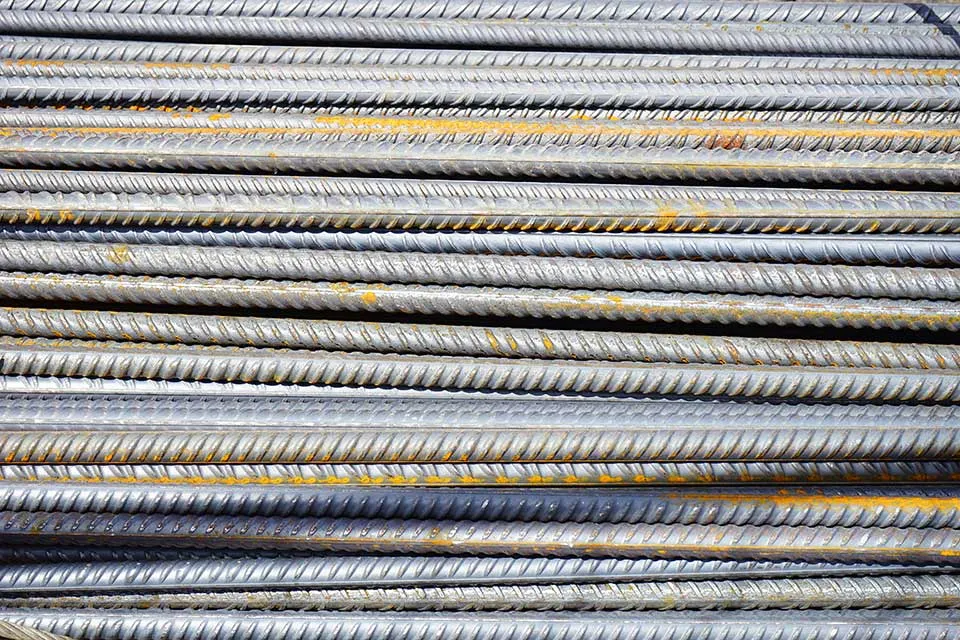
Steel is an indispensable material in construction. When you think of steel, you think of beams, foundations, pipes and box sections. Steel comes in angle, flat and various other sections.
Iron and carbon
Steel is an alloy of iron and carbon. Its carbon content largely determines its application. A low carbon content makes steel stronger and more flexible. Cast iron, for example, has a high carbon content. This is therefore an important factor when buying steel. There are many types of steel, each with its own specific properties. Nickel, chromium or manganese is often added to improve performance. Steel is divided into structural, free-machining and tool steel.
Three types of steel
Structural steel is the most widely used type and has a low carbon content. It is used for bridges, cars and buildings. Machine steel has a higher carbon content and includes a small amount of alloying elements. Tool steel has a high alloy content and is mainly used to make tools. This steel is also known as high-speed steel or HSS.
Alloys
Steel is not used in its pure form. Metals almost always contain alloys. Alloys provide the specific properties required for a particular application. Ferrous metals are all alloys based on iron. Non-ferrous metals contain no iron. Examples of ferrous metals include steel, stainless steel, cobalt and nickel. Non-ferrous metals include aluminium, zinc, copper, brass and gold.
Industrial trend
The industrial interior design trend has brought more and more steel into our homes. Steel window frames, doors and staircases are making a comeback, while steel cabinets, table bases and lamps are becoming popular in furniture. Sturdy furniture once used in industry, schools and logistics is now being used in homes. Complete stainless steel kitchens, previously found exclusively in the hospitality sector, are now considered the ideal industrial-style home kitchen. Whereas steel used in homes is often concealed, in lofts it is a real eye-catcher. Steel structures are left exposed, pipes are mounted on walls, and ventilation and heating ducts are defining features of the interior.
Steel is combined with wood, leather or concrete. These materials may seem cold at first, yet they are warm and robust. They are durable materials, and many people are also drawn to their authentic atmosphere.
Vraag over dit verhaal? Stel je vraag
Blijf dit volgen
Bij een nieuw verhaal krijg je een e-mail. Geen account nodig.
- OnderwerpGeneral