WANTED: 10 locations for the rollout of revolutionary concrete-processing technology
Tekst New HorizonFotografie New Horizon
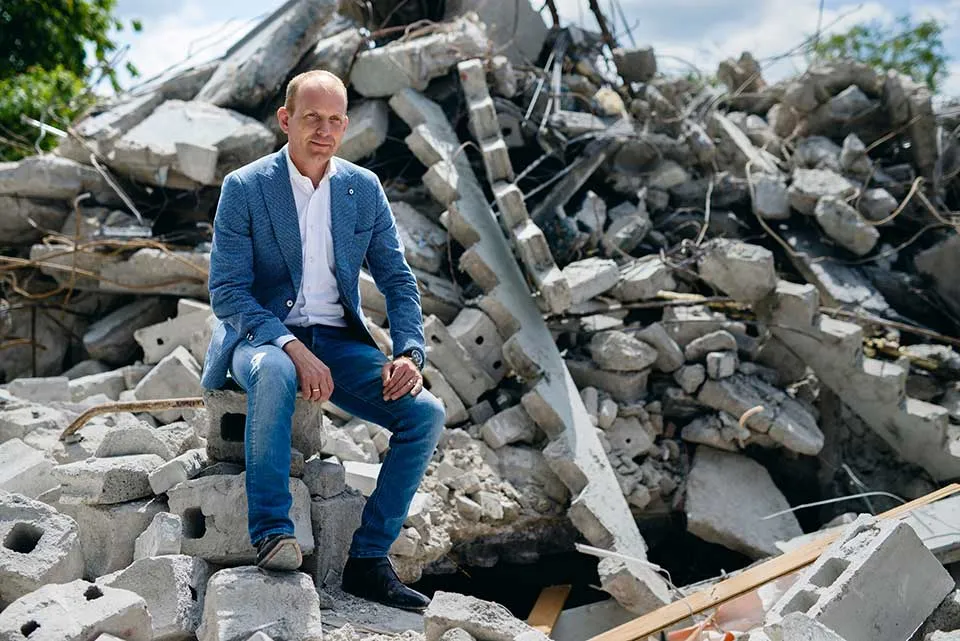
Patented technology delivers a CO2 reduction of at least 60%.
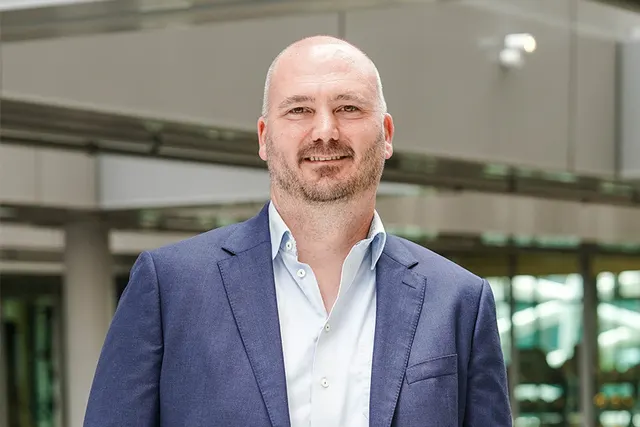
Urban mining specialist New Horizon is looking for around ten strategic locations in the Netherlands where it plans to invest in urban mines itself. At these sites, the Smart Liberator technology can be used to process concrete from the surrounding region back into its original constituent materials: sand, cement and aggregate. After recovery, the original raw materials can be fully reused to make new concrete. This results in a substantial CO2 reduction of at least 60% and significantly reduces the environmental burden. In this way, the company aims to contribute to the sustainability ambitions and massive construction programme of local and regional authorities. New Horizon CEO Michel Baars says: “That is why we are making this call now: ‘Authorities, pitch us your ambitions and we will select the ten most promising proposals for developing an urban mine in your region.’”
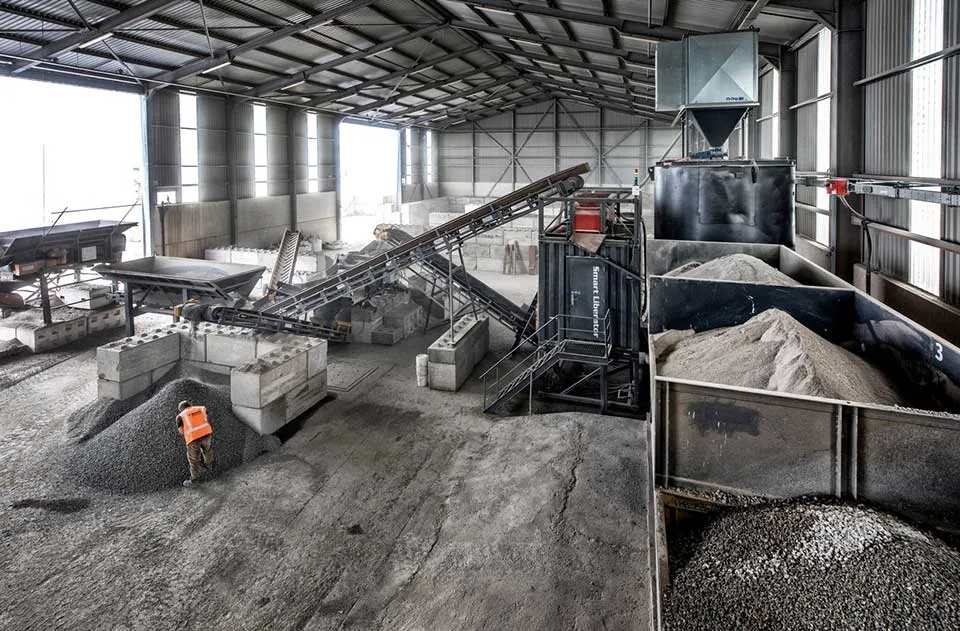
The patented technology, called Smart Liberator, was introduced in 2018 in close collaboration with partner De Rutte Groep. It was invented by Koos Schenk. The second generation of the Smart Liberator was launched recently. It is 35% cheaper and 35% more effective than the first version. Baars says: “This means we can scale up much further and have a practical solution that can help deliver the climate agreements. Especially when you consider that 5 billion tonnes of CO2 are emitted worldwide in the production of concrete, accounting for 9% of total CO2 emissions! Our ambition is ultimately to roll out the urban mine technology internationally as well. To take that step, we need to collect more data on the technology’s local applications and effectiveness. That is why we are investing in these urban mines together with Rutte Groep.”
Global rollout in 2024
“Many regions and cities have ambitious construction plans and face a complex challenge,” says Baars. “We want to help deliver them in a circular way. We are looking for locations with good access by water. Together with the regions or cities that come forward, we will analyse whether, for example, there is sufficient potential to ‘harvest’ old concrete and use new circular concrete in planned construction projects.” With the large volume of data from the ten locations, New Horizon expects to have sufficient insights by mid-2024 to support a wider, global rollout of the urban mine technology. This global potential was always central to inventor Koos Schenk’s vision when developing the technology, a process that took more than 10 years. Baars says: “Schenk really is a visionary who was far ahead of his time. It is a great honour for us to help realise that potential.”
Vraag over dit verhaal? Stel je vraag
Blijf dit volgen
Bij een nieuw verhaal krijg je een e-mail. Geen account nodig.
- ThemaMinder CO2 in beton en staal
- OnderwerpGeneral