‘We are fully committed to rapidly halving CO2 emissions from cement production’
Tekst Philip DoutreligneBeeld Ecocem
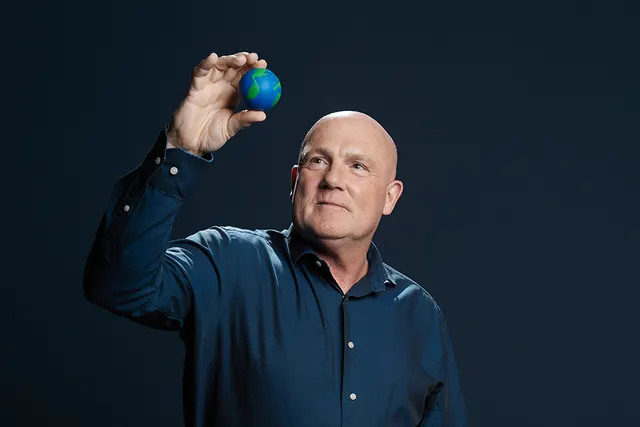
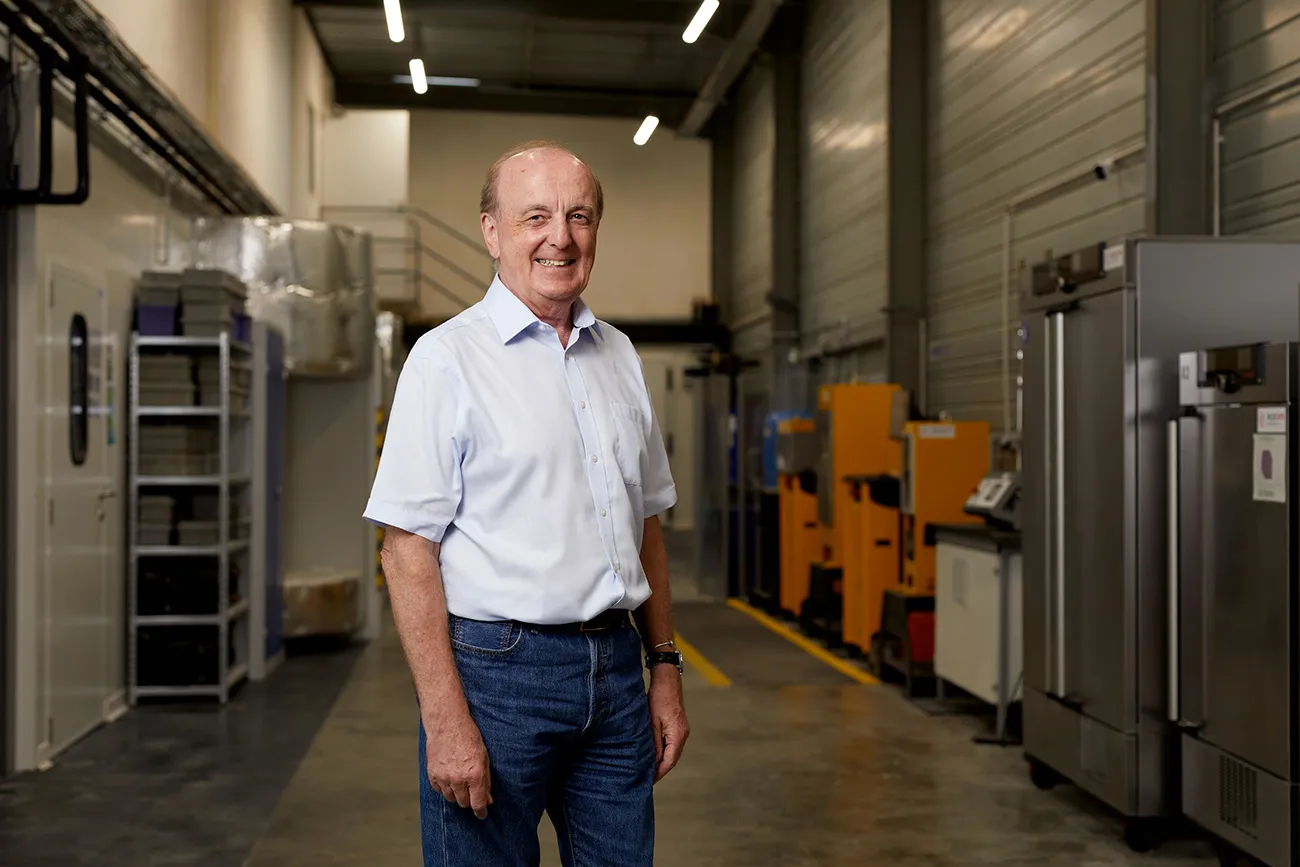
Ecocem founder and CEO Donal O’Riain
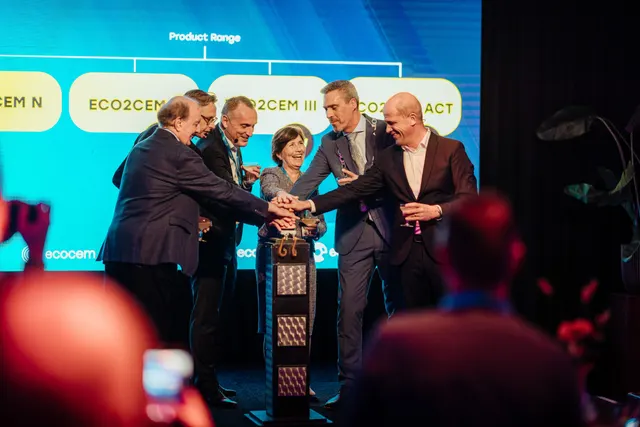
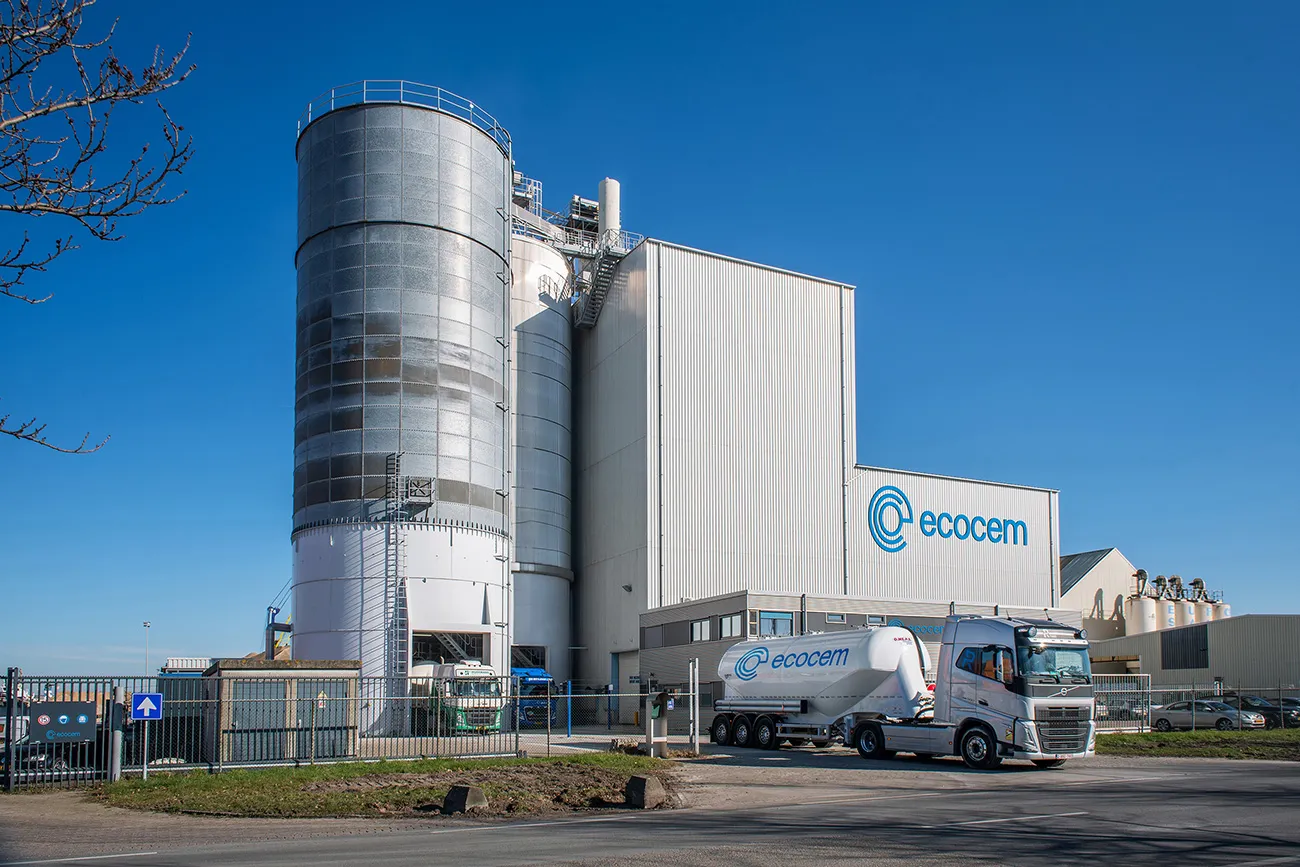
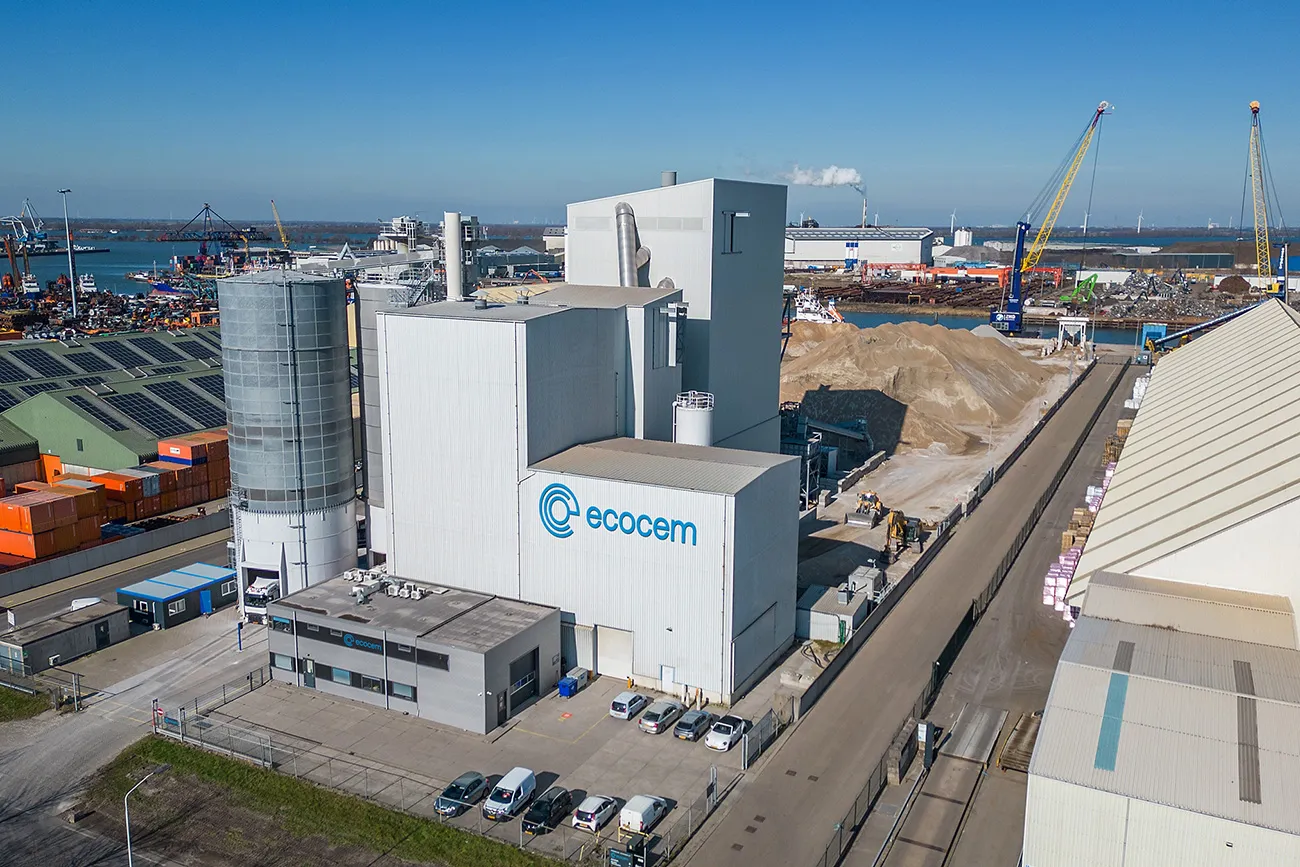
Founded in Ireland by Donal O’Riain more than twenty years ago, Ecocem took a pioneering global role as early as 2002 by starting low-carbon cement production at its Dutch site. Ecocem now produces 2.4 million tonnes of low-carbon cement each year at its four production plants in Europe. At the end of last year, Ecocem announced ACT, a groundbreaking, scalable low-carbon technology that can cut CO2 emissions by up to 70%. The technology is currently undergoing industrial testing. Ecocem will make this technology, which has the potential to transform the industry for good, available to the cement industry through licensing. The research breakthrough is the result of a long and intensive research programme at its research centre near Paris. Ecocem spends 1.5% of its total turnover on R&D there each year. Ecocem employs more than 200 people, including no fewer than 30 in its research department.
Facing the facts
O’Riain: “The figures on cement’s environmental impact are, to say the least, alarming. The production of Portland clinker as a binder for concrete alone is responsible for more than 7% of total global carbon emissions! Although cement makes up only just over 10% of the volume of concrete, it is responsible for almost 90% of its polluting carbon emissions. That is certainly an important factor to consider. It all comes down to the combustion process used to process the basic raw material, limestone. The high processing temperatures of more than 1,400°C consume a great deal of energy, and the process as a whole emits significant quantities of carbon.”
Environmentally friendly alternatives
“To make cement production, and consequently concrete production, more environmentally friendly, we looked for alternatives to the polluting limestone fraction,” says O’Riain. “At present, alongside a much smaller quantity of Portland clinker, we use ground granulated blast-furnace slag from the steel industry, among other materials. The ground slag reacts better and faster with water, producing a stronger end product. ACT, the new technology, can be used with a wide range of low-carbon alternatives to clinker, including BFS, limestone, natural pozzolans, other steel slags and calcined clay. It is important that the new raw materials and technologies are scalable and do not simply shift the emissions problem to other industries.”
Other technologies, such as carbon capture techniques that capture and neutralise CO2 through modified pre- or post-combustion in cement kilns, can also improve the cement industry’s environmental footprint. However, they require costly and complex changes to the production process and are therefore currently difficult to implement.
Time for ACTion
In its own report, ‘Cement: higher ambitions, lower emissions’, Ecocem makes clear that standing still and waiting are not options. The company has developed scalable solutions to make a 50% reduction in carbon emissions by 2030 possible. O’Riain: “Our ACT (Advanced Cement Technology) carbon-reduction solution will enable us to achieve a 70% reduction by 2035. We did not develop it overnight: our R&D department worked closely with universities and leading companies such as Saint-Gobain. ACT also stands for a call on the sector to take ACTion now, before it is too late. The impact of using ACT on total production costs will be minimal. The alternative is certainly less attractive financially: a projected 80% increase in the cost of emissions allowances for those who fail to meet emissions standards.”
What about the situation in the Netherlands and, more broadly, the Benelux?
O’Riain: “We began producing and selling GGBS in the Netherlands as early as 2022. It was an obvious choice as a foothold for accessing the Benelux, Europe’s largest and most closely connected cement market, with a long tradition of low-CO2 cement. The Dutch market is currently the most advanced in Europe in this area. Our experience in the Benelux puts us in an ideal position to decarbonise cement on a larger scale. In the Netherlands and elsewhere, we will license other cement companies to use our technology and provide technical support to ensure the best possible results. We also have an extensive programme of demonstration projects in the pipeline, working with partners in cement, concrete and construction, to prepare for the large-scale rollout of Ecocem’s low-CO2 technology from the middle of this decade.”
The EU has a key role to play
O’ Riain: “Ecocem must take responsibility for leading the acceleration of cement decarbonisation. However, there are limits to the scale we can achieve. The role of other stakeholders is at least as crucial. The EU must extend its support for decarbonisation beyond CCS and act quickly. While CCS/CCUS is clearly part of any decarbonisation solution, it makes more sense to prevent CO2 emissions in the first place. The EU must also accelerate the reduction of free emissions allowances for CO2 emissions from cement production. The EU and national authorities responsible for standards must speed up changes to remove barriers to the use of low-CO2 cement. Finally, the cement industry must make the transition to low-carbon technology at pace. The scale and speed of change are unprecedented. The response must involve joined-up thinking and coordinated action by all stakeholders.”
Thanks to pioneers such as Ecocem, concrete construction has a bright future ahead. Concrete has long been the most widely used building material, and will soon also be one of the most environmentally friendly.
Een zakelijke vraag aan Ecocem? Neem contact op
Bedrijven in dit verhaal
Blijf dit volgen
Bij een nieuw verhaal krijg je een e-mail. Geen account nodig.
- ThemaMinder CO2 in beton en staal
- OnderwerpGeneral
- BedrijfEcocem