Be well prepared for 2025, with digitalisation as the driving force
Tekst Susan PeekBeeld VanMeijel Automatisering
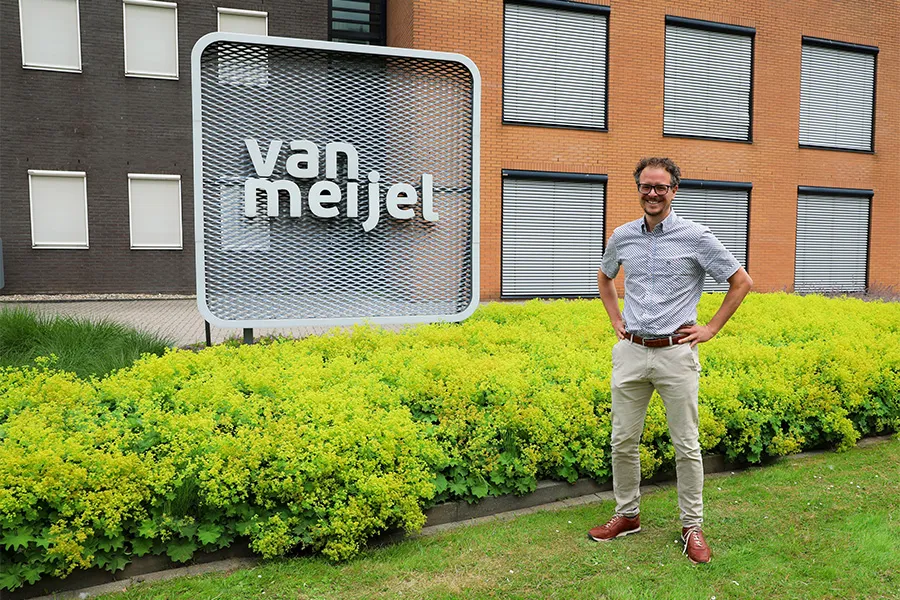
The construction sector faces a number of major challenges and changes. Digitalisation, sustainability and safety will shape the agenda in the years ahead. At the same time, the sector is grappling with increasingly complex projects, stricter laws and regulations, and a tight labour market. “Companies need to work smarter, collaborate more effectively and respond to these trends to remain competitive,” says Peter Winkeler, commercial director at VanMeijel Automatisering.
VanMeijel Automatisering has been a specialist in digitalising a wide range of processes in the infrastructure sector for almost 40 years. With 15 years’ experience at the intersection of construction and IT, Winkeler has a clear view of the sector’s digital trends and challenges. “Many companies in the infrastructure sector have already made significant progress in digitalisation,” he says. “In 2025, it’s time to tackle the issues that are shaping the sector’s agenda, both now and in the future.”
Tight labour market demands new ways of working
One of the biggest challenges is the tight labour market. Winkeler says: “Finding the right skilled workers is becoming increasingly difficult. It is therefore worth developing an active policy to retain staff while also organising their work more efficiently, allowing them to focus even more on their core tasks. Digitalisation can play a major role here by reducing administrative workloads. This enables employees to enjoy their work more and reduces the risk of losing good staff.”
Working smarter and more sustainably
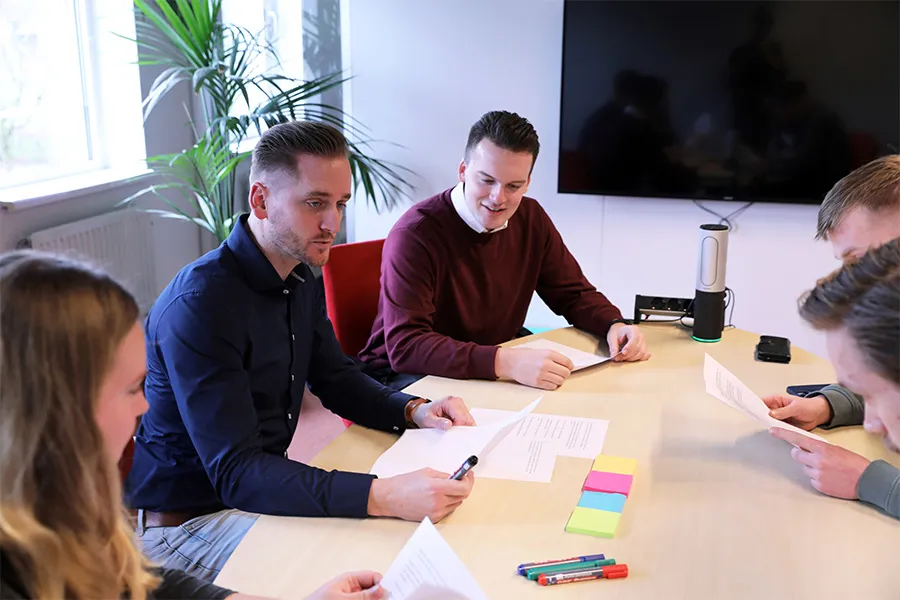
According to Winkeler, the future of construction lies in smart automation. “Many companies generate valuable data, but are not yet making the most of it. Smart algorithms and clear dashboards can turn data into valuable insights, making it easier to make the right decisions and reducing the administrative burden.” Sustainability is also playing an increasingly important role, partly as a result of regulation. “Companies that manage to stand out in this area have an advantage. For example, smart cost calculations can present clients with different options: a traditional solution with higher CO2 emissions, alongside a more sustainable proposal that may cost more but has a lower footprint. This helps them make better choices in terms of costs, returns and reducing their environmental footprint.”
Ongoing innovation and supply chain collaboration
According to Winkeler, continuously innovating your software systems is essential for companies that want to remain future-proof. “Implementing an ERP system and then leaving it alone is counterproductive. You need to keep investing in your systems so they can grow with your business and adapt to changing laws and regulations. Companies that keep their systems up to date work more efficiently and save on IT costs.” His experience shows that small adjustments are often all it takes to achieve major improvements. He also highlights the importance and potential of digital supply chain collaboration. “Digitalisation is no longer just about internal processes. It is essential for all supply chain partners to work together seamlessly. A key next step is to optimise collaboration and information exchange throughout the supply chain, from client to supplier. This is where significant gains can be made in the future.”
Working safely in the cloud
Although digitalisation offers many benefits, it also brings risks. “Working digitally makes companies more vulnerable to cyber incidents,” warns Winkeler. “Good IT security is essential to protect your business processes from unwanted intruders. If you have not yet given this much attention, start taking steps over the coming year to better secure your systems and information. Moving to the cloud is generally also a safer way of working.”
Future-proofing through small steps
For companies looking to innovate, he recommends taking a step-by-step approach. “Change does not happen overnight. Start with small steps and set a clear goal and strategy. Involve both management and staff in the process. This will build support and put you in a strong position for 2025.”
With digitalisation as the driving force, companies in the construction sector can strengthen their competitive position and prepare for the future. “It is an evolution,” Winkeler concludes. “But those who start investing in technology and innovation now will reap the benefits in the years ahead.”
Vraag over dit verhaal? Stel je vraag
Blijf dit volgen
Bij een nieuw verhaal krijg je een e-mail. Geen account nodig.
- ThemaDigitaal van ontwerp tot montage
- OnderwerpGeneral