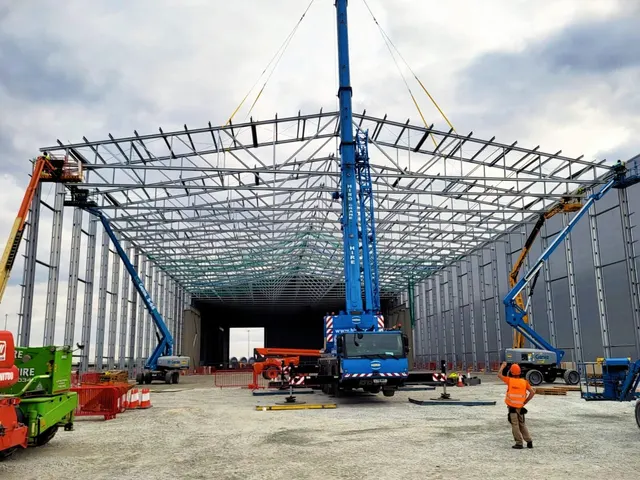
Software simplifies the management of multiple projects
Tekst Tjerk van DuinenBeeld Strusoft
Production planning for precast concrete plants
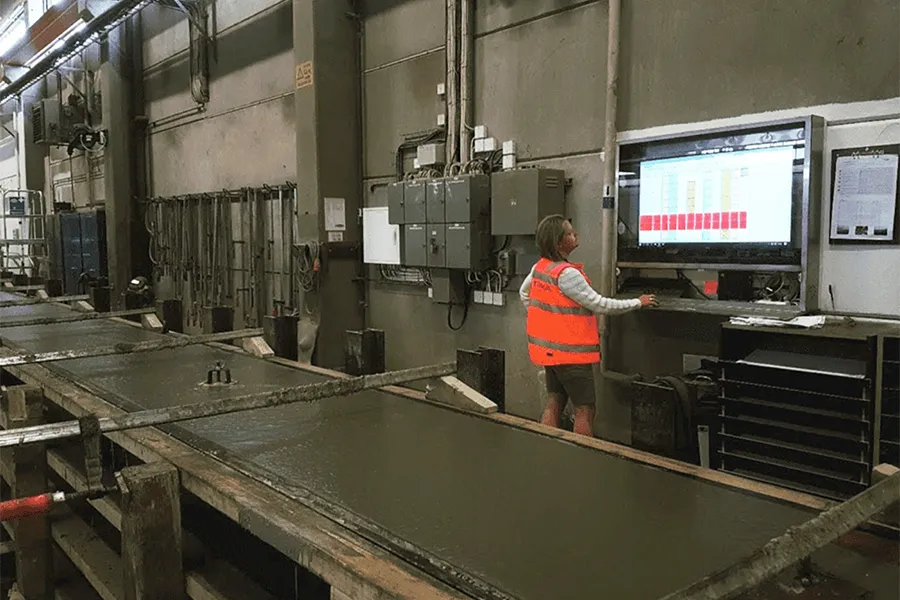
Manufacturers of concrete elements benefit from having a clear overview. A constant stream of enquiries and orders comes in from many different projects, along with changes to specifications or delivery times, which are hardly unusual in construction. With IMPACT Precast and IMPACT Production, developed specifically for manufacturers, this is relatively easy to manage. The result: production lines that run efficiently, accurate monitoring of the process down to element level and the ability to carry out extensive data analysis.
Pascal van Wijk is Business Development Manager at software company StruSoft, where he works for the Precast Business Unit. After using the software himself for ten years at a concrete plant, he joined StruSoft in 2022 to promote its construction applications in the Dutch, German and Belgian markets. “More than 160 plants now use IMPACT and benefit from it every day.”
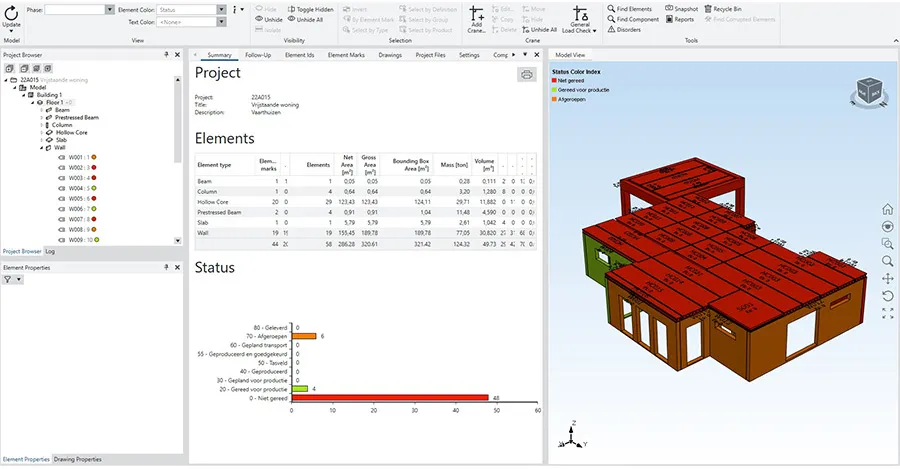
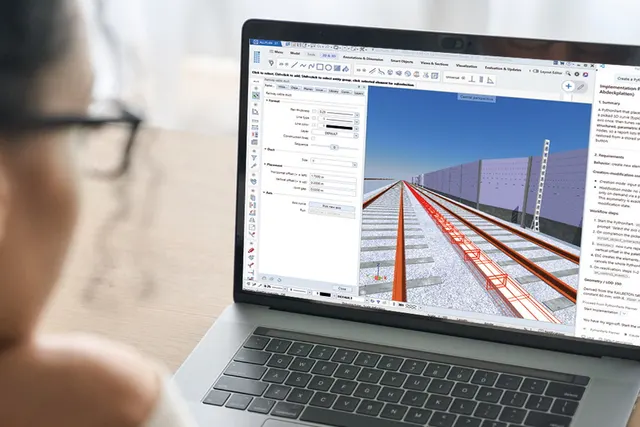
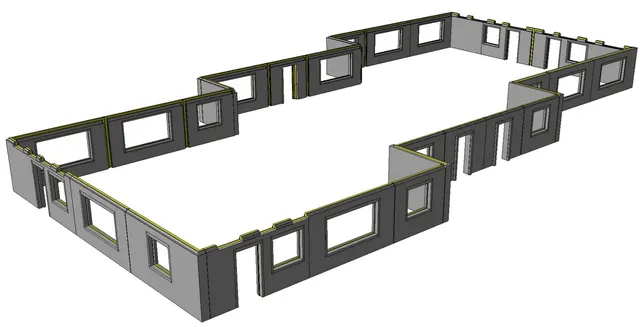
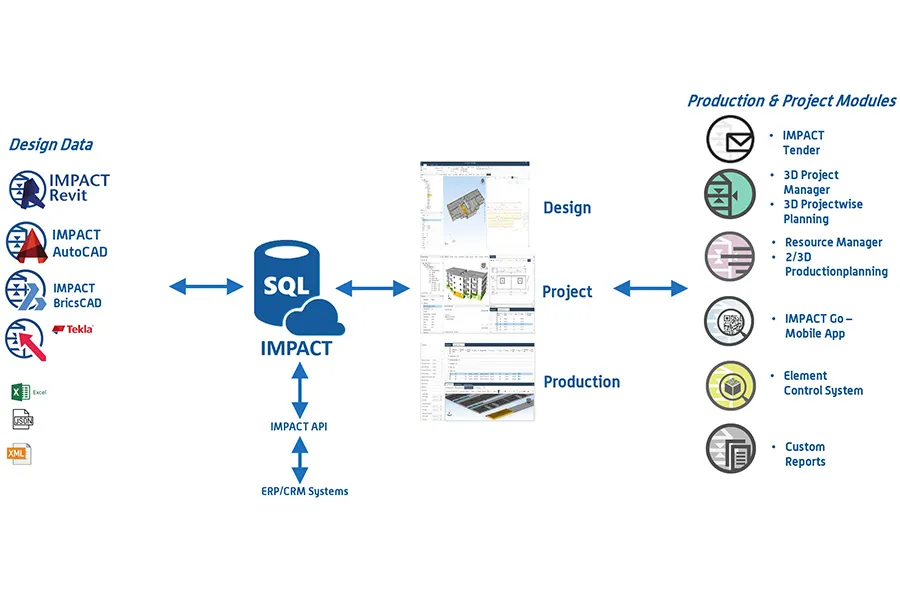
IMPACT Precast can be divided into three areas. Van Wijk: “IMPACT Design is a powerful design package that enables plants to design structures and elements in 3D BIM using the software we have developed in-house: IMPACT for AutoCAD, IMPACT for Revit and Tekla Base Tools. IMPACT Production enables manufacturers to translate designs into efficient production. Finally, IMPACT Project Management is the tool for managing one or more projects, including planning erection, cranes and so on. The great thing is that the underlying relational database keeps everything connected at all times, in real time. And anyone can learn to use it efficiently in just a few days.”
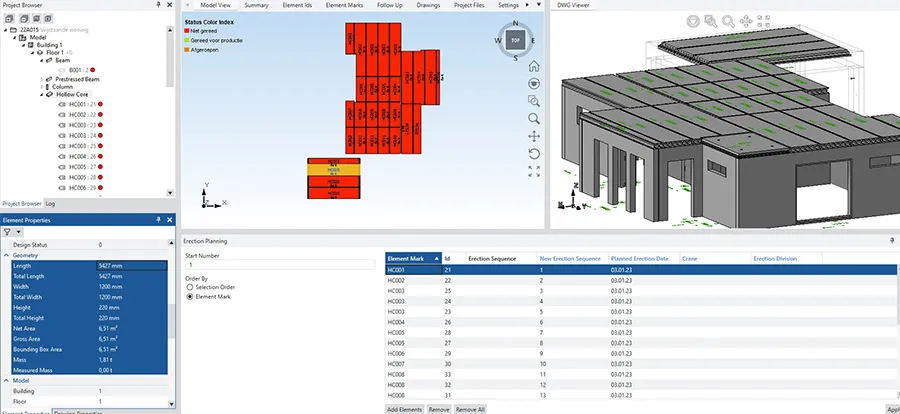
IMPACT Production
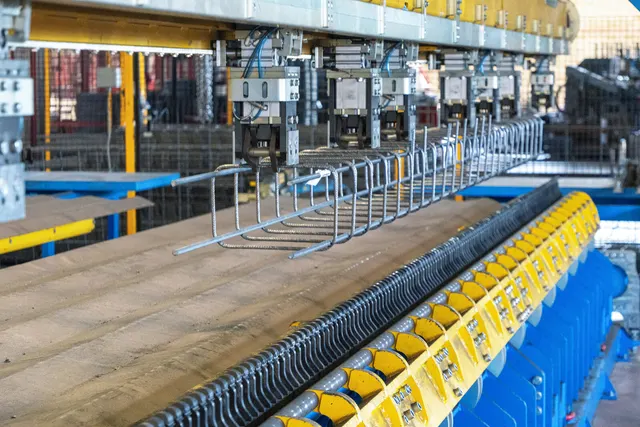
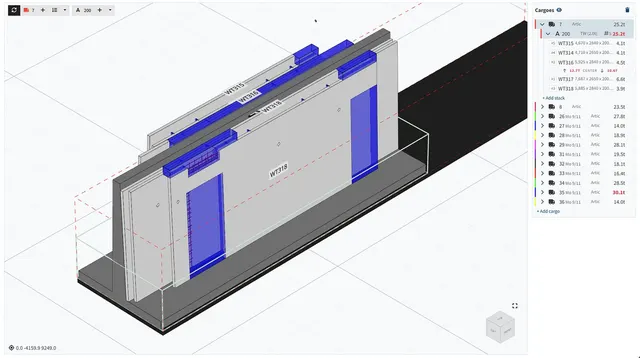
“What we offer concrete manufacturers above all is freedom in the way they work,” Van Wijk continues. “You can organise your planning around individual projects, but if, for example, you produce hollow-core slabs, it is much more efficient to schedule several projects at once, interleaved, from a single workspace. IMPACT Design also provides an erection sequence, among other things, and production planning can be driven by its numbering. That way, you know when each item is due for delivery, based on the configurable standard intervals for drawing, ordering and delivery. IMPACT then provides all the deadlines you need to achieve a smooth production schedule. This means an optimal production line schedule can be generated almost automatically from the design environment.”
Responding quickly
Because IMPACT uses real-time information, changes can be responded to extremely quickly. Van Wijk: “We all know that construction is unpredictable and that schedules often do not go to plan. Being able to act quickly is therefore important for efficient production. With IMPACT, all parties can see the status of every element throughout the process, from design to erection and beyond. This can also be monitored using mobile applications. For example, an inspector can update the status in the storage yard or on site, record any shortages and trigger the necessary action. In effect, a digital twin is available for every element. This provides useful information later on if reuse is being considered.”
ERP
IMPACT can also be connected to an ERP system via an open API. The connection also enables the ERP software to send data back to IMPACT. Van Wijk: “Every client has their own ERP system, and we often do not know which system they use. But the interface means they can all be connected. The same applies on the design side: structural engineers, modellers and erection companies use different software, do not all have the same approach to production planning, and simply deliver models. We make sure the next stages run as efficiently as possible.”
Vraag over dit verhaal? Stel je vraag
Blijf dit volgen
Bij een nieuw verhaal krijg je een e-mail. Geen account nodig.
- ThemaBouwen als productieproces
- OnderwerpSoftware & automation